A drink can feel like a quick way to relax, connect with friends, or unwind after a long day. When you look closer at men’s mental health and alcohol, though, the picture is more complicated. Alcohol can seem helpful in the moment, but over time it often works against your mood, your stress levels, and your overall well-being.
This guide walks you through how alcohol affects your brain, why men are especially at risk, and what you can do if you want a healthier relationship with drinking.
Why men are affected differently
Men and women both experience harm from alcohol, but the patterns and outcomes often look different for men.
On average, you are more likely than women to drink alcohol, binge drink, and engage in heavy drinking. According to the 2024 National Survey on Drug Use and Health, 57.0 million adults reported binge drinking in the past month and 14.4 million reported heavy alcohol use, a pattern that carries substantial mental health risks, particularly for men who drink heavily. Men are also more likely to drink and drive and are more often involved in fatal crashes related to alcohol.
Excessive use is tied to higher risk-taking, illness, injury, and earlier death. Alcohol can also interfere with hormone production and sexual function, which can affect your confidence, relationships, and self-esteem. All of these factors feed into mental health, sometimes in ways you only notice after things have been difficult for a while.
How alcohol briefly helps, then quietly harms
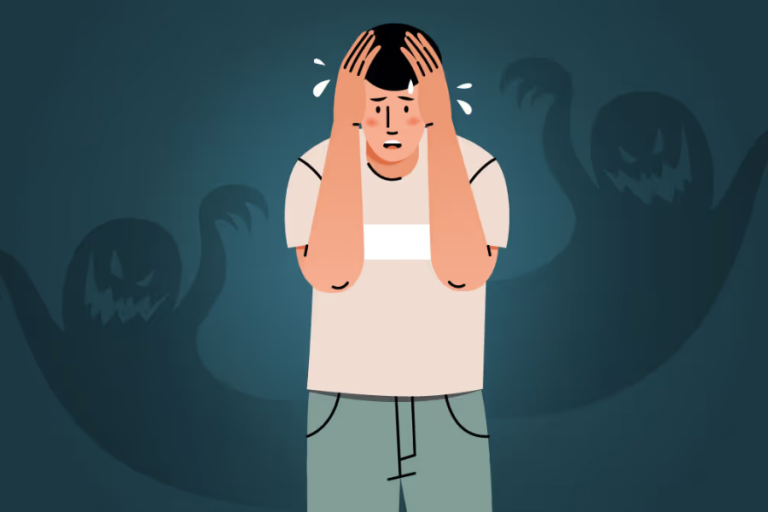
You might drink to feel calmer, more confident, or less weighed down by worries. At first, alcohol can seem to work. It changes the levels of brain chemicals that affect mood and anxiety, so you may feel your shoulders drop and your thoughts slow down.
The problem is what happens next. As alcohol is processed, those same brain chemicals get depleted. That is when you can feel more anxious, more down, or more on edge. If you keep drinking to chase that original sense of relief, your brain adapts and needs more alcohol to get the same effect. Over time this can pull you into a cycle that looks like this:
Stress or low mood → Drink to cope → Brief relief → Rebound anxiety or depression → Drink again
What starts as a way to take the edge off becomes something that slowly makes the edge sharper.
The hidden pressure on men to “handle it”
Culture sends men a strong message. Be strong. Stay in control. Sort yourself out. This expectation of stoicism can make it hard to say “I am not okay” or “I need help.”
If you feel that expressing emotion is weak or shameful, reaching for a drink can seem easier than reaching out to someone. Alcohol becomes a quiet coping tool, a way to manage stress without having to talk about it. Over time, this makes genuine support feel even further away.
In Australia, nearly half of men experience a mental health problem at some point in their lives, yet men are less likely than women to seek help or receive adequate support. Many end up self-managing or using alcohol to cope, which can worsen symptoms and lead to more serious problems.
When drinking and mental health problems overlap
Alcohol use does not exist in a vacuum. For many men, it shows up alongside other mental health issues, and the two conditions keep each other going.
Alcohol use disorder, or AUD, often co-occurs with:
- Depressive disorders
- Anxiety disorders
- Trauma and stress related disorders such as PTSD
- Other substance use disorders
- Sleep disorders
Bipolar disorder, ADHD, and psychotic disorders also commonly appear with AUD. According to a 2025 core resource from the National Institute on Alcohol Abuse and Alcoholism, these co-occurring conditions make diagnosis and treatment more complex and are linked to higher relapse rates, more hospitalizations, and higher suicide risk.
Around half of Australians in treatment for alcohol use disorder also meet the criteria for depression or anxiety. In older U.S. data, 56 percent of adults in substance use treatment with another mental disorder were men, and men in that group were less likely than women to have received treatment for either condition in the previous year. Taken together, it suggests many men struggle with both alcohol and mental health, often without adequate support.
Anxiety, depression, and social fears
Some mental health issues have especially strong links with drinking in men.
Anxiety and alcohol
If you live with anxiety, you might notice that a drink or two takes the edge off. That short-term relief is real, but it comes with a cost.
Anxiety disorders affect a large share of people who also have AUD. In fact, between 20 and 40 percent of people treated for anxiety disorders also have an alcohol use disorder. Heavy drinking can worsen anxiety symptoms through repeated cycles of intoxication and withdrawal, which sensitizes your body’s stress systems.
Men with anxiety are more likely than women to use alcohol or drugs to self-medicate. Among those with generalized anxiety disorder, over a third report using substances to cope. The more you rely on alcohol in this way, the harder it becomes to manage anxiety without it.
Depression and mood disorders
Depression and drinking can feed off each other in powerful ways. If you feel low, unmotivated, or hopeless, alcohol might feel like one of the few things that changes how you feel in the moment.
Mood disorders such as major depression and bipolar disorder have high rates of overlap with AUD. Lifetime co-occurrence ranges from 27 to 40 percent for major depression and reaches about 42 percent in bipolar disorder. There is evidence of shared genetic and brain level vulnerabilities, which means you may be biologically more sensitive to both conditions.
For men in recovery, mood can be a major trigger. In one study of men who relapsed after treatment, more than a quarter said depressed mood was the main reason for their relapse.
Social anxiety and gambling
Social anxiety affects about 11.1 percent of men, and if you recognize yourself here, you might find that you drink more at parties, work gatherings, or dates. Alcohol can feel like a shortcut to being more relaxed or outgoing, yet it can also make it harder to enter or stay in treatment if drinking is tied to your sense of social safety.
Pathological gambling is another area where men are overrepresented. Around 96 to 98 percent of individuals in treatment for this condition are men, and alcohol abuse is linked to more severe gambling problems. The combination of alcohol, financial stress, and shame can hit your mental health particularly hard.
Risky drinking, stress, and your daily life
Not all drinking is the same. High intensity patterns carry particular risks.
High intensity drinking, which means consuming alcohol at levels two or more times the sex specific binge threshold, greatly increases the risk of emergency department visits. People who drink at twice the threshold are about 70 times more likely to need emergency care, and those at three times the threshold are 93 times more likely to end up in the emergency room. These episodes can be frightening and can also worsen existing mental health issues.
You might not see yourself as a “problem drinker,” especially if your use looks similar to your peers. Men are often defined as heavy drinkers if they consume 5 or more drinks on any day or 15 or more per week. At this level, your risk for co-occurring mental health disorders such as anxiety, depression, and PTSD goes up.
Stress adds another layer. Many men use alcohol to unwind after a long day or to cope with work pressure, money worries, parenting, or relationship conflict. At first, this might feel harmless. Over time, chronic reliance on alcohol for stress relief can:
- Lower your emotional resilience
- Make it harder to cope without drinking
- Push unresolved worries and fears further down, where they can resurface more intensely later
- Strain relationships at home and at work
If you notice that drinks are your main way to relax, connect, or switch off, it may be worth looking at what else could support you.
Alcohol, suicidal thoughts, and crisis risk
Alcohol can significantly increase the risk of suicidal thoughts and behaviors, especially when it interacts with depression, anxiety, or major life stress.
In Australia, men account for around 75 percent of suicides, and alcohol is one of the most significant risk factors identified in these crises. Intoxication can narrow your thinking, increase impulsivity, and reduce your ability to access coping skills or support. Problems that might be survivable in a sober moment can feel impossible after a binge.
If you have ever had thoughts of wanting to disappear, of not wanting to wake up, or of harming yourself, it is important to take both your mental health and your drinking seriously. You deserve support for both.
What effective treatment and support can look like
If you struggle with both your mood and your drinking, you might worry that treatment will be overwhelming or that you will have to solve everything at once. The good news is that integrated approaches are designed with this overlap in mind.
The NIAAA emphasizes that combining medication and behavioral therapies leads to better outcomes for people with AUD and co-occurring mental health disorders. This might include:
- Medications that reduce cravings or support mood stability
- Cognitive behavioral therapy to understand and change thought and behavior patterns
- Motivational enhancement therapy to strengthen your internal reasons for change
- Trauma informed care if you have a history of trauma or PTSD
Many men benefit from intensive outpatient programs, support groups, or a mix of individual and group therapy. The key is that you do not have to choose between treating your drinking or your mental health. Both can be addressed together.
Steps you can start taking today
You do not need to wait for a crisis to make a change. Even small shifts can help you feel more in control of your mental health and alcohol use.
You might try:
- Tracking what you drink, how much, and how you feel before and after
- Setting clear limits on drinking days or quantities
- Swapping some drinking occasions for other stress relievers such as exercise, walks, or hobbies
- Practicing basic relaxation skills such as slow breathing or short guided meditations
- Talking honestly with one trusted person about how you are doing
If you recognize yourself in the patterns described here, consider reaching out to a health professional to discuss options. You do not have to decide everything in one appointment. You can start with a simple conversation about how drinking and mood are interacting in your life.
Men’s mental health and alcohol are closely linked, but that link is not fixed. With the right information, support, and strategies, you can build a relationship with alcohol that supports your well-being instead of undermining it.
About the Author