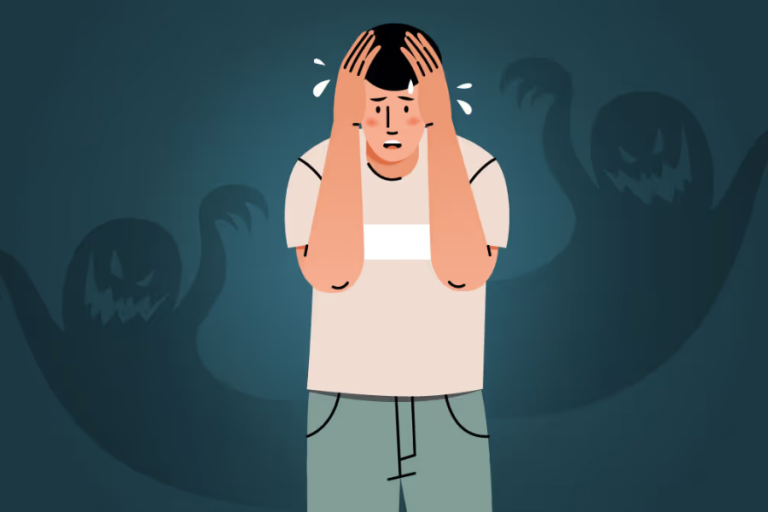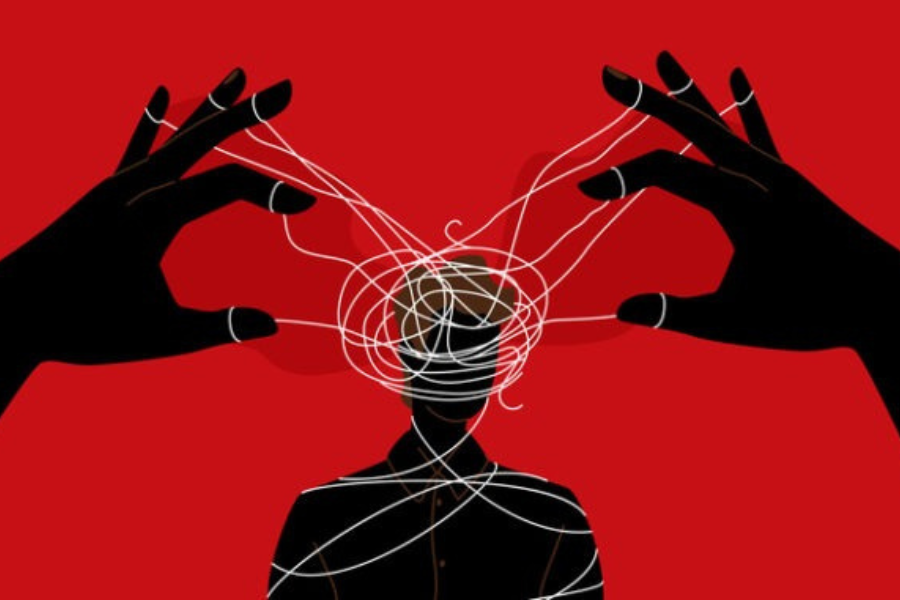
A lot of men grow up hearing some version of the same message: “Tough it out.” “Handle it yourself.” “Real men do not complain.”
Those ideas seem harmless until you notice how strongly they feed into mental health stigma in men. When you feel low, anxious, or overwhelmed, it can suddenly feel risky to admit it, let alone ask for help.
This article walks you through why that is, what stigma actually looks like in everyday life, and what you can do to push back against it, both for yourself and for the men around you.
What mental health stigma in men looks like
Mental health stigma in men is not just one thing. It shows up in different ways that can overlap and reinforce each other.
You might notice:
- Social stigma, where people around you treat mental illness as weakness or failure
- Self stigma, where you start to see yourself as “less of a man” for struggling
- Professional stigma, where health providers dismiss or misread your symptoms
- Cultural stigma, where your community or background treats mental health as taboo
Social stigma is often the loudest. This is the eye rolls when someone mentions therapy, the jokes about “man up,” or the idea that depression means you simply are not trying hard enough. Over time, hearing that message makes it harder to take your own pain seriously.
Self stigma grows from there. If you believe that “strong” men do not need help, you may tell yourself to push through instead of reaching out. That can delay care until things feel critical.
Cultural stigma adds another layer. In some communities, mental health is barely talked about at all. In Black communities, for example, mental illness has often been seen as a sign of weakness, and there is a historic distrust of medical systems linked to abuses such as the Tuskegee experiment. That mix makes it even harder for many African American men to open up or accept a diagnosis.
How masculine norms keep you quiet
Traditional masculine norms reward you for being stoic, invulnerable, and completely self reliant. On the surface, those traits can look positive. You might feel proud of being dependable or calm in a crisis.
The problem starts when those same norms tell you that needing help is unacceptable. If you believe that “real men” do not struggle, you may:
- Hide symptoms of depression or anxiety
- Use anger, irritability, or humor to cover up sadness or fear
- Turn to alcohol, drugs, or overwork instead of talking to someone
- Wait until you are at a breaking point before seeking help
Research on mental health stigma in men has found that these rigid norms are closely tied to delayed help seeking behavior (Sweeney et al., 2024). In other words, the more strongly you feel you must be invulnerable, the less likely you are to reach out early, when support can be most effective.
Ironically, this version of masculinity ends up making life harder. It can worsen depression and anxiety, increase substance use, strain relationships, and raise your risk of serious health problems and suicide.
The hidden cost of staying silent
In the United States, about one in five adults experiences a mental illness each year. Yet mental health issues in men often go untreated. Around six million men experience depression annually, but men still account for roughly 79% of suicide deaths in 2020 data.
That gap tells you something important. Many men are struggling, but far fewer are getting the right kind of help.
Men die by suicide at roughly four times the rate of women, even though women are diagnosed with depression and mood disorders more often. During the COVID 19 pandemic, men in the United States reported higher levels of depressive symptoms and suicidal thoughts than women, and while more men did seek help in 2020 compared with the previous year, by 2021 only about 40% of men with a reported mental illness were receiving care, compared with 52% of women.
Those numbers are not about personal weakness. They are about barriers. When you live in a culture that tells you mental illness equals character failure, you are less likely to say, “I need help,” until the situation is severe.
A UK survey of 1,000 men found that 40% would not discuss their mental health with close friends, family, or medical professionals. Another 22% felt uncomfortable even talking to their doctor, often because they worried they would be wasting the doctor’s time. Many said it would take thoughts of suicide or self harm before they would finally seek professional help.
If any of that sounds familiar, you are not alone. You are part of a pattern that affects millions of men.
When the system does not see you clearly
You might assume that once you do seek help, the hardest part is over. Unfortunately, stigma can show up inside the health system as well.
More than 60% of men who died by suicide in Canada and the United States had accessed mental health care services in the previous year. That means a lot of men were seen, but not fully understood or supported.
Common issues include:
- Providers misreading male symptoms as “stress” or “anger problems” instead of depression
- A lack of gender sensitive diagnostic tools that capture how men often express distress
- Biases that treat men as more resilient or less in need of support
If you have ever left an appointment feeling brushed off or misunderstood, that experience can reinforce the idea that help is not for you. Over time, this can deepen professional stigma and make it harder to return or to try a new provider.
This is why many experts recommend mandatory cultural competence training for health professionals and more gender sensitive approaches to diagnosis and treatment. You deserve care that actually fits the way you experience and express your mental health.
Why talking feels so hard, even with people you trust
You may notice that even when you want to open up, the words get stuck. This is not just about courage. It is also about skills you maybe never had the chance to learn.
From a young age, many boys are discouraged from naming feelings other than anger. You might have been told to stop crying, to toughen up, or to keep problems to yourself. As an adult, it can feel awkward to suddenly say, “I feel hopeless,” or “I am scared,” if you never practiced language like that growing up.
That same UK survey found that although many men rarely speak about mental health, 66% of those who do would talk to a partner first. This suggests that you might feel safest opening up with one person you trust deeply, rather than a wider circle.
You do not need perfect words to start. A simple, honest statement is enough, such as:
“I have not been feeling like myself for a while, and I think I need some help working through it.”
From there, you can figure things out together. The most important step is breaking the silence.
What actually helps reduce stigma
Researchers have looked closely at what kinds of approaches reduce mental health stigma in men. A review of male focused interventions found a few key strategies that work well (Sweeney et al., 2024).
Psychoeducation, or clear information about mental health and its consequences, can reduce both public and personal stigma. When you understand that depression is an illness that affects brain chemistry and behavior, not a sign of laziness, it becomes easier to treat it like any other health issue.
Social contact interventions bring men into conversation with others who have lived experience of mental illness. Hearing from someone you respect, especially a male role model, who has struggled and recovered, can shift how you see your own situation. The review noted that having credible sources and role models built into programs made a real difference.
Psychological therapies such as Cognitive Behavioral Therapy (CBT) and Acceptance and Commitment Therapy (ACT) were particularly effective for reducing self stigma. These approaches help you examine your beliefs about yourself and challenge unhelpful thoughts, like “If I need help, I am weak.”
Many successful programs used a mix of:
- Information about health consequences
- Self monitoring of behavior and mood
- Feedback on behavior and progress
- Role models with lived experience
- Practicing new behaviors and communication skills
In other words, change happens when you have knowledge, real life examples, and chances to try out new ways of thinking and talking.
Examples of male focused mental health programs
A number of initiatives now focus directly on men and mental health stigma. These programs share a few themes: practical tools, culturally sensitive content, and an understanding of how masculinity shapes behavior.
Some examples include:
- The Movember Foundation’s Rooted and Rising Collective, which offers community and resources tailored to men’s experiences
- The Canadian Men’s Health Foundation MindFit Toolkit, which gives men step by step guidance to understand and improve their mental health
- Projects like YBMen and Man Therapy, which use culturally relevant messaging, humor, and online tools to make starting the conversation feel less intimidating
These kinds of resources matter because they meet you where you are, instead of expecting you to fit into a generic model of mental health care.
Practical ways you can push back against stigma
You cannot change the entire culture on your own, but you can shift the way you relate to your own mental health and the men in your life.
Here are a few practical steps:
-
Name what you feel, even privately
Start simply by describing your mood to yourself at the end of the day. You might think, “I felt anxious all afternoon,” or “I felt numb most of this week.” The more precise you are with your own feelings, the easier it is to share them with others. -
Notice and challenge old messages
When you catch yourself thinking, “I should handle this alone,” ask where that belief came from. Does it still serve you, or is it making life harder? You can respect strength and independence while still allowing room for support. -
Talk to one trusted person
You do not have to announce your struggles to everyone. Choose one person you feel safe with. Tell them you want to be more honest about how you are doing. That first conversation is often the hardest, and once you have had it, the next one is easier. -
Use professional help as a tool, not a last resort
Think of therapy, medication, or support groups like you would think of a personal trainer or a physical therapist. It is not about weakness. It is about using the right tools to get where you want to go. -
Model openness for other men
You do not need to share your entire story. Even small comments like, “Talking to my therapist helped,” or “I had a rough week mentally,” can signal to other men that it is acceptable to be honest. -
Seek spaces designed with men in mind
If standard services have not felt right, look for male focused programs or groups. These often address the realities of male stigma and can feel more approachable.
Redefining what strength means for you
Traditional norms suggest that strength means silence, emotional control, and total independence. That version of strength can work for short bursts, but over a lifetime it often leads to isolation and untreated pain.
You can choose a different definition.
Real strength can look like:
- Admitting when you are not okay
- Asking for help before you reach a crisis
- Letting people who care about you see what you are going through
- Standing beside other men when they open up
Mental health stigma in men did not appear overnight, and it will not disappear immediately. But every time you choose honesty over hiding, and support over self blame, you chip away at it.
If you recognize yourself in anything you have just read, consider this your permission to reach out. Talk to your partner, a close friend, your doctor, or a helpline in your area. You do not have to wait until things are unbearable. You deserve support right now, exactly as you are.
About the Author