A paleo diet plan can feel surprisingly simple once you understand the basics. Instead of counting calories or memorizing strict rules, you focus on whole, minimally processed foods that your body already knows how to use. That shift alone can support steady weight loss and better energy without complicated math or elaborate recipes.
Below, you will find a clear, beginner friendly paleo diet plan that can help you kick start or refresh your weight loss journey.
Understand what the paleo diet really is
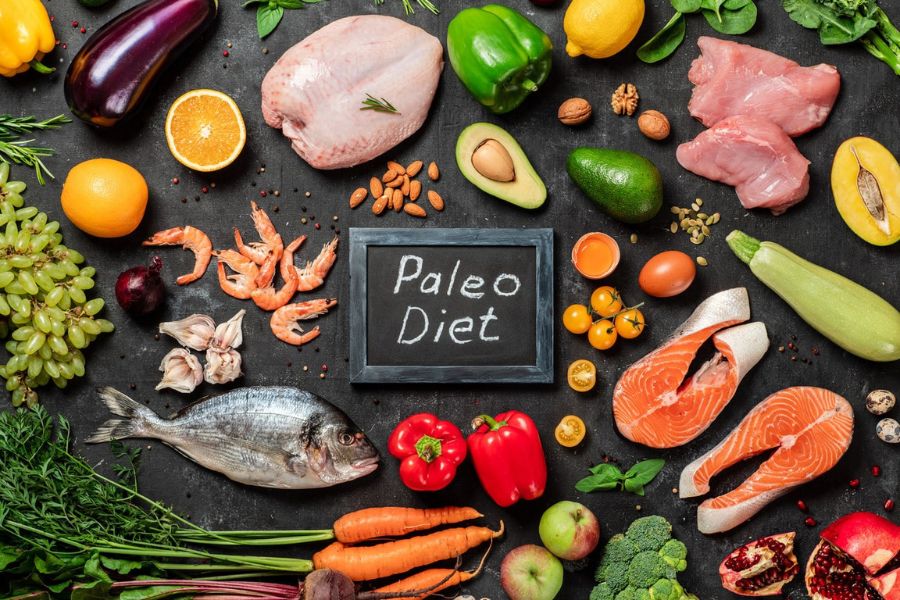
At its core, a paleo diet plan is built around foods that mimic what human hunter gatherers might have eaten. You center your meals on vegetables, fruits, lean meats, fish, eggs, nuts, seeds, and healthy fats, while you leave out grains, legumes, dairy, and processed foods that came later with farming and modern food manufacturing (Mayo Clinic).
You are not trying to perfectly copy a prehistoric menu. Instead, you are using a simple idea to guide your choices. Eat more real food, avoid products that come in crinkly packaging, and let vegetables fill most of your plate.
What you eat vs what you skip
In practice, a paleo diet plan usually looks like this (Healthline, EatingWell):
-
You eat:
Vegetables, especially non starchy ones like leafy greens, broccoli, peppers, and zucchini.
Fruits in moderate portions.
Meat, poultry, and eggs, ideally lean and, when possible, grass fed or pasture raised.
Fish and seafood, especially wild caught and rich in omega 3 fats.
Nuts and seeds.
Natural fats like olive oil, avocado oil, and coconut oil. -
You skip:
Grains like wheat, rice, oats, and corn.
Legumes like beans, lentils, soy, and peanuts.
Most dairy, unless you follow a more flexible version that allows some butter or yogurt.
Processed foods, sugary drinks, baked goods, and candy.
Refined vegetable oils and artificial sweeteners.
The benefit for weight loss often comes from swapping high calorie, low nutrient processed foods for filling, protein rich, and fiber rich meals. That combination keeps you satisfied longer and can lower your overall calorie intake without strict restriction (Healthline).
Know how paleo supports weight loss
When you follow a simple paleo diet plan, you naturally set up a few helpful conditions for weight loss without obsessing over every bite.
You increase protein, which supports muscle maintenance and helps you stay full after meals. You cut back on refined sugar and white flour, so your blood sugar tends to stay steadier, and you are less likely to keep reaching for snacks. You also eat more vegetables and some fruit, which boosts your intake of fiber and water and adds volume to your meals for relatively few calories (EatingWell).
Short term studies suggest that a paleo style pattern may help with weight and some heart risk markers, mainly because you avoid highly processed foods and focus on whole ingredients (Mayo Clinic). That is encouraging, but you still want to build a version that is realistic for your life and that covers your basic nutrition needs.
Avoid common paleo diet mistakes
Some habits can quietly stall your progress, even if your meals look “paleo approved” on paper. Being aware of these ahead of time saves you frustration later.
Relying on packaged paleo products
Paleo cookies, bars, and chips may technically fit the rules, but they are still packaged snacks. Many are high in sugar from maple syrup, coconut sugar, or honey. These sweeteners are less refined than white sugar but still add up quickly (Bon Appétit).
If weight loss is your goal, treat paleo style treats like any dessert, something you enjoy occasionally, not daily.
Overdoing the meat portions
It is easy to think “paleo equals giant steak.” In reality, the diet works best when you let vegetables take up most of your plate and use meat as a supporting player. Very large servings of meat, especially fatty cuts, can raise saturated fat intake and may increase kidney or liver strain in some people (Aaptiv, Bon Appétit).
Aim for a palm sized portion of protein at meals, then build the rest of your plate around vegetables, healthy fats, and sometimes a serving of fruit or starchy vegetables if they fit your approach.
Forgetting about calcium and fiber
Since a strict paleo diet plan cuts out dairy, legumes, and whole grains, you need to be more intentional about calcium and fiber. Skimping in these areas can affect bone health, digestion, and overall comfort.
You can cover calcium with foods like leafy greens and canned fish with bones, which count as paleo friendly sources (Aaptiv). To keep your digestion steady, plan for at least five servings of non starchy vegetables per day to replace the fiber you used to get from grains and beans (Aaptiv).
If you have existing kidney, heart, or metabolic issues, it is smart to check in with your doctor or a registered dietitian before making big changes, since a restrictive plan may not be ideal for everyone (Everyday Health).
Build a simple one week paleo meal framework
You do not need a rigid, chef level menu to benefit from a paleo diet plan. A basic weekly structure makes shopping easier and helps you avoid last minute takeout that is not aligned with your goals.
Here is a straightforward pattern you can adapt. You can repeat breakfast and lunch to simplify your planning and vary dinner for interest.
Use this as a framework, not a rule book. Swap ingredients around to match your schedule, budget, and taste.
Breakfast ideas
Aim for a mix of protein, healthy fat, and vegetables or fruit. For example:
- Scrambled eggs with spinach and tomatoes, plus a small side of berries
- Turkey or chicken sausage with sautéed peppers and onions
- Leftover roasted vegetables topped with two fried eggs
- A small smoothie with spinach, frozen berries, almond butter, and water, served alongside a boiled egg
A sample day following this pattern might look like eggs with spinach and raspberries, a snack of pumpkin seeds and dried apricots, then a lunch and dinner based on vegetables, protein, and healthy fats (EatingWell).
Lunch templates
Prepare a few components on the weekend so you can assemble lunches quickly.
You might rotate between:
- Big salad bowls with mixed greens, leftover chicken or salmon, avocado, toasted nuts, and olive oil vinaigrette
- Lettuce wrap “sandwiches” with turkey, tomato, cucumber, and mustard
- Spaghetti squash or zucchini noodles topped with shrimp and a tomato based sauce with vegetables
Leftovers from dinner also make easy paleo lunches. Doubling your evening protein and vegetables is one of the simplest ways to stay on track during busy days.
Dinner patterns
For dinner, think in three parts: protein, vegetable, and fat. For instance:
- Baked chicken thighs, roasted Brussels sprouts, and sweet potato
- Grilled fish, a large side salad, and olive oil dressing
- Stir fry with beef or chicken, mixed non starchy vegetables, and cauliflower rice
Meal plans from sources like The Paleo Diet® and Whole Foods Market show how you can combine staples like cauliflower rice, zoodles, and simple marinades into different dinners across a week while still staying within paleo guidelines (ThePaleoDiet.com, Whole Foods Market).
Smart snacks and treats
Planning snacks in advance is one of the most effective ways to stick to your paleo diet plan when hunger hits unexpectedly. Options include:
- Raw vegetables with guacamole or salsa
- A small handful of nuts and a piece of fruit
- Roasted seaweed snacks or dried mango with no added sugar (Whole Foods Market)
- Hard boiled eggs
Desserts can fit occasionally if you keep them simple and modest. Paleo friendly treats often use coconut sugar, maple syrup, or honey, but these are still added sugars, so enjoy them in small amounts and not every night (Bon Appétit).
Make your paleo diet plan realistic
A plan that looks perfect on paper but does not match your real life will not support steady weight loss. Small, realistic changes work better than a complete overhaul that you abandon in a week.
Plan for your most vulnerable moments
Think about when you usually slip away from your goals. Is it late night snacking, workday lunches, or weekend social events? Put a specific paleo friendly solution in place for that spot first.
For example, if you tend to grab whatever is in the office vending machine, you might pack raw vegetables with guacamole and a small bag of nuts so you have something filling on hand (Bon Appétit). If evenings are tough, you may want to batch cook two dinners on Sunday so you are not tempted by delivery apps midweek.
Decide how strict you want to be
There is no single official paleo diet plan. Some versions are very strict about excluding all grains, dairy, and legumes, while others allow small amounts of items like grass fed butter or white rice on occasion (Healthline).
You get to choose a level of structure that still feels livable. Many people use the stricter version for a few weeks to reset habits, then transition to a more flexible pattern that is easier to maintain.
Watch how your body responds
As you increase vegetables, nuts, and seeds, you might notice more frequent bowel movements or mild bloating at first because of the jump in fiber (Healthline). Drinking water, increasing fiber gradually, and chewing slowly can help your body adjust.
If you experience ongoing discomfort or have health conditions that could be affected by changes in protein, fat, or micronutrients, it is a good idea to talk with a healthcare professional. Resources like Whole Foods Market and The Paleo Diet® also remind you that general meal plans are not medical advice and that you should tailor any diet to your specific needs (Whole Foods Market, ThePaleoDiet.com).
Put your paleo plan into action
You do not have to overhaul everything at once. You can start with one simple step today and build from there. For example, you might:
- Swap your usual breakfast for eggs and vegetables.
- Add one extra serving of non starchy vegetables to lunch and dinner to boost fiber.
- Replace sugary drinks with water, sparkling water, or herbal tea.
- Choose whole, unprocessed snacks instead of packaged paleo style sweets.
As these habits become familiar, you can refine your paleo diet plan, rotate in new recipes, and slowly tighten or relax your approach based on how your body feels and how your weight responds.
Your goal is not perfection. It is a consistent pattern of mostly whole, satisfying foods that move you closer to the weight and energy level you want, while still fitting your real life.
About the Author