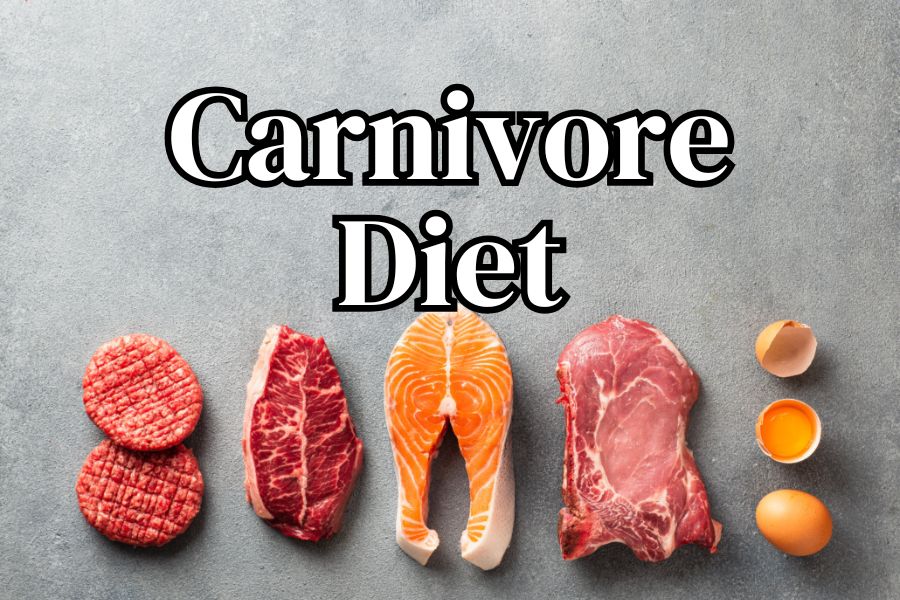
A carnivore diet can look deceptively simple. You eat only animal foods like meat, fish, eggs, and some dairy, and you cut out all plants and carbohydrates. For weight loss and blood sugar control, that can sound appealing. Before you load your cart with steaks, it is important to understand the real carnivore diet side effects as well as where potential gains might come from.
This guide walks you through what researchers and medical experts are actually seeing, so you can make an informed decision and have a smarter conversation with your doctor.
Understand what the carnivore diet is
On a classic carnivore diet, you only eat animal foods. That usually means:
- Beef and other red meat
- Poultry
- Fish and seafood
- Eggs
- Animal fats like tallow or butter
- Sometimes cheese and other low lactose dairy
You skip all plant foods, including fruits, vegetables, whole grains, beans, lentils, nuts, seeds, and anything with added sugar or starch. Several medical sources describe it as a highly restrictive eating pattern that excludes carbohydrates and plant foods almost entirely (Cleveland Clinic, Baylor Scott & White Health).
By cutting out carbs, your body shifts toward using fat and protein as primary fuel. In the short term, that shift can lower water weight and reduce appetite, which is part of why you might hear people report fast weight loss.
Potential short term gains you might see
You will find many personal stories online about how a carnivore diet fixed everything from joint pain to brain fog. Most of these claims have not been tested in controlled trials, but there are some patterns in survey data and expert observations.
Weight loss and appetite changes
If you struggle with constant snacking, you might notice that a carnivore diet naturally limits how often you want to eat. High protein and higher fat meals tend to be very filling. People often report that they:
- Feel full on fewer meals
- Snack less between meals
- See the scale move quickly in the first weeks
Cutting carbs also leads to a drop in stored glycogen and water. That can make your early weight loss look dramatic.
Possible improvements in blood sugar
When you remove bread, pasta, sweets, and even fruit, your overall carbohydrate intake plummets. For some people with insulin resistance or type 2 diabetes, that can mean more stable blood sugar in the short term. Several followers in a 2020 survey of 2,029 adults reported improvements in conditions such as diabetes and obesity while on a carnivore diet, though this was based on self report and not verified medical tests (Current Developments in Nutrition).
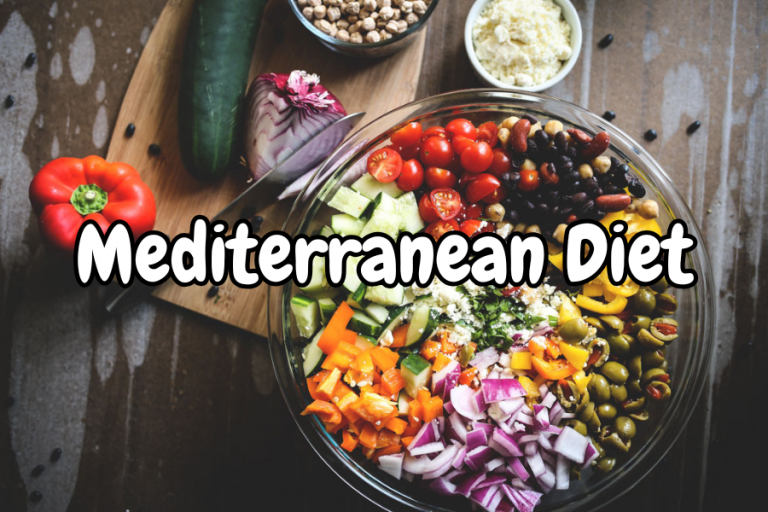
Experts still recommend more balanced, less extreme patterns such as the Mediterranean or DASH diets for heart and metabolic health because they are backed by stronger long term research (Baylor Scott & White Health).
Reduced bloating for some people
If your current diet is high in fermentable carbohydrates or certain fibers that bother your gut, you may notice less gas or bloating when you switch to only animal foods. Registered dietitians point out that this is usually a short term effect. Once the initial relief wears off, the complete lack of fiber often creates new digestive problems (Baylor Scott & White Health).
Short term carnivore diet side effects
Your body is used to a mix of carbs, fats, and fiber. When you remove all plant foods overnight, the adjustment can feel rough. Many people experience symptoms during the first days or weeks as their metabolism and gut adapt.
According to clinicians and carnivore followers, common short term side effects include:
- Constipation or diarrhea
- Nausea
- Strong cravings for carbs
- Muscle cramps
- Headaches
- Irritability and brain fog
- Bad breath
- Sleep changes or feeling wired at night (Carnivore Snax)
A 2020 survey of adults who had followed a carnivore diet for about 14 months found that 3.1 percent reported constipation, 5.5 percent reported new or worse diarrhea, 4.0 percent had muscle cramps, and smaller percentages reported hair loss, dry skin, or menstrual changes (Current Developments in Nutrition). Most participants said their symptoms improved or stayed stable over time, but it is worth remembering these were self selected, highly motivated followers rather than a random sample.
Why your digestion reacts so strongly
Your gut bacteria rely on plant fiber as their food source. Dietary fiber is fermented into short chain fatty acids, which help protect your gut lining, support immunity, and regulate inflammation (The Gut Health Doctor). When you suddenly remove all fiber:
- Your gut microbes lose their main fuel
- Microbial diversity can drop
- Stool bulk decreases, which can slow transit and trigger constipation
As one gut health expert notes, a prolonged lack of fiber can weaken the gut barrier and reduce microbiome diversity, which is tied to poorer digestion, mood regulation, and immune function (The Gut Health Doctor).
Long term risks you need to weigh
Short term discomfort is one thing. The bigger question is what happens if you stay on a carnivore diet for months or years. Because solid long term clinical trials are missing, experts look mainly at what we know about high meat diets and very low fiber intake in general.
Heart health and cholesterol concerns
Multiple medical organizations highlight heart related risks from eating large amounts of red and processed meat, especially when saturated fat and salt are high.
Key points from recent evaluations include:
- The British Heart Foundation notes that a diet high in red meat and dairy fat, like a carnivore diet, can raise non HDL cholesterol and that processed meats are usually high in salt, which can increase blood pressure and raise the risk of heart attack and stroke (British Heart Foundation).
- Analyses reviewed by the American College of Cardiology have linked higher red meat intake with increased risks of cardiovascular disease and all cause mortality (Medical News Today).
- Cardiologists at Baylor Scott & White warn that the heavy use of saturated fat and cholesterol on the carnivore diet can raise LDL cholesterol, promote plaque buildup in arteries, and increase long term heart disease risk (Baylor Scott & White Health).
Interestingly, in the 2020 survey of long term carnivore followers, LDL cholesterol was significantly elevated, with a median of 172 mg/dL, while HDL cholesterol and triglycerides looked favorable and the triglyceride to HDL ratio appeared low (Current Developments in Nutrition). That pattern led the authors to suggest a possibly lower cardiometabolic risk subtype, but they also stressed that the long term cardiovascular implications remain unknown.
In practical terms, if you already have high cholesterol, a family history of heart disease, or high blood pressure, you should treat an all meat diet as a high risk experiment and only consider it with close medical supervision.
Digestive and colon cancer risks
Plant foods provide the fiber that keeps your digestion moving and has been strongly linked with lower rates of heart and circulatory disease (British Heart Foundation). On a carnivore diet you remove this protective factor entirely.
Several concerns emerge:
- Chronic constipation becomes more likely as stool bulk decreases.
- The absence of fiber means you lose one of the key tools for lowering LDL cholesterol and managing blood sugar stability (Baylor Scott & White Health).
- High intake of red and processed meat, paired with no fiber, has been linked with a higher risk of colon and rectal cancer in population studies (Baylor Scott & White Health).
If you already deal with IBS, inflammatory bowel disease, or a family history of colon cancer, this trade off is especially important to consider before you adopt an all meat pattern.
Vitamin, mineral, and antioxidant gaps
Plant foods are your main source of certain vitamins, minerals, and antioxidants. When you remove them, you create significant gaps. According to Baylor Scott & White and the Cleveland Clinic, long term carnivore followers are at risk for deficiencies in:
- Vitamin C
- Vitamin A
- Some B vitamins
- Potassium and magnesium
- Dietary fiber and a wide range of antioxidants (Baylor Scott & White Health, Cleveland Clinic)
Nutrient dense organ meats, seafood, or supplements can cover some of these, but they do not replace the full spectrum of plant compounds tied to long term health and lower risks of conditions like heart disease, type 2 diabetes, and Alzheimer’s disease (Baylor Scott & White Health).
Stress on kidneys and liver
High animal protein intake increases the workload on your kidneys and liver. For healthy people, this might not cause immediate trouble. For anyone with reduced kidney function or a history of kidney stones, the risk is more serious.
Experts caution that consuming large amounts of animal protein on a carnivore diet can strain the kidneys and, in some cases, the liver, especially when pre existing issues are present (Baylor Scott & White Health).
If you have kidney disease, diabetes, hypertension, or a family history of these conditions, it is important to talk with your healthcare provider about protein limits before even testing a strict carnivore approach.
What limited research actually shows
Because interest in the carnivore diet surged only recently, controlled clinical trials are not yet available. Most of the data you see comes from surveys and observational research.
The largest survey to date looked at 2,029 adults who had followed a carnivore diet for a median of 14 months. Here is what stood out:
- 95 percent reported improved overall health.
- 69 percent said chronic conditions improved.
- Adverse symptoms possibly related to nutritional deficiency were self reported by less than 1 percent to 5.5 percent depending on the symptom.
- LDL cholesterol levels were high, but HDL cholesterol and triglycerides tended to be in favorable ranges.
- There was no clear signal that those who skipped supplements or organ meats had more side effects (Current Developments in Nutrition).
This survey has major limitations. There was no medical verification of reported benefits, no control group, and likely selection bias because people who quit early due to issues were less likely to respond. It does not prove the diet is safe or healthy across a broad population, but it does show that many motivated followers feel better in the short to medium term.
Medical organizations emphasize that research on long term carnivore diet effects is still scarce and that most claimed benefits are anecdotal (Cleveland Clinic, British Heart Foundation).
How to decide what makes sense for you
If you are curious about using a carnivore diet for weight loss or symptom relief, you do not have to think in terms of all or nothing. Instead, you can use what we know about its side effects and potential gains to shape a safer, more sustainable plan.
Questions to ask yourself and your doctor
Before you cut out all plant foods, it is worth going through a quick checklist with a healthcare professional, ideally one familiar with low carb diets:
- Do you have a history of heart disease, high cholesterol, high blood pressure, kidney disease, or colon cancer?
- Are you prepared to monitor labs, like a full lipid panel and kidney function, if you change your diet this drastically?
- Could you get similar benefits from a less restrictive pattern, such as a higher protein, lower sugar diet that still includes vegetables, fruits, and whole grains?
- If you do try carnivore, what are your clear time limits and what signs would tell you to stop immediately?
Most cardiology and nutrition experts currently recommend balanced, plant inclusive diets like Mediterranean or DASH over extreme elimination diets for long term heart and metabolic health (Baylor Scott & White Health, Cleveland Clinic).
If you still plan to experiment
Some people will still want to try a strict carnivore phase. If that is you, focusing on risk reduction is essential. Strategies discussed by clinicians and experienced followers include:
- Drinking plenty of water and using electrolytes to ease headaches, cramps, and fatigue in the early adaptation period (Carnivore Snax).
- Including a variety of meats, especially fatty fish and organ meats, to broaden your nutrient intake.
- Talking with your provider about targeted supplements for vitamin C, magnesium, or other nutrients that are hard to get from animal foods alone.
- Setting a defined trial period, for example 30 to 60 days, and scheduling lab work before and after to see how your body is responding.
If your digestion stalls, your blood pressure climbs, or your energy and mood worsen, those are signs that the trade offs are not working for you.
The bottom line
A carnivore diet can create short term gains like quick weight loss, fewer cravings, and possibly steadier blood sugar for some people. At the same time, you face real risks, especially with heart health, digestive function, nutrient intake, and long term disease prevention.
With so little long term research and so many unanswered questions, the safest path is to stay informed, involve your healthcare team, and favor dietary changes that improve your health without cutting entire food groups for the long haul. You deserve a way of eating that helps you feel better now and also protects your future health.
About the Author