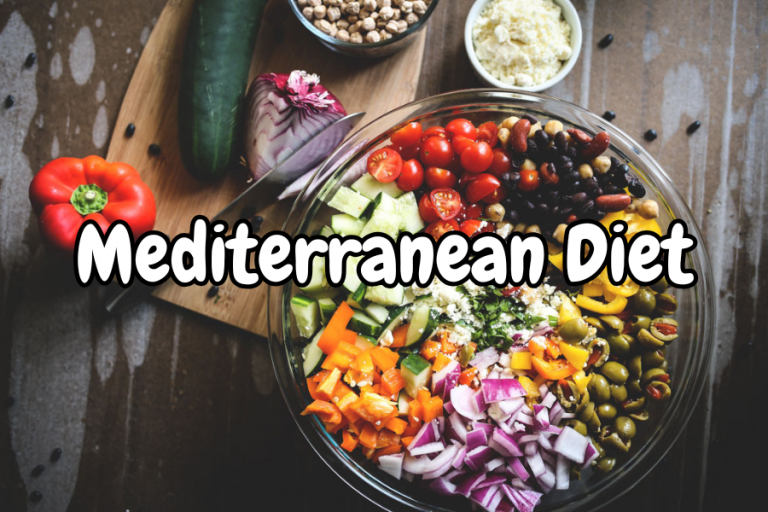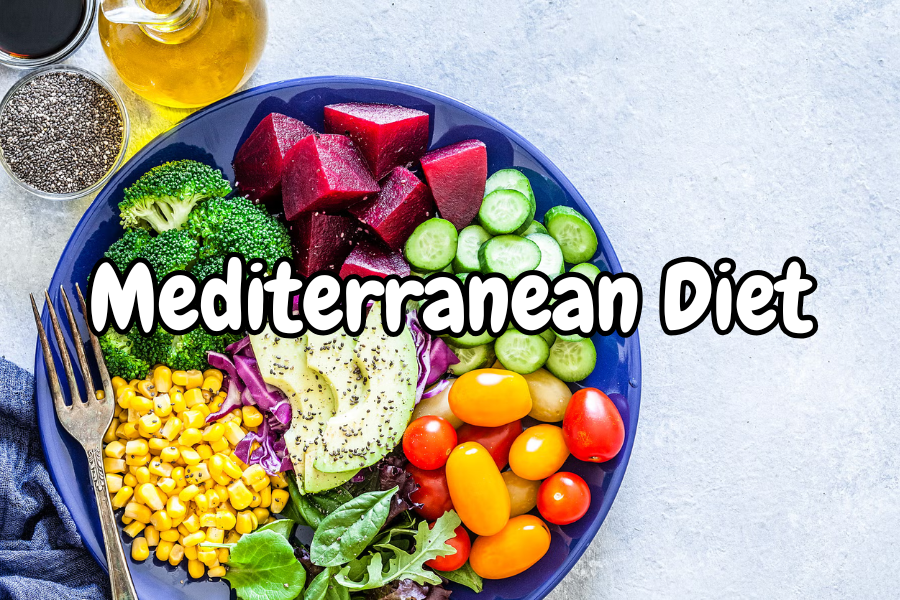
A Mediterranean diet for beginners is less about dieting and more about changing the way you eat and live. Instead of strict rules or calorie counting, you focus on simple, satisfying foods that naturally support weight loss and better health. If you like the idea of eating real food, enjoying meals, and still seeing results on the scale, this approach fits you well.
What the Mediterranean diet actually is
The Mediterranean diet is based on the traditional eating patterns of countries that border the Mediterranean Sea, such as Greece, Italy, Spain, and France. The focus is on whole, minimally processed foods, especially plants, along with healthy fats and lean protein (Healthline).
You eat plenty of:
- Vegetables and fruits
- Whole grains such as oats, brown rice, quinoa, and whole wheat
- Beans and lentils
- Nuts and seeds
- Olive oil, especially extra virgin
- Fish and seafood
- Moderate amounts of poultry, eggs, and fermented dairy like yogurt and cheese
You limit:
- Red and processed meat
- Refined grains and white bread
- Sugary snacks and drinks
- Highly processed foods high in unhealthy fats, sugar, and sodium (UC Davis Health)
Instead of counting every calorie, you eat these foods in reasonable portions and stop when you are comfortably full (Healthline).
Why it is so good for weight loss and health
You might be wondering how a way of eating that includes pasta, bread, and olive oil can help you lose weight. The secret is in the balance of nutrients and the quality of the foods you choose.
Research links the Mediterranean diet to:
- Lower risk of heart disease and coronary artery disease
- Better blood sugar control and lower risk of type 2 diabetes
- Reduced risk of certain cancers
- Lower rates of depression and frailty in older adults
- Improved brain function and fewer signs of Alzheimer’s disease changes in the brain (Cleveland Clinic, Harvard Health Publishing, EatingWell)
For weight loss, this style of eating helps you by:
-
Filling you up with fiber
Vegetables, fruits, beans, and whole grains are rich in fiber, which slows digestion, keeps you full longer, and can help prevent overeating. This makes it easier to naturally reduce your daily calorie intake without feeling deprived (UC Davis Health). -
Focusing on healthy fats
Extra virgin olive oil, nuts, seeds, and fatty fish provide unsaturated fats that support your heart and help control inflammation. These fats are more satisfying than low fat products, so you are less likely to snack mindlessly. EVOO in particular is rich in antioxidants and has a healthier fat profile than regular olive oil (Cleveland Clinic). -
Cutting back on empty calories
By limiting sugary, highly processed foods and refined grains, you avoid quick blood sugar spikes and crashes that can drive cravings and weight gain (UC Davis Health).
You are not required to track macros or obsess over numbers unless you are managing a specific condition like diabetes. Portion awareness and food quality matter more here than strict rules (Healthline).
Core foods to focus on as a beginner
When you are starting, it helps to know which foods you should reach for most often and which ones you should save for special occasions.
Your “eat most days” foods
Try to build most of your meals from:
- Colorful vegetables such as chard, broccoli, tomatoes, peppers, and leafy greens
- Fruits such as berries, grapes, oranges, apples, and melon
- Whole grains like oats, brown rice, whole wheat pasta, quinoa, and buckwheat
- Beans and lentils, including chickpeas, black beans, and lentils
- Nuts and seeds such as almonds, walnuts, sunflower seeds, and pumpkin seeds
- Healthy fats like extra virgin olive oil and avocado
- Fish and seafood, especially fatty fish like salmon and sardines
- Fermented dairy in moderate amounts, such as Greek yogurt and cheese
- Eggs in moderation, usually 2 to 4 servings per week (Healthline, EatingWell)
Foods to have less often
You do not have to ban these foods forever, but you benefit when you move them to the “once in a while” category:
- Red meat and processed meats like sausage and bacon
- Sweets, pastries, and sugary drinks
- Refined grains such as white bread and regular pasta
- Packaged snacks and fast food high in sugar, salt, and unhealthy fats (UC Davis Health)
Low to moderate red wine with meals is often included in traditional Mediterranean patterns, but it is always optional. If you choose to drink, do it in small servings and within your doctor’s guidance (Healthline).
How to start the Mediterranean diet step by step
You do not need to transform your kitchen in a weekend. In fact, small steady changes are more sustainable and are recommended by many health experts (Harvard Health Publishing, UC Davis Health).
Step 1: Switch your main cooking fat
Replace butter and other solid fats with extra virgin olive oil. Use EVOO:
- For sautéing vegetables on medium heat
- As a base for salad dressings with lemon juice or vinegar
- Drizzled over cooked fish, grains, or roasted vegetables
This single change improves your fat quality and boosts your intake of antioxidants and heart friendly fats (Cleveland Clinic).
Step 2: Make plants half your plate
At lunch and dinner, aim for half your plate to be vegetables or a mix of vegetables and fruit. The rest of your plate can be:
- One quarter whole grains
- One quarter lean protein like fish, beans, lentils, or poultry
This simple plate method keeps things flexible while nudging you toward more fiber and fewer empty calories.
Step 3: Trade refined grains for whole grains
Choose whole grain versions of the carbs you already enjoy:
- Swap white rice for brown rice or farro
- Replace regular pasta with whole wheat or legume based pasta
- Pick whole grain bread instead of white bread
Whole grains bring more fiber, vitamins, and minerals, and they keep you satisfied longer than refined options (Cleveland Clinic).
Step 4: Plan a few easy Mediterranean style meals
You do not need complicated recipes to eat this way. Start with 1 or 2 simple meals and repeat them during the week. Many beginner meal plans use this strategy to keep the ingredient list manageable (EatingWell).
For example:
- Breakfast: Greek yogurt with berries, a drizzle of honey, and a sprinkle of nuts
- Lunch: Salad with mixed greens, chickpeas, cucumbers, tomatoes, olives, and olive oil dressing
- Dinner: Baked salmon with roasted broccoli and a side of quinoa
Once these feel easy, you can add more variety.
Step 5: Move a little more and slow down at meals
The Mediterranean diet is also a lifestyle. It encourages regular physical activity, even something as simple as daily walking, and eating with others when possible (EatingWell, Harvard Health Publishing).
Try to:
- Take a short walk most days of the week
- Sit down for meals instead of eating at your desk or in the car
- Put your phone aside and focus on your food and company
Eating slowly and mindfully helps you notice when you are full, which supports weight loss without strict rules.
Common questions beginners have
Do you need to count calories?
You do not have to count calories or track macros on a Mediterranean diet unless your doctor or dietitian has recommended it for a specific condition, such as diabetes or blood sugar management (Healthline). Portion awareness is still important, especially if you are trying to lose weight, but you can often rely on internal cues like hunger and fullness when your diet is based on whole, fiber rich foods.
Can you follow it if you are vegetarian or gluten free?
Yes. This way of eating is flexible and adapts well to different needs. If you are vegetarian, you can rely more on beans, lentils, tofu, nuts, seeds, and eggs for protein. If you are gluten free, you can choose naturally gluten free grains such as brown rice, quinoa, and buckwheat, and replace breads and pastas with gluten free versions. Working with a dietitian can help you tailor the pattern to your needs (Cleveland Clinic).
Should you talk to a doctor before starting?
Before making significant diet changes, especially if you have health conditions or take regular medication, it is wise to check in with your primary care physician or a registered dietitian. They can help you personalize the Mediterranean diet to your medical history, preferences, and calorie needs, and help you build a meal plan that does not become repetitive (Cleveland Clinic).
A simple sample day for beginners
Use this as inspiration, not a rigid plan. Adjust portions to your hunger level and your doctor’s guidance.
Focus on whole, satisfying foods at each meal, and let your appetite, not the clock, tell you when you have had enough.
Breakfast
Greek yogurt topped with strawberries, a small handful of walnuts, and a drizzle of honey. One slice of whole grain toast with avocado.
Lunch
Large salad with mixed greens, cherry tomatoes, cucumber, red onion, olives, and canned tuna in olive oil. Dress with EVOO and lemon juice. A piece of fruit on the side.
Snack
A small handful of unsalted almonds and an orange.
Dinner
Grilled chicken or tofu with roasted vegetables such as zucchini, bell peppers, and eggplant, tossed in olive oil and herbs. A side of brown rice or whole wheat couscous.
Optional treat
A small square of dark chocolate or a few grapes after dinner.
Turning this into a sustainable lifestyle
The Mediterranean diet for beginners is not about perfection. You do not lose progress because you have dessert at a birthday party or order takeout on a busy night. What matters is the pattern you follow most days.
To keep it sustainable:
- Make one or two changes at a time and build from there (Harvard Health Publishing, UC Davis Health)
- Repeat simple, tasty meals during the week so you are not constantly overwhelmed by planning
- Cook at home when you can, and invite family or friends to share meals
- Aim for regular movement, even if it is just walking
If you start by choosing extra virgin olive oil, adding one more serving of vegetables each day, and swapping refined grains for whole grains, you are already moving along a delicious path toward weight loss and better health.
About the Author