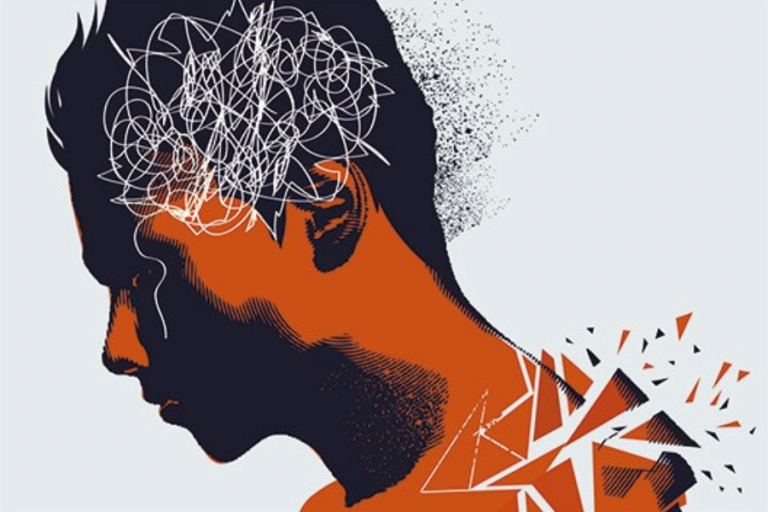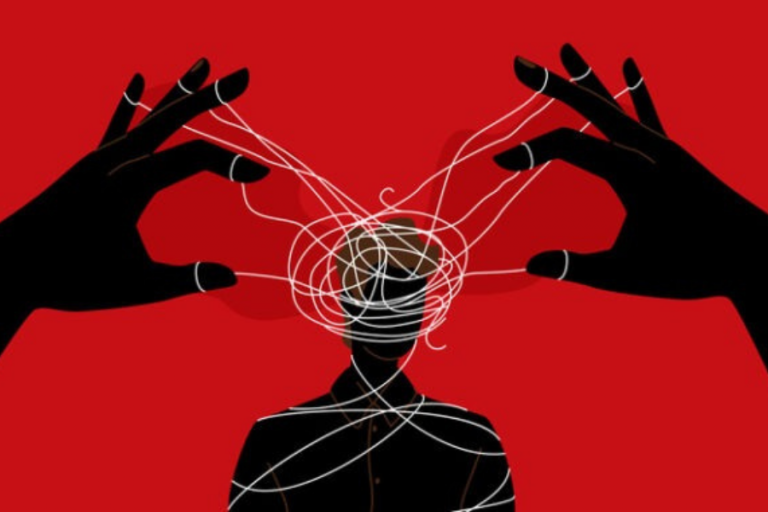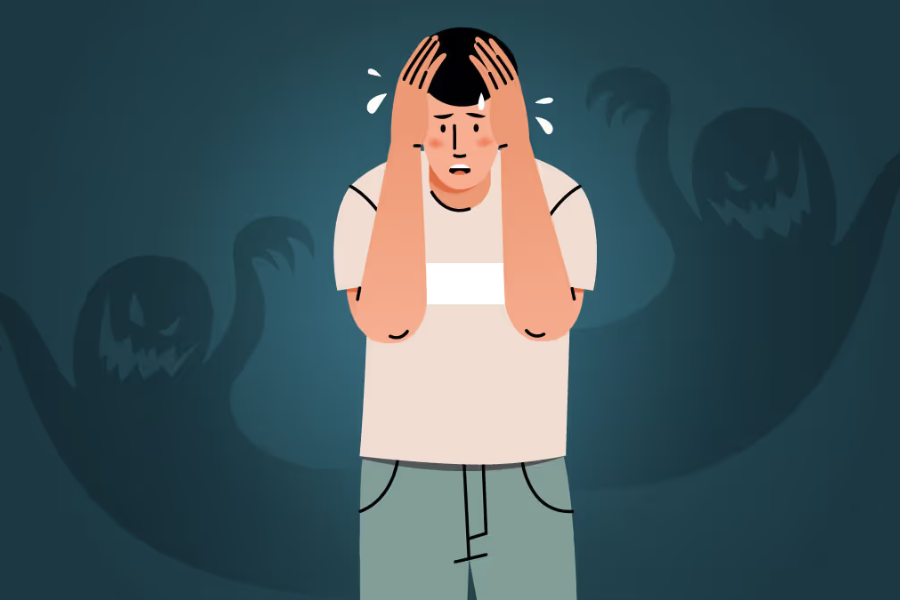
Divorce does not just end a relationship. It can shake your identity, your routines, and your sense of stability. Mental health after divorce for men is a serious concern, and the emotional stress of separation can feel like it will never let up.
You are not weak or broken for struggling right now. You are reacting to one of the most stressful life events you can go through, and there are practical ways to support your mind and body as you move forward.
Understand why divorce hits men so hard
You might notice that your reaction feels more intense or more confusing than you expected. That is common. Research has found that men are more likely than other genders to experience major depressive disorder for the first time after a divorce, and they face higher risks of anxiety, substance use, and even suicide compared with married men and divorced women.
Several factors tend to stack up at once:
- Social expectations often tell you to “be strong” and not show emotion.
- You may suddenly lose daily contact with your children.
- Your living situation, finances, and routines might change overnight.
- Friends and family sometimes “take sides,” which can shrink your support circle.
A 2003 study found that divorced men have a suicide rate nine times higher than divorced women, and more than twice that of married men. That does not mean you are doomed to follow that path. It does highlight why taking your emotional health seriously is not optional. It is essential.
Recognize the emotional stages you might go through
You may not experience your feelings in a neat order, but there are common emotional stages that many men report after separation. Understanding them can make you feel less confused and more prepared.
At first, you might feel relief or numbness, simply because a high-conflict situation has ended. That often gives way to waves of sadness, anger, guilt, or fear. You might find yourself replaying past arguments, questioning your decisions, or blaming yourself for the end of the marriage.
If you push these emotions down, they do not disappear. Modern Family Law notes that many men skip the mourning period and bottle up their feelings, which can lead to long-term anxiety and depression. When anger, frustration, and resentment stay inside too long, they can build up until they explode in sudden outbursts or self-destructive behavior.
Instead of judging what you feel, try to name it. “I feel ashamed.” “I feel rejected.” “I feel scared about money.” Putting words to your emotions is not a sign of weakness. It is the first step toward processing them in a healthier way.
You are allowed to grieve the life you thought you would have, even if you were the one who asked for the divorce.
Notice the mental and physical warning signs
Because of social stigma around men and emotions, you might be more likely to notice physical symptoms than to admit that you feel depressed or anxious. Divorce can affect your sleep, appetite, and overall health more than you expect.
Common warning signs include:
- Trouble sleeping or waking up throughout the night
- Big weight changes from overeating or not eating enough
- Headaches, muscle tension, or stomach issues that do not have a clear cause
- Feeling constantly tired, even after resting
- Drinking more, using drugs, or zoning out with work or screens to avoid your feelings
Modern Family Law notes that men after divorce are at higher risk for serious health problems such as high blood pressure, heart disease, and stroke. Self-medicating with alcohol or drugs might feel like short-term relief, but it increases those risks and usually worsens your mood.
If you notice these patterns, treat them as early warning lights on your dashboard. You would not ignore an engine light forever. Your mind and body deserve the same attention.
Understand how identity and parenting changes affect you
Divorce does not just alter your relationship status. It can throw your sense of who you are into question.
If you identified strongly as a husband and family man, losing that role can feel like losing a part of yourself. Modern Family Law reports that many men experience an identity crisis after divorce because they no longer see themselves as part of a partnership and they do not engage in new social activities as quickly as women tend to do.
Parenting can become another deep source of pain. Reduced custody or weekend-only visitation may leave you feeling like a “part-time dad” even if you love your children fiercely. You might worry about missing milestones, question your worth as a father, or fear that your kids will drift away.
Those feelings are understandable. They are also a reason to be very intentional about how you stay involved. Consistent contact, showing up when you say you will, and creating small traditions with your children can help both you and them adjust to the new reality.
You do not have to accept the idea that you are “less of a father” because you no longer live in the same home. Your role has changed, but your value to your kids has not.
Watch for signs of depression after divorce
Depression after divorce is not just “being sad.” It is a medical condition that deserves care, especially for men.
A Canadian study using the National Population Health Survey data found that divorced or separated men aged 20 to 64 were six times more likely to report an episode of depression compared with men who remained married as of April 2024. The risk is highest in the first two years after separation, and most men are no longer depressed by around four years after the breakup. That means what you are feeling now is not likely to last forever, but it does need your attention.
You might be dealing with divorce-related depression if you notice:
- Persistent sadness, emptiness, or hopelessness for weeks at a time
- Loss of interest in activities you used to enjoy
- Difficulty concentrating or making decisions
- Feeling worthless or like a burden to others
- Thoughts that life is not worth living
Contested divorce is considered the second most stressful life event after the death of a spouse on the Holmes-Rahe scale. Symptoms can even look like post-traumatic stress, especially if your breakup involved high conflict, court battles, or sudden changes in your daily life.
If you notice these signs, reach out for help as soon as you can. Talk to a trusted family member, a close friend, a support group, or a mental health professional. You do not need to decide alone whether what you are feeling counts as depression. Let a professional help you sort it out.
Avoid coping habits that make things worse
When you are in pain, you will naturally look for anything that offers relief. Some strategies may feel good in the moment but quietly make your recovery much harder.
Unhelpful coping habits often include:
- Binge drinking or regular heavy drinking
- Using drugs to relax or escape
- Numbing out with casual sex instead of processing your emotions
- Throwing yourself into work to avoid being alone with your thoughts
These behaviors can interfere with sleep, worsen anxiety and depression, and damage your relationships and career over time. They also block you from doing the deeper work of grief, healing, and growth.
Modern Family Law notes that men who suppress intense emotions because of stigma risk sudden emotional outbursts. That can harm your connections with your children, co-parent, or new partners, and it can also make you feel ashamed afterward.
You deserve coping strategies that help you feel better now and set you up for a healthier future.
Build healthier routines that support your mind
You cannot control everything about your separation, but you can shape your daily environment to help your mental health stabilize.
Focus on simple, realistic habits instead of a complete life overhaul. For example:
- Move your body most days, even if it is just a 20-minute walk. Exercise supports your mood, sleep, and stress levels.
- Set a consistent bedtime and wake time. A predictable sleep schedule steadies your emotions.
- Keep regular meals with basic, nourishing food. Stable blood sugar helps with focus and mood.
- Limit alcohol, especially when you feel low or angry.
- Spend a few minutes each day on something you enjoy, such as music, reading, or a hobby you used to love.
Engaging in mindfulness techniques can gently retrain your mind. Simple practices like guided breathing, body scans, or short meditations can help you notice your thoughts without getting completely swept away by them.
Some men find it useful to organize their living space and tackle small household projects. Cleaning, decluttering, or setting up a new room can give you a sense of control and progress when so much else feels uncertain.
Reach out instead of isolating
After divorce, many men end up more isolated than they realize. Studies suggest that men are about twice as likely as women to have no one they can turn to for emotional support. That loneliness can deepen depression, anxiety, and the sense that no one understands what you are going through.
It might feel easier to pull back and avoid people, especially if you are tired of explaining the situation. The problem is that silence tends to make everything feel heavier.
Consider taking small, concrete steps to stay connected:
- Reply to one text instead of ignoring all of them.
- Say yes to coffee or a walk with a trusted friend.
- Tell at least one person, “I am having a hard time right now,” even if you do not share details.
Men’s divorce support groups can be especially powerful. They offer an immediate community of people who understand what post-divorce life feels like for men specifically. These groups can help normalize your emotions, provide accountability for healthier habits, and give you a safe place to talk about guilt, shame, anger, or fear without judgment.
Silence and isolation are risk factors for serious mental health issues. Community is one of the best antidotes you have.
Consider professional and online therapy
Stigma and gender expectations often make men reluctant to seek professional help. You might think you should be able to “power through” on your own or that therapy means you are not strong enough.
In reality, reaching out is a sign of courage and responsibility, especially if you have children who depend on you. A therapist can help you:
- Untangle complex emotions like guilt, resentment, or grief
- Develop healthier coping strategies for stress and conflict
- Process changes in your role as a partner and parent
- Set boundaries with your ex to reduce ongoing conflict
Online therapy can be a particularly good fit if you value privacy or have a busy schedule. It offers a discreet, flexible way to talk to a professional without commuting or sitting in a waiting room. Many men prefer this format because it feels more approachable and easier to fit into their routine.
If your symptoms worsen, if you have thoughts of self-harm, or if you are using substances more heavily, treat that as a clear signal to get help now. You do not have to wait until things reach a crisis point.
Give yourself time to heal and rebuild
Healing from divorce is not a straight line. Some days you may feel almost normal, and then a song, a memory, or a schedule change with your kids can bring a wave of sadness or anger back.
That does not mean you are failing. It means you are human.
Try to:
- Allow yourself to grieve at your own pace, without comparing your timeline to anyone else’s.
- Avoid rushing into a new relationship just to fill the emptiness. That often carries unresolved pain into the next partnership.
- Give yourself permission to imagine a different future, not just replay the past.
- Choose one small step each week that supports your long-term well-being, whether it is starting a new hobby, connecting with a group, or scheduling a therapy session.
Over time, as you process your emotions, maintain your health, and build supportive connections, the sharp edges of this experience will soften. The statistics on mental health after divorce for men are serious, but they describe risk, not destiny. Your choices now can bend your story in a different direction.
You are not alone in this, even if it feels that way. With patience, support, and steady small actions, you can move through the emotional stress of separation and into a life that feels meaningful again.
About the Author