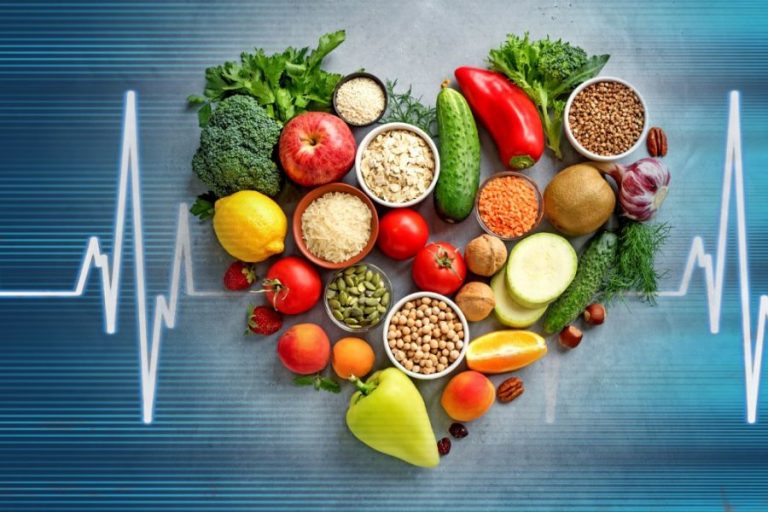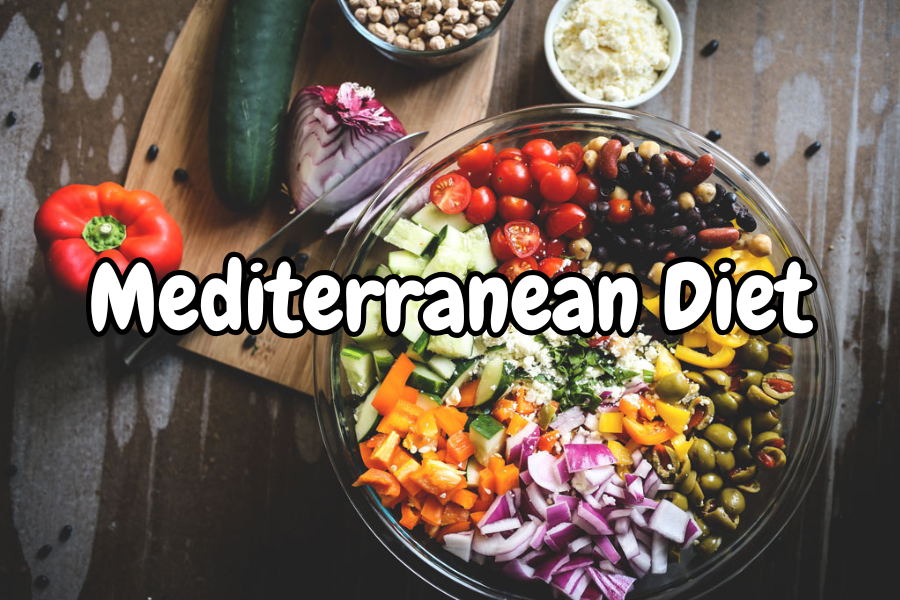
A Mediterranean diet meal plan can be one of the easiest ways to eat better, lose weight gently, and support your heart and brain at the same time. Instead of strict rules or calorie counting, you focus on whole, satisfying foods like vegetables, fruits, whole grains, beans, fish, and extra virgin olive oil as your main source of fat (Cleveland Clinic).
Below you will find what the Mediterranean diet actually looks like day to day, how it supports weight loss and long term health, and simple meal ideas you can start using this week.
Understand what the Mediterranean diet really is
The Mediterranean diet is less of a temporary diet and more of a long term way of eating. It is based on traditional foods from countries that border the Mediterranean Sea and it has been studied for decades.
You center your meals on plants, healthy fats, and lean proteins, especially fish. Extra virgin olive oil is a key ingredient because it has a healthy fat ratio and is rich in antioxidants that help protect your heart and brain and reduce inflammation (Cleveland Clinic).
Core principles to keep in mind
Instead of memorizing a long set of rules, you can use these simple ideas when you build your plate:
- Make vegetables and fruits the biggest part of most meals
- Choose whole grains such as oats, quinoa, brown rice, and whole wheat bread
- Eat beans, lentils, and chickpeas often for fiber and protein
- Use extra virgin olive oil instead of butter and creamy sauces
- Include fish and seafood regularly, with smaller amounts of poultry, eggs, and fermented dairy
- Limit red meat, sweets, and highly processed foods to once in a while treats
This pattern provides a mix of vitamins, minerals, fiber, and healthy fats that work together to lower your risk of cardiovascular disease and other chronic conditions (Cleveland Clinic, UC Davis Health).
See how a Mediterranean diet supports weight loss
You can use a Mediterranean diet meal plan to support gradual, realistic weight loss without feeling deprived. Instead of focusing only on calories, the plan emphasizes foods that keep you full and stabilize your energy.
High fiber vegetables, fruits, whole grains, and legumes help you stay satisfied between meals. Healthy fats from olive oil and nuts slow digestion and reduce blood sugar spikes. This combination makes it easier to naturally eat less without constant hunger.
Research shows that this eating pattern can help with weight management and at the same time reduce your risk of heart disease and type 2 diabetes (UC Davis Health). Many people also notice benefits like improved digestion and better energy levels during the day.
If you typically eat a lot of refined carbs, sugary snacks, and processed foods that are high in unhealthy fats and sodium, cutting back on those while shifting to Mediterranean style meals can lead to steady progress over time (UC Davis Health).
Know which foods to eat more often
When you follow a Mediterranean diet meal plan, you are choosing categories of foods more often, rather than obsessing over single ingredients.
Here is a simple way to think about it:
Fill about half your plate with vegetables and fruits, one quarter with whole grains, and one quarter with lean protein, then add a drizzle of healthy fat like extra virgin olive oil. This plate ratio is a practical way to apply Mediterranean principles at any meal (EatingWell).
Everyday Mediterranean friendly foods
You can rotate foods from these groups throughout the week so your meals stay interesting:
- Vegetables: leafy greens, tomatoes, cucumbers, bell peppers, zucchini, broccoli
- Fruits: berries, apples, oranges, grapes, pears, figs
- Whole grains: oats, quinoa, barley, bulgur, brown rice, whole wheat bread or pasta
- Legumes: lentils, chickpeas, black beans, white beans
- Healthy fats: extra virgin olive oil, nuts, seeds, avocado
- Protein: fish, seafood, skinless chicken or turkey, eggs, fermented yogurt, small amounts of cheese
Canned or frozen produce and fish can fit well in your plan as long as you avoid added sugars and heavy sodium when possible (EatingWell).
Notice which foods to limit
The Mediterranean diet does not completely ban any food, but some items move into the “less often” category because they are linked with a higher risk of heart disease, type 2 diabetes, and weight gain when eaten often (UC Davis Health).
You try to keep these foods as occasional treats rather than everyday staples:
- Red meat and processed meats such as bacon or sausage
- Refined grains like white bread, regular pasta, and many baked goods
- Foods high in added sugar such as candy, pastries, and sugar sweetened drinks
- Ultra processed snacks that combine unhealthy fats, sugar, and excess sodium
Replacing butter with extra virgin olive oil, choosing nuts over chips, and saving sweets for special occasions are small changes that can add up quickly for both health and weight goals (EatingWell).
Build a simple 7 day Mediterranean diet meal plan
You do not need complicated recipes to follow a Mediterranean diet meal plan. In fact, many successful starter plans repeat breakfast and lunch, lean on leftovers, and use recipes with short ingredient lists and straightforward steps (EatingWell).
Here is a sample structure you can adapt to your tastes and calorie needs:
Breakfast ideas
Pick one or two options and rotate them through the week. Eating the same healthy breakfast most days can simplify your routine.
- Oatmeal cooked with water or milk, topped with berries, chopped nuts, and a drizzle of olive oil or nut butter
- Plain yogurt with sliced fruit, a sprinkle of granola, and seeds such as chia or flax
- Whole wheat toast with mashed avocado and a boiled egg on the side
These combinations provide a balance of protein, fiber, and healthy fats so you feel full for longer.
Lunch ideas
Aim for lunches you can prep ahead and easily pack or assemble.
- Big salad with mixed greens, cherry tomatoes, cucumbers, olives, a handful of beans, and grilled chicken or canned tuna, dressed with extra virgin olive oil and lemon juice
- Whole grain bowl with quinoa, roasted vegetables, chickpeas, and a spoonful of hummus
- Leftover grilled fish or chicken served over brown rice with sautéed spinach
Repeating one or two favorite lunches during the week saves time and still fits the Mediterranean pattern (EatingWell).
Dinner ideas
Dinner is where you can enjoy a bit more variety and still keep things simple.
- Baked salmon with a side of roasted potatoes and a large mixed vegetable tray
- Whole wheat pasta tossed with olive oil, garlic, cherry tomatoes, spinach, and a sprinkle of Parmesan
- One pot dish with lentils, tomatoes, onions, herbs, and a side of whole grain bread
- Sheet pan chicken with peppers, onions, and zucchini, drizzled with olive oil and herbs before roasting
Using leftovers for the next day’s lunch is an easy way to stay on track while reducing kitchen time.
Snack ideas
Snacks can actually support your Mediterranean diet meal plan by preventing you from getting overly hungry between meals. You can keep them simple and nutrient dense.
- Fresh fruit such as an apple, pear, or a handful of grapes
- A small handful of nuts
- Raw vegetables with hummus
- Cottage cheese or yogurt with sliced cucumber and herbs
Healthy snack options like hummus with baby carrots, low fat cottage cheese with cucumbers and spices, or whole wheat toast with labneh or avocado and smoked salmon all fit well into this style of eating (The Mediterranean Dish).
Stock a Mediterranean friendly kitchen
If your pantry and fridge are set up for success, it becomes much easier to follow your meal plan. You do not need specialty items. Many Mediterranean staples are budget friendly and easy to find (The Mediterranean Dish, EatingWell).
Focus on these basics:
- Fresh or frozen vegetables and leafy greens
- A mix of fresh, frozen, or no sugar added canned fruits
- Whole grains such as quinoa, bulgur, oats, and brown rice
- Canned beans and lentils for quick protein
- Canned or frozen fish like salmon and tuna
- Extra virgin olive oil as your main cooking and dressing fat
- Nuts, seeds, herbs, and spices to add flavor without heavy sauces
Once you have these on hand, you can assemble many meals without needing detailed recipes.
Start gradually and keep it sustainable
You do not have to switch everything at once. In fact, making small, realistic changes and building from there is often more successful. Starting a Mediterranean diet gradually, by adding one or two new habits at a time, can lead to significant health improvements and can serve as an easy gateway to a healthier lifestyle overall (UC Davis Health).
You might begin by:
- Adding one extra serving of vegetables each day
- Swapping butter for extra virgin olive oil when cooking
- Choosing whole grain bread instead of white
- Planning two fish based dinners this week
Over time, these changes become your new normal. The Mediterranean diet is meant to be flexible, enjoyable, and tailored to your preferences. It does not depend on perfection. If a meal or a day is less than ideal, you simply return to your usual pattern at the next opportunity.
If you would like more structure, you can follow a 7 day Mediterranean diet meal plan similar to one created by a registered dietitian, which uses simple recipes, leftovers, and balanced nutrients each day to support both heart and brain health (EatingWell).
Try choosing one breakfast, one lunch, and one dinner idea from this guide to build your own day of Mediterranean eating. Once that feels comfortable, expand to a full week. Over time, your plate, your habits, and your health can all shift in a positive direction.
About the Author