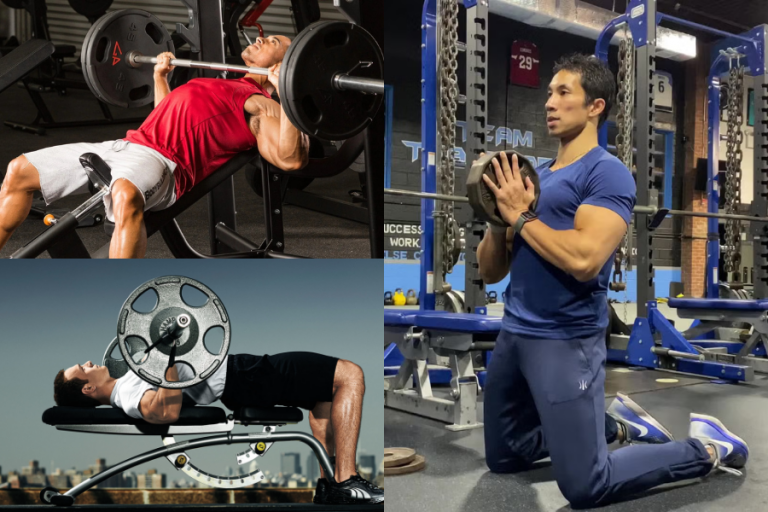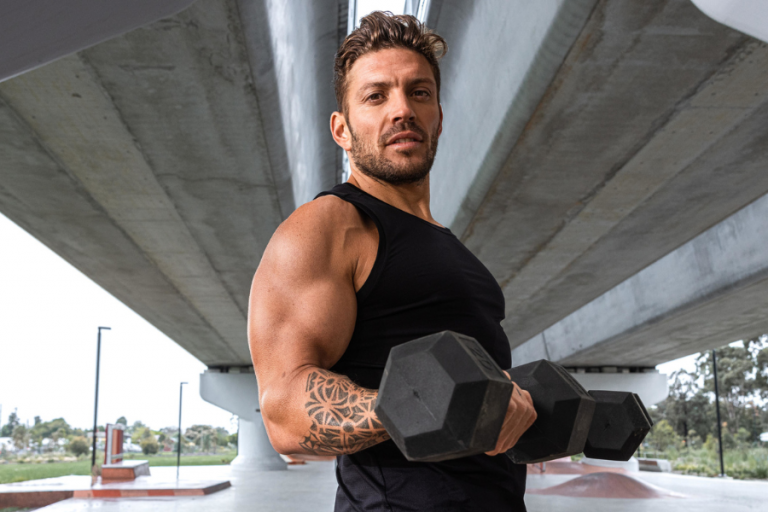
A pair of strong, broad shoulders changes your entire frame. If you want a bigger upper body, focusing on the best shoulder exercises for mass is one of the fastest ways to look and feel stronger.
Below, you will learn exactly which movements build size, how to program them, and how to put everything into a simple shoulder workout you can start using this week.
Understand your shoulder muscles
Before you load up the bar, it helps to know what you are trying to grow. Your shoulders are more than just the round caps you see in the mirror. They include several muscle groups that all need attention for size and long term joint health.
The key players are:
- Deltoids, with three heads:
- Anterior (front) delts, help with pressing and lifting your arm forward
- Lateral (side) delts, add width and create the capped look
- Posterior (rear) delts, support posture and pulling movements
- Rotator cuff muscles, stabilize the shoulder joint
- Trapezius and rhomboids, support the shoulder blades and upper back
When your goal is mass, you want exercises that hit all three delt heads, plus supporting muscles, from different angles. This builds balanced size and lowers your risk of shoulder pain or injury over time.
Why compound lifts come first
For shoulder mass, compound exercises should form the base of your workout. These are multi joint movements that let you move heavy weight and recruit several muscle groups at once.
The overhead shoulder press is one of the best shoulder exercises for mass because it primarily targets your anterior delts while also working the medial and lateral delts, traps, triceps, and upper chest. You can perform it with a barbell or dumbbells to build size and strength through the entire shoulder girdle.
Other highly effective compound lifts include:
- Upright rows, which focus on the lateral delts and traps while also involving the front delts and biceps
- Landmine presses, a diagonal pressing variation that targets the anterior and lateral delts with less strain on your shoulder joints
You will get the most from these movements when you do them early in your workout while you are fresh, then follow up with isolation work to finish off specific muscle heads.
Key compound shoulder exercises
Overhead shoulder press
If you only chose one shoulder exercise for mass, the overhead press would be a strong candidate. It is a classic strength move that loads your front and middle delts heavily.
You can use a barbell for maximum load or dumbbells for more freedom of movement. Research and coaching experience suggest that dumbbell military presses can create greater shoulder activation than the barbell version, even if you use slightly lighter weight. Sets of about 6 to 10 reps work well when you focus on controlled movement and strong core bracing to protect your lower back.
Push press
The push press looks like a more explosive overhead press, and it can be a powerful tool when you want to move heavier weight and stimulate mass and strength together. You use a small dip of your knees and hips to help drive the bar overhead, which lets you lift more than you could with a strict press.
Because it engages your legs, core, deltoids, triceps, and upper chest, the push press is a favorite for building athletic strength and power in many strength programs as of 2024. Treat it like a heavy compound lift, focus on sets of lower to moderate reps, and keep your technique tight so the movement stays controlled rather than sloppy.
Upright row
The upright row is a pulling exercise that targets your lateral delts and traps, while also working your front delts and biceps. This makes it useful for adding thickness and width across the top of your frame.
Use a shoulder width or slightly wider grip and pull the bar or cable handle up toward your lower chest, leading with your elbows. Keep the movement smooth and stop before your shoulders feel pinched. Moderate weight and 8 to 12 controlled reps per set work well for hypertrophy.
Landmine press
If straight overhead pressing bothers your shoulders or you have limited mobility, the landmine press is a smart alternative. In this variation, you press a barbell that is anchored at one end, which creates a diagonal pressing path that is easier on your joints.
The landmine press still targets the anterior and lateral delts and can be loaded progressively to build mass. You can perform it standing, half kneeling, or in a split stance. Aim for sets of 8 to 12 reps, focusing on driving the bar up and slightly forward along its natural arc.
Essential isolation exercises for size
Once your heavy compound work is complete, you can move to isolation exercises. These focus on one main muscle group at a time and allow you to direct more tension to the areas that visually add the most shape and width to your shoulders.
Lateral raises for width
Lateral raises are one of the most important isolation exercises for building wider shoulders. They target the lateral delts, which are the muscles that give you that capped, V shaped look from the front and back.
Common tips for effective lateral raises include:
- Lead with your elbows rather than your hands to keep the focus on the side delts
- Do not swing the weight, keep the motion controlled
- Avoid dropping your arms all the way down between reps, stopping around 30 degrees from your sides to keep tension on the muscle
For mass, use a weight that challenges you for at least 8 to 12 reps, and often higher, like 15 to 20 reps, with good form. As you get stronger, progressive overload is key. Increase weight only when you can complete your target rep range under control, ideally pushing close to muscle fatigue within 3 to 5 reps of failure.
Among many tested shoulder movements, a behind the body cable lateral raise has been identified in recent analysis as one of the best options for activating and fully stretching the side delts. It is harder when the muscle is stretched, not just at the top of the lift, which can be especially effective for hypertrophy according to a 2024 article on BuiltWithScience.com.
Rear delt fly and row
Your rear delts often lag behind your front and side delts, which can leave your shoulders looking unbalanced and increase the risk of shoulder issues. Rear delt flies and rear delt rows are valuable for both size and joint health.
The rear delt row is particularly effective, since it activates the rear delts and also stimulates the middle delts more than many pressing or lateral raise variations. Perform it with dumbbells, cables, or a barbell while bent over with a neutral spine, and pull your elbows out and back.
Rear delt flies, whether with dumbbells or on a reverse pec deck machine, keep the focus on that posterior head. Use moderate weight and sets of 10 to 15 reps with slow, controlled movement so you feel the rear delts doing the work instead of your upper traps.
Front raises
Front raises target the anterior delts, which already work hard in pressing exercises. If your front delts are dominant, you may not need a lot of extra work here. However, if you want more overall shoulder mass and symmetry, front raises can help.
Use dumbbells, a plate, or a cable to raise your arms in front of you to about shoulder height. One or two sets of 10 to 15 reps after your main pressing work is usually enough, especially when your goal is balanced growth rather than overemphasizing the front of the shoulder.
For visual impact, most of your extra volume should go to the lateral and rear delts, while front delts get hit hard by pressing and only a smaller dose of isolation work.
Ideal sets, reps, and weekly volume
For muscle growth, you want to live primarily in the hypertrophy rep range, which is typically 8 to 12 reps with about 70 to 80 percent of your one rep max. That load is heavy enough to challenge you, but light enough to keep good form and accumulate enough volume.
Some key programming guidelines:
- Total weekly shoulder volume: about 9 to 15 working sets per week for delts is a useful target for many lifters
- Frequency: training shoulders directly 1 to 2 times per week usually works well
- Order of exercises: start with heavy compound presses and rows, then add isolation moves like lateral raises and rear delt work
- Intensity: push your sets close to muscle failure, especially on isolation lifts, while still maintaining control on each rep
If you want to grow wider shoulders quickly, focus a solid portion of your weekly volume on the side delts. In one practical example from the Built With Science article, training the side delts twice per week for about 8 sets total was enough to create noticeable width gains, as long as the sets were challenging and close to failure.
Sample shoulder workout for mass
Here is a simple routine that puts all of this together. You can run it once or twice per week, with at least 48 hours between sessions that emphasize shoulders.
- Overhead dumbbell or barbell press
- 3 sets of 6 to 8 reps
- Push press or upright row
- 3 sets of 6 to 10 reps
- Lateral raises (dumbbell or cable)
- 3 sets of 12 to 15 reps
- Rear delt row or rear delt fly
- 3 sets of 10 to 15 reps
- Optional: Front raises
- 2 sets of 10 to 12 reps
Rest 60 to 90 seconds between isolation sets and 2 to 3 minutes between heavier compound sets. When you can perform the top end of the rep range with solid form on all sets, increase the weight slightly the next time you repeat the workout.
Warm up, recovery, and nutrition
Your shoulders are one of the most mobile and complex joints in your body, so a good warm up is not optional. Spend 5 to 10 minutes on:
- Light cardio to increase overall blood flow
- Dynamic shoulder drills such as banded external rotations, face pulls, and arm circles
These movements prepare your rotator cuff and upper back so heavy pressing feels smoother and safer.
After your workout, gentle stretches and light band work can help circulation and recovery. Equally important is what you do outside the gym. Getting enough sleep, managing stress, and staying on top of your protein intake all support muscle growth.
If you want to maximize size, you will also need a slight calorie surplus. A meta analysis referenced in the Built With Science article highlighted better muscle gains in lifters who ate in a surplus compared to those who did not. In practice, that means eating a bit more than maintenance consistently, not just on training days, so your body has the resources to build new muscle tissue.
Putting it all together
To grow big, sculpted shoulders, you need a clear plan rather than random exercises. Focus on:
- Heavy compound lifts like overhead presses, push presses, upright rows, and landmine presses
- High quality isolation moves such as lateral raises, rear delt rows or flies, and front raises if needed
- Progressive overload in the 8 to 12 rep hypertrophy range with occasional higher rep sets for lateral and rear delt work
- Enough weekly volume for all three delt heads, with extra attention on the lateral delts for width
Start with one change you can commit to right away. That might be adding dedicated lateral raises at the end of your upper body days or replacing a machine press with a free weight overhead press. As you build consistency with these best shoulder exercises for mass, your strength and shoulder size will follow.
About the Author