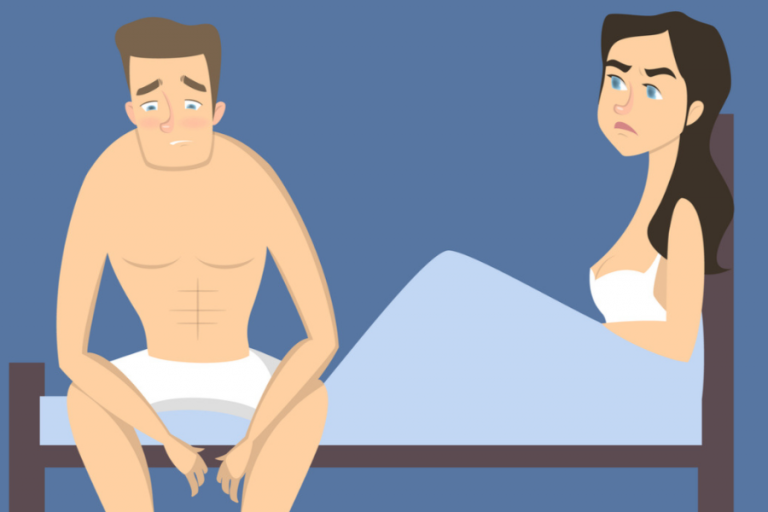
A lot of men quietly wonder, can erectile dysfunction go away on its own, or is it something you are stuck with forever? The honest answer is, it depends on what is causing your erectile problems in the first place. Some types of ED can improve or even resolve without medication, while others usually need treatment and lifestyle changes.
In this guide, you will learn when ED might go away on its own, when it usually will not, and what you can do right now to improve your odds of recovery.
What erectile dysfunction actually is
Erectile dysfunction (ED) means you regularly have trouble getting or keeping an erection firm enough for sex. It is not about a single bad night or a one-off issue after a stressful day.
According to the Cleveland Clinic, ED can result from blood vessel problems, nerve issues, mental health conditions, injuries, medications, or substance use, among other causes (Cleveland Clinic). In other words, it is a symptom, not a standalone disease.
You might be dealing with ED if you notice ongoing patterns such as:
- Trouble getting an erection most of the time
- Losing your erection during sex
- Erections that are less firm than they used to be
- Stress, anxiety, or low confidence around sexual performance
Occasional difficulty is extremely common and usually not a reason to panic. Mayo Clinic experts note that having erection trouble from time to time is normal and does not automatically mean you have ED that needs treatment (Mayo Clinic).
The key idea is consistency. If erection problems are ongoing or getting worse over several months, that is when you should take it seriously.
When erectile dysfunction can go away on its own
Some types of ED are temporary. In these cases, your erections may improve again without medication once the underlying trigger is removed or reduced.
Psychogenic or stress related ED
If your ED is mainly tied to your mental and emotional state, it has a good chance of improving with time and support.
Research shows that temporary ED due to psychogenic factors such as anxiety or stress can resolve, especially when you address the emotional triggers with counseling or therapy (Verywell Health). This is sometimes called situational ED, because it tends to show up only in certain situations, for example with a new partner or after a bad experience.
You might be dealing with psychogenic ED if:
- You get good erections during masturbation or sleep, but not during partnered sex
- Your symptoms started suddenly, often around a stressful life event
- You feel intense performance anxiety or worry about your ability to perform
In these cases, techniques like therapy, stress management, and open communication with your partner can help your erections return to normal without long term medication.
Situational and lifestyle related ED
Short term ED is often linked to specific situations or habits. MidLantic Urology notes that occasional ED is common and can be triggered by things such as performance anxiety, stress, looming deadlines, smoking, alcohol, or recreational drugs, and that symptoms may resolve when those factors change (MidLantic Urology).
Examples include:
- Heavy drinking on a night out
- Recreational drug use
- Intense work or exam stress
- A temporary illness that leaves you run down
If you remove or reduce the trigger, for instance by cutting back on alcohol or getting through a particularly stressful period, your erections often bounce back on their own.
Mild health issues that improve quickly
Sometimes ED appears alongside a short term physical issue and then improves as that condition clears. Mayo Clinic notes that mild physical conditions may cause temporary erection difficulties that can resolve without specific ED treatment once the underlying issue improves (Mayo Clinic).
This might be the case if:
- You have been fighting an infection or recovering from surgery
- You recently started a new medication and your doctor quickly adjusts the dose or switches you to another drug
- You had a minor injury that briefly affected blood flow or nerves
If your erection problems line up very clearly with a short term medical event and then fade as you heal, that is a good sign.
In general, ED is more likely to go away on its own if it starts suddenly, is clearly tied to a specific trigger such as stress, and you otherwise feel healthy.
When ED usually will not fix itself
On the other hand, many causes of ED tend not to resolve without some kind of action from you and your healthcare team.
Underlying physical or cardiovascular problems
ED is often linked with cardiovascular and metabolic health. The Cleveland Clinic notes that ED can sometimes be the first visible symptom of an underlying condition such as heart disease, and that it typically does not go away on its own unless you address those health issues (Cleveland Clinic).
Some common physical causes include:
- Atherosclerosis and other blood vessel problems
- Diabetes
- High blood pressure
- High cholesterol
- Neurological conditions that affect nerve signals
Without treatment and lifestyle changes, ED from these causes is more likely to persist or even worsen over time. That is why ignoring it is not a good strategy.
Ongoing medication or substance effects
Some medications and substances interfere with erections. MidLantic Urology lists blood pressure pills, antidepressants, sedatives, and appetite suppressants among the drugs that can cause ED, and notes that function may improve once the underlying cause is treated or the medication is adjusted (MidLantic Urology).
If you stay on a medication that has ED as a side effect and do not talk with your doctor about alternatives, the problem is unlikely to vanish. The same goes for continued heavy smoking or drug use.
Long term or worsening symptoms
Mayo Clinic draws a clear line here. Occasional erection trouble is usually nothing to worry about, but ongoing problems with getting or keeping an erection may signal physical or psychological conditions that need medical attention. If ED is ongoing or worsening, it is unlikely to go away on its own and should be evaluated so you can explore treatments such as medication, devices, or therapy (Mayo Clinic).
If you notice a slow decline in erection quality over months or years, or if ED becomes your new normal, waiting rarely helps. At that point, taking action is your best move.
How lifestyle changes can improve ED
Even if your ED will not vanish entirely on its own, you still have a lot of control. Lifestyle habits that support your heart and blood vessels tend to support better erections too.
A review of clinical trials found that men with obesity or metabolic syndrome often improved or even restored erectile function through:
- Increased physical activity
- Weight loss
- Adopting a Mediterranean style diet
In one trial involving 110 obese men with ED, those who followed an intensive 2 year weight loss program with personalized diet and exercise counseling had significantly better erectile function than men who only received general lifestyle advice (PubMed Central).
Other key habits that can make a real difference include:
- Regular exercise. Moderate to high levels of physical activity reduce the risk of ED and improve erectile function scores over several months (PubMed Central).
- Quitting smoking. Men who stop smoking typically see improvements in both physiological and self reported sexual health, while those who continue do not (PubMed Central).
- Moderate alcohol intake. Low to moderate drinking appears protective against ED in some studies, probably due to positive effects on cardiovascular health and nitric oxide availability, while heavy drinking has the opposite effect (PubMed Central).
These changes might not feel dramatic on day one, but over time they can shift ED from a constant issue to an occasional one, or even help you move past it entirely.
The role of mental health and counseling
Your brain is a big part of every erection. Psychological factors such as stress, performance anxiety, and depression account for an estimated 10 to 20 percent of ED cases, and these can often be improved with psychotherapy and behavioral therapy (MidLantic Urology).
If you recognize yourself in any of these patterns, seeking help is worth it:
- You worry a lot about your sexual performance
- You avoid sex for fear of “failing”
- You have symptoms of anxiety or depression
- You had one or two bad experiences and now feel stuck in your head
Verywell Health notes that temporary ED caused by overlapping psychological and physical factors often responds well to a holistic plan that includes counseling, lifestyle changes, and stress reduction (Verywell Health).
Working with a therapist or sex therapist can:
- Break the cycle of anxiety and ED
- Improve communication with your partner
- Help you rebuild confidence and desire
You may also find that as your mental health improves, your erections become more reliable, even without ED specific medication.
When to see a doctor about ED
Because ED can sometimes be an early warning sign of bigger health problems, it is important not to ignore ongoing symptoms. The Cleveland Clinic points out that ED often affects over half of men between 40 and 70, yet many do not seek help due to embarrassment or shame, even though the condition is very treatable (Cleveland Clinic).
You should book an appointment if:
- Your erection problems have persisted for more than a few months
- Your symptoms are getting worse, not better
- You have other risk factors such as diabetes, high blood pressure, or a family history of heart disease
- You feel distressed, anxious, or depressed about sex
A healthcare provider can:
- Check for underlying issues such as heart disease, diabetes, or hormonal imbalance
- Review your medications to see if any might be contributing
- Suggest treatment options ranging from pills to devices to therapy
Mayo Clinic emphasizes that treating underlying health conditions or mental health problems such as stress and anxiety can sometimes resolve ED without direct erectile treatments, but that ongoing or worsening ED is unlikely to disappear by itself and should be evaluated (Mayo Clinic).
What you can do starting today
You do not have to choose between “wait and see” and “jump straight to medication.” You can start improving your situation now while you decide on next steps with a professional.
Here are concrete actions you can begin this week:
- Move your body most days, even if it is just a brisk 20 minute walk
- Cut back on smoking and heavy drinking, or make a plan to quit
- Prioritize sleep so your body can repair and balance hormones
- Talk with your partner about what you are experiencing, instead of trying to hide it
- Consider booking a session with a therapist if anxiety or stress feel high
- Make a list of all medications and supplements you take, and review them with your doctor
Remember that while some temporary ED can go away on its own, a lot of cases improve because you make changes, get support, and treat the root cause.
The reassuring news is that the overall outlook for ED is good. The Cleveland Clinic notes that although some causes have no permanent cure, many effective treatments exist and most men can get and maintain erections that are satisfying for sexual activity (Cleveland Clinic).
You do not need to figure this out alone. Noticing the problem, asking questions, and taking the first small step toward help are already signs that you are moving in the right direction.
About the Author