A heart friendly eating plan does not have to be complicated or expensive. The DASH diet for heart health gives you a clear, flexible framework so you can protect your heart, support healthy blood pressure, and even lose weight without cutting out entire food groups.
Below, you will learn what the DASH diet is, why it works, and how to start using it in your everyday life with simple, realistic steps.
Understand what the DASH diet is
DASH stands for Dietary Approaches to Stop Hypertension. It is an eating plan originally designed to help prevent and treat high blood pressure, one of the biggest risk factors for heart disease. Instead of relying on special products or strict rules, it focuses on everyday foods you can find in any grocery store.
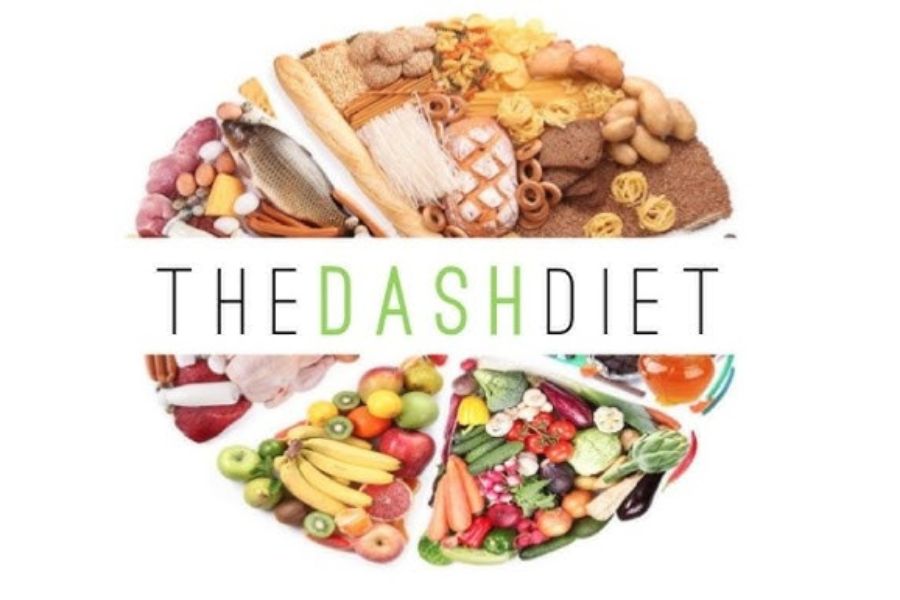
At its core, the DASH diet is rich in vegetables, fruits, and whole grains, with moderate amounts of low fat dairy and lean protein such as poultry, fish, beans, and nuts. It is naturally low in saturated fat, added sugar, and sodium, all of which can affect your heart and blood vessels. The National Heart, Lung, and Blood Institute (NHLBI) recognizes DASH as a safe, nutrient dense plan that supports heart health for adults and children alike (NHLBI, MedlinePlus).
See how the DASH diet protects your heart
The DASH diet for heart health works on several fronts at the same time. This is part of what makes it so powerful.
First, it helps reduce sodium intake, which can lower blood pressure for many people. Recommended sodium on DASH is typically less than 2,300 milligrams per day, and some people aim for 1,500 milligrams for an even stronger effect (Mayo Clinic, NHLBI). High blood pressure puts extra strain on your heart and arteries, so bringing that number down helps protect your cardiovascular system.
Second, the DASH pattern is packed with nutrients that support healthy blood pressure, including potassium, calcium, magnesium, protein, and fiber (Mayo Clinic, MedlinePlus). These nutrients help your blood vessels relax, balance fluid levels, and improve cholesterol and blood sugar over time.
Clinical trials funded by the NHLBI have repeatedly shown that following the DASH diet lowers blood pressure, improves cholesterol, and reduces the risk of heart disease and type 2 diabetes (NHLBI, PMC – NIH). When sodium is reduced to around 1,500 milligrams per day, blood pressure improvements are even greater, especially if your baseline blood pressure is high (NHLBI).
Use DASH to support weight loss
If you are hoping to lose weight as well as protect your heart, the DASH diet can help create a strong foundation. It is not a quick fix, but its balance of fiber rich carbohydrates, lean protein, and healthy fats naturally promotes fullness and more stable energy.
Vegetables, fruits, and whole grains give you volume and fiber, so you feel satisfied on fewer calories. Lean protein from beans, fish, poultry, or low fat dairy adds staying power and helps maintain muscle as you lose weight. Since the plan discourages heavily processed foods that tend to be high in sodium, sugar, and saturated fat, you automatically avoid many high calorie, low nutrient items.
Research suggests that when you follow DASH and pair it with increased physical activity and lifestyle counseling, you can see meaningful weight loss along with lower blood pressure. In the PREMIER clinical trial, people who adopted DASH plus lifestyle changes saw the greatest reductions in systolic blood pressure and body weight compared to advice alone (NHLBI, PMC – NIH).
Know the core DASH food groups
The DASH diet is organized around daily and weekly goals rather than rigid meal rules. On a typical 2,000 calorie DASH plan, your plate might regularly include:
- Plenty of vegetables such as leafy greens, carrots, peppers, broccoli, and tomatoes
- Several servings of fruit such as berries, apples, oranges, or bananas
- Whole grains such as oats, brown rice, whole wheat bread, and quinoa
- Fat free or low fat dairy like milk, yogurt, or cheese
- Lean proteins, including fish, skinless poultry, beans, lentils, and nuts
The NHLBI provides serving ranges tailored to your calorie needs, which can help you translate these categories into actual portions over a day or week (NHLBI). You do not have to hit every target perfectly to benefit. Even moving your intake a little closer to these patterns can support your heart.
Reduce sodium without losing flavor
If you are used to salty foods, sodium reduction may sound challenging. However, you can lower salt and still enjoy flavorful meals with a few small changes.
Start by cooking more at home and using fewer packaged or restaurant foods, which often pack in large amounts of sodium. When you shop, compare nutrition labels for bread, soups, sauces, and snacks and pick the lower sodium options. Many people find they can slowly step down over a few weeks, which gives their taste buds time to adjust.
In your kitchen, lean on herbs, spices, citrus, garlic, onion, and vinegar to build flavor instead of salt. You can also try adding salt later in the cooking process and tasting as you go, which makes it easier to use less. Research shows that combining the DASH pattern with lower sodium levels, especially around 1,500 milligrams per day, produces some of the strongest blood pressure reductions seen in clinical trials (NHLBI, PMC – NIH).
Combine DASH with movement
The DASH diet for heart health is powerful on its own, but you get even more benefit when you pair it with regular physical activity. You do not need intense gym sessions to see results.
Guidance linked with the DASH plan suggests aiming for at least 30 minutes of moderate intensity exercise most days of the week, or at least 2 hours and 30 minutes total per week (MedlinePlus). This might be brisk walking, cycling, swimming, dancing, or any activity that raises your heart rate but still allows you to hold a conversation.
Exercise helps lower blood pressure, improves cholesterol, supports weight management, and boosts mood and energy. When you layer regular movement on top of DASH style eating, you give your heart a steady stream of support throughout the week.
You do not have to overhaul your entire lifestyle at once. A 10 to 15 minute walk after dinner plus one extra serving of vegetables each day is a meaningful starting point.
Make a realistic DASH plan for your life
The most effective DASH plan is the one you can stick with. Instead of trying to do everything perfectly from day one, start with small, clear steps that fit your routine.
You might begin with one or two changes such as:
- Swapping one sugary drink for water or sparkling water with lemon
- Adding a piece of fruit to your breakfast
- Choosing a side salad or steamed vegetables instead of fries a few times a week
- Cooking one DASH inspired dinner at home, such as grilled chicken, brown rice, and roasted vegetables
Once those habits feel normal, you can stack on another change. For example, you might switch to low fat milk or yogurt, try a new whole grain, or experiment with a meatless bean or lentil meal once a week. The NHLBI offers worksheets and tools that help you compare your current eating habits with DASH guidelines, which can make it easier to see where to focus next (NHLBI).
If you have high blood pressure, heart disease, diabetes, kidney disease, or other health conditions, it is a good idea to talk with your healthcare provider or a registered dietitian before making big changes. They can help you tailor DASH style eating to your specific needs and medications.
Put it all together
The DASH diet for heart health is not a trend. It is a long studied, flexible way of eating that lowers blood pressure, improves cholesterol, and reduces your long term risk of heart disease (NHLBI, PMC – NIH). It emphasizes foods that are widely available and encourages gradual, realistic changes rather than perfection.
If you are ready to start, choose one change today. Maybe that is adding a serving of vegetables to lunch, cooking a simple DASH style dinner, or checking sodium on one product you buy often. Each small step moves you closer to better heart health and a way of eating you can feel good about for years to come.
About the Author