A few small shifts in how you balance protein, carbs, and fats can completely change how you feel, train, and look. That is what macronutrient optimization for men is really about, not a complicated spreadsheet, but using macros in a simple, intentional way so your diet finally matches your goals.
Whether you want to lose fat, gain muscle, or just have more energy for work and workouts, you can start with a few straightforward tricks and build from there.
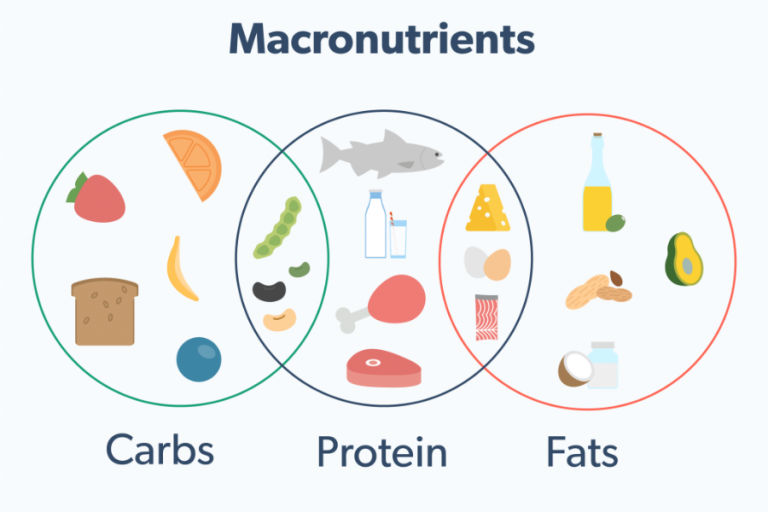
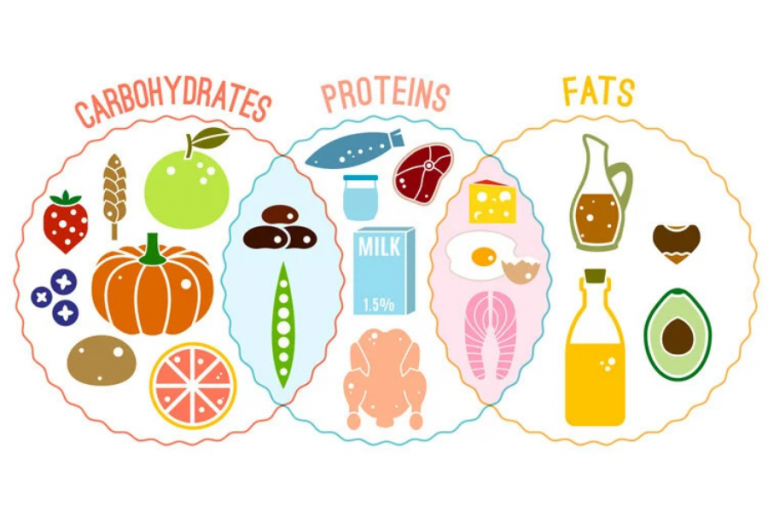
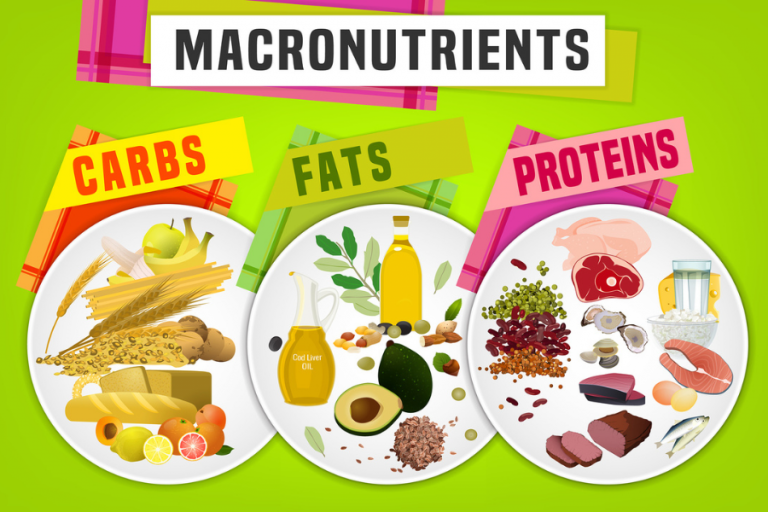
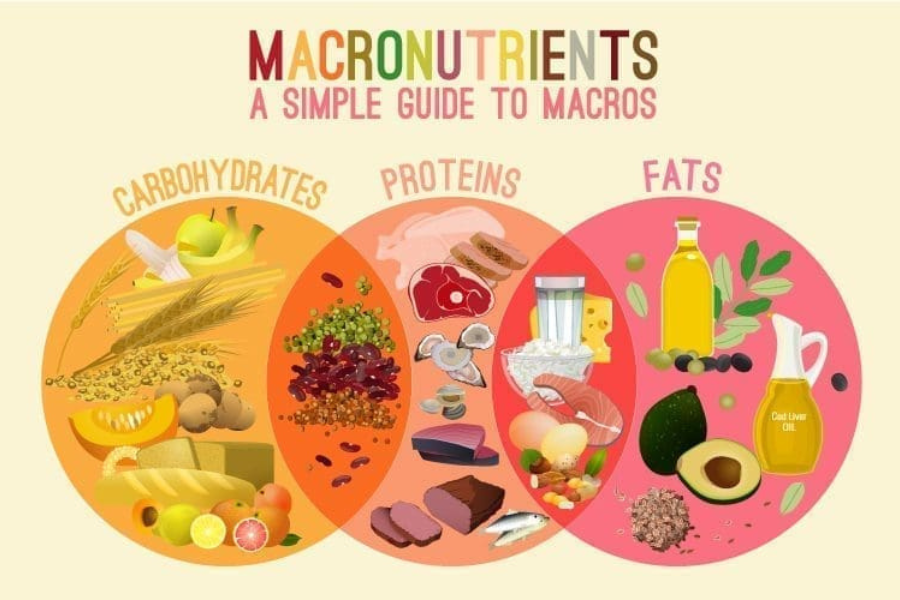
Understand what your macros actually do
Before you tweak numbers, it helps to know what each macronutrient does for you. Once you see how protein, carbs, and fats really work, your daily choices become much easier to manage.
Protein: your base layer
Protein is the foundation of macronutrient optimization for men. It supports muscle repair, strength gains, and appetite control. The Dietary Guidelines for Americans suggest at least 56 grams per day for adult men, but that is really just a minimum for basic health, not optimal performance or body composition (Healthline).
For better muscle retention and fat loss, research suggests aiming higher, around 1.2 to 2 grams of protein per kilogram of body weight (Healthline). If you are overweight, experts recommend basing protein on lean body mass rather than total body weight so you do not push protein intake higher than you actually need (RippedBody).
Protein does more than build muscle. It has a higher thermic effect of food than carbs or fats, which means you burn more calories digesting it and absorb fewer of the calories you eat. You retain roughly 70 to 80 out of 100 calories from protein, which can support fat loss and muscle retention in a calorie deficit (Carbon Performance).
Carbohydrates: your main fuel
Carbs fuel your brain and your training. They refill your muscle glycogen so you can push hard in the gym and recover afterward. For most men, 45 to 65 percent of daily calories from carbohydrates is the broad guideline, with an emphasis on vegetables, fruits, legumes, and whole grains (Healthline).
Carbohydrates are especially important if you train with intensity. The minimum practical intake is about 0.5 grams per pound of body weight per day, with more for very active men (RippedBody). Complex carbs from whole grains, fruits, and vegetables provide steady energy, while simple carbs are better saved for quick refueling after long or intense sessions (Georgia State University Recreation).
Fats: hormones and long‑lasting energy
Healthy fats support hormone production, including testosterone, and help your body absorb fat soluble vitamins. For most men, 20 to 35 percent of calories from fat is a useful range, with 10 to 30 percent associated with better weight management when those fats come from mono and polyunsaturated sources like olive oil, nuts, seeds, and fatty fish (Healthline).
You want to keep saturated fat under 10 percent of total calories to help lower cardiovascular risk (Healthline). A practical minimum intake is about 0.25 grams of fat per pound of body weight to maintain hormones and vitamin absorption (RippedBody).
Set a simple macro baseline for your goal
Once you understand what each macro does, your next step is to pick a starting point based on your main goal. You can always adjust from there rather than hunting for a perfect number on day one.
If your focus is fat loss
For fat loss, the key driver is a calorie deficit. You need to burn more than you consume, regardless of the exact macro ratio (Healthline). That said, how you distribute those calories can make your diet easier to stick to.
A solid starting range for many men in a cutting phase looks like:
- 40 to 50 percent of calories from carbohydrates
- 25 to 35 percent from protein
- 20 to 30 percent from fat
This approach keeps protein high enough to preserve lean mass and control hunger while providing enough carbs to fuel your training and enough fat to support hormones (Carbon Performance).
In one 12 week study on overweight and obese men, both normal protein and higher protein diets led to similar fat loss. However, the higher protein group preserved more lean body mass, which is exactly what you want when you are losing weight (PubMed).
If your focus is muscle gain
If your main goal is to add muscle, you need to eat in a slight calorie surplus while prioritizing protein and carbs. Most men build well with:
- 45 to 50 percent of calories from carbs
- 30 to 35 percent from protein
- 20 to 25 percent from fat
This balance supports training performance, muscle growth, and recovery without pushing fat intake too low (Health). For optimal muscle gain, protein intake in the range of 1.4 to 2.0 grams per kilogram of body weight works well when combined with a higher carbohydrate ratio to fuel intense workouts (Carbon Performance).
If you lift seriously, think like a bodybuilder in principle, not in extremity. In off season muscle building phases, research suggests about a 15 percent calorie surplus, plenty of carbs, and adequate protein to support anabolism (PubMed).
If your goal is long term health
If you just want a balanced, sustainable diet that supports health and activity, you can use a straightforward split that dietary experts often recommend for men, such as:
- 50 percent of calories from carbohydrates
- 30 percent from protein
- 20 percent from fat
This gives you enough protein for body composition, enough carbs for daily energy, and enough fat for hormones and cardiovascular health (Men’s Health). Large population studies suggest that extremely high carb intake can be linked with higher mortality, while a moderate fat intake around 35 percent of calories appears protective (Men’s Health).
Calculate your numbers without overcomplicating it
You can get surprisingly close to what you need with a simple three step process. You do not have to become a full time macro tracker.
Step 1: Estimate your calorie needs
Start by estimating your total daily energy expenditure, or TDEE. Many online calculators use the Mifflin St Jeor equation to estimate your basal metabolic rate, then factor in your activity level (Health).
- If you want to lose fat, subtract roughly 10 to 20 percent from your TDEE.
- If you want to gain muscle, add about 10 to 15 percent.
- If you want to maintain, stay close to your TDEE and watch your weekly average weight.
Step 2: Set protein and fat first
Once you have a calorie target, lock in protein and fat before worrying about carbs.
A simple sequence:
- Choose protein based on lean body mass, or if you do not know that, use 0.7 to 1 gram per pound of your current body weight and adjust if needed. Aim within 1.2 to 2 grams per kilogram of body weight depending on your training and phase (Healthline).
- Choose fat next, usually between 20 and 30 percent of your total calories. Keep at least 0.25 grams per pound of body weight and below 10 percent of calories from saturated fat (RippedBody, Healthline).
Protein has 4 calories per gram, fat has 9 calories per gram. Multiply grams by these values to see how many of your daily calories are already assigned.
Step 3: Fill the remaining calories with carbs
Whatever calories you have left after setting protein and fat will come from carbohydrates. Carbs also have 4 calories per gram (RippedBody).
This approach treats carbs as your main adjustment tool. If you need more training energy, you can increase carbs slightly. If you feel sluggish or are not losing fat, you can reduce carbs or fats a bit while keeping protein steady.
Use timing and food quality to your advantage
Once your daily targets are in a good place, you can get extra benefits from when and how you eat those macros.
Simple pre and post workout tweaks
You do not need complicated peri workout nutrition, but a few small habits go a long way.
For energy before training, aim for a high carb, low fat, low fiber snack 30 to 90 minutes before exercise. That could be a piece of fruit with a small amount of lean protein or a simple bowl of oatmeal. For exercise lasting longer than 90 minutes, taking in 30 to 60 grams of carbohydrates per hour helps maintain performance (Georgia State University Recreation).
After training, prioritize recovery by eating 20 to 25 grams of protein plus 30 to 45 grams of carbs within 30 to 90 minutes. This combination supports muscle repair and glycogen refilling, especially if you train regularly (Georgia State University Recreation).
Think of pre workout carbs as what lets you train hard, and post workout protein and carbs as what lets you come back stronger tomorrow.
Choose foods that make macros easier, not harder
You do not need to eat perfectly to optimize your macros. You simply want default choices that naturally line up with your targets so you are not fighting your diet.
Lean proteins such as chicken breast, turkey, lean beef, fish, Greek yogurt, and eggs help you hit your protein numbers without blowing past your calorie target (Health). Whole food carbohydrates like oats, rice, potatoes, beans, fruit, and whole grain breads give you energy without the blood sugar spikes of heavily processed snacks (Georgia State University Recreation).
Healthy fats from olive oil, avocados, nuts, seeds, and fatty fish supply essential fatty acids and support hormone health. These foods are calorie dense, so measure them at first so your fat intake stays within your target range (Georgia State University Recreation).
Adjust gradually instead of restarting every week
The biggest trick with macronutrient optimization for men is not chasing perfect numbers. It is responding to what your body actually does over a few weeks and making small, steady changes.
If you feel constantly hungry and low on energy, consider nudging your protein up by about 5 percent of calories or shifting a little fat into carbs to support training (Carbon Performance). If your weight is not moving in the direction you want after two to three weeks, adjust total calories slightly rather than completely overhauling your macro split.
Men respond differently based on age, activity level, and health conditions. Research consistently shows there is no single macronutrient ratio that beats all others for everyone, and that personal preference and adherence matter more over time (Healthline). Your best plan is the one you can follow consistently.
Start with one or two of these tricks this week. Set a clear protein target, define your fat range, and let carbs fill in the rest. Then watch your progress, adjust slowly, and allow your macros to evolve with your training and your goals.
About the Author