Natural testosterone boosters can sound like a quick fix for low energy, sluggish workouts, or a fading sex drive. In reality, your testosterone levels are shaped by a mix of sleep, diet, movement, body weight, and overall health. When you focus on those foundations first, the right natural strategies can genuinely support your energy over time.
Below, you will find what actually helps, what probably does not, and how to think about supplements in a safer, more realistic way.
Understand how testosterone affects your energy
Testosterone is often labeled as a “sex hormone,” but it also influences how energized and motivated you feel day to day. When your levels are in a healthy range, you are more likely to notice:
- Better mood and mental focus
- Easier time building or maintaining muscle
- More stable energy throughout the day
Testosterone levels decline gradually with age, often about 1% to 2% per year, and more than one third of men over 45 may have levels below the normal range (WebMD). That does not mean you automatically need a supplement or prescription. It does mean that lifestyle choices and nutrition matter more as the years go by.
If you feel constantly tired, it is worth checking in with a doctor to rule out anemia, thyroid issues, sleep apnea, depression, or true testosterone deficiency. Natural testosterone boosters work best as support, not as a substitute for medical care.
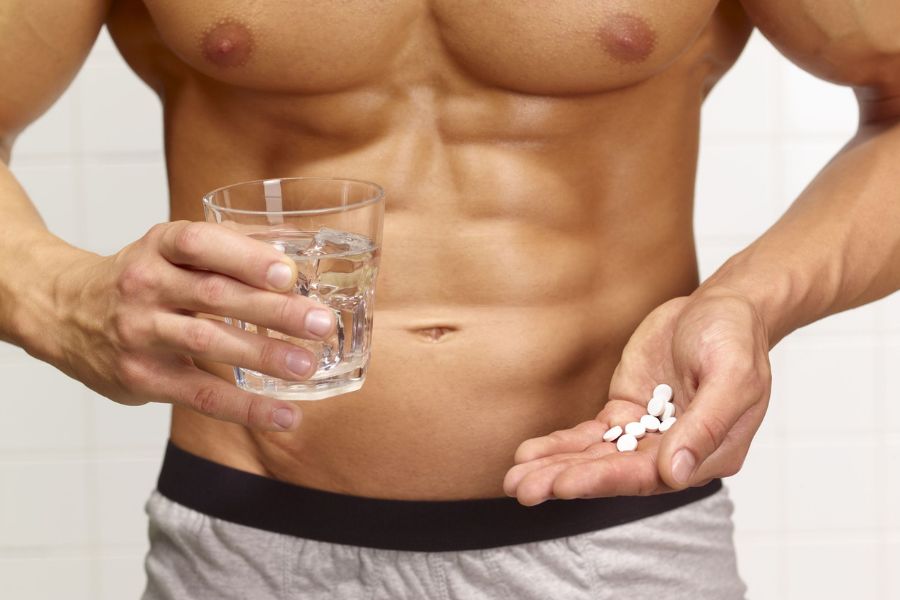
Look critically at “testosterone booster” supplements
When you see a bottle that promises “explosive energy,” “alpha male performance,” and “sky-high testosterone,” it is natural to wonder if it might help. The evidence so far is not very convincing, and the safety picture is mixed.
What the research says about boosters
A large 2020 review looked at 50 over the counter testosterone booster supplements. It found that 90% claimed to raise testosterone and almost half claimed to improve strength or libido, but only 24.8% of the 109 active ingredients had any scientific data supporting an increase in testosterone levels (PMC – World Journal of Men’s Health).
Even more concerning:
- 18.3% of ingredients showed no effect on testosterone at all
- 10% were linked with a possible decrease in testosterone
- 61.5% had no published studies about their impact on testosterone (PMC – World Journal of Men’s Health, Healthy Male)
Many of these products also packed in excessive doses of vitamins and minerals, such as a median of 1,291% of the recommended daily amount for vitamin B12, 807.6% for vitamin B6, and 272% for zinc. Some exceeded the upper tolerable intake levels set by the FDA for zinc, vitamin B3, and magnesium, which can raise the risk of side effects (PMC – World Journal of Men’s Health).
In other words, a lot of what is on the shelf is under researched, overdosed, or both.
Potential safety concerns you should know
Because supplements are loosely regulated, labels do not always tell the whole story. Research has found that some bodybuilding and weight loss supplements, including some marketed as testosterone boosters, have been linked to liver injury, and some contained undeclared steroid-like substances (Healthy Male).
A case report from Saudi Arabia described a 30 year old athlete who used a commercial booster (Universal Nutrition Animal Stak) for 42 days. His liver enzymes shot up after the first course, he developed abdominal pain, and only later did his labs improve. His testosterone did rise slightly, but the potential liver stress was not a trade off most people would want (International Journal of Health Sciences).
Some herbal ingredients such as fenugreek may also be linked to a higher risk of blood clots in certain people, so you should be cautious if you have cardiovascular risk factors or use medications that affect clotting (PMC – World Journal of Men’s Health).
If you decide to try a supplement anyway, talk with your healthcare provider first, especially if you have liver issues, take medications, or have a history of hormone sensitive cancers.
Use food as your primary natural testosterone booster
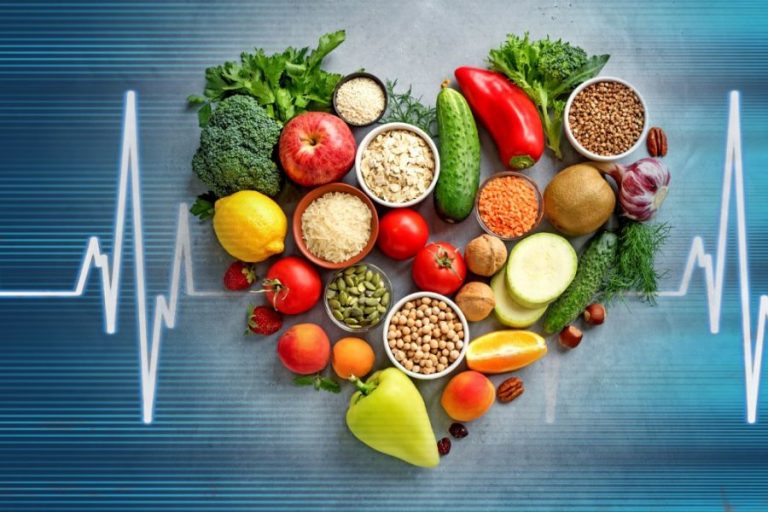
If you want more energy and better hormone balance, your plate is the first place to look. The goal is not a “testosterone diet,” but a pattern of eating that keeps your blood sugar stable, reduces inflammation, and supplies key nutrients.
Prioritize protein at every meal
Protein gives your body the building blocks it needs to make hormones. Low protein intake has been linked with testosterone deficiency (Vinmec). You can cover your bases by including a source of protein at each meal, such as:
- Eggs or Greek yogurt at breakfast
- Chicken, turkey, tofu, or beans at lunch
- Fish, lean beef, or tempeh at dinner
You do not need huge portions. Aim for a palm sized serving of protein foods two or three times per day, adjusted for your body size and activity level.
Choose healthy fats, not ultra low fat diets
Your body uses cholesterol and fats to produce testosterone. Ultra low fat diets can actually suppress hormone production, especially when combined with heavy training or calorie restriction (Atlantic Urology Clinics).
Healthy fat sources that support hormone balance and heart health include:
- Fatty fish like salmon, tuna, and mackerel, which are also rich in vitamin D that supports testosterone synthesis (Vinmec)
- Extra virgin olive oil and olives
- Avocados
- Nuts and seeds
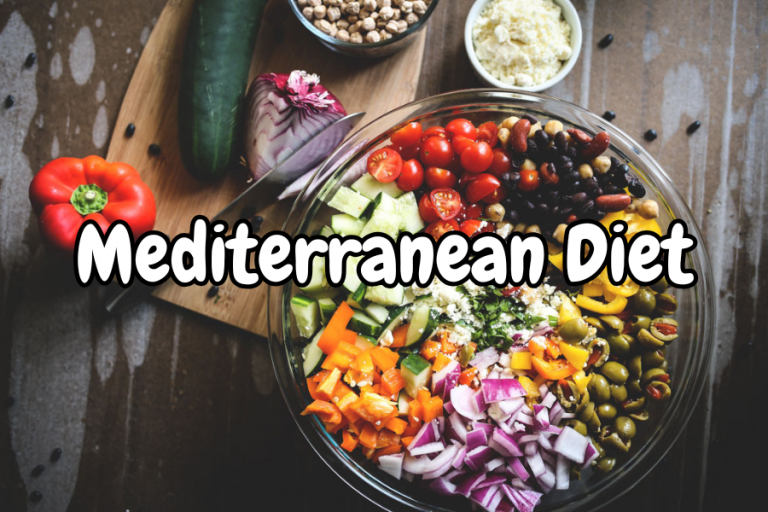
The Mediterranean style of eating, which emphasizes these fats along with vegetables, fruits, whole grains, and lean proteins, is both anti inflammatory and supportive of testicular function and testosterone production (Atlantic Urology Clinics).
Lean on micronutrients that matter
Vitamins and minerals quietly run your hormone systems behind the scenes. If your diet is rich in colorful plants and whole foods, you are already helping your testosterone without thinking about it.
Some nutrients with a stronger connection to testosterone include:
- Zinc, found in oysters, beef, beans, and pumpkin seeds, which supports testosterone production, fertility, and immune function (Vinmec)
- Vitamin D, from fatty fish, fortified foods, and sensible sun exposure, which has been shown to increase testosterone by about 20% in one yearlong study with 3,300 IU daily (WebMD)
- Polyphenols, the antioxidant compounds in berries, dark leafy greens, olive oil, and spices, which help reduce oxidative stress that can interfere with testosterone production and sperm quality (Atlantic Urology Clinics)
Onions and garlic can also play a supporting role. They contain flavonoids that protect sperm from damage and may increase hormones that stimulate natural testosterone production (Vinmec).
If you eat a varied diet built around whole foods, you may not need a separate “testosterone vitamin” at all. A simple multivitamin or targeted supplement can fill gaps if your doctor identifies a deficiency.
Support testosterone with smart lifestyle changes
Even the best natural testosterone boosters in supplement form will not fix lifestyle habits that drain your hormones every day. The following areas have some of the strongest evidence and can significantly improve your energy on their own.
Maintain a healthy waistline
Excess abdominal fat is not just a cosmetic concern. Fat tissue in your belly has high levels of an enzyme called aromatase that converts testosterone into estrogen. That shift can lower testosterone, increase the risk of prostate enlargement, and contribute to other health problems (U.S. Department of Veterans Affairs).
The VA Whole Health Library notes that:
A one point drop in BMI is associated with about a one point increase in testosterone, and weight loss is one of the most powerful levers for improving male hormone levels.
Carrying extra weight around the waist is strongly linked with low testosterone. A 4 inch increase in waist size may raise your odds of low testosterone by up to 75% (WebMD). Gradual, sustainable weight loss through improved diet and movement often does more for energy and hormone balance than any pill.
Train in a way your hormones like
Strength training and moderate cardio can both help your body produce and protect testosterone. Guidance from the VA suggests that a combination of aerobic exercise and resistance training supports testosterone, while also reducing the risk of heart disease and some cancers (U.S. Department of Veterans Affairs).
On the other hand, extremes are not helpful. Overtraining, heavy endurance exercise like frequent marathons, and severe calorie restriction can all push testosterone down over time (WebMD).
If you want to use exercise as a natural booster:
- Lift weights or do bodyweight strength work two to four times per week, focusing on large muscle groups.
- Include brisk walking, cycling, or other cardio on most days, but keep marathon level training in check if hormonal balance is a concern.
- Protect rest days so your body can recover and actually respond to your workouts.
Protect your sleep
Your testosterone production peaks while you sleep, especially during REM cycles. Getting less than 5 hours of sleep per night can reduce testosterone levels by around 15%, while consistent 7 to 8 hour nights support higher levels and better daily energy (Vinmec).
Practical steps include:
- Keeping a regular bedtime and wake time, even on weekends
- Limiting screens in the hour before bed
- Avoiding heavy meals and alcohol close to bedtime
If you snore heavily, wake up gasping, or feel exhausted despite a full night in bed, consider asking your doctor about sleep apnea testing. Untreated sleep apnea is a common but overlooked cause of low testosterone and fatigue.
Reduce habits that drag testosterone down
Several everyday factors chip away at your hormone health. The VA highlights a few key ones to avoid or reduce (U.S. Department of Veterans Affairs):
- Tobacco use
- Excessive alcohol, generally more than two drinks daily
- Long term opioid pain medication use
- Exposure to environmental toxins such as some pesticides and industrial chemicals
- Chronic stress and anxiety
- Disrupted sleep schedules, including frequent night shift work
You may not be able to change all of these overnight, but targeting even one or two can noticeably improve how you feel over time.
Consider targeted supplements with realistic expectations
If your nutrition and lifestyle are in a good place and you still want to explore natural testosterone boosters in supplement form, it helps to know what is better supported and what is mostly hype.
Some ingredients with modest but mixed evidence include (WebMD):
- Vitamin D, especially if you are deficient
- Zinc and magnesium, when your intake is low
- DHEA, a hormone precursor that needs careful monitoring and medical oversight
- Ashwagandha, an herb that may reduce stress and indirectly support testosterone in some men
Keep in mind:
- More is not better. High dose “kitchen sink” formulas are more likely to create side effects without adding benefits.
- Supplements should not exceed safe daily upper limits for nutrients like zinc, vitamin B3, or magnesium. The 2020 booster review found many products that did (PMC – World Journal of Men’s Health).
- Supplements cannot override issues like untreated diabetes, which more than doubles the risk of low testosterone over a 10 year period (U.S. Department of Veterans Affairs).
If you are curious about an ingredient, ask your clinician to run basic labs, such as vitamin D, zinc, and total testosterone, then retest after a few months to see if anything actually changes.
Bringing it all together for better energy
You have many more tools than a single pill when it comes to natural testosterone boosters and your energy levels. The most reliable ones look simple on paper, but their effect compounds:
- A diet centered on lean proteins, healthy fats, and colorful plants
- A healthy waistline and steady, balanced exercise routine
- Consistent, high quality sleep
- Minimizing smoking, heavy drinking, and long term use of certain medications where possible
- Using supplements carefully, only when they fill a real gap or are guided by testing
If one area stood out as a weak spot for you, start there. For example, you might commit to lifting weights twice a week or aiming for a regular 7 hour sleep schedule for the next month. Those changes may feel less “hardcore” than a booster capsule, but for your hormones and your energy, they are far more powerful.
About the Author