Image by Flux
A solid workout does not start with your first rep. It starts with what you put on your plate. Choosing the best foods to eat before gym can give you more energy, better focus, and stronger performance, especially if you are pushing through heavy lifts or intense cardio.
Below, you will find clear guidelines on what to eat, when to eat it, and how to adjust based on your workout style and schedule.
Why pre workout food matters
When you exercise, your body pulls energy from two main places, stored carbs and stored fat. For moderate to high intensity workouts, your muscles rely heavily on glycogen, which comes from carbohydrates you eat and store in your liver and muscles. A 2020 review and the International Society of Sports Nutrition (ISSN) highlight carbs as the primary fuel for these types of sessions, especially when they last longer than 60 minutes (Healthline).
Protein matters too. Eating protein before a workout can increase muscle protein synthesis and support muscle mass. The ISSN reports that pre workout protein can improve performance, reduce muscle damage, and support recovery (Healthline).
If you skip food completely, your body may turn more to stored fat for fuel, particularly if it has been three to four hours since your last meal (American Diabetes Association). That can be helpful for some fat loss goals, but it may also mean less power, less endurance, and a higher chance of feeling lightheaded or sluggish.
How timing changes what you should eat
The closer you get to your workout time, the smaller and simpler your pre workout meal should be. The timing of your pre workout nutrition has a big effect on how you feel and perform.
If you are eating 2 to 3 hours before
You have time for a full, balanced meal. Research suggests that a complete meal with carbohydrates, protein, and some fat 2 to 3 hours before training can support sustained energy without making you feel heavy (Healthline).
Aim for:
- A generous serving of carbs
- A palm sized serving of lean protein
- A moderate amount of healthy fat
- Some fluid, ideally water
For example, grilled chicken with brown rice and vegetables or a turkey sandwich on whole grain bread with a side of fruit both fit this window.
If you are eating 1 to 1.5 hours before
Your focus should shift toward carbs and protein with lighter fat. Studies indicate that a smaller carb and protein focused meal 1 to 1.5 hours before your workout can help you avoid feeling bloated or sluggish (Healthline).
You might choose:
- Greek yogurt with berries
- Oatmeal cooked in low fat milk with a scoop of protein
- A small chicken and rice bowl
Keep the portion moderate so digestion is mostly complete by the time you start training.
If you are eating 45 to 60 minutes before
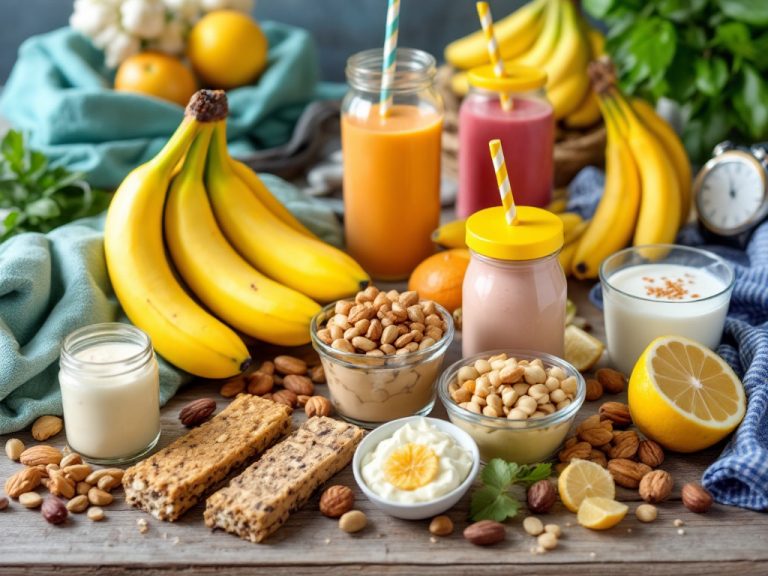
At this point, you want quick fuel that is easy to digest. Healthline recommends smaller portions and simple foods like a banana, oatmeal, or a protein shake in this last hour before exercise (Healthline).
Think:
- Banana with a small protein shake
- A slice of toast with a thin spread of peanut butter
- A small bowl of instant oatmeal
Avoid high fat and high fiber foods here. As Texas Health Resources notes, these can slow digestion and cause stomach discomfort during your workout (Texas Health Resources).
Best foods to eat before gym for energy and performance
The best foods to eat before gym share a few traits. They give you usable carbs, some protein for your muscles, low to moderate fat, and are easy on your stomach.
Smart carbohydrate options
Carbohydrates provide the bulk of your usable energy. They top the list of what to prioritize when you want stronger performance and better endurance.
Good options include:
- Oats or oatmeal
- Brown rice or white rice, depending on what sits better for you
- Whole grain bread or wraps
- Fruit like bananas, apples, berries, or oranges
- Potatoes or sweet potatoes
Research from the Mayo Clinic notes that eating or drinking carbohydrates before exercise can improve your ability to work out longer or at a higher intensity (Mayo Clinic). Carbs are particularly important if your session is over an hour or if you are doing high intensity interval training.
Protein sources that support your muscles
Pre workout protein helps protect your muscles from breakdown and supports growth over time. The ISSN findings indicate that protein intake before exercise can improve performance and reduce muscle damage (Healthline).
Protein ideas:
- Grilled chicken or turkey breast
- Fish such as salmon or tuna
- Eggs or egg whites
- Greek yogurt or cottage cheese
- Whey or plant based protein powder
If you are eating close to workout time, a shake or yogurt is often easier to digest than a heavy meat based meal.
Fats in moderation
Healthy fats help keep you full and support overall health, but they digest slowly. Texas Health Resources and other experts advise avoiding high fat foods too close to your workout since they can cause discomfort, cramps, or sluggishness (Texas Health Resources).
You do not need to avoid fat altogether. Instead, keep it moderate:
- A small amount of nut butter
- A drizzle of olive oil on your rice or vegetables
- A few slices of avocado
Include more fat if you are eating 2 to 3 hours before. Keep it low if you are within an hour of lifting or cardio.
What to eat based on workout type
Your ideal pre workout meal can change depending on what you are doing in the gym.
For cardio and HIIT
Running, cycling, or high intensity interval training all place heavy demands on your glycogen stores. UCLA Health notes that before cardio and HIIT, moderate sized meals eaten well before exercise, combined with a last minute snack, can support energy and endurance while avoiding stomach issues (UCLA Health).
For cardio sessions:
- Emphasize carbs, such as oatmeal, rice, fruit, or a bagel
- Add a smaller portion of protein, for example eggs or yogurt
- Keep fats and fiber modest, especially if you are running
A practical setup could be a bowl of oatmeal with berries 2 hours before, then a banana 30 minutes before you hit the treadmill.
For strength training and lifting
Heavy lifting sessions require both energy and muscle support. UCLA Health recommends pre workout meals that support energy and prepare muscles for stress, even though it does not list specific foods (UCLA Health).
For strength days:
- Combine carbs and protein fairly evenly
- Choose slower digesting carbs if you are eating earlier, and simpler carbs if you are closer to training
- Keep a bit of fat, but not so much that your stomach feels heavy
For example, a chicken and rice bowl 90 minutes before lifting or a protein shake with a banana 45 minutes before can work well.
For yoga, mobility, or lighter sessions
If you are going into yoga, Pilates, or a stretching routine, you want to feel light, not stuffed. UCLA Health emphasizes comfort plus hydration for these workouts, with plenty of water or sports drinks if needed for optimal muscle function (UCLA Health).
In this case:
- Eat a light snack if you are hungry
- Focus on something small like fruit with a bit of yogurt or a handful of nuts
- Avoid huge or greasy meals right before class
You may not need a big pre workout meal here, especially if you ate a balanced meal earlier in the day.
Pre workout snacks for busy schedules
Sometimes you just do not have much time between work and the gym. In that case, simple snacks become your best friend.
Here are some easy pre workout combinations that fit within an hour of training:
- Banana with a tablespoon of peanut butter
- Greek yogurt with a spoon of honey
- A small turkey and cheese wrap on a tortilla
- Protein shake blended with berries
- Apple slices with a small handful of almonds
The American Diabetes Association suggests snacks that pair a carb source with a protein source, like fruit with peanut butter or veggies with hummus, to fuel exercise without unnecessary extra calories (American Diabetes Association).
For workouts longer than 60 minutes, the Mayo Clinic notes that small carbohydrate rich snacks before or during exercise can help maintain energy, and even highlights smoothies as a good option (Mayo Clinic).
Hydration, the underrated pre workout tool
Hydration is as important as food when it comes to your performance. The American College of Sports Medicine recommends drinking fluids, including sodium containing beverages, starting at least 4 hours before exercise to support fluid balance and performance (Healthline).
Key points:
- Drink water regularly through the day, not just right before you train
- For workouts under an hour, water is usually enough
- For longer or very intense sessions, Texas Health Resources notes that sports drinks can help replace electrolytes and provide extra carbs for energy (Texas Health Resources)
The Mayo Clinic also stresses drinking water before, during, and after exercise to prevent dehydration, and recommends sports drinks during longer than 60 minute workouts to replenish electrolytes and provide additional carbohydrates (Mayo Clinic).
Hydration is not only about performance during your session. Texas Health Resources highlights that proper hydration, including electrolytes like sodium and potassium, is crucial for both exercise performance and recovery, especially during heavy sweating or long duration workouts (Texas Health Resources).
Quick rule of thumb: show up to the gym already hydrated, sip during your workout, and continue drinking water afterward.
What about training on an empty stomach
You might hear that fasted workouts burn more fat. There is some truth to this. The American Diabetes Association notes that after about three to four hours since your last meal, your body is more likely to use stored fat for energy instead of recently consumed calories (American Diabetes Association).
However, there are trade offs:
- You might have less strength or power for heavy lifting
- Intense cardio can feel harder
- You may feel dizzy or lightheaded, especially early in the morning
If you prefer fasted training, consider:
- Keeping sessions shorter or lower intensity
- Drinking water beforehand
- Having a small, easy snack available in case you start to feel weak
If you manage diabetes or take insulin, you need to be extra thoughtful. The American Diabetes Association advises checking your blood glucose, timing insulin carefully, and carrying fast acting carbohydrates because exercising within three hours of insulin can cause low blood glucose (American Diabetes Association).
Simple pre workout template you can follow
You do not need a complicated plan to use the best foods to eat before gym. Use this basic template and adjust based on your schedule and workout type.
| Time before workout | What to focus on | Example combo |
|---|---|---|
| 2 to 3 hours | Balanced carbs, protein, some fat | Chicken, rice, vegetables or turkey sandwich with fruit |
| 1 to 1.5 hours | Carbs plus lean protein, light fat | Oatmeal with protein powder and berries |
| 45 to 60 minutes | Easily digestible carbs plus light protein | Banana and a small protein shake |
| During long workouts | Quick carbs and fluids | Small smoothie or sports drink for sessions over 60 minutes |
Use this as a starting point. Pay attention to how your body responds, then tweak the size and timing of your meals.
Putting it into practice
You do not have to overhaul your entire diet to get more from your training. Pick one gym day this week and plan your pre workout meal on purpose. Choose a carb and protein combination that fits your schedule, drink water leading up to the workout, and notice how you feel when you lift or do cardio.
Over time, dialing in your pre workout nutrition will feel less like a chore and more like a reliable advantage. Your energy will be steadier, your performance will improve, and the effort you put in at the gym will pay off more fully.
About the Author