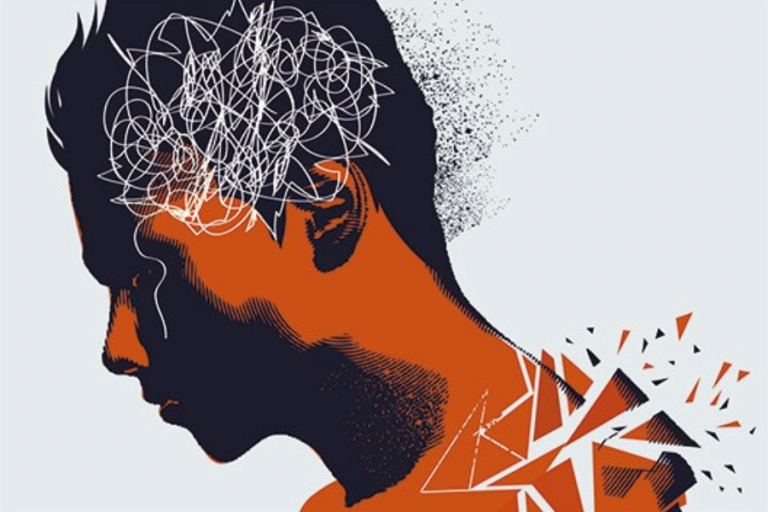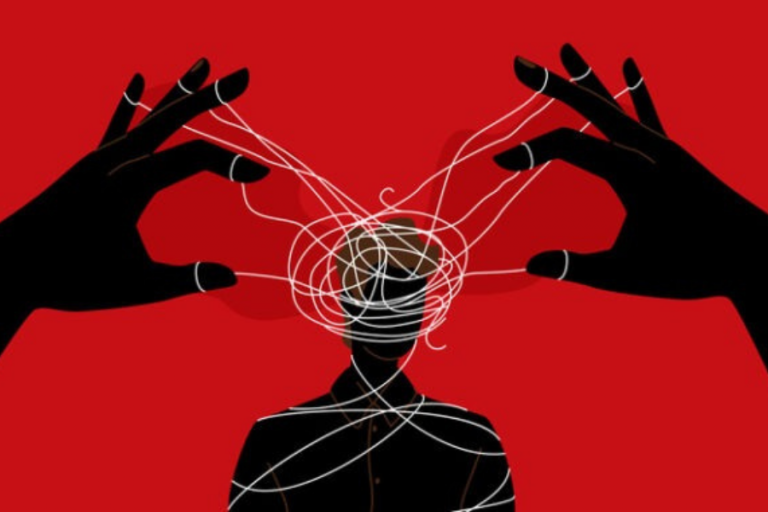
A lot of men move through life feeling “off” without having a word for what is going on. You might feel more tired than usual, get irritated at everyone, or spend nights scrolling your phone until 2 a.m., then tell yourself you just need to push through. Many of those quiet changes can be early signs of depression in men, even if you do not feel obviously sad.
Understanding how depression often looks different in men can help you catch it sooner, get support, and avoid problems snowballing into a crisis. You deserve that kind of care, even if you are used to being the one other people depend on.
Why depression looks different in men
When you picture depression, you might think of nonstop crying, staying in bed all day, or talking openly about feeling down. Some men do experience it that way, but many do not.
According to the Mayo Clinic, men with depression may show symptoms differently from women, partly because of brain chemistry, hormones, life experiences, and traditional male roles that encourage success, power, and competition while discouraging emotional expression. Instead of saying “I feel sad,” you might:
- Work all the time
- Drink more than usual
- Snap at people over small things
- Pull away from friends and family
These behaviors can hide what is really going on. That makes male depression easy to miss or mislabel as stress, a busy season, or “just how you are.”
Emotional signs men often brush off
You might not think of yourself as an “emotional” person, but depression still affects how you feel and react.
Irritability and anger
Many men with depression feel more angry than sad. You might:
- Lose your temper quickly in traffic or at work
- Feel a low boil of frustration most of the day
- Notice people say you seem “on edge” or “hard to be around”
Mayo Clinic notes that male depression is often hidden by irritability and anger that look like personality traits rather than mental health symptoms. Andrew Angelino, M.D., also points out that men tend to “act out” depression through anger instead of crying or expressing sadness.
If small inconveniences feel like huge insults, or you regret how you talk to people but keep doing it, that can be a sign that something deeper is going on.
Restlessness and feeling “keyed up”
Depression in men is not always slow and heavy. You might feel:
- Constantly restless or unable to relax
- Like you need to stay busy to avoid your thoughts
- On high alert, even when nothing is wrong
This wired feeling can be your mind’s way of avoiding uncomfortable emotions. It can also lead to burnout if you never give yourself real rest.
Numbness instead of sadness
Instead of intense sadness, you might feel very little at all. You may notice:
- You go through the motions but feel detached
- Good news does not really land
- You cannot remember the last time you felt excited
This emotional “numb” state is easy to ignore because it does not hurt in an obvious way. Yet it is still a key sign that your mental health needs attention.
Behavioral changes that signal trouble
Some of the clearest signs of depression in men show up in what you do, not just how you feel. These changes often look like coping strategies, but they can quietly make things worse.
Escaping into work, screens, or distractions
Male depression is often hidden by unhealthy coping behaviors like working all the time, drinking too much, or withdrawing from people, according to Mayo Clinic. Examples include:
- Taking on extra shifts or projects so you never stop
- Spending hours gaming, scrolling, or watching videos instead of sleeping
- Saying you are “too busy” to see friends or family
On the surface these can look productive or harmless. Over time they isolate you from support and keep you from dealing with what you are feeling.
Risky or self destructive behavior
Some men act out depression in ways that look like recklessness. Researchers have found that depressive symptoms in men often show up as anger, restlessness, and engagement in risky behavior that can be mistaken for personality or stress.
You might notice yourself:
- Driving too fast or taking unnecessary risks at work
- Gambling more than you can afford
- Pushing your body hard with alcohol, drugs, or extreme workouts
These behaviors offer quick relief, but they can damage your health, relationships, and finances, and they increase your overall risk if depression goes untreated.
Pulling away from people and activities
Depressed boys and men are more likely to lose interest in their usual activities and withdraw from daily life. You might:
- Skip hobbies you used to enjoy
- Stop returning calls or texts
- Sit in another room away from your partner or family for most of the evening
You might tell yourself you just need to recharge. If withdrawal becomes your default setting, it is a sign to look closer.
A useful question to ask yourself: “If I had more energy and felt better about life, would I still be living this way?”
If the honest answer is no, something deeper than “just busy” is probably going on.
Physical symptoms you might not link to depression
Depression can show up in your body as much as in your mood. Men often focus on physical symptoms and overlook the mental piece.
By 2025, experts have noted that men with depression commonly report:
- Constant fatigue, even with enough sleep
- Headaches or tension in your neck and shoulders
- Back pain or general aches that do not have a clear cause
- Digestive issues like stomach pain, nausea, or changes in bowel habits
Mayo Clinic points out that male depression is often missed because men may show anger, irritability, or physical symptoms like fatigue and pain instead of saying they feel sad.
If your doctor has ruled out other causes and you are still exhausted or in pain most days, it is worth asking whether depression could be part of the picture.
How depression can affect work and motivation
Work is a huge part of identity for many men, so changes here are important signs to pay attention to.
Job stress and burnout as triggers
Recent research suggests that depression in men is often linked to:
- Job loss or fear of losing your job
- Occupational stress and long hours
- Male dominated workplaces with high risk and poor conditions
Studies show that men in male dominated workplaces may face higher levels of depression when they work alone, deal with inconsistent hours, or experience a lack of control and exposure to violence.
If you notice that work stress feels unbearable, or that you are dreading each day in a way that is new, depression might be amplifying that pressure.
Motivation, focus, and performance
Depression can quietly erode your ability to perform at your best. You might:
- Struggle to concentrate on simple tasks
- Procrastinate constantly, even on things that used to be easy
- Make more mistakes or miss deadlines
- Feel like you are moving through glue all day
It is easy to blame this on laziness, age, or bad habits. In reality, it can be a mental health issue, not a character flaw.
The role of masculinity and stigma
On top of the symptoms, many men carry unspoken rules about what it means to be “strong.”
Societal norms and gender stereotypes often pressure men to appear tough and self sufficient. You might have learned that:
- You should not cry or show vulnerability
- You should handle your problems on your own
- Asking for help makes you weak
Because of this, men are less likely than women to recognize and admit they might be dealing with depression, as the American Psychiatric Association notes. Many men push aside depressive thoughts or feelings instead of facing them, which contributes to underdiagnosis.
Stigma around mental health also makes men more reluctant to seek help. Instead, symptoms can worsen and sometimes lead to substance abuse or suicidal thoughts.
The cost of staying silent is high. In the United States, men are four times more likely to die by suicide than women and account for nearly 80 percent of all suicides, partly because they tend to use more lethal means like firearms. Middle aged white men have had the highest suicide rate in recent years, making up close to 70 percent of suicide deaths.
If any part of you has ever thought “they would be better off without me,” or planned how you might hurt yourself, that is a medical emergency, not a personal failing. You deserve immediate help.
When to take your symptoms seriously
It can be hard to know when a rough patch crosses the line into depression. A good rule of thumb: if a cluster of changes lasts for more than two weeks and affects your daily life, it is worth a closer look.
Key signs of depression in men include:
- Strong irritability, anger, or sudden mood swings
- Loss of interest in hobbies, sex, or social life
- Pulling away from friends, family, or coworkers
- Feeling tired almost all the time, even after rest
- Changes in sleep, appetite, or weight
- Physical pain without a clear cause
- Drinking or using substances more than before
- Thoughts about death, disappearing, or self harm
Early recognition of these warning signs, combined with open conversations and access to help, can greatly improve outcomes and save lives.
Why getting help is a sign of strength
If you see yourself in any of these descriptions, you might feel uneasy, defensive, or even ashamed. That reaction is common, especially if you have spent years being the one others lean on.
Here is the good news. Depression is highly treatable. Between 80 and 90 percent of people with depression, including men, respond positively to treatment options like therapy and antidepressants. Mayo Clinic notes that treatment for male depression, including medicine and counseling such as psychotherapy, is usually effective and can improve your health, relationships, and safety.
Seeking help is not a sign you failed. It is a sign you are taking your health, your future, and the people who care about you seriously.
Practical first steps you can take
If you suspect you might be dealing with depression, you can:
-
Talk to someone you trust
Tell a partner, friend, or family member what you have been noticing. Be honest, even if it feels awkward. -
Schedule an appointment
Start with your primary care doctor or a mental health professional. You can describe your physical and emotional symptoms. You do not have to use perfect language. -
Write down what you are experiencing
List changes in mood, sleep, appetite, motivation, anger, and physical symptoms. This makes it easier to explain what is going on. -
Consider therapy or counseling
A therapist can help you unpack stress, learn healthier coping strategies, and challenge the beliefs that keep you stuck in silence. -
Reach out immediately if you are in crisis
If you are thinking about hurting yourself or feel like you cannot stay safe, contact emergency services or a crisis hotline right away. You do not need to wait until it gets “bad enough.”
Moving forward with more awareness and support
Depression in men is common, but it does not always look the way you expect. Instead of obvious sadness, it can hide behind anger, withdrawal, constant work, or unexplained physical pain.
By learning the specific signs of depression in men, you give yourself a better chance of catching it early and getting effective help. You do not have to wait until you hit rock bottom. Noticing that something feels off is enough reason to reach out.
You are allowed to be strong and still need support. In fact, the willingness to say “I cannot keep doing this alone” might be one of the strongest choices you ever make.
About the Author