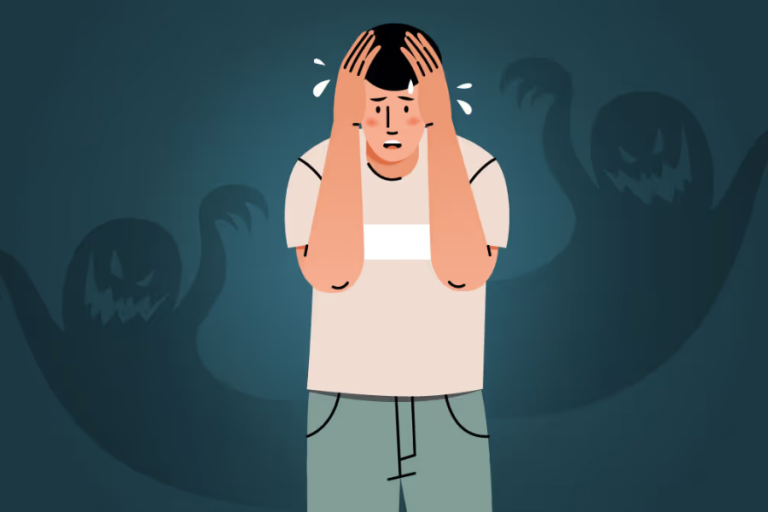
Erectile dysfunction caused by stress is more common than you might think, and it is usually treatable. When your mind is overloaded with worry, pressure, or anxiety, it can interfere with the signals between your brain, hormones, and blood vessels that you need for an erection. Over time, this can create a frustrating cycle where stress leads to erectile dysfunction, then erectile dysfunction creates even more stress.
This guide explains how stress affects your body and sex life, what signs to look for, and practical steps you can take to manage erectile dysfunction caused by stress and anxiety.
How stress affects your ability to get an erection
Stress is your body’s response to demands or changes in your life. In small bursts, it can be useful. When stress becomes chronic, it starts to impact your physical, emotional, and sexual health.
When you feel stressed or anxious, your body activates the fight or flight response. Your brain releases stress hormones like adrenaline and cortisol, which prepare you to face danger. Blood is directed away from non-essential systems such as digestion and sexual function and toward your heart, lungs, and muscles.
For an erection, you need relaxed blood vessels and clear nervous system signals to your penis. Under stress, those blood vessels can constrict and the signals get disrupted, which makes it harder to achieve or keep an erection. This link between stress and erectile dysfunction has been described by several major health organizations, including Cleveland Clinic and Healthy Male (Cleveland Clinic, Healthy Male).
Chronic stress can also raise cortisol levels for long periods. High cortisol may suppress testosterone, which can reduce your sex drive and make erections less reliable over time (Healthy Male, Posterity Health).
Signs your erectile dysfunction is related to stress
It is not always easy to tell if erectile dysfunction is caused by stress, a physical condition, or both. However, certain patterns suggest stress is playing a major role.
You might be dealing with erectile dysfunction caused by stress if you notice some of the following:
- Your erections are fine when you masturbate or wake up with morning erections, but unreliable or absent during partnered sex
- Problems started during or after a period of major life stress, for example work pressure, relationship conflict, money worries, or health scares
- Your erections change from day to day, depending on your mood, stress level, or how relaxed you feel with your partner
- You feel nervous, self-conscious, or afraid of “failing” before or during sex
- You find yourself worrying about sex long before it happens
Stress-related erectile dysfunction is particularly common in younger men. Experts note that men under 30 often experience ED linked to nervousness and performance anxiety. Men over 30 more often face a mix of personal and professional stress, and those over 50 may also have age-related factors on top of stress (Healthy Male).
If your erectile difficulties have lasted more than three months, it is important to talk with a healthcare provider so you can rule out or treat any physical causes as well (Mayo Clinic).
The emotional impact of erectile dysfunction
Erectile dysfunction itself can quickly become a new source of stress. You may feel:
- Embarrassed or ashamed
- Frustrated or angry at yourself
- Guilty toward your partner
- “Less than” or worried about your masculinity
Cleveland Clinic notes that these feelings can feed into anxiety and depression (Cleveland Clinic). Over time, this can create a loop. You feel anxious, which affects erections. The erection problem then increases your anxiety, which makes the next encounter even more difficult.
Research shows that erectile dysfunction and depression have a two way relationship. Men with ED are more likely to develop depression, and men with depression are more likely to experience ED (PMC – NCBI). This is one reason experts recommend screening for mental health issues in men who present with erectile dysfunction.
If you recognize yourself in this pattern, you are not alone and you are not broken. Erectile dysfunction is a medical and psychological issue, not a character flaw.
How sleep, lifestyle, and habits play a role
Stress rarely exists in isolation. It often comes with other lifestyle factors that can worsen erectile dysfunction.
Sleep is a big one. Poor or limited sleep can lower testosterone, reduce sensitivity of dopamine receptors in the brain, and harm heart health and circulation. Healthy Male notes that men with sleep apnea are about twice as likely to experience erectile dysfunction (Healthy Male).
Other habits can add to the problem:
- Heavy alcohol use can dull your nervous system and damage blood vessels, which can turn occasional erection issues into a more regular pattern (Cleveland Clinic)
- Tobacco and some recreational drugs harm circulation, which you need for a firm erection
- A very sedentary lifestyle can raise your risk for conditions such as heart disease, diabetes, and obesity, all of which are risk factors for ED
The good news is that lifestyle changes often improve both your stress levels and your erections. Mayo Clinic notes that exercise, a healthy diet, quality sleep, quitting smoking, and psychological counseling can be as powerful as medication for ED that is fueled by stress and anxiety (Mayo Clinic).
Why younger men are not immune
You might assume erectile dysfunction is a problem only for older men, but that is no longer the case. Health sources estimate that up to 30 percent of new ED diagnoses occur in men under 40, with rising stress levels and mental health challenges playing a major role (Gameday Men’s Health).
For younger men, anxiety can easily trigger the body’s fight or flight response. This causes a surge of adrenaline that narrows blood vessels and makes getting or keeping an erection more difficult. If you then start anticipating failure, you may notice a self fulfilling pattern where fear and negative thoughts interfere before sex even starts (Gameday Men’s Health).
Experts estimate that in younger men, psychological conditions such as anxiety and depression can account for as much as half of the impact on erectile function (Gameday Men’s Health). The encouraging part is that psychological causes are often very treatable with the right combination of therapy, lifestyle changes, and sometimes short term medication.
If you are younger and experiencing ED, that does not mean you will have this problem forever. It often means your stress and mental health need as much care as your physical body.
Treatment options for stress related erectile dysfunction
Most men do best with a mix of approaches rather than a single fix. A combination of psychological support, healthy habits, and medical treatment can break the stress ED cycle.
Talk therapy and sex therapy
Because stress and anxiety play such a big role, counseling is usually one of the most helpful tools you have. Several types of therapy are used for erectile dysfunction caused by stress:
- Cognitive behavioral therapy (CBT) helps you identify and change unhelpful thoughts such as “I always fail in bed” or “If I lose my erection once, my partner will leave.” Meta analyses have found that combining CBT with medication improves erectile function and satisfaction by reducing performance anxiety and shifting negative thinking patterns (PMC – NCBI).
- Sex therapy focuses on sexual attitudes, expectations, and communication. Therapists may guide you and your partner through exercises that reduce pressure to perform and rebuild intimacy step by step.
- Individual or couples counseling can help resolve relationship conflicts, address resentment, or improve communication, all of which can reduce stress around sex. Mayo Clinic notes that counseling for you alone or with your partner can significantly improve outcomes (Mayo Clinic).
In some cases, specialized sexual anxiety therapy or psychodynamic therapy is recommended, particularly when long standing emotional patterns contribute to ED (Healthline).
Stress management techniques
Managing daily stress will not only help your mental health, it can also support more reliable erections. Helpful practices include:
- Mindfulness meditation, even 5 to 10 minutes a day, can lower anxiety and interrupt racing thoughts about performance
- Yoga combines movement and breath work to ease stress, and has been shown to reduce anxiety linked to ED (Healthline)
- Regular aerobic exercise such as brisk walking, cycling, or swimming improves circulation, hormones, and mood
- Relaxation techniques such as deep breathing, progressive muscle relaxation, or guided imagery can help calm your body before sex
Clinical studies have shown that interventions such as CBT and mindfulness based stress reduction can be effective for stress related erectile dysfunction by tackling both psychological distress and stress induced hormonal changes (Posterity Health).
Medication and medical devices
For many men, medication is part of the plan, especially in the short term. Common options include:
- PDE5 inhibitors such as sildenafil, tadalafil, and similar medications. These drugs increase blood flow to the penis so it is easier to get and sustain an erection when you are sexually aroused.
- Short term courses of medication for anxiety or depression may help if these conditions are fueling your ED, but they must be carefully chosen and monitored by a doctor, since some antidepressants can affect sexual function.
Research suggests that combining stress management with medication works better than medication alone. In one study of men newly diagnosed with ED, those who joined an eight week stress management program along with tadalafil improved more than those who only took the drug (Healthline).
If pills are not effective or suitable for you, other options include vacuum erection devices or, less commonly, surgical implants. These are usually considered when more conservative treatments do not provide relief (Posterity Health).
Lifestyle changes that support erections
Lifestyle changes are not just “nice to have.” They are a core part of treating erectile dysfunction caused by stress. Helpful choices include:
- Getting 7 to 9 hours of sleep most nights
- Exercising regularly, even if you start with short, daily walks
- Limiting alcohol, especially before sex
- Avoiding smoking or recreational drugs that impair circulation
- Eating a heart healthy diet rich in vegetables, fruits, lean proteins, and whole grains
Mayo Clinic experts point out that these changes can be as powerful as medication, particularly when your ED is linked to stress, anxiety, or depression (Mayo Clinic).
Working with your partner and your doctor
You do not have to manage this alone. In fact, involving your partner and your healthcare team usually makes recovery smoother.
Talking openly with your partner can reduce pressure and help you both stay on the same side of the problem. Mayo Clinic recommends that men consider involving partners in counseling sessions to improve understanding and outcomes (Mayo Clinic). Relationship satisfaction is important for sexual desire and arousal, so investing in the relationship is part of treatment, not separate from it (Healthline).
On the medical side, a doctor can:
- Check for underlying physical causes such as diabetes, heart disease, or low testosterone
- Review your medications in case any of them are contributing to ED
- Refer you to a mental health professional who understands sexual health
- Help you compare treatment options and decide on a plan that fits your goals
Consistent ED that lasts more than three months is a signal to schedule a thorough evaluation. Health organizations strongly encourage men not to ignore or hide these symptoms because early assessment and treatment often lead to better outcomes (Mayo Clinic, Cleveland Clinic).
Key takeaways and your next steps
Erectile dysfunction caused by stress is common, often reversible, and not a personal failure. Stress and anxiety can disrupt the brain body connection needed for erections, but treatment that includes therapy, lifestyle changes, and sometimes medication can break the cycle.
If you are ready to take the next step, you might:
- Make an appointment with your primary care doctor or a urologist and be honest about what you are experiencing.
- Consider talking with a therapist, especially one who has experience with sexual issues or men’s mental health.
- Pick one realistic lifestyle change, such as adding a short daily walk or improving your sleep routine, and start this week.
- Share what you are going through with your partner so you can approach it together rather than in silence.
With the right support, many men find that their erections improve, their stress levels drop, and their confidence returns. You deserve that outcome, and it is well within reach.
About the Author