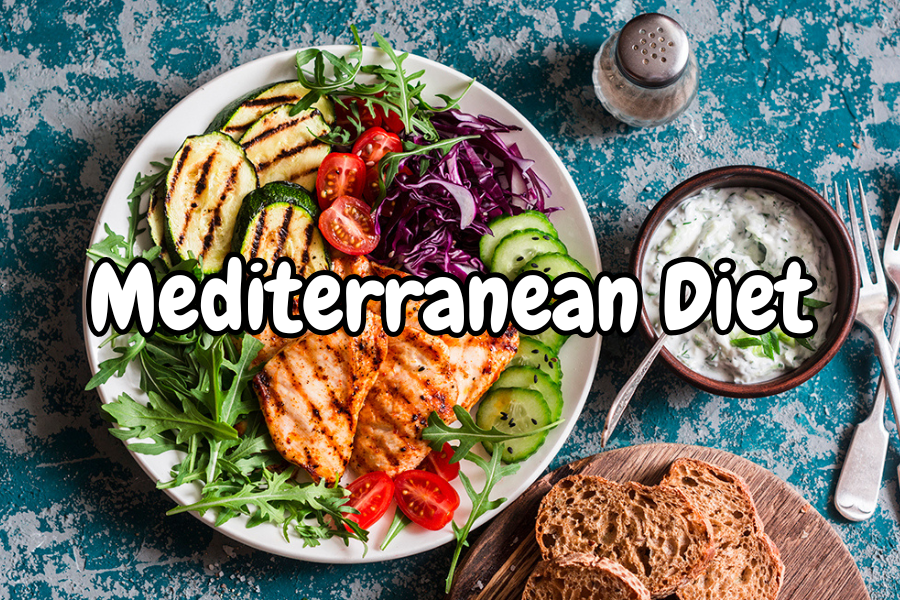
A Mediterranean diet can sound like a total lifestyle overhaul. In reality, it is a series of small, flavorful choices that you can layer into your week. You focus on plants, healthy fats like extra virgin olive oil, and simple home cooking, which together support heart health and can help you manage your weight over time (Cleveland Clinic).
You do not have to cook elaborate seafood feasts or perfectly portioned lunches to see the benefits. Start with a few Mediterranean diet tips that feel doable, keep the ones you enjoy, and build from there.
Understand what the Mediterranean diet really is
The Mediterranean diet is not a strict meal plan or a short-term cleanse. It is an eating pattern inspired by countries that border the Mediterranean Sea, where meals center on plants, whole grains, and healthy fats.
According to the Cleveland Clinic, the traditional Mediterranean diet emphasizes vegetables, fruits, whole grains, beans, legumes, nuts, seeds, and extra virgin olive oil as the main fat source. It includes moderate amounts of fish, poultry, eggs, and fermented dairy like yogurt, and it limits red meat and sweets (Cleveland Clinic).
UC Davis Health notes that this way of eating is strongly linked with a lower risk of heart disease and other chronic conditions, partly because it reduces unhealthy fats, added sugars, and excess sodium and replaces them with nutrient-dense whole foods (UC Davis Health).
Think of it as a flexible framework instead of a rulebook. You have plenty of room to adjust for your taste, budget, and culture.
Know why it helps with weight and health
If you want to lose weight or improve your health, it helps to understand why the Mediterranean diet works so well.
A large body of research, including a critical review of randomized trials and observational studies, has found that people who follow a Mediterranean style of eating have lower rates of coronary heart disease, ischemic stroke, and overall cardiovascular disease (PubMed). The landmark PREDIMED trial from Spain also showed strong cardiovascular benefits from this pattern, even when participants did not intentionally restrict calories (PubMed).
EatingWell reports that the Mediterranean diet has repeatedly been named one of the best overall diets because it supports both heart and brain health. It highlights healthy fats, fiber-rich produce, and whole grains, while limiting saturated fat and ultra-processed foods that often drive weight gain (EatingWell).
For weight management, the combination of fiber, protein, and healthy fats keeps you fuller for longer. That makes it easier to naturally eat fewer calories without counting every bite.
Start with easy Mediterranean swaps
You do not need to throw out your entire pantry. Begin by swapping one or two items you already use.
- Replace butter or regular vegetable oil with extra virgin olive oil when you sauté, roast, or drizzle. EVOO has more heart-healthy unsaturated fats and antioxidants that may help protect against heart disease and inflammation (Cleveland Clinic).
- Trade white bread, white rice, and regular pasta for whole grain versions. Try whole wheat bread, brown rice, farro, or whole wheat pasta for more fiber and better blood sugar control.
- Swap sugary snacks for nuts or fruit. Keep almonds, walnuts, or pistachios on hand, and pair them with seasonal fruit for a satisfying, Mediterranean-friendly snack.
- Use beans or lentils in place of some or all of the meat in soups, stews, and tacos. They are budget friendly, packed with fiber, and a key part of this eating pattern (EatingWell).
Choose the swaps that fit your habits right now. For example, if you already eat toast most mornings, start by changing the bread and spread instead of redesigning breakfast from scratch.
Build a Mediterranean-style plate
Once you have a few swaps in place, you can gently shift how your plate looks. A Mediterranean diet plate is plant heavy, with animal foods acting as complements rather than the main event.
A simple way to think about it:
Fill half your plate with vegetables, one quarter with whole grains or starchy vegetables, and one quarter with protein, then add a drizzle of extra virgin olive oil or a small handful of nuts.
For example, you might have:
- Roasted salmon, a big mix of roasted vegetables, and quinoa with herbs
- A large salad with leafy greens, chickpeas, cucumbers, tomatoes, olives, feta, olive oil, and whole wheat pita
- Lentil soup with carrots and celery, plus a side of whole grain bread and hummus
EatingWell’s beginner plan uses a similar balance and even repeats simple breakfasts and lunches throughout the week to keep things manageable, which you can copy at home (EatingWell).
Make vegetables the star without getting bored
You might worry that centering meals on vegetables means endless salads. With Mediterranean-style cooking, vegetables can be warm, comforting, and deeply flavored.
Try roasting pans of vegetables like eggplant, zucchini, peppers, onions, and cherry tomatoes with olive oil, salt, and dried herbs. Roasting draws out sweetness and adds caramelized edges. Use those vegetables throughout the week over grains, in omelets, or alongside fish or chicken.
Soups and stews are another easy way to pack in produce. Think tomato and white bean soup, lentil stew with spinach, or vegetable minestrone. A drizzle of extra virgin olive oil at the end adds richness plus the healthy fats that define the Mediterranean diet (Cleveland Clinic).
If raw vegetables feel more approachable, build big, colorful salads with different textures: crisp lettuce, grated carrots, sliced cucumbers, cherry tomatoes, olives, and a sprinkle of nuts or seeds. Toss with a quick dressing of olive oil, lemon juice, salt, and pepper.
Focus on healthy fats, not low fat
Unlike many traditional “diet” plans, the Mediterranean diet does not fear fat. Instead, it focuses on quality.
Extra virgin olive oil is the main fat and is linked with heart and brain benefits because of its monounsaturated fats and antioxidants (Cleveland Clinic). You also get healthy fats from:
- Nuts and seeds
- Fatty fish such as salmon, sardines, and mackerel
- Avocado
- Olives
These fats help you feel satisfied after meals, which makes it easier to avoid constant snacking and may support gradual weight loss. What you limit are heavily processed fats like those in many packaged snacks, fast food, and processed meats.
Keep protein simple and satisfying
You do not have to give up meat entirely, but in a Mediterranean diet pattern, protein mostly comes from seafood, beans, lentils, and modest portions of poultry and dairy.
Aim to:
- Eat fish or seafood a couple of times a week if possible
- Include beans or lentils at least a few days a week in soups, salads, or as a side
- Choose yogurt or kefir, especially plain versions, for snacks or breakfast, instead of sugary dairy products (EatingWell)
- Keep red meat and processed meats for occasional use instead of daily staples, as suggested in the Mediterranean diet pyramid that encourages limiting red meat and sweets (Cleveland Clinic)
If you are vegetarian or gluten free, the Mediterranean diet is flexible. You can lean more on nuts, seeds, beans, and gluten free whole grains such as quinoa and brown rice, and still stay fully within the Mediterranean style (Cleveland Clinic).
Make it practical for your week
The more realistic your plan, the more likely you are to stick with it. You do not need to prepare seven different dinners every week.
EatingWell’s beginner Mediterranean plan encourages repeating simple breakfasts and lunches and reusing leftovers for dinners, which reduces prep time and decision fatigue (EatingWell). You can adopt the same strategy:
- Pick one or two easy breakfasts, such as Greek yogurt with fruit and nuts or whole grain toast with olive oil and tomato, and repeat them.
- Rotate a couple of lunches like grain bowls with beans and veggies or big salads with leftovers.
- Cook double portions of dinners so you have ready-made meals for the next day.
UC Davis Health suggests starting with small steps like adding olive oil and extra vegetables to meals and building from there, instead of trying to change everything all at once (UC Davis Health).
Move your body and enjoy the social side
The Mediterranean diet is not just about food. The traditional lifestyle includes daily movement and shared meals.
Try to walk more often, even if it is just a 10 to 20 minute walk after dinner a few nights a week. EatingWell highlights that regular activities like walking pair naturally with the Mediterranean eating pattern and support better overall health (EatingWell).
Whenever you can, eat with family, friends, or coworkers instead of in front of a screen. Slowing down, talking, and savoring your food can help you tune into hunger and fullness cues, which is useful for weight management.
Take your first small step today
You do not need a perfect plan to get started. Pick one change that feels easiest right now.
Maybe you drizzle extra virgin olive oil on tonight’s vegetables instead of using butter. Maybe you swap tomorrow’s white toast for whole grain and top it with hummus and sliced tomato. Or you might add one vegetable-based dinner to your week.
Over time, those small shifts add up. Research suggests that the more closely you follow a traditional Mediterranean diet pattern, the more your heart and overall health can benefit (PubMed). You get to build that pattern at your own pace, in a way you actually enjoy.
About the Author