A macronutrient chart for athletes can be one of the simplest tools to upgrade your performance, energy, and recovery. Instead of guessing how much protein, carbs, or fat you need, you can use clear ranges that are based on your body weight, training volume, and sport.
Below, you will find an easy-to-follow macronutrient chart for athletes, plus practical guidance to help you personalize it to your goals.
What macronutrients actually do for you
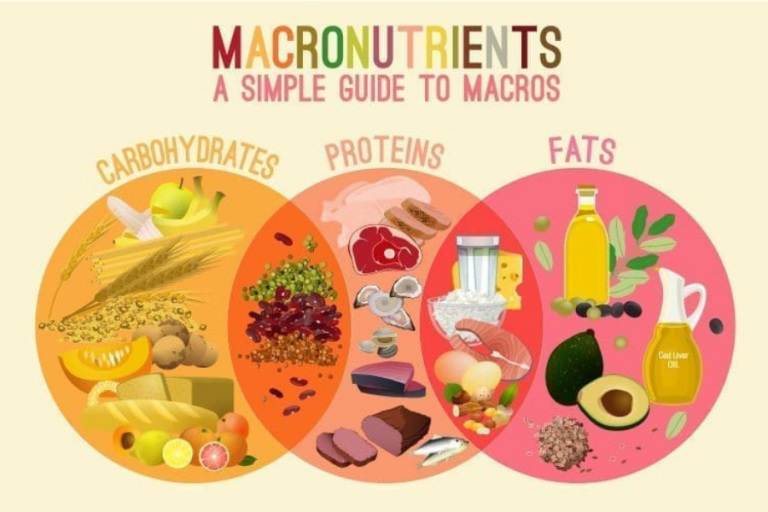
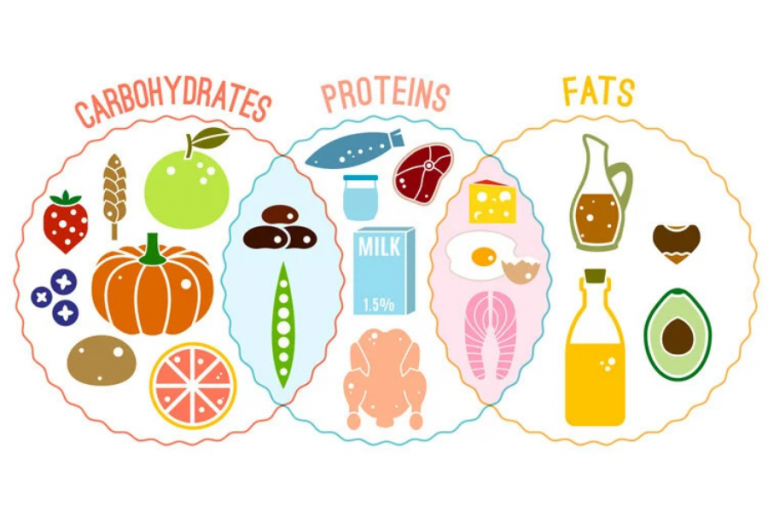
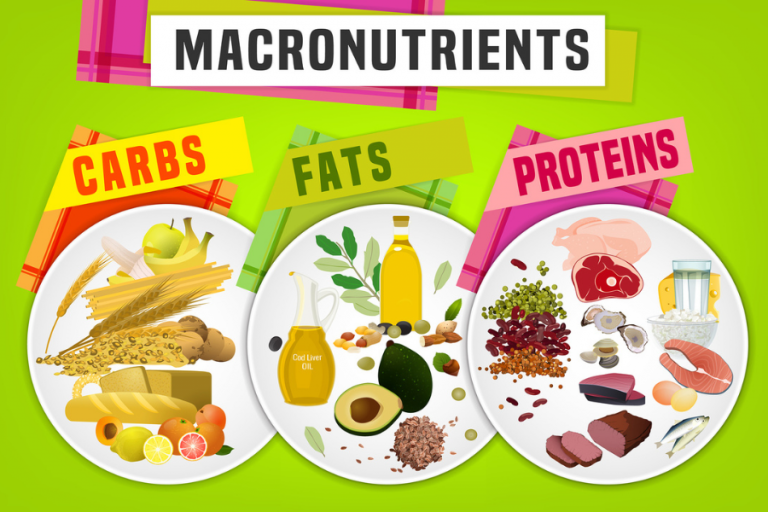
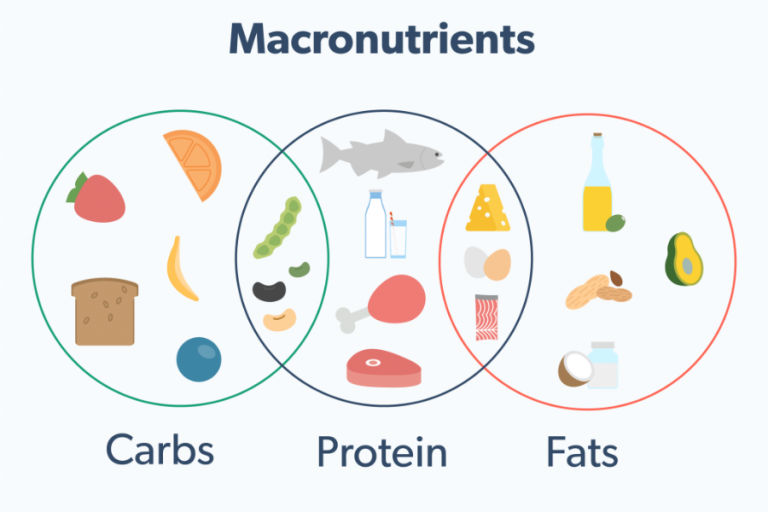
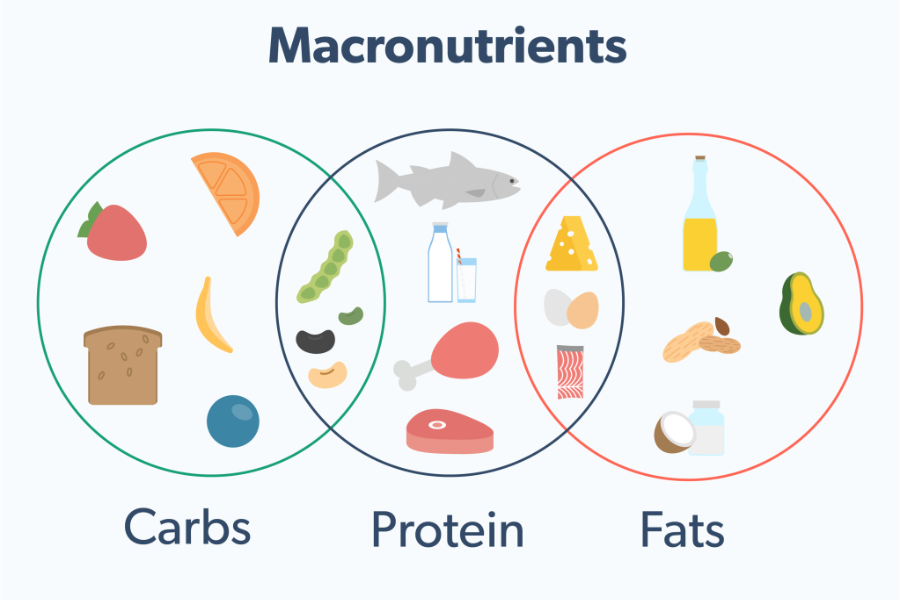
Macronutrients are the nutrients you eat in large amounts that provide energy: protein, carbohydrates, and fats. As an athlete or active man, you need all three. The key is getting them in the right amounts for your training.
- Carbohydrates are your main fuel during exercise. They are stored as glycogen in your muscles, which lets you push harder and longer. Complex carbs from whole grains, fruits, and vegetables give you steady energy, while simple carbs from very processed foods are best reserved for quick fuel around intense training sessions (GSU Recreation).
- Protein supports muscle repair, growth, and immune function. For athletes, daily protein needs are higher than for sedentary men. Most active people do well with 1.2 to 2.0 grams per kilogram of body weight, and up to 2.7 g/kg if you are trying to lose fat while gaining lean mass (Sports Health).
- Fats support hormone production, brain function, and vitamin absorption. Healthy unsaturated fats such as olive oil, avocados, nuts, seeds, and fatty fish are especially important. You want fat to make up roughly 20 to 35 percent of your total daily calories and to limit trans fats and high saturated fat intake (Sports Health).
Getting a handle on these three makes it much easier to plan meals that work for your body instead of against it (Quest for Fitness).
Why athletes cannot rely on generic ratios
You have probably seen one-size-fits-all macros like 40 percent carbs, 30 percent protein, 30 percent fat. These simple percentages are easy to remember but they are not tailored to training volume or sport type.
Sports nutrition research repeatedly points out that athletes do better using grams per kilogram of body weight rather than fixed percentages:
- Carbohydrate needs range from 3 to 5 g/kg for light activity and up to 8 to 12 g/kg for heavy endurance training (Sports Health).
- Protein commonly falls between 1.2 and 2.0 g/kg for athletes, but can rise higher during aggressive body recomposition or intense endurance blocks (Sports Health, Triathlete).
- Fat typically fills the remaining calories, usually 20 to 35 percent of your total intake (Sports Health).
In other words, your ideal macros depend on how hard and how often you train, not a simple pie chart. The chart below translates this into practical ranges you can adapt.
Macronutrient chart for athletes
Use this chart as a starting point. You can adjust upward or downward based on how you feel, your body composition goals, and your sport.
| Training level / goal | Carbs (g/kg/day) | Protein (g/kg/day) | Fat (% of calories) | Best for |
|---|---|---|---|---|
| Light activity (1–3 hrs/week) | 3–5 | 1.0–1.2 | 25–35% | General fitness, maintenance |
| Moderate training (3–5 hrs/week) | 5–7 | 1.2–1.6 | 25–30% | Team sports, mixed cardio + lifting |
| Heavy endurance (5–10 hrs/week) | 7–10 | 1.4–1.8 | 20–30% | Running, cycling, triathlon (Sports Health, Triathlete) |
| Strength / muscle gain | 4–6 | 1.6–2.0 | 20–30% | Hypertrophy, powerlifting (Sports Health) |
| Fat loss with muscle retention | 3–5 | 1.8–2.7 | 20–30% | Cutting phase, recomposition (Sports Health) |
This chart is meant to be flexible. Your exact numbers will shift based on the season, your competition schedule, and how your body responds.
How to calculate your daily macros
Once you know your training category from the chart, you can plug in your body weight.
Step 1: Convert your weight to kilograms
If you know your weight in pounds, divide by 2.2.
For example, if you weigh 180 pounds:
- 180 ÷ 2.2 ≈ 82 kg
Step 2: Choose your carb and protein ranges
Say you are a moderately training athlete who lifts and does some cardio. You might use:
- Carbs: 5 to 7 g/kg
- Protein: 1.4 to 1.6 g/kg
- Fat: 25 to 30 percent of calories
For that 82 kg body weight:
- Carbs: 82 × 5 = 410 g to 82 × 7 = 574 g per day
- Protein: 82 × 1.4 = 115 g to 82 × 1.6 = 131 g per day
Step 3: Determine calorie needs and set fats
Calories are the foundation. Endurance guidance suggests that very active athletes may need 16 to 20 calories per pound of body weight, and ultraendurance training can require 25 to 30 calories per pound (Seven Summits Snacks).
Using 180 pounds and 18 calories per pound for a solid training phase:
- 180 × 18 = 3240 calories per day
If fat is 25 percent of calories:
- 0.25 × 3240 = 810 calories from fat
- Each gram of fat is 9 calories, so 810 ÷ 9 ≈ 90 g of fat per day
You now have daily targets for carbs, protein, and fat that reflect both your size and your training volume.
Timing your macros for performance
Total daily intake matters most, but timing can improve how you feel and perform around workouts.
Before your workout
You want a pre workout meal or snack that tops up glycogen without upsetting your stomach. Guidance from multiple sources suggests:
- 4.5 to 18 grams of carbs per 10 pounds of body weight, eaten 1 to 4 hours before exercise, with smaller amounts if you are closer to your session (MSU Extension)
- A moderate dose of protein, about 10 to 40 grams, to reduce muscle breakdown without causing digestive issues (MSU Extension)
In practice, that might look like oatmeal with fruit and Greek yogurt if you have a couple of hours, or a banana and a small protein shake if you only have 45 to 60 minutes.
During long sessions
If you train longer than 60 to 90 minutes, mid workout fueling helps maintain performance:
- 30 to 60 grams of carbs per hour from sports drinks, gels, chews, or easy snacks (MSU Extension, PMC)
- Fluids with about 2 grams of carbohydrate per ounce plus electrolytes if you sweat heavily (MSU Extension)
Your body relies heavily on carbs once intensity goes above roughly 70 percent of your maximum, so regular intake during effort protects your pace and focus (PMC).
After your workout
Post workout nutrition is where your macronutrient chart for athletes really pays off in recovery.
Research based recommendations include:
- Carbs: around 0.45 to 0.55 grams per pound of body weight, so roughly 75 g for a 150 pound athlete (MSU Extension)
- Protein: 20 to 40 grams of high quality protein within 30 to 90 minutes after training to stimulate muscle protein synthesis (PMC, MSU Extension)
A simple example is a chicken and rice bowl with vegetables, or a protein smoothie plus a bagel or oatmeal if you need something fast. Combining carbs and protein can speed up glycogen recovery and reduce muscle damage markers (PMC).
Do not forget calories and hydration
Macros are important, but they only work if your total energy intake and fluid balance are on point.
Calorie intake
If you chronically under eat, your training, mood, and recovery will all suffer. Inadequate calories can lead to:
- Fatigue
- Loss of muscle mass
- Reduced endurance and speed
- Higher risk of injury and illness
This pattern is widely reported in athletic populations and is highlighted in university recreation guidance on proper fueling (GSU Recreation).
If your weight is dropping quickly, your performance is sliding, or you feel constantly run down, you may need to nudge your daily calories upward even if your macro distribution looks good on paper.
Hydration
Fluids and electrolytes are as important as carbs for performance in the heat or during long sessions. One practical guideline is to replace 19 to 23 ounces of fluid for every pound of body weight lost during exercise (MSU Extension).
Weigh yourself before and after long or intense sessions occasionally. If the scale is down by two pounds, you have a rough target of 38 to 46 ounces of additional fluid over the next couple of hours.
How to adjust your macros over time
The macronutrient chart for athletes is not a rigid rulebook. It is a living framework you can tweak based on feedback from your body and your training log.
Here are simple checkpoints to adjust:
- If you are always hungry and losing weight fast, increase carbs and fats slightly while keeping protein stable.
- If your weight is climbing faster than you want, trim carbs or fats by small amounts and watch the trend for a couple of weeks.
- If your legs feel heavy or your pace drops at the end of workouts, check your carb intake before and during training.
- If soreness lingers for several days or your strength stalls, review protein intake and post workout timing.
You do not have to be perfect. Start with the ranges that match your sport and schedule, track your meals for a week or two, and make one change at a time.
Key takeaways
- A macronutrient chart for athletes helps you move from guesswork to a clear plan based on body weight and training volume.
- Carbs should rise with training duration, typically 3 to 10 g/kg/day depending on how hard and how often you work out (Sports Health).
- Protein for athletes commonly falls between 1.2 and 2.0 g/kg, and sometimes higher during cutting or heavy training blocks (Sports Health).
- Healthy fats generally make up 20 to 35 percent of your daily calories and support hormones, brain function, and long term health (Sports Health).
- Timing matters, especially fueling 1 to 4 hours before, 30 to 60 g of carbs per hour during long sessions, and 20 to 40 g of protein plus carbs soon after training (PMC, MSU Extension).
Pick one training day this week, use the chart to map out your carbs, protein, and fats, and notice how your body responds. From there, you can keep refining until your nutrition supports the way you want to perform, not just the way you happen to eat now.
About the Author