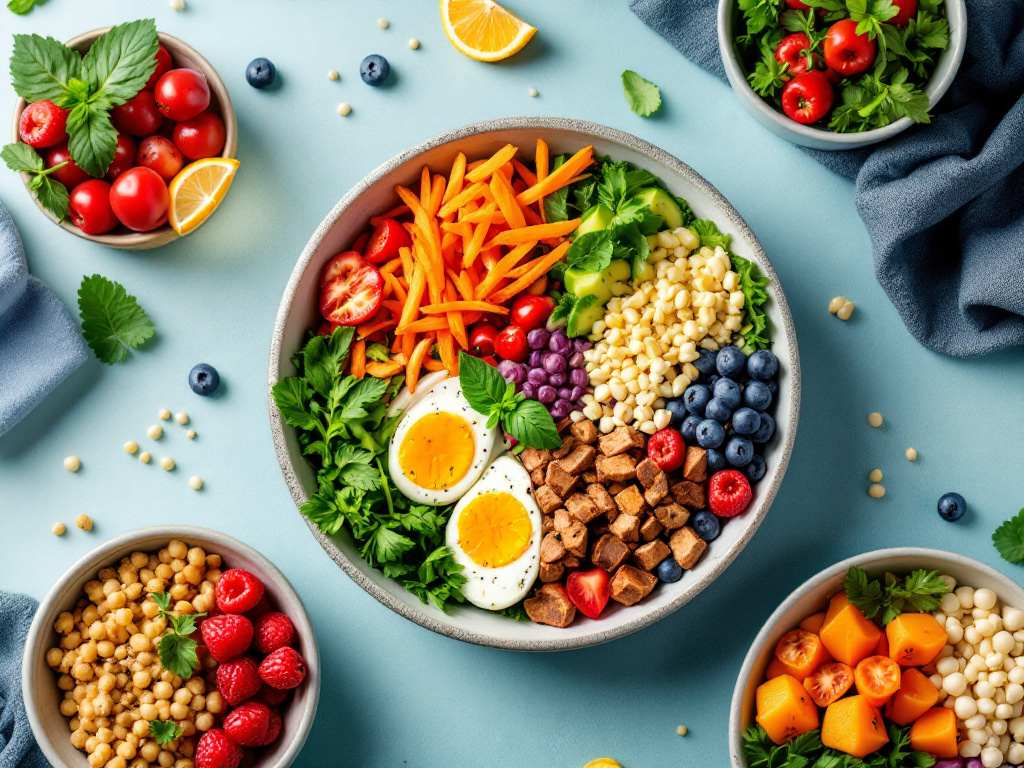
Image by Flux
A solid workout starts well before you touch a weight or hit the treadmill. The best pre-workout meals give you steady energy, keep your stomach comfortable, and help your muscles perform at their best. With a few simple tweaks to what and when you eat, you can make every session feel stronger and more focused.
Why pre-workout meals matter
Think of your pre-workout meal as the fuel stop before a drive. You would not start a road trip on an empty tank or with the wrong kind of fuel. Your body works the same way.
Carbohydrates are your main source of quick energy during intense exercise. They top up your glycogen stores, which your muscles rely on when you lift heavy, sprint, or push through long cardio sessions. Pair those carbs with protein and you support muscle repair and growth at the same time. Research shows that combining carbs and protein before a workout can boost performance and muscle protein synthesis, especially for longer or harder sessions (Healthline).
You also need to think about digestion. Meals that are too heavy in fat or fiber can sit in your stomach and make you feel slow or uncomfortable once your heart rate climbs. That is why the best pre-workout meals are usually higher in carbs, moderate in protein, and lighter in fat and fiber (NASM).
How timing affects your performance
You do not need a complicated nutrition schedule, but timing matters more than most people realize.
If you eat 2 to 3 hours before exercise, you can handle a fuller, balanced meal that includes carbs, protein, and some healthy fat. This timing helps you avoid feeling bloated or sluggish during your session and can maximize your workout results (Healthline).
When you are eating closer to your workout, the rules change:
- About 1 to 1.5 hours before: Aim for carbs with some protein and go lighter on fat and fiber so digestion is easier.
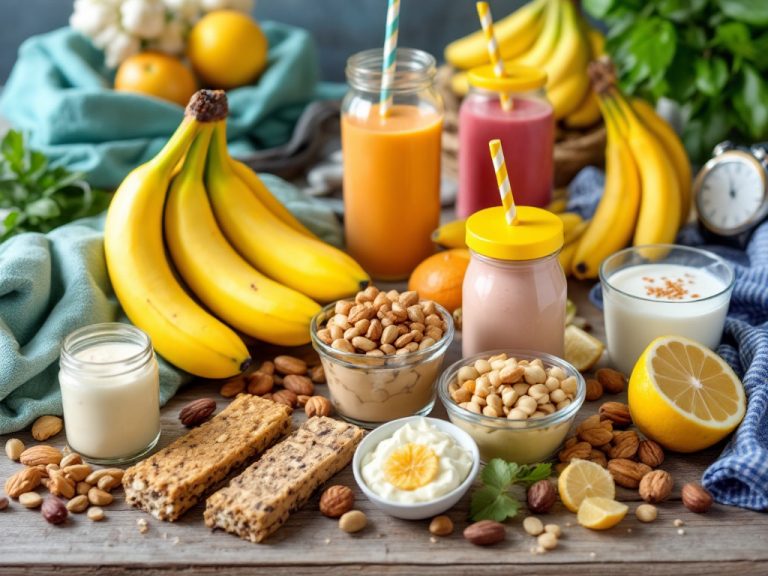
- About 30 to 60 minutes before: Choose a small, easily digestible snack such as a banana, oatmeal, or a protein shake. This helps you avoid an upset stomach while still giving you usable energy (Healthline).
If you only have 30 minutes or less, a liquid option like a smoothie or a sports drink is often best because it empties from your stomach faster and is less likely to cause discomfort (NASM).
Key nutrients to prioritize
You do not need to count every gram, but you do want the right balance.
Carbohydrates should take the lead, especially for high-intensity or longer workouts that last more than 60 minutes. Your muscles prefer carbs for fuel at higher intensities and using them can delay fatigue and keep your performance up (Healthline, Texas Health).
Protein helps your muscles handle the stress of training. Eating protein before exercise can increase muscle protein synthesis, reduce muscle damage, and support recovery afterward (Healthline).
Fat is not the enemy, but timing is important. Healthy fats like nuts, seeds, and avocado provide long-lasting energy if you eat them a few hours before training. If you eat them right before you start, they digest slowly and can lead to bloating or a heavy feeling during your workout (Healthline).
Hydration is just as important as food. The American College of Sports Medicine recommends drinking water and sodium-containing fluids starting several hours before you exercise to help you begin your workout well hydrated and to avoid performance-killing dehydration (Healthline).
Best pre-workout meals 2 to 3 hours before
When you have a solid window before you train, you can think of this as a regular meal that is optimized for performance.
A simple way to plan it is to build your plate around:
- A generous portion of complex carbohydrates
- A palm-sized serving of lean protein
- A small amount of healthy fat
- Mostly low to moderate fiber so your stomach stays settled
One classic option is chicken, rice, and vegetables. The chicken provides lean protein while the rice offers complex carbs for slow, steady energy. Non-starchy vegetables add volume and nutrients without weighing you down. This type of meal works especially well 2 to 3 hours before a strength session or a long cardio day (MyProtein).
Oatmeal also makes a strong pre-workout base during this time frame, particularly if you train in the morning. Oats digest slowly and provide long-lasting carbohydrate energy. Adding some protein powder or a spoonful of peanut butter brings in extra protein and healthy fat for more sustained fuel (MyProtein).
If you are going to lift heavy or do intense intervals, this is the meal that fills your tank so you can push hard without crashing.
Best pre-workout meals 60 to 90 minutes before
With 1 to 1.5 hours before your workout, you want something lighter that still covers carbs and protein.
Good choices here are:
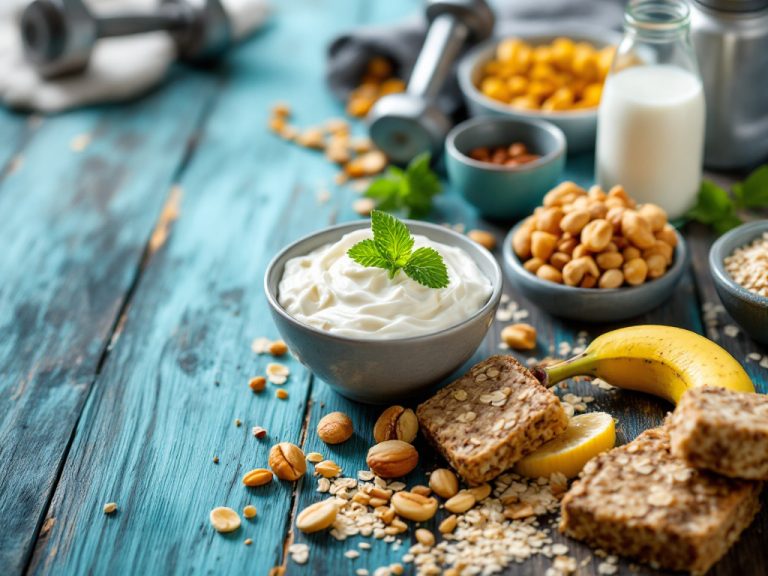
- Oatmeal made with milk and topped with a small amount of fruit
- Greek yogurt with berries and a drizzle of honey
- A turkey sandwich on whole grain bread, with light condiments
- An energy bar that has a balance of carbs and protein and not too much fiber
This timing works well for both cardio and strength workouts. For runs that last 60 to 90 minutes, for example, an energy bar that provides around 50 grams of carbs, 5 to 10 grams of protein, and under 5 grams of fiber about an hour before can keep your energy up without upsetting your stomach (IRONMAN).
For lifters, a small meal that includes carbohydrates and around 20 grams of protein in this window helps prepare your muscles for heavy work and supports recovery afterward (MyProtein).
Best quick snacks 30 to 60 minutes before
If you are short on time, the best pre-workout meals become more like strategic snacks. You want something that digests quickly, focuses on carbs, and includes just enough protein to be useful.
A few solid options are:
- A banana on its own or with a thin spread of almond or sunflower seed butter. This gives you about 30 grams of carbs, some healthy fat, and a little protein, which can stabilize energy for cycling or other cardio when eaten around 60 minutes before (MyProtein, IRONMAN).
- Whole wheat toast topped with sliced banana and a sprinkle of cinnamon. The toast and banana provide complex and simple carbs for both quick and sustained energy, while cinnamon may help keep your blood sugar more stable (Planet Fitness).
- A small bowl of oatmeal with a few nuts or seeds. This delivers a mix of simple and complex carbs, plus a bit of protein and fat, for workouts that start within an hour (Healthline, MyProtein).
- Avocado toast on a slice of brown rice bread. This combination provides close to 30 grams of carbs with some fat and protein, and it is generally easy to digest when eaten 30 to 60 minutes before a run, especially if you are sensitive to gluten or dairy (IRONMAN).
If you only have about 30 minutes, a smoothie or a sports drink might be your best bet. A 12 ounce sports drink that contains carbs and electrolytes can be especially helpful before a swim when you are tight on time since it digests fast and can help prevent cramping (NASM, IRONMAN).
Pre-workout meals for different workouts
Your ideal pre-workout meal depends partly on what you are about to do. Different types of training place different demands on your body.
For cardio and HIIT
Running, cycling, and high-intensity interval training burn through energy quickly. You want carbs that hit fast and then last a while, with very little fat or fiber. Heavy or high fiber foods increase the risk of cramps, nausea, or urgent bathroom breaks.
UCLA Health recommends a moderate meal some time before your workout and then, if needed, a last minute carb-focused snack for extra energy before you start, while avoiding high fat or high fiber foods that can cause stomach issues (UCLA Health).
If your session will last longer than 60 minutes, those pre-workout carbohydrates become even more important because they help maintain your glycogen stores and delay fatigue (Healthline).
For strength and lifting days
For weight training or resistance work, you still need carbs, but your protein intake becomes more critical. A pre-workout meal that supports energy and muscle performance will include both, and it should be timed so that you do not feel heavy when you start your sets. UCLA Health notes that strength sessions benefit from meals that prepare your muscles for stress and give you steady energy rather than a sugar spike and crash (UCLA Health).
A plate of chicken and rice 2 hours before, or oatmeal with protein powder 60 to 90 minutes before, fits this pattern well.
For yoga, mobility, or light training
On lower intensity days such as yoga, Pilates, or light stretching, your focus shifts more to feeling comfortable and avoiding any digestive distraction. You still want to be hydrated and lightly fueled, but you do not need the same carb load you would use for sprints or heavy squats.
UCLA Health suggests eating foods that make your body feel comfortable and strong and paying attention to hydration to match the more relaxed nature of these workouts (UCLA Health).
A small snack such as fruit with a handful of nuts, or yogurt and berries, usually works well here.
What to avoid before your workout
Knowing what not to eat can be just as useful as knowing what to grab.
Very high fat, high fiber, or very sugary options right before a workout are the main troublemakers. Large portions of cheese, for example, are not ideal, because they are high in fat and protein but low in carbs, and they digest slowly. If you want cheese, it is better to pair a small amount with a carb source like whole grain bread and eat it further away from your workout (Planet Fitness).
Beans can be great for your overall diet, but their raffinose content, an indigestible carbohydrate, can lead to gas and bloating if you eat them too close to exercise. If you do have beans before the gym, keep the serving small and leave enough time before you start training (Planet Fitness).
Candy and similar sugary snacks can feel like an easy boost, but they often lead to a quick blood sugar spike followed by a crash, which can make you feel tired or lightheaded during your session. A bowl of oatmeal with fresh fruit offers the same energy in a more stable form, thanks to its blend of complex and simple carbs (Planet Fitness).
Very high fat or high fiber meals of any type close to your workout can slow digestion and increase the chance of stomach issues, so it is smart to move those foods to earlier in the day or after your session (Texas Health).
A useful rule of thumb: the closer you are to your workout, the simpler and lighter your food should be.
Putting it all together
You do not need a perfect plan to see a clear difference from better pre-workout nutrition. Start small and build from there.
Choose one change you can make before your next session. Maybe that means swapping a random snack for a bowl of oatmeal and fruit an hour before you lift, or trading a heavy fast food meal for chicken and rice a couple of hours before you run.
Pay attention to how you feel during your workout. More steady energy, less stomach discomfort, and better focus are all signs that your pre-workout meals are working for you. Over time, you can fine tune the timing and portions that fit your schedule and your goals, so fueling becomes as automatic as lacing your shoes.
About the Author