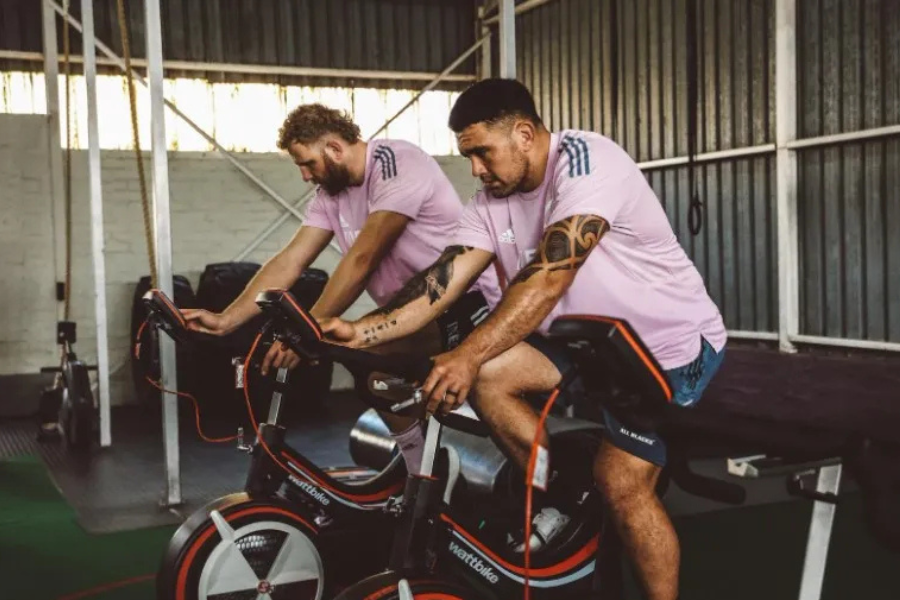
Whether you are brand new to fitness or simply looking to shake up your cardio routine, a beginner exercise bike workout is one of the most accessible ways to get fast results. You can work up a sweat at your own pace, refine your endurance, and track clear progress over time. It does not matter if you have a small apartment with minimal space or you just want a convenient at-home cardio solution, an exercise bike offers you an efficient path to better health.
Some days you might hop on for a quick 15-minute ride, and other days you may set your sights on longer sessions. You control your resistance and speed, so you can ease into your routine without the risk of overdoing it. By making small adjustments in how you set up your bike, plan your workouts, and measure your improvements, you will quickly see how manageable it is to get stronger, fitter, and more energized.
Get comfortable on your bike
The first step in any beginner exercise bike workout is setting up your bike for comfort and proper form. This means adjusting the seat height so your knees have a slight bend at the bottom of each pedal rotation. If the seat is too high, you risk straining your joints. If it is too low, you will struggle to pedal smoothly, and your back might start aching.
Placement of your handlebars also matters. You want enough support to avoid hunching over. If your arms or shoulders feel tense, try raising the handlebars a bit more. As you pedal, keep your spine neutral, engage your core, and relax your upper body. This slight emphasis on posture helps you maintain a steady rhythm for the length of your ride. Remember that small adjustments in seat and handlebar height can make a big difference in comfort and efficiency.
Check your bike’s stability
Always ensure your bike is set on level ground. If your home floors are uneven, place a small mat or sturdy board beneath the base of the bike. A stable bike reduces wobbling, which helps you focus on pedaling rather than balancing.
Structure your workout routine
Many beginners jump onto an exercise bike and pedal at a random pace until they tire out. Although any movement is better than none, a structured workout plan helps you see progress and avoid plateaus. For instance, you can divide your session into five-minute segments, each with a different resistance or pace.
If you are aiming for better cardiovascular endurance, extend your ride in small increments. Start with 10 to 15 minutes, then build up to 20, 25, or even 30 minutes over a series of rides. If you prefer short blasts of high-intensity training, consider applying intervals (more on that below) or integrating active recovery periods at a lighter pace. By having a clear plan, you stay motivated and make the most of the time you invest in your workouts.
Mix intensity levels
It is helpful to incorporate segments of steady, moderate pedaling with brief bursts of faster speeds. This variation keeps your muscles guessing and avoids boredom. For instance, think of doing two minutes of moderate intensity followed by a quick 30-second sprint, then returning to a moderate pace.
Focus on gradual progression
You might be excited to push your limits on day one, but a key principle of any beginner exercise bike workout is pacing yourself. Exercise bikes are gentle on your joints compared to running or high-impact routines, yet you still want to steadily increase your speed and resistance instead of racing toward an advanced level too quickly. Sudden spikes in resistance or daily hour-long sessions can lead to fatigue or burnout before your true potential has a chance to shine.
As a goal, aim to add an extra minute or two to your workouts each week. Likewise, increase your resistance setting in small increments. With consistent progress, your legs adapt, your breathing becomes more controlled, and you will be able to handle more challenging sessions without unnecessary pain or frustration.
Celebrate small wins
Whenever you add a few extra minutes or increase the resistance by one notch, give yourself credit. These improvements add up over time. You might start at a very light setting, but every small step forward has a lasting impact on your cardiovascular fitness and overall health.
Use intervals to burn fat
Interval training is one of the quickest ways to boost calorie burn and strengthen your heart. When you alternate between short, intense sprints and steadier recovery periods, your body ramps up endurance and efficiency. The beauty of intervals on an exercise bike is that you control exactly how fast you go, which means you can explore your limits without ever leaving your living room.
A simple interval approach is to pedal at a challenging resistance for 20 to 30 seconds, then ease back to a comfortable pace for 60 seconds. Repeat this pattern for several rounds, adjusting the intensity based on how you feel. Over time, you may gradually increase the length of your high-intensity portion or reduce the recovery period to push yourself further.
Here is a quick list of interval tips that may help you stay on track:
- Warm up for at least 3 to 5 minutes before starting intervals.
- Begin your sprints at a resistance that feels intense but still allows you to pedal safely.
- Shift to a lighter resistance or speed during recovery phases, letting your heart rate come down.
- Cool down for a few minutes by pedaling at an even lower intensity.
Stay motivated for lasting results
Sticking with a routine is easier if you find ways to keep yourself engaged and accountable. For some people, this might involve creating an upbeat playlist that matches their pedal rhythm. Others prefer listening to audiobooks or podcasts, turning workout time into a chance to catch up on reading material. You can also set weekly or monthly goals, such as increasing total ride minutes or trying new interval structures.
Keeping a workout journal or using a fitness app lets you note down your rides, track your progress, and see patterns in how your stamina evolves. You will be surprised how motivating it is to look back at your starting resistance or distances and realize you have come a long way. For extra encouragement, consider finding an online workout group or buddy who shares your goals. Swapping ideas, progress updates, and words of support can help you push through days when motivation dips.
Visualize your future gains
Occasionally it is tough to see immediate physical changes, so visualize how you will feel after consistent workouts. Are you aiming for more energy, improved mood, or a stronger heart? By zeroing in on those long-term benefits, you transform each ride from a chore into a choice that supports your well-being. Over time, your legs feel stronger, your breathing becomes smoother, and your confidence grows as you conquer higher levels of resistance.
Conclusion
An exercise bike is a versatile companion on your fitness journey, offering a low-impact introduction to cardio that can rapidly grow in intensity as you become more comfortable. When you focus on proper bike setup, structured planning, gradual progression, and motivational strategies, you unlock a beginner exercise bike workout that brings quick wins and long-term benefits.
Whether you ride at home or in the gym, be patient with yourself, celebrate every improvement, and experiment with different session lengths and interval styles. It will not be long before you notice a boost in your endurance, a calmer state of mind, and the excitement of mastering a workout routine designed just for you. Embrace the process, and enjoy the results your commitment will bring.
About the Author