A solid workout plan takes the guesswork out of your time in the gym. Instead of wandering between machines, you know exactly what to train, how often, and how hard. The right workout programs for men help you build muscle, get stronger, and stay consistent, whether you are a complete beginner or have been lifting for years.
Below, you will find clear, practical guidance on picking the right style of workout program for your level, plus what to focus on in the gym and in the kitchen so your effort actually shows up in the mirror.
Understand what a good workout program does
A good workout plan is more than a random list of exercises. It gives you structure, progression, and a reason for everything you do.
A well designed program will usually:
- Train each major muscle group multiple times per week
- Use mostly compound lifts, like squats and presses, that work several muscles at once
- Include 3 to 4 sets of 8 to 12 reps for most exercises, which is ideal for muscle gain
- Build in progression so you gradually increase weight, reps, or sets over time
- Include planned rest days so your muscles can repair and grow
PureGym’s muscle gain advice notes that working each muscle group 2 to 3 times per week and using challenging weights in the 8 to 12 rep range is a reliable way to target hypertrophy, or muscle growth, as long as your form stays solid.
Think of a workout program as a roadmap. If you follow it consistently, you can expect steady progress instead of stalling out after a few weeks.
Choose the right starting level
Before you commit to a plan, be honest about where you are right now. Your experience level will affect how often you should train and how complex your routine should be.
If you are new or returning after a long break
If you have less than one year of lifting experience, or you are coming back after months or years off, you fall into the beginner category.
Beginners often get rapid “newbie gains” as your body learns how to use your muscles more efficiently. You can build noticeable muscle and strength even with simple routines, as long as you stick with them.
For beginners, a 3 day per week full body gym workout routine is ideal. PureGym recommends full body sessions that focus on:
- 1 main exercise per body part
- 3 sets of 8 to 12 reps per movement
- Rest periods of about 90 to 180 seconds for big lifts, and 60 to 90 seconds for smaller accessory exercises
This setup is the foundation of many effective workout programs for men because it hits the whole body frequently while still allowing ample recovery.
If you have been lifting consistently for 1 to 2 years
If you have at least a year of steady training under your belt, your body is past the easy beginner phase. You are probably an intermediate lifter.
At this stage, you will not gain strength or muscle from just “showing up” to the gym. You need more planned volume, more thoughtful exercise selection, and a clear progression strategy.
Intermediate programs often use a 4 day per week upper lower split. PureGym’s example for this level includes:
- More total sets and reps per muscle group
- Higher variety of movements that hit muscles from different angles
- Rest intervals of 90 to 180 seconds for heavy compound lifts
You still recover well, but you benefit from a bit more training stress than beginners.
If you have 2+ years of serious training
If you have been training consistently for two years or more, you are likely in the advanced category. Your gains come slower now and every improvement requires more precision.
Advanced workout programs for men often run 5 to 6 days per week and use split routines such as push pull legs. These routines:
- Spread volume across several days so you can focus on a few muscle groups per session
- Include higher total weekly sets, often 12 to 24 per muscle group
- Use a mix of heavy powerlifting style work and moderate to high rep bodybuilding movements
At this stage, it is common to use supersets, advanced techniques, and more detailed tracking of sets, reps, and loads to keep progressing.
See how a structured 4 week beginner plan works
If you are unsure where to start, it helps to look at a concrete example. The Complete 4 Week Beginner’s Workout Program is designed for men who are new to training or coming back after a long break. It aims to noticeably improve physique and fitness in a month by carefully ramping up intensity and volume.
Here is how that structure looks across the four weeks:
| Week | Split style | Sessions per week | Focus |
|---|---|---|---|
| 1 | Full body | 3 | Learn movements, build base strength |
| 2 | Upper / lower | 4 | Add exercise variety and endurance |
| 3 | Push / pull / legs | 6 | Increase volume and frequency |
| 4 | 4 day focused split | 4 | Higher sets per exercise, balanced detail work |
In week 1, you follow full body workouts three times per week. You do one exercise per body part and use a reverse pyramid rep scheme of 8, 10, and 12 reps. Over the week, that adds up to around nine sets per muscle group which is right in the sweet spot for hypertrophy.
In week 2, the plan shifts to an upper lower split four days per week. You add a second exercise for each body part and go up to 15 reps on some sets. This introduces more variety and builds muscular endurance alongside size.
Week 3 ramps things up further. You switch to a three day split of push, pull, and legs but train six days per week. Large muscle groups can reach up to 16 sets per week, which significantly increases training volume so you keep growing.
In week 4, you move to a four day split that focuses on fewer muscle groups per session. You can push up to five sets per exercise and train calves and abs twice per week. This combination of focused sessions and increased sets maximizes overload while still allowing full body balance.
Even if you follow a different plan, you can borrow the same idea: start with simple full body sessions, then gradually add volume, variety, and frequency over several weeks.
Understand key training principles that drive results
No matter which workout program you choose, a few core training principles will decide whether you progress or spin your wheels.
Train with enough volume and intensity
For muscle growth, your muscles need enough work to be challenged. Research, including guidance from PureGym, suggests that 3 to 4 hard sets of 8 to 12 reps per exercise works very well for hypertrophy.
The key is that the last few reps feel tough but still controlled. You should feel like you could maybe do 1 or 2 more reps with good form, but not 5. This is often called leaving “reps in reserve” and it helps you push hard without burning out.
Use progressive overload
Progressive overload simply means doing a bit more over time. Your body adapts to what you give it. If the challenge never increases, the results stop coming.
You can create progressive overload by:
- Adding a small amount of weight to the bar or dumbbell
- Doing an extra rep with the same weight
- Adding another set for a key exercise
- Decreasing rest time slightly once your fitness improves
PureGym highlights progressive overload as essential to avoid plateaus and to keep stimulating new muscle growth. Without it, even the best looking routine will eventually stop working.
Match frequency and split to your lifestyle
You might see advanced plans that train six days per week with a push pull legs split. This style can be highly effective, since it lets you train each muscle several times with targeted recovery between sessions. It is especially useful if you enjoy being in the gym often and recover well.
However, for many men, four days per week with an upper lower split, or three days per week with full body training, fits better with work and family life. The best workout programs for men are not just effective on paper. They are realistic enough that you can stick with them for months, not days.
Respect rest, recovery, and nutrition
Training is only part of the picture. Your body actually grows stronger when you recover between sessions, not while you are lifting.
Balance training days and rest
For most men trying to build muscle, training each muscle group 2 to 3 times per week and going to the gym 2 to 6 days weekly works well. The exact setup depends on your split.
You might use:
- 3 days: full body, rest days in between
- 4 days: upper lower, repeated twice per week
- 5 to 6 days: push pull legs, repeated once or twice per week
Make sure you have at least one full rest day each week, especially if you are training intensely. Your joints and nervous system need that time as much as your muscles do.
Eat to support your training
Nutrition plays a crucial role in muscle building. If you are under eating, it is very hard to add size, even if your program is perfect.
For building muscle, you typically want:
- A slight calorie surplus, around 5 to 10 percent above your maintenance level
- At least 1.4 grams of protein per kilogram of bodyweight each day, from foods like lean meats, fish, eggs, legumes, and dairy
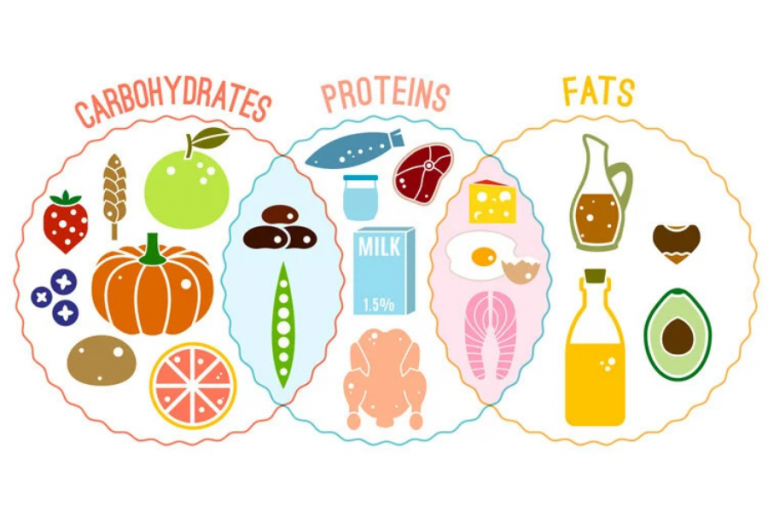
Adequate carbs help fuel your workouts and replenish energy, while healthy fats support hormones and overall health. PureGym stresses that aligning your calorie and macronutrient intake with your training intensity and goals is essential if you want your time in the gym to pay off.
If your main goal is to lose fat while building or maintaining muscle, you can use a small calorie deficit instead. In that case, keep your protein high and hold on to your resistance training so your body has a reason to keep muscle.
Use workout plans to stay motivated and accountable
Beyond the physical changes, a structured plan makes your gym time feel more purposeful. Lysander Maynard, a PT and bodybuilder from PureGym Calcot, points out that having a workout plan is crucial for progress. It:
- Removes guesswork about what to do each day
- Helps you move efficiently through a crowded gym
- Makes progressive overload easier to track and apply
- Boosts motivation because you can see clear steps and milestones
Men new to training might see quick gains even with a loose routine, but intermediate and advanced lifters need this structure to keep improving. PureGym’s own plans for men at beginner, intermediate, and advanced levels follow this logic by laying out clear sets, reps, and exercise choices for you.
If you can, commit to following a chosen plan for at least six weeks before making big changes. This gives your body time to adapt and lets you see whether the program really works for you.
Put it all together
To transform your fitness routine, pick a workout program that matches your current level, your schedule, and your goals. Focus on:
- Training each muscle group multiple times per week
- Working in the 8 to 12 rep range for most sets, with 3 to 4 hard sets per exercise
- Progressively increasing weight, reps, or sets as you get stronger
- Balancing training days with proper rest and recovery
- Eating enough protein and calories to support your goals
You do not need the most complicated plan in the world. You need a sensible program you can follow consistently. Start with a straightforward 3 or 4 day routine, track your lifts, and give yourself a few months of focused effort.
Your strength, energy, and confidence will grow right along with the numbers in your training log.
About the Author