Image by Flux
Why what you eat before a workout matters
What you eat before workout sessions has a big impact on how strong, focused, and energized you feel once you start moving. The right pre-workout nutrition helps you push a little harder, recover a little faster, and avoid that heavy, sluggish feeling that can ruin a training day.
You do not need a complex meal plan or expensive supplements. With a few simple guidelines on carbs, protein, fat, timing, and hydration, you can build pre-workout habits that support your goals, whether you are lifting heavy, running intervals, or doing a brisk walk around the neighborhood.
Understand your workout fuel
Think of your pre-workout food as fuel plus protection. Carbohydrates give you the energy to power through your session. Protein supports your muscles so they break down less and rebuild more efficiently afterward.
According to Healthline, carbohydrates are your muscles’ primary fuel source during moderate to high intensity exercise because they boost glycogen stores, which your body uses for workouts lasting longer than about 60 minutes (Healthline). Protein, on the other hand, increases muscle protein synthesis. That means you are building muscle, limiting damage, and improving recovery at the same time (Healthline).
Fat is an essential nutrient in your day, but right before a tough workout it can slow digestion in a way that works against you. Transparent Labs notes that high fat foods delay gastric emptying and slow nutrient absorption, which can impair performance when you need quick, available energy (Transparent Labs).
Time your pre-workout meal
Your body will respond differently depending on whether you eat 3 hours or 30 minutes before you train. You want enough time to digest without feeling hungry mid workout.
Healthline suggests two useful timing options for most men (Healthline):
- A complete meal with carbs, protein, and some fat 2 to 3 hours before exercise
- A smaller meal or snack centered on carbs and protein 1 to 1.5 hours before exercise
If you are training early, Mayo Clinic recommends finishing breakfast at least 1 hour before your workout. A simple choice like cereal with fruit can provide enough carbohydrate energy without making you feel slow or lightheaded (Mayo Clinic).
Portion size matters too. Eat too much and you may feel bloated or sluggish. Eat too little and you might run out of gas halfway through your session. Mayo Clinic notes that finding the right balance helps you maintain strength and endurance during your workout (Mayo Clinic).
Choose what to eat if you have 2 to 3 hours
When you have a couple of hours before training, you can handle a more complete meal that includes carbs, protein, and a small amount of healthy fat.
Transparent Labs suggests that for muscle building, 20 to 30 grams of protein 2 to 3 hours before a workout is ideal. Animal proteins like eggs, meat, or Greek yogurt are good choices in this window because they take longer to digest and release amino acids steadily (Transparent Labs).
You can aim for a mix such as:
- A palm sized portion of lean protein, like grilled chicken or fish
- A generous serving of complex carbohydrates, such as brown rice, quinoa, whole grain pasta, or potatoes
- A small amount of healthy fat, like olive oil, avocado, or nuts
This kind of meal gives your body time to digest and convert carbohydrates into glycogen while amino acids from protein become available to your muscles by the time you start training.
Eat this if you have 1 to 1.5 hours
If your workout is coming up in the next hour or so, you still want carbs and protein, but in a lighter, easier to digest form.
Healthline notes that a smaller carb and protein focused meal 1 to 1.5 hours before exercise can improve performance and comfort (Healthline). Transparent Labs also recommends a carbohydrate to protein ratio around 3 to 1 in this window to boost insulin and blood glucose levels for better energy and muscle repair (Transparent Labs).
Some practical examples include:
- Egg whites on whole wheat toast
- Oatmeal topped with berries and a scoop of whey protein mixed in
- A quinoa bowl with Greek yogurt and fruit
- Protein pancakes made with oats and egg whites
These options keep fat and fiber moderate so digestion is smoother. You still get enough carbs to raise blood sugar and enough protein to support muscle performance.
Grab a snack if you have 30 to 60 minutes
When you are short on time, you want something small, simple, and easy on your stomach. At this point, think mainly carbohydrates plus a bit of protein.
The American Diabetes Association recommends a light snack that combines a carb source with protein, such as crackers with peanut butter or cheese with fruit, if you prefer to eat before exercise and do not want excess calories (American Diabetes Association).
Planet Fitness also suggests pre workout snacks that focus on complex carbs, moderate protein, and low fat and fiber. Examples include an apple with almond butter and raisins or whole wheat toast topped with banana and cinnamon for energy, potassium, and more stable blood sugar (Planet Fitness).
Think in terms of:
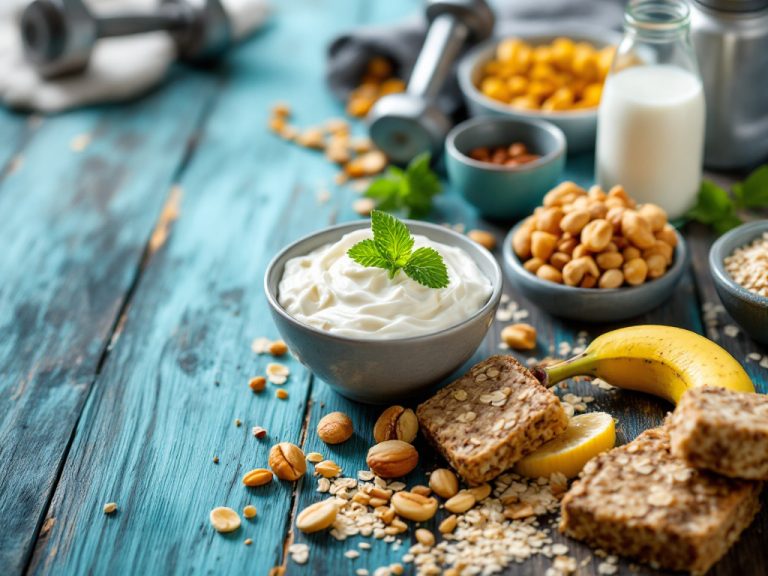
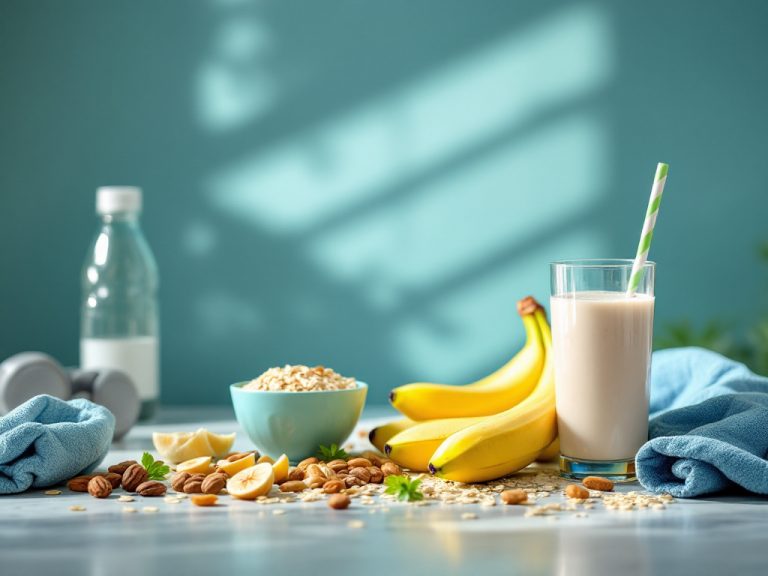
- A banana with a small spoonful of peanut butter
- Greek yogurt with a little granola
- A small bowl of oatmeal with sliced fruit
- A piece of whole grain toast with honey and a thin layer of nut butter
If your session will be under an hour and at low to moderate intensity, such as a quick jog or power walk, this kind of snack mainly prevents hunger rather than dramatically boosting performance, as Mayo Clinic explains (Mayo Clinic).
Consider fasted workouts carefully
You might prefer to exercise without eating first, especially in the morning. Exercising on an empty stomach, about 3 to 4 hours after your last meal, can encourage your body to burn more fat for fuel because it does not have easier energy sources available. The American Diabetes Association notes that this can be an effective weight loss tool, as long as your blood glucose is safely between 100 and 180 mg per deciliter before you start, particularly if you have diabetes (American Diabetes Association).
If you take mealtime insulin or other medications that can cause low blood sugar, you need to be more cautious. The American Diabetes Association recommends avoiding exercise within 3 hours of a full insulin dose, checking your glucose before working out, and carrying fast acting carbohydrates in case your blood sugar drops (American Diabetes Association).
If you do not have underlying health issues and your workout is short and low intensity, fasted sessions may feel fine. If you are planning a longer or high intensity workout, a small carb and protein snack is usually the safer and more effective choice.
If you feel dizzy, shaky, or unusually weak during a fasted workout, stop, hydrate, and eat something. Your safety and long term consistency matter more than any single calorie burn.
Adjust based on workout type
Your ideal pre-workout meal can also shift depending on what kind of training you are doing.
UCLA Health recommends a moderate sized meal well before cardio sessions like running, cycling, or HIIT, plus a last minute snack if you want an extra boost. They also advise avoiding lots of fat and fiber before these workouts because both can cause stomach discomfort when intensity is high (UCLA Health).
For strength training, you want enough carbohydrates to power heavy lifts and enough protein to support muscle repair. UCLA Health notes that pre workout nutrition for weightlifting should focus on fueling energy levels and preparing your muscles for stress, even though they do not list specific foods (UCLA Health). The same carb plus protein guidelines work well, especially if muscle growth is a goal.
If you are heading into a yoga, Pilates, or stretching session, you want to feel comfortable rather than full. UCLA Health points out that gentle workouts still benefit from smart pre workout food choices that support hydration and a feeling of strength without heaviness (UCLA Health).
Know what to avoid before training
Some foods can sabotage your workout by causing digestive issues, big energy crashes, or dehydration. Watching out for these can make your sessions feel smoother and more consistent.
Planet Fitness highlights a few common troublemakers (Planet Fitness):
- Cheese on its own is not ideal right before exercise because it is high in protein and fat, which digest slowly, especially without carbs. If you really want cheese, pair it with a carb like whole grain bread.
- Beans contain raffinose and are high in fiber. Both can lead to gas and bloating if you eat a lot right before training. If beans are on the menu, keep portions small and allow at least 30 minutes before you start.
- Alcohol dehydrates you and dulls your concentration and form. That combination increases your risk of injury. A better pre workout drink is a fruit smoothie with protein or simply a cup of coffee for a little caffeine boost.
- Candy and other simple sugars can spike your blood sugar quickly, then cause a crash that leaves you tired, dizzy, and struggling to perform. Oatmeal with fresh fruit gives you both complex and simple carbs for steadier energy.
Transparent Labs also advises avoiding high fat foods for pre workout meals because they slow digestion and can impair performance when your body needs fast access to carbohydrates and protein (Transparent Labs).
Do not forget hydration and electrolytes
What you drink before a workout is as important as what you eat. Dehydration can sap your strength and endurance before you even realize what is happening.
Healthline, referencing the American College of Sports Medicine, notes that you should start hydrating at least 4 hours before exercise with water and sodium containing fluids, adjusting intake so your urine output and color show that you are well hydrated (Healthline).
Transparent Labs adds that consuming sodium and fluids before workouts helps maintain electrolyte balance and improves performance, particularly for intense or sweaty sessions and in hot weather (Transparent Labs).
Texas Health Resources explains that for workouts under an hour, water is usually enough. For high intensity or endurance sessions longer than 60 minutes, adding carbohydrates to your drink or consuming carb rich snacks during exercise can help maintain energy levels (Texas Health Resources).
Refuel smartly after tough sessions
Your pre workout meal sets you up, but your post workout nutrition finishes the job, especially after demanding training.
For low intensity workouts under an hour, like power walking or a light jog, the American Diabetes Association notes that a special post workout meal usually is not necessary. Eating mostly whole foods every 4 to 5 hours throughout the day is enough to cover your needs (American Diabetes Association).
After high intensity exercise, it is a different story. The American Diabetes Association recommends having a meal or protein shake within about an hour to support recovery and maintain muscle strength (American Diabetes Association). A simple option is a protein shake with fruit and some carbs on the side, such as a piece of toast or a small bowl of rice.
Putting it all together
When you think about what to eat before workout sessions, you are really designing a simple system that supports your training instead of working against it. For most men, the core of that system is clear:
- Prioritize carbohydrates plus protein before you train
- Keep fat and fiber lower immediately before workouts
- Give yourself enough time to digest, based on when you are eating
- Stay hydrated and include sodium when workouts are intense or long
- Adjust food choices based on workout type and your own comfort
Start with one change, like swapping a heavy, high fat meal for a light carb and protein snack an hour before you lift. Pay attention to how you feel during and after. Over a few weeks, you will find the pre-workout routine that helps you walk into every session feeling stronger and more ready to work.
About the Author