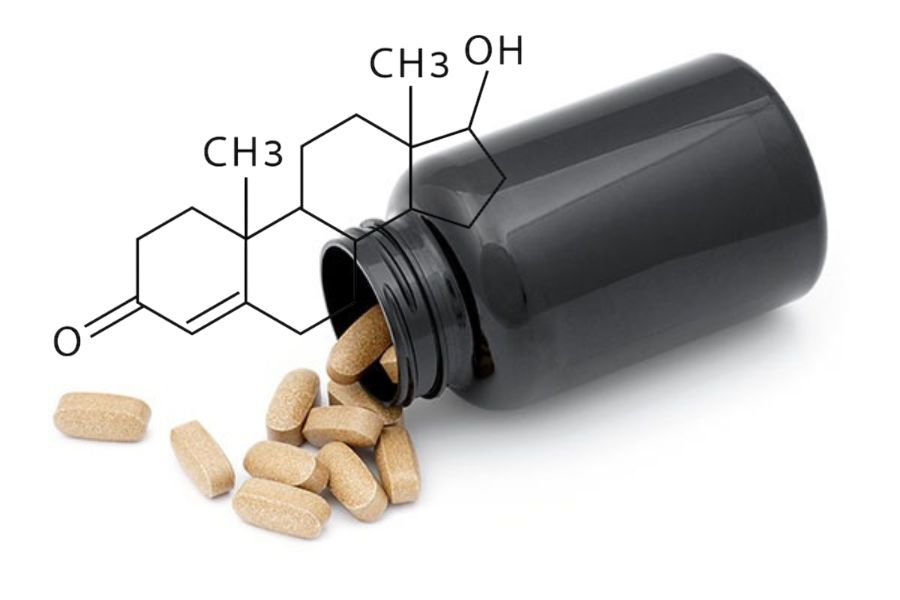
Testosterone booster side effects are not always front and center on the supplement label, but they should be front and center in your mind. Whether you are considering a prescription testosterone therapy or an over the counter “T booster,” understanding the possible risks helps you protect your long term health.
Below, you will learn what testosterone does in your body, how different boosters work, which side effects to watch for, and when to talk to your doctor instead of self treating.
Understand what testosterone boosters actually are
Before you can weigh testosterone booster side effects, you need to know what kind of product you are dealing with. There are three main categories that often get blended together in marketing:
-
Prescription testosterone therapies
These are FDA approved treatments for men with clinically low testosterone, often called hypogonadism. They come as gels, injections, patches or capsules and deliver synthetic or bioidentical testosterone directly into your bloodstream. -
Over the counter testosterone booster supplements
These usually contain herbs, vitamins, minerals or other plant extracts that claim to support your body’s own testosterone production. Common ingredients include fenugreek, ashwagandha, tribulus, DHEA and zinc. They do not actually contain testosterone. -
Anabolic steroids and performance enhancers
These are synthetic versions of testosterone or similar hormones that are often used in bodybuilding and competitive sports. Many are illegal without a prescription and carry serious health risks. Testosterone capsules used in this way are banned by most athletic organizations because of their performance enhancing effects and potential dangers (Cleveland Clinic).
In everyday conversation people call all three of these “testosterone boosters.” However, the safety profile and potential side effects are very different for each type.
Learn how testosterone affects your body
Testosterone is best known for its role in sex drive and muscle, but its influence is much broader. When levels are in a healthy range, testosterone helps support:
- Sexual function and libido
- Muscle mass and strength
- Bone density
- Red blood cell production
- Fat distribution
- Energy and mood
When your testosterone is too low or too high, you can feel the impact in more than one area.
Low testosterone can increase your risk of erectile dysfunction, which is the inability to get or sustain an erection (Liondale Medical). You might also notice low energy, reduced muscle mass, weight gain, and mood changes.
Very high testosterone, especially from anabolic steroid use, can cause different problems. In men, excess testosterone can shrink testicles, decrease sperm production and contribute to infertility (Liondale Medical).
Because testosterone has such widespread effects, it is not surprising that changing your levels with a booster can sometimes lead to side effects.
Weigh the risks of prescription testosterone therapy
If you have a true testosterone deficiency, your doctor might suggest prescription testosterone replacement therapy, often called TRT. It can help relieve symptoms such as erectile dysfunction, low energy, decreased muscle mass and poor bone strength when your levels are clearly below normal (Harvard Health Publishing).
At the same time, TRT is not a free pass. Even when prescribed correctly, it can bring its own side effects.
Short term side effects to watch for
According to Harvard Health, some men notice immediate or early side effects when they start testosterone therapy, including (Harvard Health Publishing):
- Acne or oilier skin
- Worsening sleep apnea
- Breast swelling or tenderness
- Swelling in the ankles
Testosterone can also increase your red blood cell count. While that might sound like a good thing for energy, too many red blood cells can raise the risk of blood clotting, which is one reason regular blood tests are part of safe TRT monitoring (Harvard Health Publishing).
In capsule form, testosterone has been linked to serious cardiovascular events such as heart attack and stroke. If you ever develop chest pain, shortness of breath, sudden weakness, or trouble speaking while on testosterone capsules, you need emergency care right away (Cleveland Clinic).
Testosterone capsules may also affect blood sugar levels. If you have diabetes, you should work closely with your healthcare provider before changing your diet or diabetic medications while taking these capsules (Cleveland Clinic).
Long term safety and heart health
You might have seen headlines that disagree about whether testosterone therapy hurts or helps your heart. That conflict reflects the research.
Older observational studies raised concern. One analysis of men in the U.S. Veterans Affairs Health System found that testosterone supplements were linked to a nearly 30 percent increased risk of death from heart attack, stroke or any cause between 2005 and 2011 (Harvard Health Publishing). Another study reported a twofold increased risk of heart attack in men older than 65, and a threefold increased risk in younger men with pre existing heart disease, within 90 days of starting testosterone therapy (Harvard Health Publishing).
More recent clinical trials have been somewhat more reassuring. A 2023 landmark study that tracked over 5,200 men aged 45 to 80 with low testosterone found that testosterone replacement therapy did not increase the risk of heart attack or stroke compared to placebo (Cedars-Sinai). That said, there was a slight increase in atrial fibrillation risk among men receiving therapy, so you should discuss this possibility with your doctor if you have heart rhythm concerns (Cedars-Sinai).
The Mayo Clinic notes that testosterone therapy may carry an increased risk of heart disease and that more research is still needed to fully understand these risks (Mayo Clinic). The long term safety of using TRT for many years or decades is not yet clear (Cedars-Sinai).
Why careful testing and monitoring matter
Because of the potential risks, major medical organizations urge careful evaluation before you start TRT. The Mayo Clinic recommends that you have your testosterone levels tested at least twice and that you talk in depth with your healthcare provider about the possible risks and benefits (Mayo Clinic).
During therapy, regular checkups help track:
- Testosterone blood levels
- Red blood cell counts
- Cholesterol levels
- Prostate health
This monitoring helps your doctor catch side effects early and adjust your dose or treatment plan if needed (Cedars-Sinai).
One more point to keep in mind: long term testosterone therapy usually causes your body to reduce its own testosterone production. That can make it tough to stop treatment without a significant drop in hormone levels, which is another reason to approach TRT as a serious, long term medical decision, not a quick energy fix (Harvard Health Publishing).
Know the side effects of “too much” or “too little” testosterone
Even if you never touch prescription hormones, testosterone booster side effects can still show up when your hormone balance shifts.
Low testosterone is linked to:
- Erectile dysfunction in men
- Vaginal dryness and painful sex in women
- Low libido
- Fatigue and low motivation
- Loss of muscle mass
- Increased body fat
- Mood changes and difficulty concentrating
These issues can have many causes, so low testosterone is not always the only explanation, but it is one that your provider can test for (Liondale Medical).
High testosterone, particularly from anabolic steroids or aggressive boosting, can bring different problems. Men might notice shrinking testicles, reduced sperm count and infertility, which can be both physically and emotionally challenging (Liondale Medical). Hormone imbalances can also affect your skin. Excessive testosterone may trigger acne, while low testosterone can leave skin dry and brittle (Liondale Medical).
Breast swelling, enlargement or tenderness can show up in men with low testosterone as well, which some people find uncomfortable or embarrassing (Liondale Medical).
On the mental health side, testosterone imbalance can contribute to mood swings, depression, anxiety and trouble focusing. Very high levels are sometimes linked with more aggressive or risky behavior (Liondale Medical).
If you notice more than one of these changes, treating a booster as a simple “vitamin” is not enough. You deserve a proper evaluation so you know what your hormone levels actually look like.
If a supplement promises huge testosterone gains without side effects, treat that as a red flag, not a benefit.
Look beyond marketing when choosing supplements
Over the counter testosterone boosters often look harmless because they are sold alongside multivitamins and protein powders. However, the label rarely tells you the full story.
Here are a few things to keep in mind as you shop:
- Regulation is looser for supplements than for drugs. Ingredients and doses may not be tested the way prescription medications are.
- “Natural” does not automatically mean “safe.” Herbal ingredients can interact with medications, affect your liver or change hormone levels in ways that are hard to predict.
- Real testosterone levels are rarely measured. Many products promise to boost testosterone, yet they never ask you to check your baseline or follow up. Without blood tests, you do not know if the product is working or overshooting.
- Side effects can still happen. Even if a booster only nudges your hormone levels, you might be sensitive to the shift. Mood changes, sleep issues or skin breakouts can all appear gradually.
Research on long term safety for many popular booster ingredients is limited. In contrast, prescription therapies are required to carry detailed safety information, and their effects are monitored more closely.
Consider lifestyle changes before hormone therapy
If your testosterone level is a little low or toward the lower end of normal, you might not need a booster at all. The Mayo Clinic recommends natural strategies to support healthy testosterone, such as weight loss if you carry extra weight and regular resistance exercise, especially if you do not have a medical condition that is clearly causing low testosterone (Mayo Clinic).
You can focus on:
- Strength training several times per week
- Getting enough sleep
- Managing stress
- Limiting heavy alcohol use
- Eating a balanced diet with enough protein, healthy fats and micronutrients
These changes can improve how you feel overall, regardless of what your hormone levels do on a lab report. If you still have symptoms after a few months of consistent lifestyle shifts, that is a good time to revisit testing and treatment options with your provider.
Decide when to talk to your doctor
You do not need to wait for a crisis to get help. It is a good idea to speak with a healthcare professional before starting any testosterone booster if:
- You have symptoms of low testosterone such as low libido, erectile dysfunction, unexplained fatigue or mood changes
- You have a history of heart disease, stroke, blood clots or atrial fibrillation
- You take medications for diabetes, blood pressure, cholesterol or mental health
- You are considering anabolic steroids for performance or muscle gain
Men who are prescribed testosterone should have their levels tested at least twice before starting therapy and should have regular medical checkups while on treatment to monitor testosterone levels and catch adverse effects early (Mayo Clinic, Cleveland Clinic).
Keep your expectations realistic as well. Testosterone therapy is approved by the FDA for men with diagnosable hypogonadism, not for normal aging or for boosting vitality in otherwise healthy men with borderline levels (Harvard Health Publishing, Mayo Clinic). Experts advise weighing potential risks against benefits and going in with a clear understanding of what TRT can and cannot do for you (Harvard Health Publishing).
If you already use a testosterone capsule or booster and experience chest pain, breathing difficulty, sudden weakness, severe headache, or signs of an allergic reaction, seek emergency care immediately and contact your healthcare provider as soon as possible (Cleveland Clinic).
Key takeaways
Testosterone booster side effects are not something to ignore, but they also do not mean you must avoid treatment forever. When used correctly and monitored carefully, testosterone therapy can help some people with clearly documented deficiency.
To protect your health, you can:
- Treat boosters and TRT as medical decisions, not casual supplements
- Get your testosterone levels checked and confirmed before starting treatment
- Review your heart health, medications and risk factors with a professional
- Watch for skin, mood, sleep, sexual function and cardiovascular changes
- Try lifestyle strategies like strength training and weight loss when appropriate
Start with one practical step today. That might be booking a lab appointment, checking the ingredient list on a current supplement, or adding a resistance workout to your week. From there, you and your healthcare provider can decide together whether a testosterone booster fits safely into your long term health plan.
About the Author