A testosterone booster for men can sound like a quick fix for low energy, stubborn fat, or a dipping sex drive. Before you add any supplement to your routine, it helps to understand how testosterone actually works in your body and what “boosting” it safely really means.
Below, you will find a friendly walkthrough of the basics, the benefits and risks, and how to approach testosterone boosters with caution and confidence.
Understand what testosterone does
Testosterone is a hormone your body produces primarily in the testicles. It helps you maintain muscle mass and strength, supports bone density, and influences facial and body hair growth and sex drive. It also plays a role in energy levels and mood, which is why changes in testosterone can feel so noticeable in everyday life. (Mayo Clinic)
Your testosterone levels naturally peak in adolescence and early adulthood, then slowly decline as you age. Research suggests levels drop by about 1% each year after age 30 or 40. (Mayo Clinic)
A gradual decline is a normal part of aging, but for some men the drop is more significant. When levels fall below the normal range and you develop symptoms, a doctor may diagnose low testosterone, also called hypogonadism.
Common signs of low testosterone
You cannot diagnose low testosterone based on symptoms alone, but it is helpful to know what to watch for so you know when to talk with your healthcare provider. Symptoms can include:
- Reduced sex drive
- Erectile changes
- Low energy or fatigue
- Loss of muscle mass or strength
- Increased body fat
- Mood changes, such as irritability or low mood
If these sound familiar, the next step is a medical evaluation and blood test, not a supplement order.
Separate testosterone therapy from boosters
You will see two very different approaches to raising testosterone: prescription testosterone therapy and over the counter testosterone booster supplements. They are not the same thing, and knowing the difference helps you choose more safely.
Prescription testosterone therapy
Testosterone replacement therapy (TRT) is a medical treatment that uses prescription testosterone to raise hormone levels in men with clearly low testosterone due to testicular or pituitary problems. It is usually given as injections, skin patches, gels, or implanted pellets. (Mayo Clinic)
TRT can improve symptoms like low sex drive, reduced muscle mass, and fatigue when they are linked to medically confirmed low testosterone. However, it also carries real risks, such as a possible increased risk of heart disease. Because of this, experts do not recommend testosterone therapy just to treat normal aging in men who are otherwise healthy. (Mayo Clinic)
If your doctor does recommend testosterone therapy, you may be prescribed capsules such as JATENZO, KYZATREX, or Undecatrex. These oral medications are typically taken once daily with food at the same time each day. Patients are advised to have regular checkups to monitor testosterone levels and discuss potential risks, including heart attacks and strokes that have been reported with these medications. (Cleveland Clinic)
Testosterone capsules can affect blood sugar, so if you have diabetes you need medical guidance before changing your diet or diabetes medicines. They are also banned by most athletic organizations, so you cannot use them for competitive sports. (Cleveland Clinic)
Over the counter testosterone boosters
A testosterone booster for men that you buy without a prescription usually contains a blend of vitamins, minerals, and herbal ingredients. You will often see claims like “supports testosterone,” “enhances performance,” or “boosts libido,” but these products do not contain prescription testosterone.
Common ingredients in testosterone boosters include:
- Vitamin D
- Zinc and magnesium
- D-aspartic acid
- DHEA
- Ashwagandha and other herbs
These ingredients are marketed as ways to increase natural testosterone production, but the scientific evidence is mixed. Some nutrients, like vitamin D, may support testosterone levels if you are deficient. For example, a one year study cited by WebMD found that men who took 3,300 IU of vitamin D daily increased their testosterone levels by about 20 percent compared to those who did not supplement vitamin D. (WebMD)
However, not all ingredients have strong evidence behind them, and some have no clear benefit at all.
Know what research says about boosters
Marketing around testosterone boosters can be persuasive, but research paints a more cautious picture.
A 2020 study of 50 testosterone boosting supplements sold online found that:
- About 90 percent claimed to boost testosterone
- 50 percent claimed to improve libido
- 48 percent claimed to increase strength
When researchers dug into the 109 different ingredients used, only 24.8 percent had data supporting a testosterone boosting effect. In 18.3 percent of cases, data showed no change, and 10 percent of ingredients might even lower testosterone. Many products also exceeded recommended daily nutrient amounts, which could pose additional risks. (Healthy Male)
There are also safety concerns. In Australia, hospitalizations due to liver injury from herbal and dietary supplements, including bodybuilding and weight loss products, have increased over the last decade. (Healthy Male)
One case report describes a 30 year old athlete who used a commercial testosterone booster called Universal Nutrition Animal Stak for several 42 day courses. After the first course he was hospitalized with severe abdominal pain, and tests revealed elevated liver enzymes, indicating possible liver injury. Although he later used the product again without immediate issues, his liver enzymes remained slightly high, which suggests the supplement may have stressed his liver. (International Journal of Health Sciences)
Another concern is undeclared ingredients. A 2017 Australian study found that more than 5 percent of 112 supplements contained undeclared androgenic steroids. International research found similar steroids in 14.8 percent of 634 nonhormonal supplements sourced from Europe and the United States. (Healthy Male)
Because of these findings, experts like andrologist Prof Robert McLachlan advise being skeptical of “natural testosterone boosters” and emphasize that a healthy lifestyle and weight are safer and often more effective ways to support normal testosterone levels. (Healthy Male)
If a product promises dramatic testosterone gains without medical supervision, you are usually looking at marketing, not solid evidence.
Focus on natural ways to support testosterone
Before you reach for a testosterone booster for men, it is worth looking at everyday habits that directly affect your hormone levels. Many of these changes improve your health even if they produce only modest shifts in testosterone.
According to WebMD, the following lifestyle choices can help support healthy testosterone levels: (WebMD)
Move with purpose
Regular resistance training is one of the most reliable ways to support testosterone and muscle mass.
You can:
- Lift weights 2 to 3 times per week, focusing on large muscle groups like legs, back, and chest
- Add bodyweight exercises such as pushups, squats, and pullups if you are new to lifting
- Incorporate occasional high intensity interval training (HIIT) sessions if your doctor says it is safe
These activities do more than nudge hormone levels. They also improve strength, metabolism, and overall energy.
Maintain a healthy weight
Carrying excess body fat, especially around your abdomen, is associated with lower testosterone. Losing weight if you are overweight can help bring levels closer to the normal range.
Support a healthy weight by:
- Choosing mostly whole foods
- Limiting sugary drinks and heavily processed snacks
- Watching portion sizes instead of cutting entire food groups
Even modest weight loss can make a difference in how you feel.
Eat to nourish hormones
Your body needs enough calories and the right mix of nutrients to produce hormones, including testosterone. A balanced diet can be more powerful than any single pill.
Focus on:
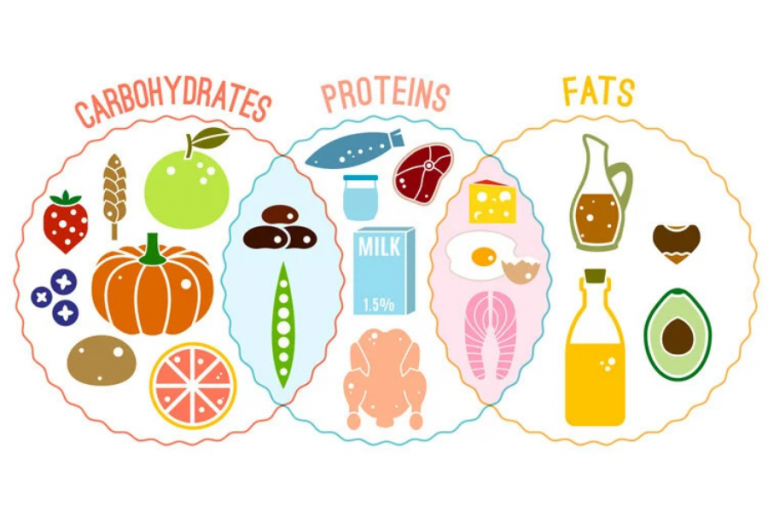
- Lean proteins such as fish, poultry, eggs, beans, and tofu
- Healthy fats from olive oil, nuts, seeds, and avocados
- Complex carbohydrates like oats, quinoa, and vegetables
Nutrients like zinc, magnesium, and vitamin D are especially relevant for testosterone. If blood work shows you are low in vitamin D, supplementing under a doctor’s guidance can help both general health and potentially testosterone levels. (WebMD)
Protect your sleep and manage stress
Short or poor quality sleep has been linked to lower testosterone. Aim for 7 to 9 hours of consistent rest per night by:
- Keeping a regular bedtime and wake time
- Limiting screens before bed
- Creating a dark, quiet, cool sleep environment
Chronic stress also affects hormones. Simple routines like daily walks, breathing exercises, or a hobby you enjoy can help reduce stress and indirectly support hormone balance.
Evaluate supplement labels with a critical eye
If you still want to explore a testosterone booster for men after speaking with your healthcare provider, a cautious and informed approach is essential.
Here are a few steps to take when you evaluate a product:
-
Check the ingredients list carefully
Look for transparency. Every active ingredient should be clearly listed with an exact amount. Be wary of “proprietary blends” that hide how much of each substance you are taking. -
Compare doses to established limits
Some supplements exceed safe daily amounts for vitamins and minerals, which can lead to side effects over time. When in doubt, ask your doctor or pharmacist to review the label. -
Research each key ingredient
Use reliable health sources to see what evidence exists for each ingredient. Keep in mind that many herbs in boosters have limited or conflicting data. -
Watch for red flags
Be cautious if a product:
- Claims to work “instantly” or promises extreme results
- Suggests it can replace prescription testosterone therapy
- Markets itself as safe for everyone without mentioning possible side effects
- Look at third party testing information
Independent testing can help confirm that a supplement contains what it says it contains and that it is free from certain contaminants. While not perfect, it is better than no testing at all.
Remember that some products are specifically marketed as “male enhancing test boosters” for energy, workouts, and performance, such as the Testosterone Booster Supplement for Men by SLADAK NATURALS. This supplement contains ingredients like Ashwagandha Extract, L Arginine, Horny Goat Weed Extract, Tribulus Terrestris Extract, Tongkat Ali Extract, and Ginseng Extract and is labeled as a dietary supplement for adults. The manufacturer recommends taking 2 capsules daily, with an optional extra capsule before physical activity, and notes that people with medical conditions, those on medications, or anyone who is pregnant, nursing, or planning to become pregnant should talk with a healthcare provider before use. The product also states that its claims have not been evaluated by the Food and Drug Administration and that it is not intended to diagnose, treat, cure, or prevent disease. (Amazon)
This kind of disclaimer is common and is an important reminder that you are responsible for checking safety with your own doctor.
Talk with your doctor before you start
Because testosterone affects many systems in your body, involving a qualified healthcare provider is key to staying safe.
Before you start any testosterone booster for men or consider testosterone therapy, you can:
- Share your symptoms and health history
- Ask for a physical exam and blood tests to check your testosterone level
- Review any medications or conditions that might interact with a supplement or therapy
- Discuss whether lifestyle changes may be enough for your situation
If testosterone therapy is appropriate, your doctor will explain the pros and cons, help you choose the safest form, and schedule regular monitoring. If a supplement seems reasonable, your doctor can help you avoid unsafe doses or combinations.
Bring it all together
If you feel less energetic, less strong, or not quite like yourself, it is understandable to look for a simple solution. Testosterone plays a real role in how you feel and perform, but quick fixes are rarely the safest or most effective path.
When you focus first on sleep, stress, nutrition, movement, and a healthy weight, you give your body the best foundation for balanced hormones. From there, testing and professional guidance can help you decide whether a testosterone booster or medical therapy fits into a safe, thoughtful plan.
You do not have to figure this out alone. Start with a conversation with your healthcare provider, bring your questions and any product labels you are considering, and work together to choose options that support both your testosterone and your long term health.
About the Author