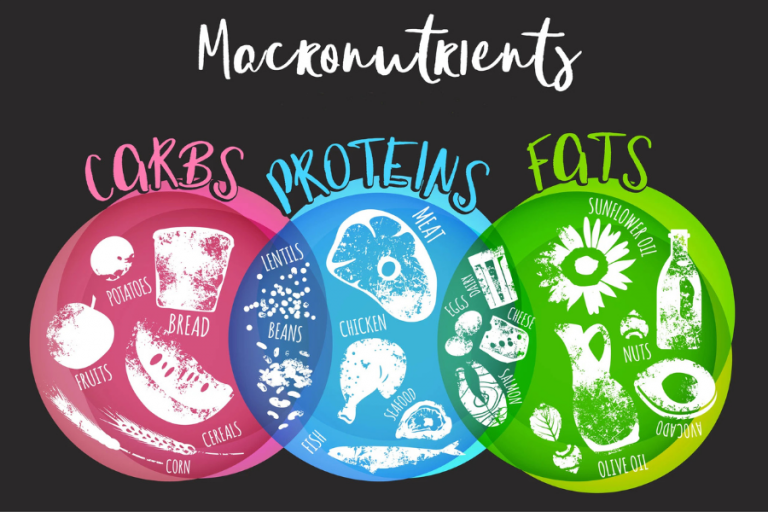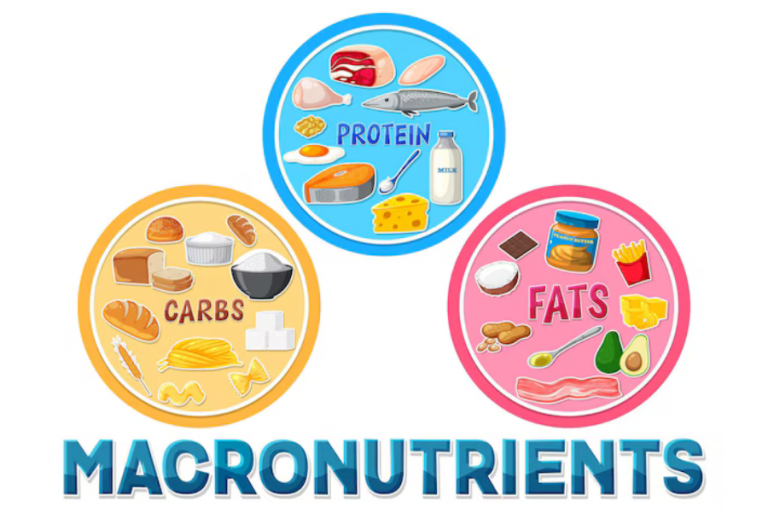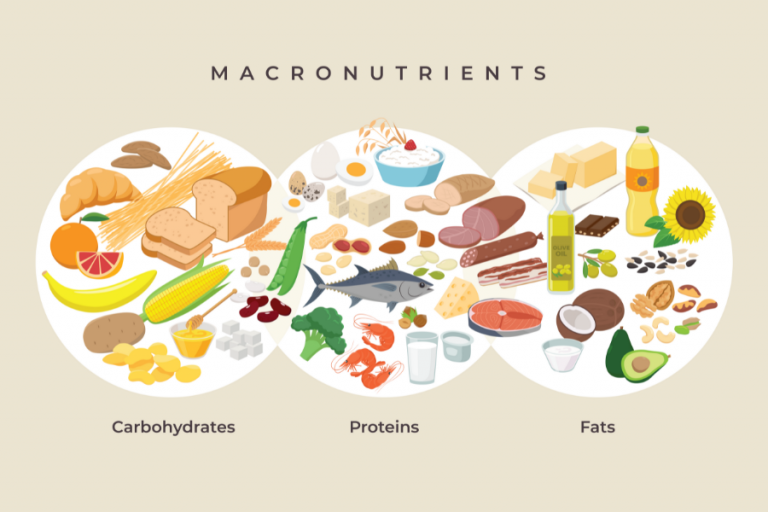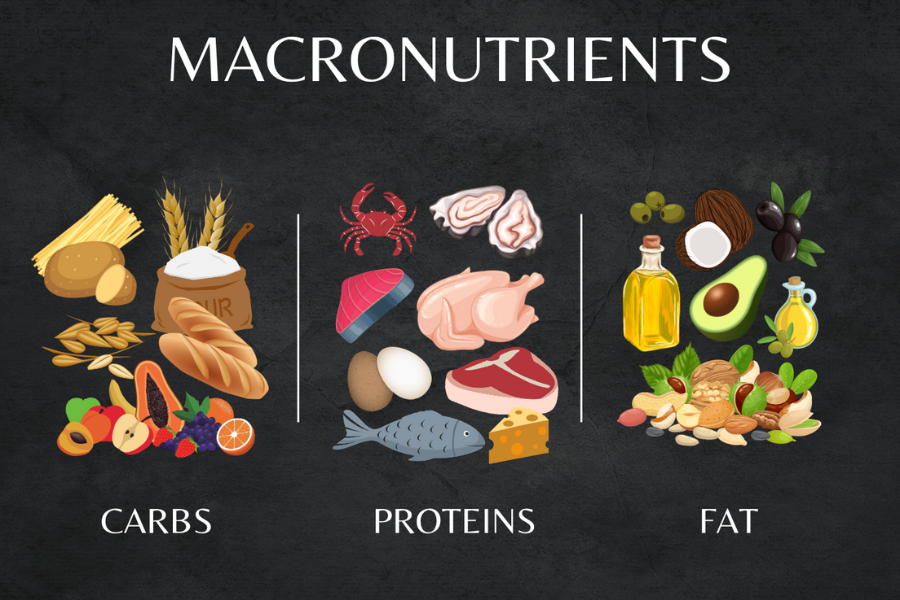
A solid workout plan is only half the story. To see real results in energy, performance, and body composition, you also need to understand your sports nutrition macronutrient needs, especially carbohydrates, protein, and fats. Once you know what each macro does for your training, you can build simple meals that actually support your goals instead of working against them.
Below, you will find clear, practical tips you can start using today, even if you are not a numbers person or a serious competitive athlete.
Understand what macronutrients actually do
You hear a lot about carbs, protein, and fat, but it helps to know what each one really contributes to your training.
Carbohydrates are your primary fuel during moderate to high intensity exercise. Experts in sports nutrition note that carbohydrate is still the key macronutrient for sustaining and improving intense performance, even with all we now know about protein and fats (NCBI – Nutrition Today). When you eat carbs, your body stores some of them as glycogen in your muscles and liver, which you tap into during hard workouts or games.
Protein is your repair and rebuild macro. It helps you recover from training by repairing muscle damage, supporting new muscle growth, and producing hormones and enzymes you rely on every day. For active people and athletes, recommended protein needs are higher than the usual 0.8 g per kilogram of body weight. Guidelines suggest roughly 1.2 to 2 g per kilogram, depending on your sport and goals (Sports Health).
Healthy fats support cell structure, hormone production, brain function, and longer duration energy. During light to moderate intensity exercise, especially past the 20 minute mark, fat can provide about half of your energy needs (Herbalife). You still need fat if you want stable hormones, a healthy heart, and steady energy.
Get a feel for your macro ratios
You do not need to track every gram forever, but it helps to have ballpark numbers for your sports nutrition macronutrient needs, especially when you are training regularly.
Many athletes perform well when:
- 40 to 60 percent of calories come from carbohydrates
- 20 to 25 percent of calories come from protein
- 20 to 30 percent of calories come from healthy fats
This type of distribution, adjusted for your size and training volume, supports performance, recovery, and overall health (Race Smart).
You can think of it this way. On lighter training days or rest days, you might sit closer to 40 percent carbs and a bit higher fat. On heavy training or competition days, you might push carbs toward the upper end of the range and slightly reduce fat to keep digestion comfortable and energy available.
The key is to avoid extremes. Very high protein at the expense of carbs can crowd out the carbohydrates you need to replenish glycogen, which can hurt endurance and training quality (NCBI – Nutrition Today). On the other side, very low fat can create issues with hormones and recovery.
Match carb intake to training intensity
Your body does not burn the same mix of fuels at all times. At lower heart rates, such as walking or light jogging, you rely more on fat, while higher heart rates shift you toward more carbohydrate use (Race Smart). That means your carb needs climb with intensity and duration.
Research based guidelines suggest:
- Light activity: around 3 to 5 g of carbohydrate per kilogram of body weight per day
- Moderate to high intensity training: about 6 to 10 g per kilogram per day
- Very intense or long duration sessions: up to 8 to 12 g per kilogram per day for serious endurance work (Sports Health, NCBI – Nutrition Today)
If you weigh 180 pounds, which is about 82 kilograms, and you are doing a demanding training cycle, that can mean 500 grams of carbohydrate or more on big days. That may sound high at first, but if you are under eating carbs while pushing your training, you may notice extra fatigue, poor performance, or a constant feeling of being drained.
You do not have to eat sugary snacks all day. Focus on whole grains, fruits, potatoes, beans, and starchy vegetables most of the time. Use quicker digesting sources like white rice, bread, or sports drinks closer to and during long or intense workouts when you need fast fuel.
Build protein around your lean mass
For active men, a simple way to think about protein is to link it to your lean body mass, not just your total scale weight. Some sports nutrition approaches suggest roughly 1 gram of protein per pound of lean body mass, and for heavy strength training this can go up to 2 grams per pound of lean mass (Herbalife). That is a higher ceiling than most people need, but it highlights that your muscle mass drives protein requirements.
Position statements from major sports organizations recommend about 1.2 to 2.0 g of protein per kilogram of body weight per day for athletes, and up to around 2.7 g per kilogram when you are trying to lose fat while keeping muscle (Sports Health). If you are 82 kilograms, that means roughly 100 to 160 grams of protein daily in most training phases.
You can make this easier by spreading protein throughout the day. Intake of 20 to 40 grams of high quality protein every three hours appears to optimize muscle protein synthesis, which supports muscle repair and growth (PMC – ISSN Position Stand). In practice, this might be 25 to 30 grams at breakfast, lunch, dinner, and one protein rich snack.
Choose fats that support performance
You do not need a high fat diet to perform well, but you do need enough healthy fat to support hormones, brain function, and vitamin absorption. Most sports nutrition guidelines recommend 20 to 35 percent of your total calories from fat, while keeping saturated fat under 10 percent and avoiding trans fats (Sports Health).
Prioritize unsaturated fats from foods like:
- Fatty fish such as salmon or mackerel
- Avocados
- Nuts and seeds
- Olive oil and other plant oils
These deliver essential fatty acids that your body cannot make on its own and that play a role in cell membranes, inflammation management, and muscle metabolism (Herbalife).
When you plan meals around training, it can help to pull fat down a bit directly before and after workouts. Very high fat snacks right before exercise can slow digestion and feel heavy. You still get plenty of fat by including it in your main meals further away from training.
Time your macros around your workout
Once you know your daily sports nutrition macronutrient needs, the next step is to place those macros in your day so they actually support performance and recovery. This is where nutrient timing comes in.
Nutrition experts recommend a pre workout meal that is mostly carbohydrate with some protein and low in fat and fiber 2 to 4 hours before exercise. This helps top off glycogen stores while avoiding stomach issues (NASM). If you are eating closer to your session, say 1 to 2 hours before, you can aim for roughly 1 to 2 g of carbohydrate per kilogram of body weight in an easily digested form.
If your training lasts more than 60 to 90 minutes, you can benefit from taking in carbs during your session. A range of 30 to 60 grams of carbohydrate per hour, preferably from a mix of sources, helps maintain your fuel supply and delays fatigue (NASM, PMC – ISSN Position Stand).
After you finish, your muscles are ready to refill glycogen and repair tissue. Try to eat within 30 to 90 minutes of finishing, and include:
- About 1.0 to 1.5 g of carbohydrate per kilogram of body weight
- Around 20 to 25 grams of high quality protein
This mix helps you replenish glycogen and kick start muscle protein synthesis (NASM, PMC – ISSN Position Stand). If your schedule is tight, a simple shake and a piece of fruit is enough until you can get to a full meal.
Eat consistently throughout the day
Your body responds best when energy and building blocks arrive steadily, not in one or two huge hits. Eating balanced meals with carbs, protein, and fat every 3 to 4 hours can keep your blood sugar stable, your mood even, and your appetite manageable (Race Smart).
That can look as simple as:
- Breakfast, lunch, and dinner that each contain a source of complex carbohydrate, lean or plant protein, and healthy fat
- One or two snacks that include at least two macros, for example yogurt with fruit, or nuts with a piece of whole fruit
This structure supports energy levels throughout the day and reduces the urge to overeat late at night. It also makes it easier to hit your total macro targets without needing oversized portions at any one meal.
Do not ignore hydration
Hydration is not a macronutrient, but it is a crucial part of sports nutrition. During intense exercise, you lose both fluid and electrolytes, especially sodium. An effective strategy is to weigh yourself before and after hard sessions. For every pound you lose, aim to drink 16 to 24 ounces of fluid over the next 4 to 6 hours and include sodium in your recovery drink or meal, especially if you trained in heat or humidity (NASM).
This simple habit can help you avoid the sluggishness, headaches, and cramping that go along with under hydrating. It also supports proper digestion and nutrient transport so your carefully planned macros can do their job.
Think of hydration as the delivery system for your carbs, protein, and fats. When you are dehydrated, everything, including performance, feels harder than it should.
Watch for signs your macro balance is off
You do not have to get your sports nutrition macronutrient needs perfect to make progress, but your body will give you feedback when something is off. Common red flags include:
- Constant fatigue, especially during workouts, which can signal low carbohydrate intake
- Difficulty gaining or maintaining muscle despite strength training, which may suggest low protein
- Dry skin, low libido, or disrupted mood, which can point toward too little healthy fat or overall energy intake
- Frequent colds or lingering soreness, which can occur when total calories are too low and recovery suffers
In the long term, chronically under eating or restricting entire macros can contribute to Relative Energy Deficiency in Sport, a condition that affects metabolism, bone health, immune function, and cardiovascular health (Sports Health, Georgia State University Recreation). If you suspect this might be an issue, it is worth checking in with a sports dietitian or healthcare provider.
Put it all together
If you feel overwhelmed, start with one or two concrete changes instead of trying to rebuild your entire diet at once. For example, you might:
- Add a balanced breakfast that includes carbs and protein on training days instead of skipping it
- Bring a carb rich snack and water for workouts that last more than an hour
- Make sure every meal includes a visible protein source and a healthy fat
As these small habits become routine, you can adjust portion sizes toward the macro ranges that fit your training. The goal is not perfection, it is a sustainable way of eating that lets you train harder, recover faster, and feel better in your day to day life.
About the Author