A lot of conversations about sperm health focus on lab numbers and medical jargon. In reality, many of the most effective steps for sperm health improvement are simple, everyday habits you can control.
Below, you will find practical ways to support healthy sperm, based on what research says about lifestyle, exercise, and nutrition. You can start with one or two changes today and build from there.
Understand what “healthy sperm” means
Before you focus on improvement, it helps to know what you are trying to improve.
According to the Mayo Clinic, sperm health usually comes down to three main factors: how many sperm you produce, how well they move, and how many are shaped normally (Mayo Clinic). When any of these are outside the ideal range, it can take longer to conceive or make pregnancy more difficult.
Sperm health naturally declines with age, especially after 50, when motility and normal shape tend to drop (Mayo Clinic). That does not mean you are powerless. It just means that your day to day choices matter even more as you get older.
If you have been trying to conceive for a year with no success, it is a good idea to see a fertility specialist so you can understand your specific situation and options (Mayo Clinic).
Manage health conditions and medications
Your general health shows up in your sperm. Chronic conditions can quietly affect semen quality, sperm count, and motility.
High blood pressure and diabetes are two common examples. When they are not well controlled, they can harm blood vessels, hormones, and sperm production. Getting regular checkups and following treatment plans can significantly improve your fertility outlook (Henry Ford Health).
Some points to consider:
- Review your medications with your doctor if you are trying to conceive. Certain drugs, including some used for cancer, infections, or hormonal conditions, can harm sperm production (Mayo Clinic).
- If you have had chemotherapy or radiation, ask your specialist about long term fertility effects. These treatments can reduce or permanently stop sperm production in some men (Mayo Clinic).
- Get tested and treated for sexually transmitted infections. Untreated STIs can cause scarring and blockages that interfere with sperm movement (Henry Ford Health).
You do not need to solve every health issue overnight. A realistic goal is to schedule a visit, get updated blood work, and make a plan with your provider that supports both your overall health and your fertility.
Cut back on habits that harm sperm
Some everyday habits quietly work against sperm health improvement. The good news is that changing them can have a noticeable impact.
Smoking
Smoking is strongly linked to lower sperm count, poorer sperm quality, and reduced motility. Quitting smoking has been shown to improve these parameters and also reduce the risk of early pregnancy loss (Henry Ford Health).
If quitting completely feels overwhelming, you can:
- Set a quit date and tell your partner or a friend
- Use nicotine replacement or medications recommended by your doctor
- Combine these with behavioral support or counseling
Even a reduction in smoking can move you in the right direction, but full cessation gives your sperm the best chance.
Alcohol
Heavy drinking can reduce testosterone and interfere with sperm production. Having more than two drinks a day is associated with abnormal sperm parameters, while moderate intake does not seem to have the same negative impact (Henry Ford Health).
A balanced approach is to:
- Keep most days alcohol free
- On drinking days, limit yourself to one or two standard drinks
- Take a full month off if you want to see how your body responds
Environmental toxins
Toxic chemicals at work or in the environment can affect fertility. Certain solvents, pesticides, and heavy metals are known to harm sperm over time (Mayo Clinic).
If you are exposed at work, focus on:
- Using protective equipment consistently
- Following safety guidelines closely
- Asking about safer alternatives when possible
At home, you can reduce exposure by washing fruits and vegetables to remove pesticide residues and avoiding unnecessary chemical use when there are gentler options available.
Protect the testicles from heat
Your testicles are outside your body for a reason. Sperm production works best at a temperature about two degrees cooler than your core body temperature. Prolonged heat can reduce sperm count and quality (Henry Ford Health).
Practical ways to keep things cooler include:
- Limiting long hot tub or sauna sessions
- Keeping laptops off your lap and on a desk
- Choosing looser underwear instead of tight briefs whenever possible
These changes do not require major lifestyle shifts, but over time they create a better environment for sperm to develop.
Use exercise to boost sperm quality
Regular exercise is one of the most reliable tools for sperm health improvement, as long as you do not overdo certain activities.
Moderate exercise improves sperm motility and reduces inflammation and DNA damage in sperm, which supports better fertility (The World Journal of Men’s Health). In both healthy and infertile men, consistent aerobic and resistance training has been linked to better semen quality and even higher pregnancy and live birth rates in some studies (The World Journal of Men’s Health).
One study of sedentary men found that exercising three to five times per week improved sperm counts and quality within six months (Bioscientifica). All exercise programs improved sperm markers, but moderate intensity continuous training, such as treadmill running for 30 minutes three to four days per week, showed the greatest and most lasting gains (Bioscientifica).
There are two key details to keep in mind:
- Benefits fade when you stop. In that same research, sperm improvements began to decline within a week of stopping exercise, and motility dropped after 30 days (Bioscientifica). Aim for consistency rather than short bursts.
- Intense cycling can be a problem. Men who cycled more than 1.5 hours per week had lower sperm concentrations, and 16 weeks of intense cycling raised oxidative stress and reduced antioxidant enzymes in semen, with negative effects lasting at least a month after stopping (The World Journal of Men’s Health).
If you like cycling, consider pairing it with other forms of exercise and moderating intensity or duration. Walking, light jogging, resistance training, and recreational sports are all sperm friendly options when done regularly.
Build a sperm friendly eating pattern
What you eat can either protect your sperm from damage or expose them to more oxidative stress. Research suggests that diet is one of the most powerful and overlooked levers for male fertility.
Favor a Mediterranean style diet
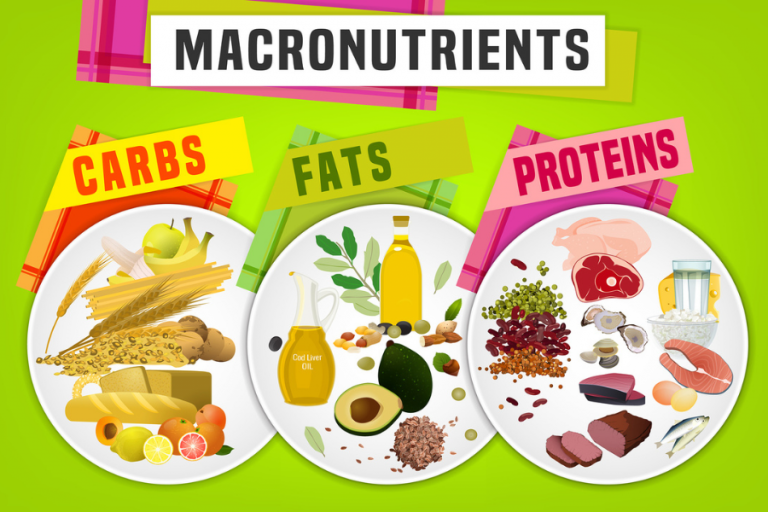
A Mediterranean style eating pattern, rich in fruits, vegetables, whole grains, legumes, fish, and olive oil, is consistently linked to better sperm number, motility, and concentration, as well as healthier mitochondrial function in sperm (PMC – Int J Mol Sci). This diet is high in healthy fats and antioxidants that help keep testosterone and reactive oxygen species in balance.
Several studies have found that:
- Higher intake of green leafy vegetables and legumes is associated with higher sperm concentration and better motility, likely due to antioxidants like vitamin C, lycopene, and coenzyme Q10 (University of Chicago Medicine).
- A diet high in processed foods, simple carbs, and saturated fats is linked to poorer sperm quality and subfertility (IVF Matters).
You do not have to change everything at once. Start with one or two shifts, for example:
- Swap a processed meat breakfast sandwich for eggs with vegetables and whole grain toast.
- Replace some red meat dinners with grilled fish and beans.
- Use olive oil instead of butter where possible.
Watch out for sperm harming foods
Several patterns stand out in the research:
- High intake of simple sugars and saturated fats, common in Western diets, raises oxidative stress and disrupts hormones, which can reduce sperm count and motility (PMC – Int J Mol Sci).
- Frequent processed meat intake, like hot dogs, bacon, and jerky, has been linked to lower sperm concentration (University of Chicago Medicine).
- High fat dairy products such as whole milk, cream, and cheese may negatively affect sperm quality (University of Chicago Medicine).
- Exposure to pesticides and BPA in food and packaging can act like estrogen in the body and disturb sperm concentration (University of Chicago Medicine).
Instead of cutting everything overnight, try the 80/20 approach. Aim for mostly whole, minimally processed foods most days, then enjoy richer items in smaller portions or less often.
Consider key nutrients and supplements
Oxidative stress is thought to account for 30 to 80 percent of male infertility cases, mainly by damaging sperm DNA and reducing antioxidant defenses in semen (PMC). This is where specific nutrients and supplements can help.
Antioxidant vitamins and compounds
Research from 2004 to 2015 suggests that several antioxidants can improve semen parameters:
- Vitamin C and vitamin E together, at 1 gram each per day for two months, significantly reduced sperm DNA damage in infertile men and improved outcomes in assisted reproduction, even when motility and concentration did not change much (PMC).
- Coenzyme Q10, around 200 milligrams daily for 3 to 6 months, improved sperm motility, concentration, and morphology and increased antioxidant enzyme activity in semen, although effects on live birth rates are still unclear (PMC).
Multi antioxidant formulas that combine vitamin C, vitamin E, CoQ10, L carnitine, zinc, folic acid, and selenium over 3 to 6 months have repeatedly shown better sperm concentration, motility, morphology, and DNA integrity, along with higher pregnancy rates in men with multiple sperm abnormalities (PMC).
L carnitine
L carnitine and L acetyl carnitine, at doses of 2 grams and 1 gram daily for six months, have improved sperm motility and morphology in several studies, especially in men who started with low motility. Some couples conceived during these treatment periods (PMC).
Zinc and other minerals
Zinc plays a central role in sperm production, count, shape, and motility. Low zinc in semen is linked to poor sperm quality. You can find zinc in oysters, nuts, seeds, and spinach, or in supplements if your intake is low (IVF Matters).
Other helpful antioxidants include vitamin C, vitamin E, and selenium, which protect sperm from oxidative damage and can support count, motility, and morphology (IVF Matters).
Whenever you are considering supplements:
- Talk to your doctor first, especially if you take other medications.
- Give it time. Many studies ran for 3 to 6 months, which matches the roughly 3 month cycle of sperm production.
- Use supplements to fill gaps, not to replace a healthy diet.
Quick reminder: sperm take about 74 days to develop. Most changes you make today will show up in your semen quality two to three months from now, so give your efforts time to work.
Putting it all together
Sperm health improvement does not require perfection, but it does benefit from consistency. You are more likely to see progress if you build a realistic routine instead of chasing quick fixes.
You might start with a short list for the next three months:
- Exercise moderately three or four days a week, such as brisk walking, light running, or resistance training.
- Shift your meals toward a Mediterranean pattern, with more vegetables, legumes, fish, and olive oil, and fewer processed meats and sugary foods.
- Quit smoking or at least cut down significantly, and keep alcohol at or below two drinks on days you drink.
- Avoid prolonged heat around your testicles and keep laptops off your lap.
- Talk with your health care provider about your medications, chronic conditions, and whether antioxidant or fertility focused supplements make sense for you.
Sperm counts worldwide have dropped by almost 60 percent over the last few decades (University of Chicago Medicine), so you are not alone if you are concerned. The upside is that many of the most important factors are within your control.
By making thoughtful changes and sticking with them for at least one full sperm cycle, you give yourself the best chance of supporting healthy, resilient sperm and improving your overall health at the same time.
About the Author