Image by Flux
A lot changes for you after 30. Your schedule, your responsibilities, and, often quietly in the background, your sleep. If you have noticed that you fall asleep more slowly, wake up more often, or feel less refreshed in the morning, you are not imagining it. Sleep quality in men over 30 really does tend to change, and there are clear reasons why.
This guide walks you through what is going on in your body and life, how those changes affect your nights, and what you can do to improve your sleep starting now.
How men’s sleep naturally changes after 30
Sleep is not a fixed habit. It is a biological process that shifts across your lifetime.
Researchers have found that total sleep time decreases about 8 to 12 minutes per decade from your 20s to your 60s, with the biggest changes happening between young and middle adulthood (NCBI, NCBI PMC). At the same time, the deepest and most restorative stage of sleep, called slow wave sleep, steadily declines in men, dropping about 1.7 percent per decade (NCBI).
You probably still log around 6.5 to 7 hours in bed, and many men keep roughly the same total sleep time by staying in bed a bit longer. What typically changes is the structure of your sleep and how solid it feels. You are more likely to:
- Take longer to fall asleep
- Wake up 3 to 4 times during the night
- Wake up earlier in the morning and struggle to fall back asleep
All of this contributes to lighter, more fragmented sleep and a stronger awareness of being awake at night (MedlinePlus).
Interestingly, many healthy men over 60 report fewer complaints, even though their sleep is objectively lighter. Your perception of what “good sleep” means can shift with age, which makes it easy to ignore problems that are actually affecting your health (NCBI).
Hormones, testosterone, and your sleep
Hormones are one of the main reasons sleep quality in men over 30 changes. Testosterone, in particular, is closely tied to how deeply and consistently you sleep.
Your testosterone levels start a slow, steady decline after about age 30 (NCBI). That drop is linked to:
- More fragmented sleep
- Less deep, slow wave sleep
- More frequent awakenings
Sleep and testosterone also influence each other in both directions. When you are sleep restricted, your 24 hour, morning, and afternoon testosterone levels fall. In older men, sleep loss reduces the number and strength of testosterone pulses during the night, which shows that testosterone regulation becomes more vulnerable to poor sleep as you age (NCBI PMC).
At the same time, lack of sleep raises evening cortisol, your main stress hormone. That combination of lower testosterone and higher cortisol creates an anabolic catabolic imbalance that can push you toward insulin resistance and metabolic problems. Research suggests that improving this hormone balance can reduce some of the metabolic damage of sleep loss even without increasing time in bed (NCBI PMC).
There is also a strong link between obstructive sleep apnea and low testosterone. Sleep apnea affects up to about 10 percent of men aged 30 to 49 and 17 percent of men aged 50 to 70, and it is independently associated with lower testosterone, even when you account for age and weight (NCBI PMC). In other words, broken sleep from apnea can be a direct hit to your hormone health.
Lifestyle pressures and middle age stress
While biology sets the stage, your lifestyle after 30 often makes things worse.
In your 30s, 40s, and 50s, you are more likely to juggle demanding work hours, career pressure, financial responsibilities, and possibly caregiving for kids or older relatives. Those late nights on the laptop or phone matter. High work demands and chronic stress commonly push your bedtime later and make it harder both to fall asleep and stay asleep (SleepScore).
By your 40s, you may see more obvious changes:
- Total sleep time often drops by about 30 to 45 minutes compared with your 30s
- You spend less time in REM sleep
- You spend more time in the lighter stages of sleep (SleepScore)
In the early 50s, some men average only about 5.7 hours of sleep a night. That short sleep correlates with a steeper decline in testosterone and more insomnia and daytime fatigue (SleepScore).
It quickly becomes a loop. Stress and responsibilities hurt your sleep. Poor sleep lowers your resilience, hormones, and mood, which makes daily stress feel even heavier.
Common sleep disorders in men over 30
On top of normal aging and stress, specific sleep disorders become more common after 30. Some are easy to miss or write off as “just getting older,” but each one has clear solutions.
Insomnia
Insomnia is the most common sleep disorder in adults. About one third of adults have symptoms, and 6 to 10 percent meet the criteria for chronic insomnia disorder (American Academy of Family Physicians).
You might be dealing with insomnia if you:
- Struggle to fall asleep
- Wake up often or too early
- Feel tired, moody, or foggy during the day
For chronic insomnia, cognitive behavioral therapy for insomnia (CBT I) is the recommended first line treatment. It is more effective and safer long term than relying on sleeping pills (American Academy of Family Physicians).
Obstructive sleep apnea
Obstructive sleep apnea (OSA) is especially common in men and becomes more likely as you age. Nearly 18 million people in the United States have OSA. It is more frequent in males and is strongly linked to high blood pressure and cardiovascular disease (American Academy of Family Physicians).
Typical signs include:
- Loud snoring
- Pauses in breathing during sleep
- Gasping or choking at night
- Morning headaches
- Excessive daytime sleepiness
OSA fragments your sleep all night and lowers blood oxygen. Positive airway pressure therapy and weight loss are effective treatments, and regular aerobic exercise can reduce OSA severity even when weight loss is modest (American Academy of Family Physicians, Sleep Foundation).
Treating apnea may also help improve low testosterone that is driven by disrupted sleep. While results from CPAP studies are mixed, higher quality research and some surgical interventions that reduce apnea severity show increases in testosterone, which suggests that apnea related testosterone drops can be at least partly reversible (NCBI PMC).
Restless legs and REM behavior disorder
Restless legs syndrome affects about 5 to 10 percent of adults. It shows up as an uncomfortable urge to move your legs, usually worse at night when you are trying to relax. That discomfort can delay sleep and cause frequent awakenings. Checking your iron levels and using treatments like gabapentin or dopamine agonists can ease symptoms and improve sleep (American Academy of Family Physicians).
REM sleep behavior disorder is less common but happens more often in men between 40 and 60. Instead of being paralyzed during dreams, you physically act them out, which can be dangerous for you or a partner. Safety focused behavioral changes plus melatonin or clonazepam are typical treatment options (American Academy of Family Physicians).
How your diet shapes your sleep
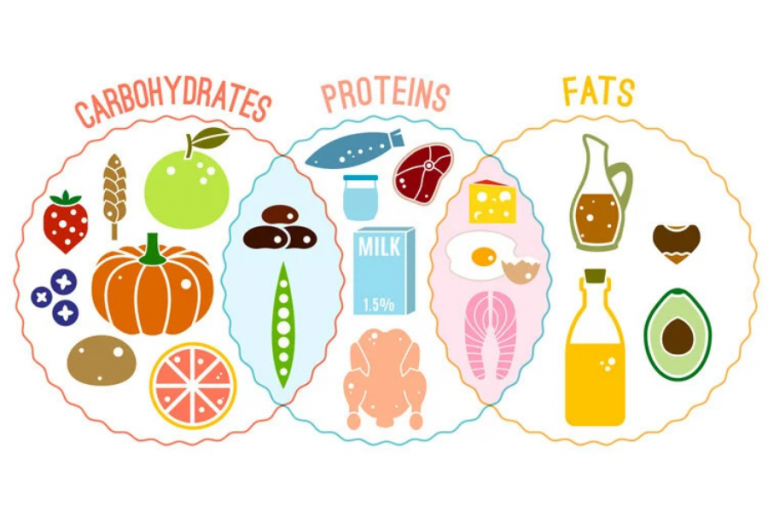
What and when you eat has a direct impact on sleep quality in men over 30. A growing body of research connects certain dietary patterns with either better or worse sleep.
A large cross sectional study of more than a thousand Saudi adults found that 77.4 percent had poor sleep quality, and most male participants were in the 31 to 40 age range (Frontiers in Nutrition). Among men, better sleep was linked with:
- More fruits
- More vegetables
- More dairy products
- More legumes
These foods were associated with better subjective sleep quality, shorter time to fall asleep, and better sleep efficiency (Frontiers in Nutrition).
On the flip side, poorer sleep quality, longer sleep latency, and more disturbances were associated with higher intake of:
- Starches
- Sweets and candies
- Red meat (Frontiers in Nutrition)
Other research has found similar patterns. One study in Japanese workers showed that a high intake of confectionery and noodles was associated with poor sleep, while a diet richer in fish and vegetables lined up with better sleep (PMC).
Macronutrients matter too:
- Low protein intake, under 16 percent of calories, was linked to poor sleep quality and more trouble falling asleep in men
- Very high protein intake, over 19 percent of calories, was associated with more difficulty staying asleep
- Low carbohydrate intake, under 50 percent of calories, was marginally linked to trouble maintaining sleep, again mainly in men (PMC)
Carbohydrate timing plays a role. High carbohydrate meals eaten about 4 hours before bedtime reduced the time it took men to fall asleep, compared with low glycemic meals or similar meals eaten 1 hour before bed. High carb diets closer to bedtime may, however, reduce deep slow wave sleep and increase REM, while lower carb, higher fat options tend to do the opposite (PMC).
Even classic “sleep foods” show up in the research. A malted milk drink taken about 30 minutes before bedtime was linked to fewer movements and better sleep continuity in middle aged and older adults (PMC).
If you are looking for a practical target, you can aim for balanced meals that emphasize whole foods, consistent protein, and moderate carbohydrates earlier in the evening, plus a light, low sugar snack if you are hungry close to bedtime.
Quick pattern to remember: more plants and whole foods, fewer sweets and heavy late meals, support better sleep quality as you age.
Why exercise makes such a difference
Movement and sleep feed into each other in both directions. Better sleep helps you be more active, and regular activity usually helps you sleep better.
A systematic review of studies from 2013 to 2023 found that regular moderate intensity physical activity improved sleep quality in adults, including people with insomnia, by reducing the time it takes to fall asleep and increasing total sleep time (NCBI). Benefits were seen with activity four to seven times per week, especially aerobic exercise.
Some key findings:
- Shorter term exercise programs, three months or less, often produced bigger improvements in subjective sleep quality and fewer disturbances than longer programs
- Even light morning activity, as little as 10 minutes per day, increased overall sleep time and sleep percentage in men over 30 (NCBI)
- Moderate to vigorous exercise reduced sleep latency and nighttime wakefulness and cut down on the need for sleep medications in adults over 30 (Sleep Foundation)
Regular aerobic exercise can also reduce symptoms of obstructive sleep apnea, which is frequently linked to obesity. This improvement occurs even without major weight loss, which means simply being more active can directly ease breathing related sleep disruptions (Sleep Foundation).
Timing matters, but it is personal. High intensity exercise close to bedtime can raise your core temperature and adrenaline, which may make it harder to fall asleep and stay asleep if you are sensitive (NCBI, Sleep Foundation). For others, late evening workouts between 4 p.m. and 8 p.m. or even after 8 p.m. still support good sleep and solid deep sleep (Sleep Foundation).
There is also a clear feedback loop. Poor sleep quality is connected with lower physical activity the next day. One analysis found that every extra 30 minutes it took to fall asleep was linked to about a 1 minute drop in exercise duration the following day (Sleep Foundation).
The bottom line: move most days, pay attention to how late intensity affects you, and use exercise as a tool for both sleep and long term health.
When to get medical help
Some sleep changes are normal with age, but you should talk with a health professional if you:
- Feel sleepy or unrefreshed most days
- Doze off at work or while driving
- Snore loudly, gasp, or stop breathing in your sleep
- Act out dreams, kick, or thrash in bed
- Have an uncomfortable urge to move your legs at night
- Rely on sleep medications regularly to get through the night
Conditions like insomnia, obstructive sleep apnea, restless legs syndrome, and narcolepsy are common and treatable. For example, narcolepsy is diagnosed with sleep studies and treated with stimulant medications plus behavioral strategies (American Academy of Family Physicians).
If you are over 30 and thinking that poor sleep is just part of getting older, it is worth challenging that assumption. Many of the changes you are noticing are explainable, and more importantly, improvable.
Small steps to improve your sleep starting tonight
You do not need to overhaul your entire life to see progress. You can start with one or two changes and build from there.
Here are a few practical ideas you can try this week:
- Set a consistent bedtime and wake time, even on weekends, to stabilize your body clock.
- Add 10 to 20 minutes of light to moderate movement in the morning, such as a brisk walk or easy bike ride.
- Shift large, high carbohydrate or heavy meals to earlier in the evening, and keep late snacks small and simple.
- Cut back on sweets, candies, and sugary drinks, especially in the afternoon and evening.
- Keep screens and intense work out of the last hour before bed, and use that time for relaxing routines instead.
- If you snore loudly, wake up choking, or feel excessively sleepy during the day, ask your doctor about a sleep study.
Sleep quality in men over 30 may decline on average, but it is not fixed. By understanding the shifts in your hormones, lifestyle, diet, and activity, you can make targeted changes that help you sleep more deeply and wake up with more energy for everything that matters to you.
About the Author