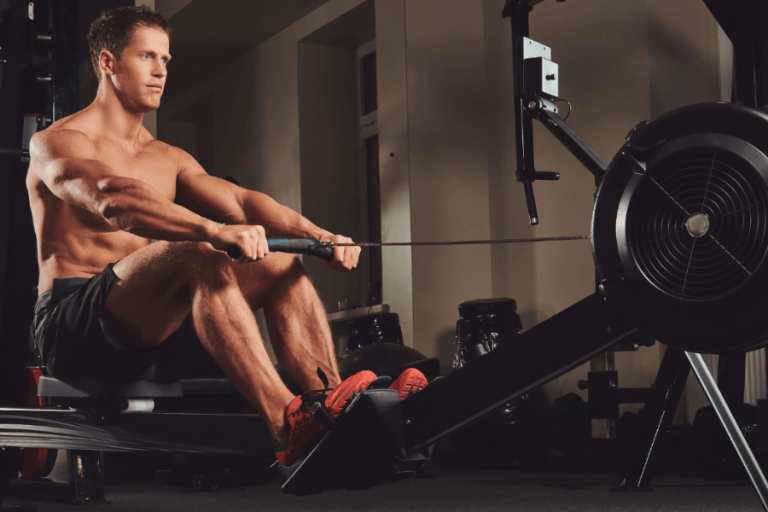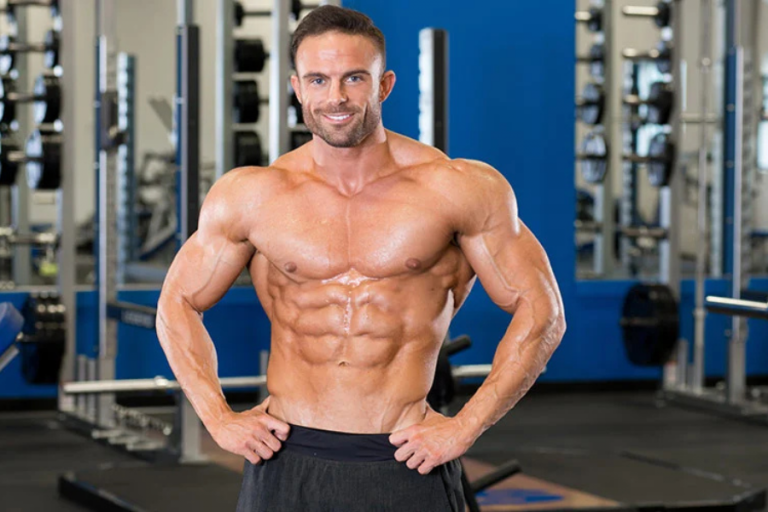
A strong shoulder workout for men does more than add size to your T‑shirt. When you train your shoulders correctly, you build strength, improve posture, and protect a very delicate joint from injury. The key is targeting every major muscle around the joint and using smart programming so you grow without breaking down.
Below, you will find a complete shoulder workout for men that covers strength, size, and long-term shoulder health. You will also learn how to warm up, how many sets and reps to use, and how to avoid common injury mistakes.
Understand your shoulder muscles
Before you load a barbell, it helps to know what you are trying to train. Your shoulder is one of the most complex joints in your body, which makes it powerful but also easy to irritate if you rush.
The main muscles you want to target in a shoulder workout for men are:
- Deltoids, the rounded shoulder muscle with three heads: front (anterior), side (lateral), and rear (posterior)
- Rotator cuff, four small muscles that stabilize the joint and guide smooth movement
- Trapezius, especially the upper portion that supports shrugging and overhead motions
- Rhomboids, upper back muscles that pull your shoulder blades back and help posture
To build big, balanced shoulders, you need to hit all of these from different angles, not just press weights overhead. Gymshark highlights that building big shoulders means targeting rotator cuff, deltoid, rhomboids, and trapezius from multiple angles so you get strength, stability, and better aesthetics together.
Warm up your shoulders the right way
Your shoulder joint is mobile and fragile. Going straight into heavy presses without a warm up is one of the fastest ways to irritate your rotator cuff.
Spend 5 to 10 minutes preparing before every shoulder workout:
-
Light cardio, 3 to 5 minutes
Walk, cycle, or row at an easy pace to raise your core temperature. -
Dynamic shoulder moves
Focus on movements that increase blood flow and gently take the joint through its range of motion. Gymshark recommends:
- Banded shoulder external rotations
- Band pull-aparts or face pulls
These moves wake up your rotator cuff and upper back so your shoulders are supported during pressing.
- Warm up sets
Start your first main exercise with a couple of light sets before you reach working weight. Aim for 2 sets of 10 to 15 reps using very light weight, focusing on smooth form.
You can finish your session with a brief cool down. Static stretches like the cross-body shoulder stretch and overhead triceps stretch help recovery and can reduce next-day soreness.
Build your workout around compound lifts
In a shoulder workout for men, you get the most return from heavy compound exercises. These are lifts that use multiple joints and muscle groups, such as presses and rows.
Research summarized by Gymshark suggests focusing most of your work in the hypertrophy range of 8 to 12 reps at around 70 to 80 percent of your one rep max, across 9 to 15 total weekly sets for shoulders. You will start with your big lifts while you are fresh, then move to isolation work later in the session.
Barbell push press
The push press is a powerful overhead strength move that also lets you use heavier weights than a strict press. You dip your knees slightly and use leg drive to help press the bar overhead.
Men’s Health UK describes the barbell push press as 3 sets of 6 reps with around 2 minutes rest, standing with feet shoulder width apart, bar at shoulder height, slight knee bend, then explosively pressing overhead. This exercise hits your delts, triceps, core, and lower body in one move.
If you are newer to lifting, focus on lighter weights and precise form first. Brace your core, avoid leaning back to get the bar up, and keep your ribs down.
Overhead shoulder press (barbell or landmine)
The overhead shoulder press is a classic. It primarily trains your front delts and also engages the side delts, traps, triceps, and even your upper chest.
- If your shoulders and mobility are solid, you can use a barbell standing press.
- If you feel discomfort going straight overhead, a landmine press is a joint friendlier alternative. The angled bar path reduces strain on the joint but still loads your shoulders heavily.
Aim for 3 to 4 sets of 8 to 10 reps. Go heavy enough that the last 2 reps feel challenging, but not so heavy that you must arch your back to finish.
Dumbbell shoulder press
Dumbbells are your friend if you want size and healthier shoulders long term. A dumbbell shoulder press lets each arm move independently, which demands more work from the smaller stabilizers like your rotator cuff and helps keep development balanced.
According to Gymshark, dumbbell presses offer a greater range of motion than barbell presses and allow grip adjustments like neutral grip, which can reduce joint stress. For muscle growth, 3 to 4 sets of 8 to 12 reps with 60 to 90 seconds rest is an effective structure.
You do not have to choose between barbell and dumbbell presses forever. Combining both in your training week can give you the strength benefits of the barbell and the stability benefits of dumbbells.
Add isolation moves to sculpt your delts
Once your heavy compound work is done, you can shift to isolation exercises. These moves focus on specific heads of the deltoid so you fill out the round shape of your shoulder and support joint health.
Lateral raises for side delts
If you want wider shoulders and more of a V shape, lateral raises are your go to. They target the lateral or side delts that create width viewed from the front.
Gymshark recommends using a weight that lets you perform 8 to 12 controlled reps without swinging your body, which is ideal for hypertrophy. Men’s Health UK suggests 3 sets of 8 reps with 90 seconds rest, lifting dumbbells to just about shoulder level with a small elbow bend and no body swing.
Focus on lifting out to your sides rather than up, and stop the set when you notice momentum creeping in.
Rear delt fly and rear delt row
Rear delts are often neglected, which can lead to rounded shoulders and an increased risk of pain. You can target them directly with moves like rear delt flies and rear delt rows.
- Dumbbell incline rear fly: Men’s Health UK recommends 3 sets of 10 reps with 90 seconds rest, lying chest down on an incline bench and lifting dumbbells out to the side until your elbows are at shoulder height.
- Rear delt rows: Research suggests rear delt rows can activate the rear and middle delts more than some popular movements like dumbbell shoulder presses or upright rows. That makes them a solid choice to balance all your pressing.
Include at least one rear delt exercise every shoulder or upper body day. Your posture and shoulders will thank you.
Arnold press for rounded shoulders
The Arnold press is a twist on the classic dumbbell press designed by Arnold Schwarzenegger. You start with your palms facing you and rotate them outward as you press.
This variation targets both the front and side delts more than many other dumbbell pressing variations and is often kinder on the joints, since the rotation follows a more natural shoulder path.
You can perform 3 sets of 8 reps with about 90 seconds of rest. Keep the movement smooth and avoid slamming the dumbbells together at the top.
Train your rotator cuff to prevent injuries
Many men focus on heavy pressing and shrugs but ignore the smaller rotator cuff muscles that stabilize the joint. Over time, that imbalance can lead to strains and even tears.
Franklin County Medical Center explains that the rotator cuff consists of four muscles and their tendons, and overuse or poor form in weight training can cause injuries that are painful and slow to heal. To reduce this risk you should:
- Include light external rotation exercises with bands or cables
- Use face pulls to build the back of the shoulders and upper back
- Avoid locking your elbows and jerking weights overhead
Dr. Kade McQuivey of Banner Health notes that many shoulder and elbow injuries in lifters come from repetitive overhead motions and poor technique, and recommends strengthening the rotator cuff along with forearms and upper arms using bands and light dumbbells.
You can tack on 2 to 3 sets of 15 to 20 reps of banded external rotations and band pull-aparts at the end of your workouts, or in your warm up, to help keep the joint healthy.
Sample hard and heavy shoulder workout
You can put everything above together into a simple but challenging shoulder workout for men. Start with power and strength, move into size focused work, and finish with rear delts and traps.
Here is one option inspired by routines discussed by Gymshark and Men’s Health UK:
- Push press
- 3 sets of 6 reps
- 2 minutes rest between sets
- Overhead shoulder press (barbell or landmine)
- 3 sets of 8 to 10 reps
- 90 seconds rest
- Dumbbell shoulder press or Arnold press
- 3 sets of 8 to 12 reps
- 60 to 90 seconds rest
- Lateral raises
- 3 sets of 8 to 12 reps
- 60 to 90 seconds rest
- Rear delt fly or rear delt row
- 3 sets of 10 to 12 reps
- 60 to 90 seconds rest
- Optional traps finisher, like dumbbell shrugs
- 2 to 3 sets of 12 to 15 reps
You do not need to train shoulders every day. Gymshark notes that around 9 to 15 total weekly sets for shoulders, in the 8 to 12 rep range and at 70 to 80 percent of your one rep max, is effective for muscle growth while avoiding overtraining. For most men, 1 to 2 dedicated shoulder or upper body days each week is enough.
Stay safe and listen to your joints
Shoulder workouts can do a lot for your health and appearance, but only if you respect your joints. Franklin County Medical Center advises you to stop immediately if you feel sharp or sudden shoulder pain and to seek medical evaluation instead of pushing through it.
You should also get checked by a specialist if:
- Pain lasts more than a few days
- You cannot move your arm like you normally do
- Shoulder pain is waking you up at night
Building long-term shoulder health means combining strength, balance, and flexibility. With consistent warm ups, smart programming, and some rotator cuff work, you can keep pressing and raising for years without constant aches.
Putting your shoulder plan into action
A good shoulder workout for men does not have to be complicated. If you:
- Warm up properly with dynamic band work
- Start with heavy compound presses
- Add isolation moves for side and rear delts
- Train your rotator cuff regularly
- Respect pain signals instead of ignoring them
you give yourself the best chance to build strong, broad, and healthy shoulders.
Pick two or three of the exercises above for your next session and run through them with lighter weights first. Once the movements feel smooth, start nudging the weight up over the next few weeks. With consistent effort, you will notice your shoulders looking rounder, posture improving, and presses feeling stronger.
About the Author