Rowing machines offer a powerful and low-impact way for you to burn calories, build endurance, and strengthen muscles. When you approach rowing machine fat burning workouts with the right technique, intensity, and mindset, you can experience steady progress without stressing your joints. Whether you are new to rowing or looking to fine-tune your workouts, giving this form of cardio a real chance can reward you with full-body engagement and a more efficient path to fat loss.
Below, you will find practical tips on why rowing works so well, how to refine your stroke, and which workouts might fit your goals. Take it step by step. Even small adjustments in your form or workout routine can lead to big differences in your results.
Discover rowing’s benefits
Rowing engages multiple major muscle groups at once. That translates to a higher calorie burn, especially when compared with isolated exercises that only target smaller areas. Your legs drive a significant part of each stroke, your core stabilizes your body, and your back and arms pull through for the finish. This seamless combination makes rowing particularly effective for burning fat and building cardiovascular endurance.
Plus, rowing’s seated position keeps impact on your knees and ankles to a minimum. If you have joint sensitivities or are used to high-impact activities, you’ll likely appreciate the smoother feel of rowing. The repetitive motion can also help develop mental focus, allowing you to settle into a rhythm that makes your workout feel both meditative and challenging at the same time.
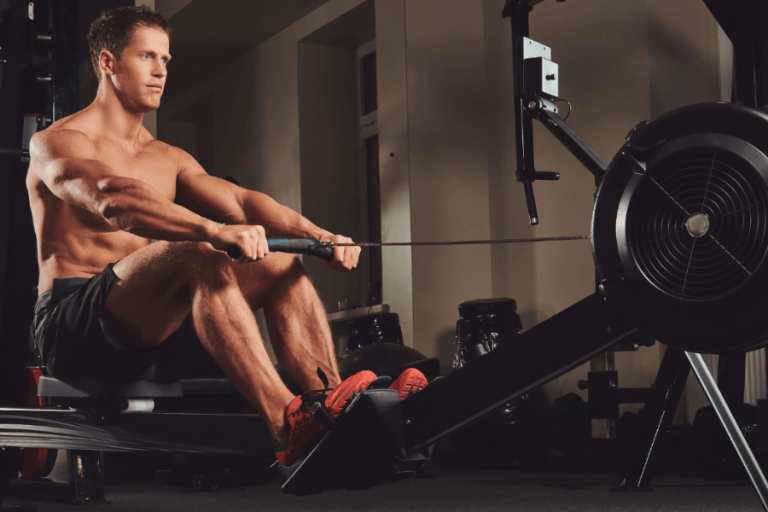
A helpful way to visualize the role of each muscle is to think about the sequence: push with your legs, use your back to stabilize, and pull with your arms to complete the stroke. Done correctly, you work nearly your entire body in a single session. That’s why many fitness enthusiasts turn to rowing to support their weight management and overall health.
Master your stroke technique
Because the rowing machine is so effective, it can also be easy to overlook technique. But proper form ensures you get the most out of every stroke and avoid unnecessary strain.
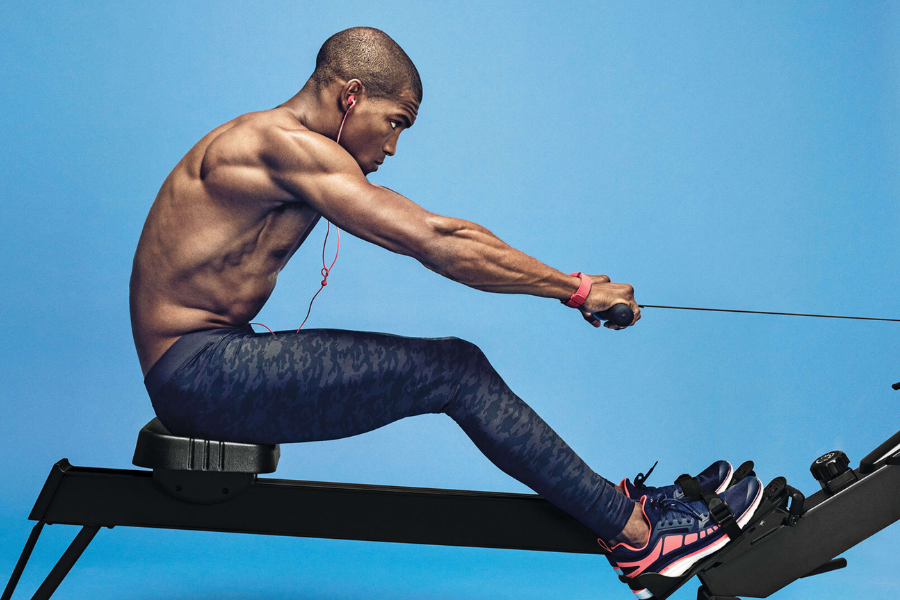
The rowing stroke is typically broken down into four phases:
- Catch
- Sit tall, lean forward slightly from your hips, and bend your knees so that the handle is just in front of your shins.
- Engage your core so your back stays flat, not rounded.
- Drive
- Begin by pushing off with your legs.
- As your legs straighten, lean back slightly while pulling the handle toward your lower chest.
- Finish
- Complete the stroke by squeezing your shoulder blades together, keeping your elbows close to your sides.
- Your legs should be fully extended at this point.
- Recovery
- Reverse the motion by extending your arms first, then leaning forward from the hips, and finally bending your knees into the catch position.
Focusing on each phase helps you improve efficiency. Keep your chest up and your core engaged throughout the motion. If you find your back rounding or your shoulders creeping up toward your ears, slow down and correct it. Once you feel comfortable in each phase, you will flow from one to the next with minimal wasted movement.
Elevate your intensity with intervals
One of the best ways to ignite fat burn on a rowing machine is through interval training. By alternating short bursts of high effort with periods of active rest, you stimulate your metabolism and foster greater calorie burn both during and after your workout.
Consider a simple yet effective interval routine:
• Warm up for five minutes at a gentle pace, focusing on smooth, consistent strokes.
• Row at a high intensity for 30 seconds, aiming for a challenging stroke rate.
• Recover for 60 seconds at a relaxed pace.
• Repeat these intervals for a total of 8 to 10 cycles.
• Cool down for five minutes with an easy, steady row.
During the high-intensity sections, give it your best effort without sacrificing form. You should feel winded by the end of each interval but able to continue once you rest. Over time, increase the duration of the intense part or shorten the recovery intervals to keep challenging your fitness level.
“Interval workouts on the rowing machine recruit both your aerobic and anaerobic energy systems, promoting efficient fat burning,” says many experienced trainers. “They help you improve power and stamina in a short amount of time.”
Try steady-state endurance sessions
Not every workout needs to be an all-out sprint. Mixing longer, steady sessions into your routine can build your endurance and overall workout capacity. Steady-state sessions typically involve rowing at a consistent, moderate pace for an extended period, such as 20 to 30 minutes or longer.
In these workouts, the goal is to maintain good form and a manageable effort level. If you’re new to rowing or returning after a hiatus, consider starting with 10 or 15 minutes first. This approach helps you strengthen your aerobic base and challenges your mental resilience to sustain effort over time.
Steady-state workouts also let you focus closely on your stroke mechanics and breathing patterns. You can tune into how your body responds, making small technique adjustments that will carry over into the more intense sessions. As you gain confidence, gradually add a few minutes to your rowing time. These low-to-moderate intensity sessions support your fat-loss goals by consistently burning calories and improving your cardiovascular function.
Incorporate rowing into your fitness plan
Making rowing a regular part of your schedule is key to seeing long-term progress. With the versatility of interval training, endurance sessions, and technique drills, you can build a well-rounded fitness routine around the rowing machine.
For overall balance, pair rowing with exercises that strengthen other parts of your body and support flexibility. Bodyweight moves such as push-ups, planks, and squats can enhance core and leg strength, which ultimately boosts your rowing form. If you have more time to dedicate, consider adding yoga or dynamic stretching sessions to improve your mobility and prevent tightness in your hips and shoulders.
Some people like to row three times a week, while others prefer shorter, more frequent sessions. You can experiment with schedules until you find one that suits you. For example:
• Monday: Moderate-intensity row (15–20 minutes) followed by bodyweight exercises
• Wednesday: Interval workout (8–10 rounds of 30-second sprints)
• Friday: Longer, steady-state session (20+ minutes)
Remember to prioritize rest and recovery. Rowing relies heavily on leg drive and core stability, so incorporate one or two rest days each week. During these days, a light walk or gentle stretching can keep you active and enhance circulation without overtraining.
Finally, track how you feel during and after each session. Write down your stroke rate, pace, or time spent rowing. Notice improvements in your endurance or any changes in body composition over time. Adjust your routines if you feel overly fatigued, or up the intensity if your workouts start feeling too easy.
By building these workouts into your plan, you give yourself a clear path to consistent fat-burning success. Rowing can serve as your primary cardio, or it can complement running, cycling, or other fitness disciplines. The key is to keep your routine fresh with variety and progression so you can continue to challenge yourself safely.
Remember, everyone’s journey with rowing looks a little different. Your unique schedule, fitness level, and goals all play a role in determining how best to apply these workout techniques. Stay patient, commit to practicing good form, and keep exploring ways to make each session engaging. Before long, you’ll likely notice that not only are you burning fat more efficiently, you’re also welcoming a new level of fitness and confidence into your daily routine.
About the Author