A packed schedule does not mean you have to give up on stronger, more defined abs. With the right structure, quick ab workouts for men can fit between meetings, after the kids go to bed, or at the end of a short gym session. The key is knowing what actually works in a limited time and what is just flashy filler.
Below, you will find simple, realistic ways to train your core in 10 minutes or less, plus how to link those workouts with your diet and weekly routine so you get real results, not just a quick burn.
Set realistic expectations first
Short ab workouts are useful, but they are not magic. You can build strength and endurance in a few focused minutes, especially if you train consistently. Visible six-pack abs, however, depend heavily on your overall body fat level, not just how many crunches you do.
Fitness experts point out that quick eight minute ab routines alone are not enough for a strong, defined six pack because fat loss requires more total work and a steady calorie deficit from your diet, not spot reduction on your midsection. Nearly everyone has abdominal muscles, but body fat tends to hide them until you lean out.
This does not mean short sessions are pointless. It means you should treat them as one tool in a bigger plan that includes nutrition, general strength training, and daily movement.
Understand how your abs really work
When you think of abs you probably picture the six visible blocks on the front of your stomach. Your core is much more than that. It includes:
- Rectus abdominis, the “six pack” muscle that flexes your spine
- Obliques, on the sides of your waist, which rotate and side bend your torso
- Transverse abdominis, a deep muscle that stabilizes your spine and acts like a natural weight belt
- Supporting muscles in your hips and lower back that help you resist movement
If you only ever do crunches or planks you are leaving a lot of that potential untapped. Well rounded core training covers:
- Flexion, think controlled crunch or sit up
- Anti extension, resisting your lower back arching, like in a plank
- Rotation and anti rotation, twisting or resisting twist, such as Russian twists or dead bugs
- Lateral flexion, bending to the side or resisting side bend, such as loaded carries or side planks
This variety matters for more than looks. Strong core muscles improve posture and sport performance, and they can ease or prevent lower back pain when you pair them with smart progressions and good form.
Train smart with limited time
If you only have 8 to 12 minutes a day, you cannot waste time. You will get more from your quick ab workouts for men if you follow a few principles.
Make intensity your friend
Short sessions need to be challenging. You can increase intensity by:
- Shortening rest periods
- Slowing the lowering phase of each rep
- Adding light to moderate weight when bodyweight gets easy
- Using unstable positions that force your core to work harder
Trainer Jon Hinds notes that effective core strengthening often comes from exercises that create instability, since your body has to stabilize in real life too, whether you are sprinting, changing direction, or simply carrying groceries.
Use progressive overload
For your abs to grow and strengthen, you need to slowly ask more of them. Personal trainer Gareth Sapstead stresses that progressive overload, such as more reps, more sets, or extra resistance each week, is necessary for abdominal muscle growth.
You can apply this in small ways:
- Week 1, 2 sets of an exercise
- Week 2, 3 sets of the same exercise
- Week 3, keep 3 sets but add a light dumbbell
- Week 4, maintain weight but slow each rep for more control
Treat your abs like any other muscle you train, not a side dish you rush through at the end with no plan.
A 10 minute all angle ab circuit
This short routine is designed to work your core from every angle in one efficient block. Perform it 2 to 4 times per week. Move from one exercise to the next with as little rest as you can manage. Rest 60 to 90 seconds at the end of each circuit, then repeat.
Aim for 2 circuits when you start and build to 3.
1. Hardstyle plank
The hardstyle plank looks simple on paper, but if you do it right your entire body will be shaking.
- Set up on your forearms with elbows directly under shoulders and fists balled
- Feet hip width apart, body in a straight line from head to heels
- Squeeze your quads, glutes, abs, lats, and even your fists as hard as you can
- Breathe in through your nose and out through your mouth while keeping that tension
Hold for 10 to 20 seconds, rest briefly, and repeat until you reach 40 to 60 total seconds. Trainers featured in a 2026 GQ piece describe this plank style as a highly efficient way to build full body tension and deep core strength.
2. Dead bug
Dead bugs hit anti extension and anti rotation while also challenging your coordination.
- Lie on your back with arms extended toward the ceiling
- Bend your hips and knees to 90 degrees, knees stacked over hips
- Press your lower back into the floor and keep it there
- Slowly lower your right arm and left leg toward the floor while keeping your core braced
- Return to the start and switch sides
Perform 14 total reps, 7 each side. This move teaches you to keep your spine stable while your limbs move, similar to how your core works in running, throwing, or lifting.
3. Dumbbell side bend
Now you will deliberately train lateral flexion by targeting your obliques.
- Stand tall with feet hip width apart
- Hold a medium dumbbell in your right hand, left hand behind your head or at your side
- Keeping your chest lifted, slowly lean to the right, sliding the weight down your leg
- Pause, then use your left side to pull your torso back to vertical
Perform 12 to 20 reps per side. Keep your core tight and movement controlled. Bigger weights are not the goal here, quality reps are.
4. Hollow extension to cannonball
This is a tough bodyweight move that hammers your entire front side.
- Lie on your back, hug your knees to your chest, and lift your head and shoulders
- From this “cannonball” position, extend your arms overhead and legs out, hovering just above the floor
- Keep your lower back lightly pressed into the ground
- Return to the cannonball position and repeat
Aim for 10 to 12 reps. Start with shorter extensions if your lower back tries to lift.
5. Bodyweight back squat for core
Squats are not usually labeled as an ab move, but when you focus on bracing they become a powerful core drill.
- Stand with feet about shoulder width apart
- Brace your abs as if someone is going to poke your stomach
- Sit your hips back and down into a squat while keeping your chest up
- Pause, then drive through your feet to stand, keeping tension in your midsection
Perform 12 slow reps. A 2026 GQ article notes that starting with just the bar or even no weights helps you focus on core stability first, then you can gradually add load once your form and bracing are dialed in.
6. Bird dog
Finish the circuit with a stability move that ties upper and lower body together.
- Start on hands and knees with wrists under shoulders and knees under hips
- Brace your core and keep your spine neutral
- Extend your right arm forward and left leg back until they are in line with your torso
- Pause, then return and switch sides
Aim for 10 slow reps per side. Avoid rushing. The goal is steady balance and control.
Another 10 minute six pack focused routine
If your primary goal is a more defined six pack and you already lift or do cardio on other days, you can plug this into your week. Perform the following five moves in a row, with no rest between exercises. Rest for 60 to 90 seconds at the end and repeat for a second round if you have time.
This routine alternates upper and lower abs and finishes with a deep core hold:
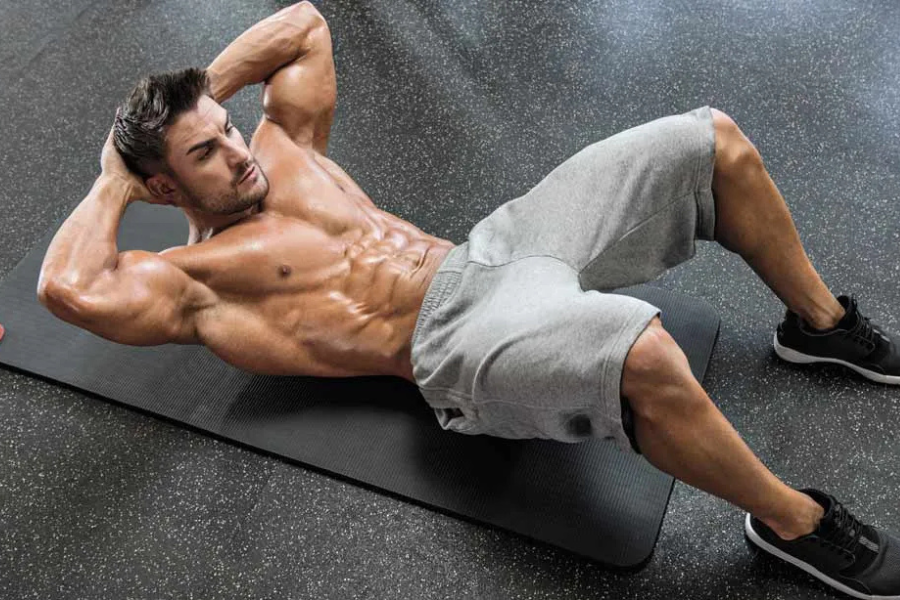
- Overhead crunch, 12 reps
- Reverse crunch, 12 reps
- Janda sit up, 12 reps
- Frozen V sit, 12 reps
- Extended plank, 45 seconds
According to coaches quoted in a men’s training feature, this kind of upper and lower ab pairing, followed by a challenging isometric like the extended plank, is one of the fastest ways to cover all parts of the rectus abdominis in a short time.
When you do the extended plank, move your hands a bit in front of your shoulders instead of directly under them. This increases the lever arm and makes your transverse abdominis work much harder to keep your spine from sagging.
Add weekly structure that fits your life
Ten minute ab workouts are most effective when they are consistent. Your core can usually handle frequent training, so you can work it several days a week as long as you pay attention to form and fatigue.
Here is a simple way to organize your week around limited time:
- 2 to 3 days per week, full body strength training
- 2 to 3 days per week, quick ab circuit plus light cardio such as walking or cycling
- Daily, movement snacks such as short walks, taking the stairs, or a few sets of ab vacuums
Ab vacuums are a simple drill where you brace your core, pull your stomach in tight, and hold for around 10 seconds while still breathing. Doing this 10 times a day helps you activate deeper muscles that support your posture and can make your waist look tighter over time.
Match your workouts with your diet
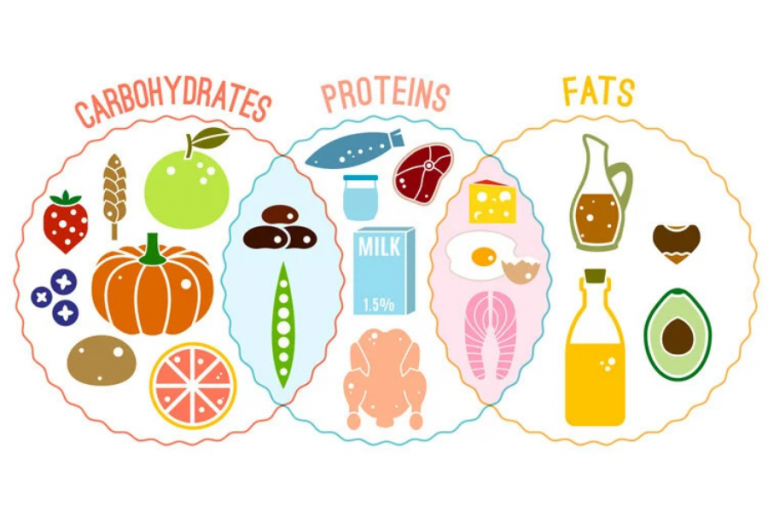
You cannot crunch your way through a high calorie diet. Trainers like Phil Learney emphasize that you cannot out train a bad diet, and that lowering body fat is essential if you want your abs to show.
For most men, that means:
- Eating in a small calorie deficit, often around 500 calories below maintenance
- Prioritizing lean protein at each meal to support muscle
- Swapping sugary drinks for water or unsweetened tea
- Moderating alcohol, especially beer and sugary mixers
Some men find it helpful to track intake with an app, at least for a few weeks, to get a sense of portions and patterns. Others prefer simpler rules, like eating whole foods most of the time and limiting takeout to certain days.
Whichever approach you choose, your quick ab workouts will feel better and deliver better results if your nutrition aligns with your goal.
Put it all together in 10 minutes
If you are short on time, think of each quick session as a focused appointment with your core, not an afterthought. Choose 3 to 6 smart exercises, cover different functions of the abs, push the intensity, and keep the total time under 10 minutes.
Most importantly, repeat that process several times a week and pair it with reasonable eating habits. Over a few months you will notice a stronger midsection, less back discomfort, and better posture. With consistent effort and smart nutrition, the visual definition will follow.
About the Author