Image by Flux
A solid pre-workout snack can be the difference between just showing up at the gym and actually making progress. If your goal is muscle gain, what you eat before you train matters more than you might think. The right pre-workout snacks for muscle gain give you steady energy, support strength, and help your body build muscle after you rack the weights.
Below, you will learn exactly what to eat, when to eat it, and how to build simple snack options that fit your schedule.
Understand what your body needs pre-workout
Your muscles run on fuel, and your snack needs to match the work you are about to do.
Carbohydrates are your main energy source during moderate to high intensity exercise. Consuming carbs before you work out boosts the glycogen stored in your muscles, which helps you train harder and longer, especially for sessions over 60 minutes (Healthline, Academy of Nutrition and Dietetics).
Protein plays a different role. Eating protein before exercise increases muscle protein synthesis, which is the process that actually builds muscle mass. It may also reduce muscle damage and support recovery, so you come back stronger on your next training day (Healthline, Academy of Nutrition and Dietetics).
Healthy fats are useful for long, lower intensity workouts because they provide slow, sustained energy. However, they digest slowly, so if you eat a lot of fat too close to a heavy lifting session you might feel sluggish or bloated (Healthline).
In simple terms, your pre-workout snack for muscle gain should focus on carbs for fuel and a moderate amount of protein for muscle support, with limited fat and fiber right before you train.
Time your pre-workout snacks for results
Timing is almost as important as what is on your plate. Your stomach and muscles need a little space between eating and lifting.
If you are eating a full meal, you will do best with 2 to 3 hours of digestion time. A balanced meal in this window should include carbs, protein, and some fat so your body can process everything comfortably and turn it into usable energy by the time you start training (Healthline).
If you are closer to your workout, your strategy needs to change:
- About 1 to 1.5 hours before: A smaller snack that focuses on carbs with some protein works well for most people. This gives you enough time to digest without feeling too full.
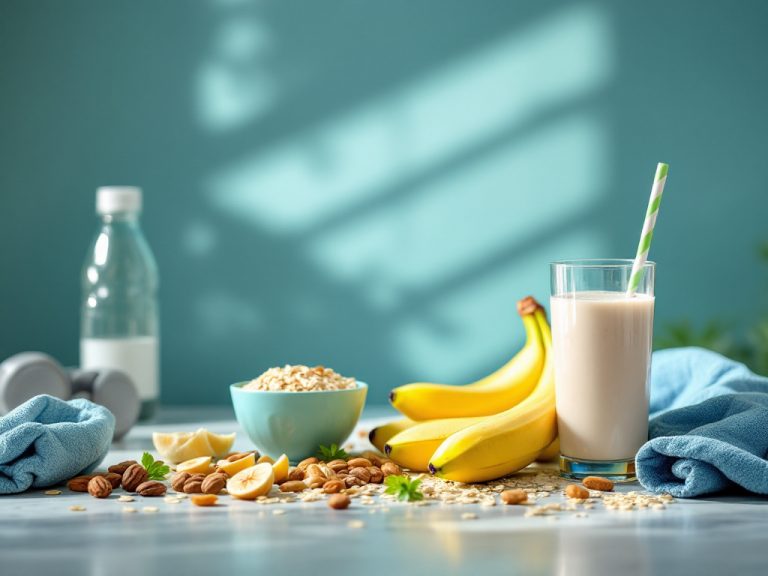
- About 45 to 60 minutes before: You will want something very easy to digest, such as a banana, oatmeal, or a protein shake, so you avoid that heavy, sloshy feeling once you start moving (Healthline).
- Within 30 minutes: Think small, quick carbs if you need a tiny boost, for example a few crackers or half a banana. Keep fat, fiber, and very high protein intake low so your stomach is not working overtime.
The Academy of Nutrition and Dietetics suggests eating a snack with both protein and carbohydrates about one to four hours before exercising so you can avoid gastrointestinal discomfort and perform at your best (Academy of Nutrition and Dietetics).
Build the ideal pre-workout snack for muscle gain
You do not need complicated recipes or expensive bars to get this right. Think in terms of a simple formula.
A smart pre-workout snack for muscle gain usually includes:
- A primary carbohydrate source for quick or moderate energy
- Around 10 to 20 grams of protein to provide amino acids and support muscle building
- Minimal fat and fiber close to workout time to reduce the chance of bloating or cramps
Many sports nutrition experts suggest that the ideal pre-workout meal for muscle gain includes around 20 grams of protein and 20 to 30 grams of complex carbohydrates if you are eating 2 to 3 hours before exercise (MyProtein). For a smaller snack 45 to 90 minutes before your session, you can use the same ratio but scale the total amount down.
Registered dietitians often recommend simple carbs for pre-workout snacks, since protein, fat, and fiber all take longer to digest. Simple carbs give you fast energy and help you avoid cramping in the gym (Men’s Health). Adding some protein to that simple carb base can help stabilize energy and support your muscles during and after your workout.
Choose real-food snack ideas that work
You probably already have strong pre-workout options in your kitchen. The key is pairing foods in a way that fits the timing of your training.
Here are practical examples you can use and adjust.
Snacks 2 to 3 hours before lifting
With this much time, you can handle a more complete meal that still supports muscle gain.
- Chicken, rice, and vegetables: Lean chicken provides high quality protein, rice gives you complex carbs, and vegetables add nutrients and a bit of fiber. This combo offers slow releasing energy and amino acids for muscle repair and growth (MyProtein).
- Turkey sandwich on whole grain bread: You get carbs, lean protein, and a small amount of fat. Go easy on heavy sauces or cheese to keep digestion smooth.
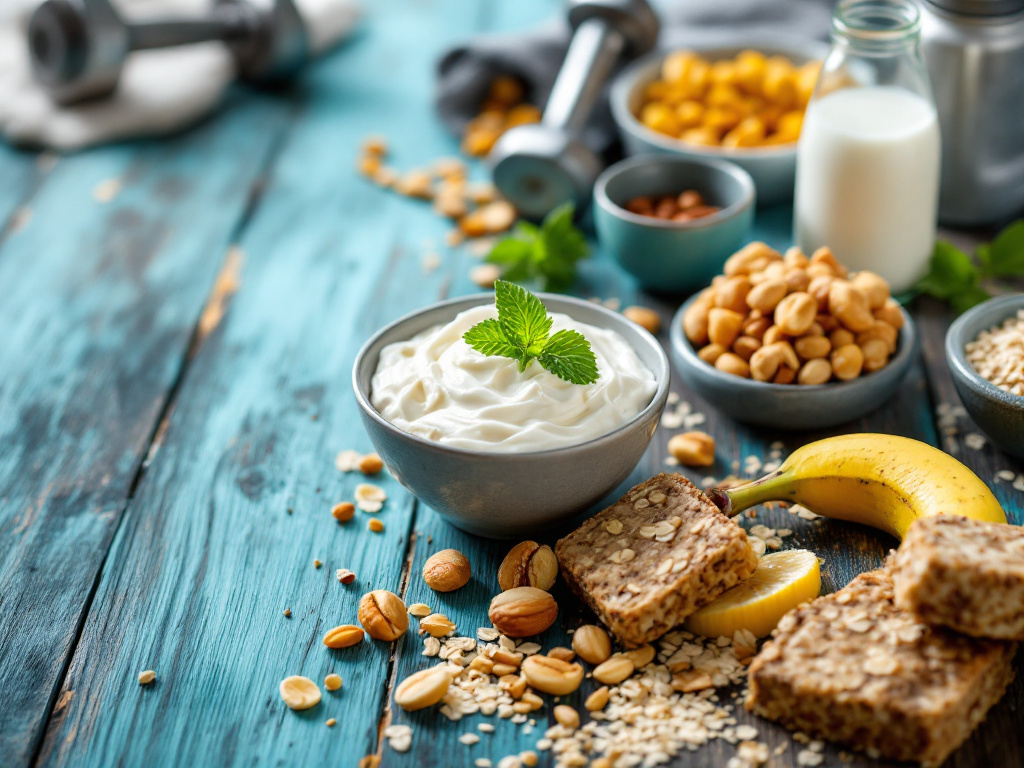
- Greek yogurt bowl with fruit and a small handful of oats: The yogurt adds protein, oats bring complex carbs, and fruit gives you quick energy and flavor.
These meals line up with guidance that a balanced combination of carbs, protein, and fat 2 to 3 hours before exercise helps maximize training results for muscle gain (Healthline).
Snacks 60 to 90 minutes before your workout
With a shorter window, your pre-workout snacks for muscle gain should get a bit lighter and easier to digest.
- Protein bar with moderate carbs: Something that offers a mix of carbohydrates and protein can support muscle mass and energy. Bars like the Layered Bar are often suggested about an hour before training (MyProtein).
- Peanut butter and jelly sandwich: Simple carbs from the bread and jelly plus some protein and healthy fats from the peanut butter make this a classic pre-workout choice, as long as portion sizes are reasonable (Men’s Health).
- Low fat yogurt with a banana: You get fast digesting carbs and an easy protein source in a compact snack that does not sit too heavy.
Dietitians often recommend snacks like yogurt, cheese, protein bars, or sandwiches in this time frame, while keeping fat and fiber modest so your stomach can stay comfortable while you lift (Men’s Health).
Snacks 30 to 60 minutes before training
In this short window, prioritize quick digesting carbs and very simple combinations.
- Banana or banana with a thin layer of peanut butter: Bananas provide natural sugars, simple carbohydrates, and potassium, which help maintain energy and muscle function. A little peanut butter adds protein and healthy fats to support muscles, but keep it light so digestion is not slowed too much (MyProtein).
- Oatmeal made with water and a scoop of protein powder: Oats are easy to digest when portioned reasonably and offer a mix of carbs and fiber. A protein scoop bumps up the muscle-building potential without adding a lot of fat.
- Protein shake plus a small piece of fruit: This combination is ideal when you want fuel without feeling full. It gives you both protein and carbs in a very digestible form (Healthline).
Research consistently notes that easily digestible foods like protein shakes, bananas, or oatmeal 45 to 60 minutes before exercise provide energy and nutrients without causing that heavy, weighed-down feeling in the gym (Healthline).
Quick rule of thumb:
The less time you have before training, the simpler and lower in fat and fiber your snack should be.
Decide whether you need pre-workout supplements
Food first is a strong strategy for most people, but you might also be considering pre-workout supplements and how they fit into your muscle gain plan.
Pre-workout supplements are formulated to boost energy, sharpen focus, and enhance blood flow to your muscles. Ingredients like L-arginine and citrulline malate can promote better pumps, and compounds such as creatine and BCAAs support muscle function and endurance during high intensity workouts (Nakpro Nutrition).
Common components include:
- Caffeine for increased energy and exercise performance
- Creatine for more strength and power, which can help you lift heavier and push harder in your sessions
- BCAAs to help prevent muscle breakdown and support faster recovery, particularly when you train intensely or with high volume (Nakpro Nutrition)
Pre-workout products can be especially helpful if you train early in the morning, after a long workday, or are focused on maximizing strength, endurance, and focus in each session (Nakpro Nutrition).
However, timing your overall protein intake across the day is still more important for muscle gain than taking a specific supplement right before or right after your workout. Many experts emphasize hitting your daily protein target over worrying about exact timing as long as you are generally consistent (Men’s Health).
You can also combine pre and post-workout supplements if your training is very intense. Pre-workout products help performance and energy, while post-workout supplements focus on recovery and muscle building. Together, they can support long term strength and size goals (Nakpro Nutrition).
Avoid common pre-workout mistakes
Even good foods can work against you if you eat them at the wrong time or in the wrong amounts before training. A few adjustments can keep your sessions feeling strong instead of sluggish.
High fat and high fiber foods tend to be heavy and slow to digest, especially right before strength training. Large portions of fried food, greasy takeout, or huge salads can leave you dealing with discomfort, cramping, or gas during your sets. Health experts recommend limiting very fatty and very high fiber foods just before lifting so your body can focus on your workout rather than digestion (Men’s Health, UCLA Health).
Skipping carbs altogether is another common issue. Carbohydrates are your primary fuel source when muscles are working hard, and the more intense your workout, the more carbs your body needs to maintain performance (Academy of Nutrition and Dietetics). If you tend to go into sessions on just coffee or only protein, you may notice fatigue, weaker lifts, or trouble finishing your routine.
Hydration is easy to overlook but very important. Your muscles need enough fluid to fire properly and recover afterward. Drinking water before and after your workouts helps them function at their best and supports overall performance and recovery (UCLA Health).
Finally, remember that your pre-workout snack is only one piece of the muscle gain puzzle. You still need a consistent resistance training program, adequate sleep, and total daily calories and protein that line up with your goals.
Put it all together for better muscle gain
When you line up your pre-workout snacks with your training, you give yourself an advantage every time you step into the gym.
You can start with one small change:
- Add a carb and protein focused snack 60 to 90 minutes before your next workout, such as yogurt and fruit or a peanut butter and jelly sandwich, and notice how your energy feels.
Once that feels easy, experiment with timing and different foods to see what gives you the best mix of energy, strength, and comfort. Your ideal pre-workout snacks for muscle gain should fit your routine, feel good in your body, and support the hard work you are already putting in at the gym.
About the Author