Image by Flux
Why pre-workout nutrition timing matters
If you care about getting stronger, building muscle, or simply getting more out of the time you spend training, pre-workout nutrition timing is one of the simplest levers you can pull. What you eat is important, but when you eat can be the difference between a sharp, energized session and a sluggish grind.
Research shows that strategically timing your carbs, protein, and fluids around exercise can improve performance, support muscle growth, and speed up recovery (Healthline). You do not need to obsess over the clock, but you do want a clear plan.
In this guide, you will learn how to time your pre-workout meals and snacks to match your training style, schedule, and goals, so you can walk into the gym feeling ready instead of running on fumes.
Understand what your body needs before a workout
Before you can dial in your pre-workout nutrition timing, it helps to know what your body is actually looking for.
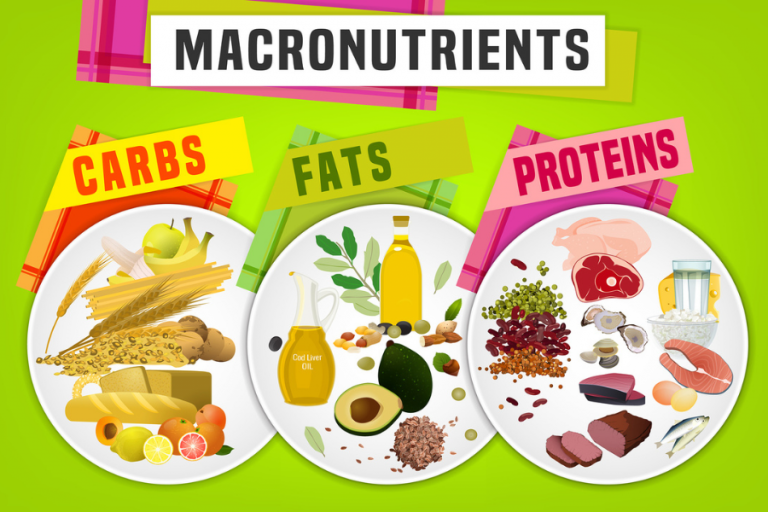
Carbs: Your main training fuel
Carbohydrates are your primary energy source for moderate to high intensity exercise. They top off muscle and liver glycogen, which your body burns when you lift, sprint, or push through intervals.
According to the International Society of Sports Nutrition, eating carbs before workouts increases glycogen stores and can enhance performance in sessions that last more than 60 minutes and involve moderate to high intensity effort (Healthline). A simple rule of thumb is this: harder and longer sessions call for more carbs and more careful timing.
Protein: Muscle support and protection
Protein before you train provides amino acids that help reduce muscle breakdown and support muscle protein synthesis. Studies show that eating protein before exercise can improve muscle mass formation, performance, and recovery (Healthline).
You do not need a huge steak right before the gym. A reasonable serving of protein in the hours leading up to your workout is usually enough to keep your muscles covered.
Fats and fiber: Helpful, but not too close
Healthy fats and fiber are great for daily nutrition, but they digest more slowly. Too much of either right before you train can leave you feeling heavy or cause stomach discomfort, especially during cardio or high intensity work.
For pre-workout meals that are close to training, you are usually better off focusing on carbs plus a moderate amount of protein and keeping fats and fiber lower (NASM).
Hydration: The often ignored performance booster
Even slight dehydration can hurt performance and make workouts feel harder than they need to be. Guidelines suggest beginning hydration at least 4 hours before exercise and including some sodium to help with fluid retention (Healthline).
Aim for pale yellow urine and sip fluids steadily rather than chugging a large amount right before you start.
Time your main pre-workout meal
Your main pre-workout meal is usually the largest meal you eat before training. The sweet spot for most men is 1 to 4 hours before exercise, depending on the size of the meal and your personal tolerance.
2 to 3 hours before: Balanced, regular meal
If you have a comfortable window of 2 to 3 hours before you train, you can eat a normal, balanced meal. Research summarized in 2020 suggests that a mix of carbs, protein, and fat in this range supports steady energy and performance (Healthline).
In this timing zone, you can handle:
- A solid portion of complex carbs, like rice, pasta, potatoes, or oats
- A lean protein source, like chicken, fish, eggs, or Greek yogurt
- Some healthy fats, like avocado, olive oil, or nuts
Because you have time to digest, you are less likely to feel heavy or bloated once you start moving.
1 to 1.5 hours before: Lighter and easier to digest
If your last real meal was earlier and you are eating closer to your workout, scale things back. Studies suggest that smaller meals focused on carbs and protein 1 to 1.5 hours before exercise help with energy and performance without overloading your stomach (Healthline).
Here you want:
- Simple to moderate carbs that digest fairly quickly
- A moderate dose of protein
- Minimal fats and fiber
Think of this as a “bridge meal” that tops up your energy without lingering in your gut.
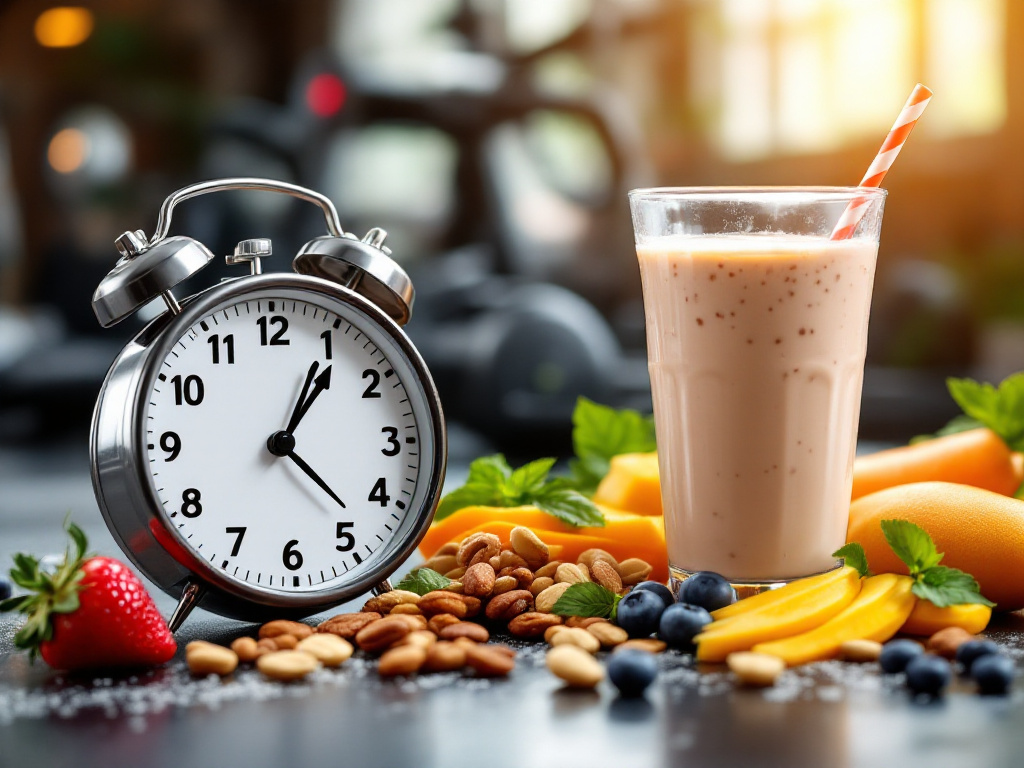
Under 1 hour before: Quick snack or liquid option
If you are training soon and have less than an hour, it is better to go with a snack or a liquid option. The Academy of Nutrition and Dietetics advises avoiding full meals immediately before a workout because digestion competes with muscle activity and can cause discomfort (eatright.org).
In this close window, lighter options work best:
- A banana or other fruit
- A small protein shake
- A smoothie or sports drink
Liquids tend to leave your stomach faster than solid food, which is helpful when you are tight on time (NASM).
Match your timing to workout type
Your ideal pre-workout nutrition timing changes depending on what you are doing in the gym or on the field.
For strength training and muscle gain
If you are lifting for strength or size, your goals are enough fuel for heavy sets and enough amino acids to support muscle growth.
A practical approach is:
- Eat a balanced meal with carbs and protein 2 to 3 hours before lifting
- Add a small carb and protein snack 60 to 90 minutes before if the session will be long or intense
Pre-workout protein in the range of 0.4 to 0.5 grams per kilogram of lean body mass, eaten less than 5 hours before lifting, can reduce the need to rush protein right after you train (Hyperion Health).
For most men, a pre-workout protein serving of 20 to 40 grams in the hours before lifting is a solid target (Hyperion Health).
For cardio and HIIT
Cardio and sprint-based sessions hit your energy systems hard, especially if they go longer than 60 minutes. Here, carbs and smart timing matter more.
UCLA Health recommends avoiding high fat and high fiber foods before cardio to reduce the risk of nausea or diarrhea (UCLA Health). Instead, you can:
- Eat a moderate meal 2 to 3 hours before with carbs and some protein
- Have a small carb-focused snack 30 to 60 minutes before, such as a banana, toast with jam, or a small granola bar
For very long or high intensity sessions, pre-exercise carb ingestion becomes more important. One review notes that 1 to 4 grams of carbohydrate per kilogram of body weight, taken several hours before high intensity efforts longer than 90 minutes, can support glycogen resynthesis and performance (Hyperion Health).
For shorter or lighter workouts
If you are doing light cardio, mobility, or a quick session under an hour, your last regular meal is often enough as long as you are not training fasted. For workouts under 60 minutes, pre-exercise meals usually do not make or break performance, especially if overall nutrition is solid (Healthline).
In this case, a small snack 1 to 2 hours before can be more about comfort and preference than strict performance needs.
Use pre-workout supplements wisely
Pre-workout supplements are popular, but they are just one piece of the pre-workout nutrition timing puzzle. The main active ingredient in most products is caffeine, sometimes combined with ingredients like beta-alanine or citrulline.
When to take pre-workout
Experts recommend taking pre-workout 20 to 60 minutes before exercise. This gives your body time to absorb the ingredients and for caffeine to reach peak effectiveness at around 60 minutes after ingestion (Prevention).
Many users start to feel more energy, focus, and stamina about 30 minutes after consuming pre-workout, which is why taking it roughly half an hour before training works well for most men (Fitness Premier Clubs).
How long the effects last
The energy-boosting effects of pre-workout, driven mainly by caffeine, typically last between 1.5 and 3 hours, with a noticeable drop after about 2 hours for many people (Fitness Premier Clubs). This lines up well with most gym sessions.
Because the effects can vary a lot based on your metabolism, prior nutrition, and caffeine tolerance, you may need some trial and error to find your best dose and timing (Fitness Premier Clubs).
Pairing pre-workout with food
You do not have to take pre-workout with food, but pairing it with a small carb-rich snack like a banana with peanut butter or Greek yogurt with berries can provide extra energy (Prevention).
On the other hand, taking it on an empty stomach may make the effects feel stronger, which some men like and others find uncomfortable.
Safety and smart use
It is best to avoid pre-workout late in the day because caffeine can disrupt sleep, especially if your daily total goes above 400 milligrams (Prevention). Sleep is a major driver of recovery and muscle growth, so sacrificing it for a bit more energy in the gym is rarely worth it.
If you are new to fitness or new to pre-workouts, start with a smaller dose to see how your body reacts. If you are sensitive to caffeine, have health conditions, or are taking medications, talk to a healthcare provider before using these supplements (Prevention).
You also do not need pre-workout before every single session. Using it strategically on days when you are tired or chasing a big performance goal can help prevent tolerance and keep it effective over time (Fitness Premier Clubs).
Do not forget post-workout timing
Your pre-workout nutrition timing sets up your session. What you do after you train helps you recover and prepare for the next one.
A 2025 systematic review and meta-analysis found that consuming protein and carbohydrates immediately after exercise can accelerate muscle recovery, replenish glycogen, and reduce fatigue compared to delaying intake (Frontiers in Nutrition). The same research highlights a “golden window” in the first 30 minutes after training, when muscle protein synthesis peaks and your body is especially responsive to nutrients.
While some experts argue this window is broader and may last several hours (UCLA Health), getting a mix of carbs and protein within about an hour after intense training is a safe and practical guideline (eatright.org).
For most men, a post-workout intake of 20 to 40 grams of protein plus a serving of carbohydrates is enough to support recovery and muscle growth (Hyperion Health).
Think of pre-workout nutrition timing as setting the stage and post-workout timing as cleaning up and rebuilding after the show.
Put it all together for your routine
To make this practical, here is how you might apply pre-workout nutrition timing on a typical training day.
- 3 hours before lifting: Eat a balanced meal with carbs, protein, and some fat.
- 60 to 90 minutes before: Have a lighter carb and protein snack if you know the session will be intense or long.
- 30 minutes before: If you use pre-workout, take it now, ideally with a small snack if that feels better for you.
- Right after training: Within about an hour, have a meal or shake that includes both protein and carbs to kickstart recovery.
From there, adjust based on how you feel. If a big meal too close to your workout leaves you sluggish, move it earlier. If you run out of steam halfway through your session, increase carbs or tighten up your timing.
You do not need a perfect schedule to see results. You just need a consistent approach that gives your body what it needs, when it needs it. Start with one change today, such as adding a carb and protein snack an hour before your next workout, and pay attention to how much better your training feels.
About the Author