Image by Flux
Why post-workout nutrition matters
You probably think the gains happen while you are lifting or sprinting. In reality, a lot of progress happens in the hours after you leave the gym. That is where post-workout nutrition comes in. What you eat and drink after a workout can speed up recovery, reduce soreness, and support muscle growth so your next session feels stronger, not slower.
After intense exercise, your muscles are low on glycogen, which is your stored form of carbohydrate, and full of tiny micro-tears. The right mix of carbohydrates, protein, and fluids helps refill those fuel stores, repair damaged fibers, and restore your fluid and electrolyte balance so you bounce back faster and perform better in your next workout (NASM).
What happens in your body after a workout
When you rack the last rep or finish your run, your body is in recovery mode. Glycogen in your muscles has been used up to power your sets and intervals. At the same time, the stress of training has created microscopic damage in muscle fibers. This is not a bad thing. Your body repairs that damage and, when fueled properly, your muscles come back stronger.
You are also losing fluids and electrolytes like sodium and potassium through sweat. In hard sessions or hot conditions, you can lose up to several quarts of fluid per hour, which makes rehydration just as important as fueling if you want to avoid fatigue and headaches later on (Johns Hopkins Medicine).
During the first 30 to 60 minutes after you stop, your muscles are especially sensitive to nutrients and insulin. Blood flow to the muscles is higher and cells are primed to take up glucose and amino acids. This is why eating the right foods shortly after a workout can accelerate both glycogen replacement and muscle repair (NASM).
The three pillars of post-workout nutrition
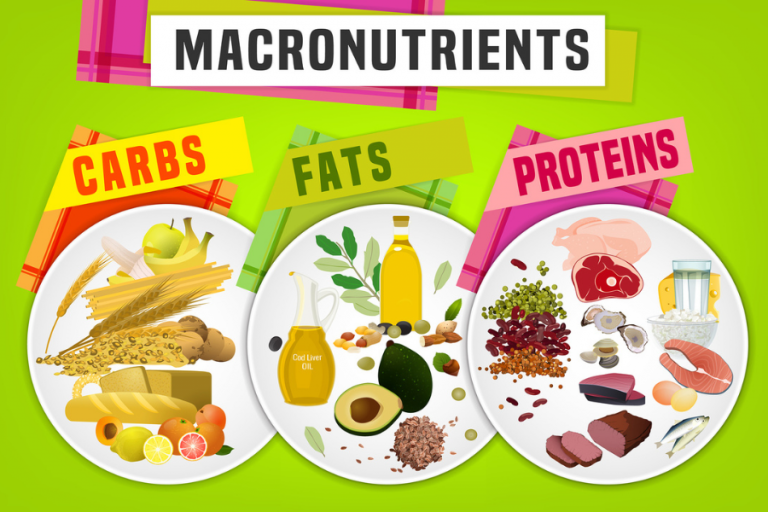
Effective post-workout nutrition is built on three main elements: carbohydrates, protein, and fluids with electrolytes. Each piece plays a different role in helping you recover.
Carbohydrates to refill your tank
Carbs are your primary fuel during most workouts. When you finish, your muscle glycogen is partly depleted. Getting carbohydrates in soon after exercise kickstarts the first, rapid phase of glycogen rebuilding that happens in the first hour or two after training (Athlete Training and Health).
Sports nutrition guidelines often suggest around 1.2 grams of carbohydrate per kilogram of body weight per hour for the first 4 to 6 hours if you need to maximize glycogen restoration (Medicine and Science in Sports and Exercise). For a 150 pound man, that is roughly 68 to 102 grams of carbohydrates immediately after extended exercise (NASM).
If you have a short recovery window of 1 to 2 hours before your next session, faster digesting, higher glycemic carbs help refill stores quickly. Examples include fruit juice, applesauce, white rice, or a sports drink. If you have several hours before your next workout, you can lean more on complex carbs like brown rice, oats, or whole grain bread to keep energy steady over the day (Athlete Training and Health).
Protein to repair and build muscle
Protein supplies the amino acids your body uses to repair micro-tears and build new muscle tissue. This is especially important after lifting or any high intensity training that challenges your muscles.
Research suggests that about 20 grams of high quality protein after exercise is enough to maximize muscle protein synthesis for most men. Larger amounts do not seem to provide extra benefit in that immediate window (PubMed, Verywell Fit). Whey protein in particular is digested and absorbed quickly and has an amino acid profile that strongly stimulates muscle building, which is why it is so common in post-workout shakes (PubMed).
Having some protein within about 1 to 2 hours after training is a practical target. Organizations like the International Society of Sports Nutrition recommend 20 to 40 grams of protein every 3 to 4 hours across the day, including a serving in the post-workout period, to support overall recovery and body composition (Healthline).
Fluids and electrolytes to rehydrate
Hydration is often overlooked, yet it is a major part of post-workout nutrition. You are not just losing water when you sweat. You are also losing sodium and other electrolytes that help your nerves and muscles function properly.
Experts recommend drinking about 16 to 24 ounces of fluid for every pound of body weight you lose during exercise, ideally over the next 4 to 6 hours. Adding sodium helps you retain that fluid more effectively, especially if you train in heat or sweat heavily (NASM, Johns Hopkins Medicine). Sports drinks are designed for this, usually providing water, carbs, and around 200 milligrams of sodium per 16 ounce serving, which helps replace what you lost in sweat (Johns Hopkins Medicine).
If you prefer to avoid commercial sports drinks, you can combine water with salty foods or fruit like pineapple or watermelon to bring fluids and electrolytes back into balance (Johns Hopkins Medicine).
How carbs and protein work together
You might wonder if you really need both carbohydrates and protein after a workout. The short answer is that they solve different problems. Carbs primarily rebuild glycogen, while protein repairs and builds muscle.
When you eat them together, you get a couple of advantages. Carbohydrates spike insulin, which helps shuttle both glucose and amino acids into muscle cells. This can enhance both glycogen restoration and protein uptake. Several sources point out that a combination of carbs and protein shortly after exercise supports glycogen replenishment and muscle repair better than either nutrient alone (Healthline, Memorial Hermann, Verywell Fit).
A large meta analysis found that adding protein to carbohydrate after exercise does not always increase glycogen storage when total calories are the same. However, when the carb plus protein combo provides more total energy than carbohydrate alone, glycogen synthesis is enhanced and overall recovery may improve because you are also supporting muscle protein synthesis at the same time (Medicine and Science in Sports and Exercise).
In practical terms, think about pairing roughly 0.4 grams of carbohydrate and 0.1 to 0.2 grams of protein per pound of body weight across the first few hours after your workout if you are training hard. For endurance athletes, daily carbohydrate needs can be quite high, but even for general fitness, this ratio is a helpful reference point (Healthline).
Timing your post-workout meals and snacks
You might have heard about an extremely tight “anabolic window” where you need to slam a shake within 30 minutes or you miss your chance at gains. Recent research suggests the window is more forgiving than that, especially if you ate protein in the hours before training (Healthline).
That said, there are still some useful timing guidelines:
- Aim for a carb rich snack within about 30 to 60 minutes after finishing, to take advantage of faster glycogen replacement in that early phase (NASM).
- Get 15 to 25 grams of protein within about an hour if possible, especially after strength work, to provide the amino acids your muscles need (NASM).
- Continue eating balanced meals that include both carbs and protein every 3 to 4 hours afterward to keep recovery going (Healthline).
If you train again later the same day, timing becomes more critical. When your recovery window is only 1 to 5 hours, simple carbohydrates consumed as soon as possible after exercise can make a clear difference in how much glycogen you have available for the next session (Athlete Training and Health).
What to eat: simple examples
You do not need complicated recipes to hit good post-workout nutrition targets. Focus on basic combinations that deliver carbs, protein, and fluids.
Here are some examples you can scale up or down based on your size and training load:
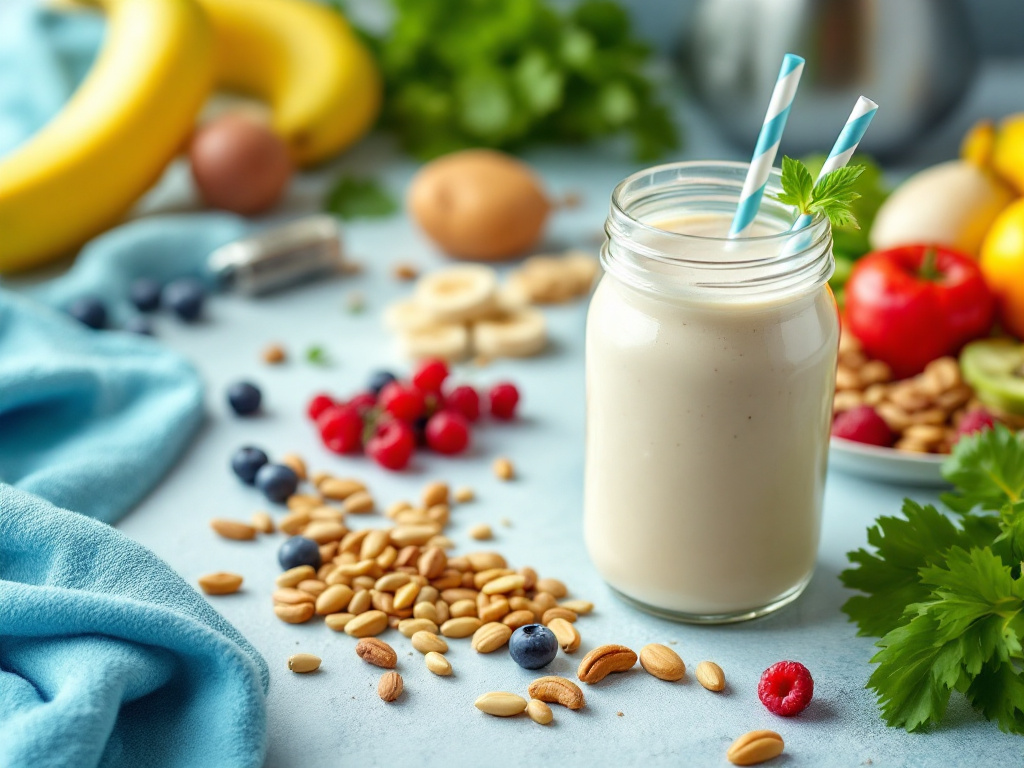
- A whey protein shake made with milk plus a banana
- Greek yogurt with berries and a drizzle of honey
- Grilled chicken, white rice, and a piece of fruit
- Turkey sandwich on whole grain bread with a sports drink
- Scrambled eggs with toast and orange juice
- Cottage cheese with pineapple and a handful of pretzels
For a shorter recovery window, you might lean toward liquids or softer foods like shakes, yogurt, or applesauce that digest more quickly. For longer windows or later in the day, full meals with lean protein, mixed carbs, and some healthy fat give you steady energy and help manage hunger.
Fat can slow digestion slightly, but studies show that whole foods that include fat, like whole eggs or whole milk, still support muscle growth and protein synthesis. So you do not need to avoid fat entirely in your post-workout meals, especially if you are eating a full meal rather than only a shake (Healthline).
Reducing soreness and supporting long term recovery
Post-workout nutrition is not just about today’s performance. It also affects how you feel tomorrow and the day after.
Delayed onset muscle soreness, or DOMS, happens because of small tears in your muscle fibers and the inflammation that comes with repair. This often shows up 24 to 48 hours after a hard session. Getting enough protein and carbohydrates within a couple of hours after training helps supply the raw materials for repair and can ease the intensity of that soreness (Memorial Hermann).
Anti inflammatory foods that are rich in antioxidants and omega 3 fats can also help your body handle the oxidative stress from intense exercise. Think fruits, vegetables, fatty fish like salmon, nuts, and seeds. At the same time, it is smart to keep sugary snacks, fried foods, and heavy alcohol in check, since they can ramp up inflammation and work against your recovery goals (Memorial Hermann).
Over time, consistently under eating protein after hard workouts can lead to muscle weakness, slower recovery, and even loss of muscle mass. Making post-workout fueling a habit is one of the simplest ways to protect your strength, performance, and overall health as you get older (Verywell Fit).
If you remember only one thing: pair carbohydrates, protein, and fluids within a couple of hours after training, then keep eating balanced meals through the rest of the day.
Putting it all together
To make post-workout nutrition work for you, start simple rather than trying to overhaul everything at once. Pick one or two changes you can stick with on most training days.
For example, you might decide that you will always bring a shake and a banana to the gym, and you will drink at least 16 to 24 ounces of fluid in the first hour after training. Once that feels automatic, you can fine tune portions, shift food choices, or add more anti inflammatory options to support recovery.
If you have other health conditions or very specific performance goals, check in with a registered dietitian or your doctor for personalized guidance, especially before adding supplements. Tailored advice helps you match your nutrition to your training plan and your overall health needs (Memorial Hermann).
With a bit of planning, your time in the kitchen can work as hard as your time in the weight room. Focus on smart post-workout nutrition, and you will feel the difference in your energy, soreness, and progress in the weeks ahead.
About the Author