A paleo diet vs keto comparison can feel confusing when you are just trying to lose weight and feel better. Both approaches cut out ultra processed foods and added sugar, which already puts you ahead of a typical Western diet. The key difference is how strict you want to be with carbs and how you prefer to eat day to day.
Below, you will see how paleo and keto actually work, how each approach affects weight loss and health, and how to decide which one fits your lifestyle.
Understand the basics of paleo
The paleo diet is built around the idea of eating like your distant ancestors. In practice, that means whole, minimally processed foods and skipping modern packaged products.
You focus on meat, fish, eggs, vegetables, fruits, nuts, and seeds. You avoid grains, legumes, most dairy, refined sugar, and industrial seed oils. The goal is to reduce inflammation, stabilize blood sugar, and give your body the type of food it is better adapted to handle (Healthline).
You do not have to count macros on paleo. Instead, you pay attention to food quality. Many people choose grass fed or wild caught animal products and organic produce when possible (MorningStar Family Health Center).
Because you still eat whole food carbs such as fruit and starchy vegetables, paleo is naturally lower in refined carbohydrates but it is not automatically very low carb. That flexibility is a big part of why many people find it easier to stick with long term (Healthline).
Understand the basics of keto
The ketogenic, or keto, diet is all about shifting what your body uses for fuel. Instead of burning glucose from carbs, you drastically reduce carbohydrates so your body starts producing ketones from fat. This state is called ketosis (Healthline).
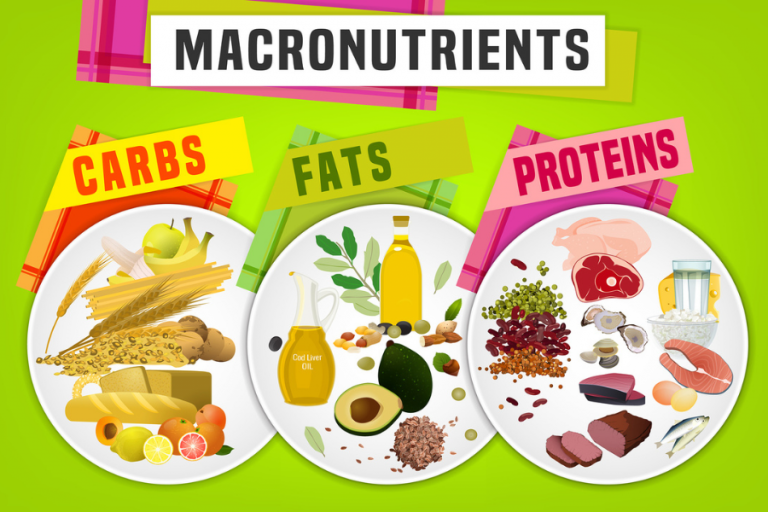
To get there, you usually follow a macro ratio close to:
- About 60 percent of calories from fat
- Around 30 percent from protein
- Around 10 percent from carbohydrates
This often means fewer than 50 grams of carbs per day (WebMD)). You limit most fruits, starchy vegetables, grains, and any sugars so you can stay in ketosis.
Keto was originally developed as a medical diet for epilepsy and later became popular for rapid weight loss and blood sugar control (WebMD)). On keto, you spend more time tracking your macros, reading labels, and planning meals to keep carbs extremely low.
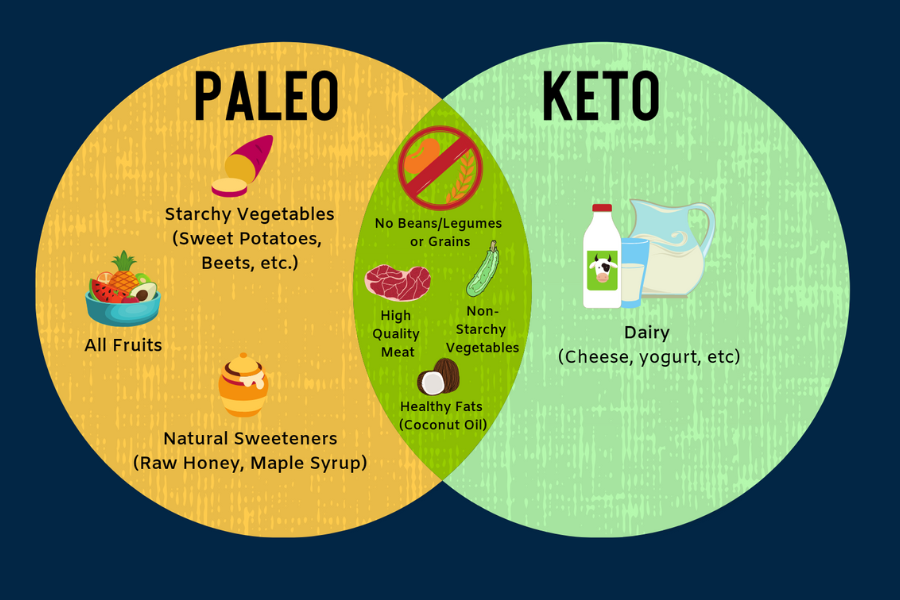
What paleo and keto have in common
Despite their differences, paleo and keto share some important foundations.
Both diets:
- Emphasize whole, minimally processed foods
- Cut out refined sugar and most processed snacks
- Exclude grains and legumes
- Encourage healthy fats such as avocado, nuts, seeds, and olive oil (Healthline)
By cutting out processed foods and added sugars, both plans can help you naturally reduce calorie intake and improve diet quality. They also tend to stabilize blood sugar, which can reduce cravings and energy crashes (Scripps Health).
Both approaches can support weight loss and improvements in metabolic health when they are followed consistently. The real difference is how you get there and how strict you need to be.
You can think of paleo as “what you eat” and keto as “how much of each macro you eat.”
Key differences in what you eat
When you look closer at paleo diet vs keto rules, the food lists start to diverge.
On paleo, you can eat:
- Fruits of all kinds
- Non starchy and starchy vegetables, including sweet potatoes
- Natural sweeteners like honey or coconut sugar in small amounts
- Meat, fish, eggs, nuts, seeds
- Healthy fats such as olive oil and coconut oil
On keto, you usually:
- Strictly limit or avoid most fruits
- Avoid starchy vegetables like potatoes and sweet potatoes
- Skip any caloric sweeteners so you do not add carbs
- Rely on non calorie sweeteners such as stevia or monk fruit
- Include higher fat dairy like cheese and cream, which paleo avoids (MorningStar Family Health Center)
Paleo cares a lot about food quality and less about exact macro percentages. Keto does the opposite. You can eat highly processed low carb foods on keto and still be “on plan,” while paleo would steer you away from them.
Paleo also gives you more room to adjust carbs based on your activity level. If you run or lift weights, it is easy to add an extra sweet potato or piece of fruit without “breaking” the diet.
How each diet impacts weight loss
Both paleo and keto can help you lose weight, but they do it in slightly different ways.
On paleo, weight loss often comes from:
- Removing ultra processed foods that are easy to overeat
- Increasing protein, which keeps you fuller for longer
- Adding more fiber from vegetables and fruit
- Stabilizing blood sugar so you are not constantly hungry
Studies suggest that paleo can lead to significant weight loss, along with decreases in body mass index, waist size, blood pressure, and cholesterol (WebMD)). All of these changes support better metabolic and cardiovascular health overall.
On keto, weight loss is driven by:
- Very low carbohydrate intake, which quickly reduces water weight
- Increased fat burning due to ketosis
- Reduced appetite for many people, because ketones can blunt hunger (Scripps Health)
You might see a faster drop on the scale in the first few weeks on keto. However, experts point out that for long term weight management, keto has not been shown to be more effective than less restrictive diets that you can sustain more easily (American Heart Association News).
In other words, your success depends much more on what you can keep doing month after month than on how fast the first few pounds come off.
Long term health benefits and risks
When you choose a diet for weight loss, it is smart to think beyond the next few months. Paleo and keto both have potential benefits and also some health concerns to weigh.
For paleo, potential benefits include:
- Weight loss and reduced waist size
- Lower blood pressure and cholesterol
- Better blood sugar regulation, which may help if you are at risk for type 2 diabetes (WebMD))
- Reduced intake of inflammatory processed foods (MorningStar Family Health Center)
At the same time, paleo can be high in meat, especially red meat, which may increase cardiovascular and diabetes risk if you are not mindful about choosing leaner, higher quality options and balancing your plate with plenty of vegetables (WebMD)).
For keto, potential benefits include:
- Rapid early weight and body fat loss
- Better blood sugar control and insulin sensitivity for some people
- Therapeutic use in epilepsy and other neurological conditions (MorningStar Family Health Center)
However, keto can also:
- Increase your risk of nutrient deficiencies, especially selenium, magnesium, phosphorus, and vitamins B and C, because you restrict grains and most fruits (WebMD))
- Put extra stress on the liver and kidneys, particularly if you already have underlying issues
- Cause short term side effects such as thirst, frequent urination, metallic taste, nausea, decreased appetite, and sleep problems, often called the “keto flu” (Scripps Health)
- Lead to confusion or irritability in some people due to very low carb intake (WebMD))
The American Heart Association reviewed popular diets and found that both paleo and keto scored in the lowest tier for heart healthy eating, in part because they tend to be high in fat and do not clearly limit saturated fat. They also restrict fruits, whole grains, and legumes, which are key sources of fiber and nutrients in more heart focused patterns such as DASH and Mediterranean eating (American Heart Association News).
Keto is not recommended for certain groups, including pregnant or nursing women, people with advanced kidney problems, or those with a history of eating disorders (Scripps Health)). If you fall into any of these categories, you should not start keto without talking to your healthcare provider.
Sustainability: which diet can you live with?
You will lose more weight with the plan you can actually follow. That sounds simple, but it is where many people struggle.
Paleo is usually easier to adapt to social events and family meals. You can often eat at restaurants by focusing on grilled proteins, vegetables, salads, and fruit. You do not have to explain why you are not eating any carbs at all. Because you are not tracking every gram of carbohydrate, paleo also tends to feel less mentally draining.
Keto requires more planning. A small portion of rice or a couple of bites of dessert can be enough to push you out of ketosis. That means parties, travel, and restaurant meals often need extra thought. Keto snacks and special products can also get expensive if you rely on them heavily.
Both diets are considered restrictive compared with typical eating patterns and can be hard to maintain long term, which is one reason the American Heart Association rated them low for heart health and overall sustainability (American Heart Association News).
If you know you prefer flexibility, paleo or a modified “paleo leaning” pattern will likely feel more realistic over the long run.
Choosing between paleo, keto, and hybrids
You do not have to fit yourself perfectly into one label forever. You can use what works from each approach and adjust based on your goals.
Here is one way to think about your options:
| Your main goal | Better fit | Why it may help |
|---|---|---|
| Sustainable weight loss and healthier habits | Paleo or Paleo leaning | Flexible carbs, focus on whole foods, less macro tracking (MorningStar Family Health Center) |
| Rapid short term weight loss, breaking sugar cravings | Keto or Paleo Keto hybrid | Stricter carb limits and ketosis can blunt appetite and cravings (Scripps Health) |
| Better blood sugar control | Keto or low carb Paleo | Very low carbs or simply fewer refined carbs improve glucose control |
| Busy lifestyle and minimal tracking | Paleo | No macros to count, simple “yes” and “no” food lists |
There is also the Pegan diet, which blends paleo concepts with a mostly plant based approach, around 75 percent fruits and vegetables with limited beans, starches, sugar, dairy, and grains. It may support both weight loss and cardiovascular health, especially if you prefer more plants on your plate (Scripps Health).
You can even start with a stricter approach, such as keto or Paleo Keto, for a short period to reset cravings and then transition to a more flexible paleo style pattern for maintenance. The key is being honest about what you can maintain without feeling miserable.
Practical next steps before you start
If you are trying to decide between paleo and keto for weight loss, a few simple steps can make your choice clearer and safer.
-
Check in with your healthcare provider
If you have any existing health conditions, especially kidney, liver, or heart issues, or a history of eating disorders, talk with a professional before making big changes. This is particularly important if you are considering keto, since it is not recommended for some groups (Scripps Health). -
Start by cleaning up obvious processed foods
Regardless of which diet you pick, you will benefit from cutting sugary drinks, candy, pastries, chips, and ultra processed meals. This aligns with both paleo and keto principles and gives you an easier starting point. -
Try a “paleo week” first
Focus on whole foods that fit paleo guidelines without tracking carbs. Notice how your energy, digestion, and cravings respond. This can show you whether a whole food lower carb pattern helps you feel better. -
Decide how low carb you really want to go
If you feel good on paleo but still want to experiment with lower carbs, you can gradually reduce fruits and starchy vegetables and see how you respond before jumping into full keto. -
Prioritize variety and nutrients
On any diet, aim for a wide mix of vegetables, some fruit if your plan allows it, and a range of protein sources. This helps reduce the risk of nutrient gaps, especially if you are cutting out entire food groups.
In the end, paleo diet vs keto is less about which one is “best” in theory and more about which one fits your life, your health, and your preferences. Choose the approach you can see yourself following a year from now, not just the one that promises the fastest results over the next few weeks.
About the Author