A paleo diet meal plan can look more complicated than it really is. At its core, it is simply a way of eating that focuses on whole, unprocessed foods and cuts out modern processed products. When you use a paleo diet meal plan for weight loss, you structure those whole foods so you feel full, stabilize your blood sugar, and naturally eat fewer empty calories.
Below, you will see how paleo works, what you can eat, what to skip, and how to turn the basics into a realistic plan that supports weight loss and better health.
Understand what a paleo diet really is
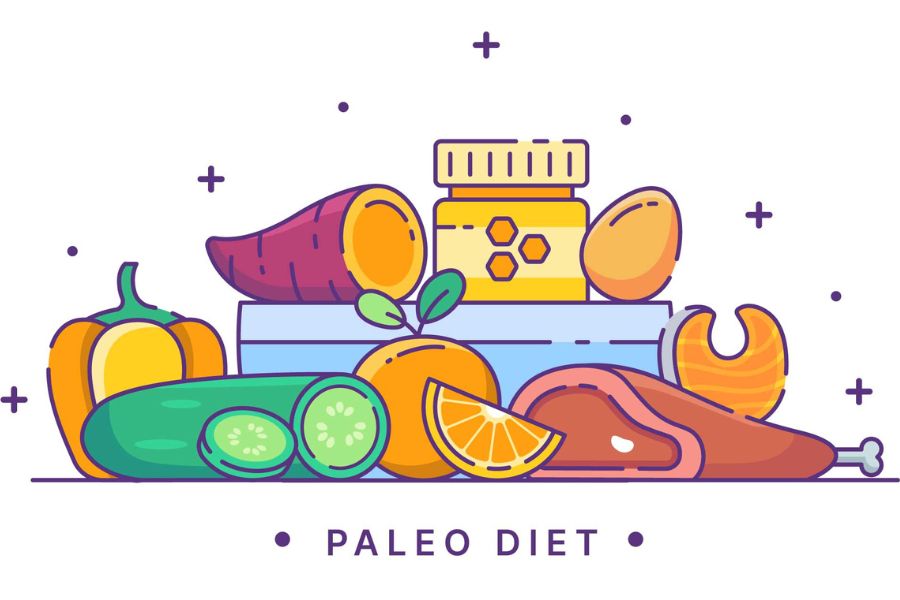
The paleo diet is based on foods your hunter gatherer ancestors might have eaten millions of years ago. That usually means meat, seafood, eggs, vegetables, fruits, nuts, seeds, potatoes, healthy fats, herbs, and spices, with a focus on simple preparations and minimal processing (Healthline). You are encouraged, but not required, to choose high quality meat and produce, like grass fed beef or organic vegetables.
You avoid foods that became common after farming and modern food processing. That list includes grains, legumes, dairy, refined sugar, most packaged snacks, and anything that clearly looks like it came from a factory line (Mayo Clinic).
The idea is that your body may be better suited to the foods humans ate before agriculture and industrial food production. Some researchers suggest that modern diets that are heavy in grains, sugar, and processed oils contribute to obesity, diabetes, and heart disease, although long term evidence for paleo specifically is still limited (Mayo Clinic).
How a paleo diet meal plan supports weight loss
A paleo diet meal plan can help you lose weight, but not because there is anything magic about eating like a caveman. It works through some very practical mechanisms that line up well with what you need for fat loss.
When you follow a structured paleo plan, you usually:
- Cut out refined sugars and ultra processed foods that are very easy to overeat
- Eat more protein, which keeps you full and helps preserve muscle
- Increase your intake of fiber rich vegetables, which add volume without many calories
- Focus on whole, nutrient dense foods, so your body gets more of what it needs with fewer calories (Healthline)
Short term studies suggest that paleo style diets can improve weight and cardiovascular risk markers when they emphasize fruits, vegetables, and lean meats and avoid highly processed foods (Mayo Clinic). In other words, a thoughtful paleo diet can create a calorie deficit without strict counting, simply by changing the quality of the foods you eat.
Calories still matter, but a paleo framework makes it less of a struggle to stay within a reasonable range.
What you can eat on a paleo plan
A clear food list makes it easier to build a paleo diet meal plan that fits your routine. You can think in broad categories instead of memorizing every possible ingredient.
Protein sources
Choose a protein at most meals. It helps reduce hunger and supports your metabolism during weight loss.
You can enjoy:
- Meat such as beef, pork, lamb, and game
- Poultry like chicken and turkey
- Fish and seafood, ideally including some fatty fish like salmon
- Eggs
Many people prefer grass fed meat and wild seafood for their higher omega 3 content and slightly different fat profile (EatingWell), but any minimally processed option still fits the basic paleo template.
Vegetables and fruits
Vegetables are the backbone of a paleo diet meal plan, especially for weight loss.
You can include almost all non starchy vegetables:
- Leafy greens like spinach, kale, and romaine
- Cruciferous vegetables such as broccoli, cauliflower, and Brussels sprouts
- Colorful options like bell peppers, carrots, beets, and squash
Starchy vegetables, such as potatoes and sweet potatoes, are usually allowed, but you may want to manage portions if you are watching your calorie or carbohydrate intake (EatingWell).
Fruits are encouraged too. Berries, apples, pears, citrus, and seasonal fruits give you fiber and micronutrients. Higher sugar fruits like bananas and grapes are still considered paleo, although some people prefer them in moderation to avoid large blood sugar swings (EatingWell).
Fats, nuts, and seeds
Healthy fats add flavor and help keep you full.
Paleo friendly choices include:
- Avocados and avocado oil
- Olive oil
- Nuts and seeds, such as almonds, walnuts, pumpkin seeds, and chia
- Nut and seed butters without added sugar
The paleo approach often favors fats from grass fed meat and wild fish, which tend to provide more omega 3 fats that support heart health and lower inflammation (EatingWell).
Beverages and extras
Water is your primary drink on a paleo diet meal plan. You can also enjoy tea and coffee, ideally without sugar, and some people include small amounts of red wine and dark chocolate as flexible extras (Healthline).
Herbs, spices, garlic, onion, and lemon juice are all encouraged, since they let you create interesting flavors without relying on heavy sauces.
What you avoid and why it matters for weight loss
The foods you skip on paleo are just as important as what you add. Many of them are easy to over consume and provide a lot of calories with very little nutrition.
The main groups you avoid include:
- Grains, such as wheat, oats, barley, rice, and corn
- Legumes, such as beans, lentils, peas, and peanuts (Ideal Nutrition Now)
- Dairy products like milk, cheese, and yogurt
- Refined sugar and sweets
- Most processed foods made with refined vegetable oils, artificial sweeteners, and additives (Healthline)
These foods are typically products of modern agriculture and processing and are common in diets that are high in calories and low in fiber and micronutrients. By eliminating them, you naturally reduce your intake of pastries, chips, sweetened drinks, and fast food, which can significantly cut your total calorie load.
However, there are trade offs. Whole grains, legumes, and low fat dairy can be valuable sources of fiber, protein, and calcium. Cutting them out completely may lead to nutrient gaps if you are not intentional with your vegetable, nut, seed, and fish choices (Mayo Clinic).
Build a balanced paleo plate for fat loss
To turn the theory into daily practice, it helps to follow a simple plate formula at most meals.
A balanced paleo weight loss plate typically looks like this:
- Half non starchy vegetables for volume, fiber, and micronutrients
- A quarter lean protein, such as chicken breast, fish, or eggs
- A quarter starchy vegetables or fruit, like sweet potato or berries
- A small portion of healthy fat from avocado, olive oil, nuts, or seeds
This structure gives you a clear visual guide so you do not need to count every calorie. It is also flexible enough to work with different cuisines and preferences.
For example, your plate might be grilled salmon, roasted Brussels sprouts, a small serving of roasted sweet potato, and a drizzle of olive oil. Or a large salad topped with chicken, mixed vegetables, a handful of berries, and a sprinkle of nuts.
Sample one day paleo diet meal plan
Seeing a full day laid out can make it easier to imagine how a paleo diet meal plan will fit your routine. You can adjust portion sizes depending on your hunger and weight loss goals.
Use this as a template, not a strict rulebook. Swap ingredients based on your tastes and what is available.
Breakfast
Scrambled eggs cooked in olive oil with spinach and tomatoes, plus a side of berries.
Snack
A small handful of almonds and an apple.
Lunch
Chicken and veggie bowl with cauliflower rice, using grilled chicken, mixed sautéed vegetables, and avocado slices on top. This type of bowl shows up often in practical paleo menus because it combines protein, fiber, and healthy fat in one dish (Whole Foods Market).
Snack
Carrot sticks and a hard boiled egg, or a small portion of dried mango without added sugar (Healthline).
Dinner
Baked halibut or other white fish with citrus salsa and a side of asparagus and roasted potatoes, similar to some recipes used in 7 day paleo friendly plans (Whole Foods Market).
Dessert (optional)
A square of dark chocolate with at least 70 percent cocoa, or a simple fruit based dessert like baked apple with cinnamon.
Stay realistic about drawbacks and adjust
While a paleo diet meal plan can support weight loss and better health markers, it is not perfect and it is not the only option. It comes with potential downsides that you should know before committing.
Because it excludes whole grains, beans, and dairy, you might find it harder to get fiber, calcium, and certain vitamins without careful planning or supplementation (Kevin’s Natural Foods). A meat heavy version can also lead to higher intake of saturated fat over time, which may affect gut and heart health if you do not balance it with plenty of vegetables, fish, and unsaturated fats (Kevin’s Natural Foods).
You might also notice digestive changes. If you suddenly increase your fiber from vegetables and nuts while cutting processed foods, you could experience bloating or discomfort at first. Increasing fiber gradually and drinking enough water typically helps (Healthline).
Finally, researchers note that long term data on strict paleo diets is still limited, while patterns like the Mediterranean diet have stronger evidence and allow more food variety (Mayo Clinic).
If you like the paleo framework but want more flexibility, you can use a modified version. Some people include occasional gluten free grains like rice or add in high quality yogurt while keeping most meals built around whole, unprocessed foods (Healthline).
Turn paleo principles into a long term habit
The real power of a paleo diet meal plan for weight loss comes from consistency. It is less about following a perfect historical menu and more about applying a few key habits every day:
- Centering meals on whole foods instead of packaged products
- Prioritizing protein and vegetables to stay full on fewer calories
- Choosing fats from fish, nuts, seeds, and quality oils
- Limiting sugar, refined grains, and industrial snacks that are easy to overeat
If you treat paleo as a flexible template rather than an all or nothing rule set, you will find it easier to stick with and to adapt to social events, travel, and busy weeks.
Start with one simple change, such as building a paleo friendly breakfast that keeps you satisfied until lunch, or planning a single day of paleo meals this week. Once that feels comfortable, layer in another small shift. Over time, those choices add up to a pattern that can support steady weight loss and better health without constant restriction.
About the Author