A paleo diet and autoimmune disease may not seem related at first, but what you put on your plate can strongly influence how your immune system behaves. While food is not a cure, many people find that eating in a more ancestral, paleo-inspired way helps lower inflammation, calm flares, and improve everyday energy.
Below, you will learn how the paleo diet works, how it connects to autoimmune disease, and what an autoimmune-focused version called the Autoimmune Paleo (AIP) diet might look like for you.
Understand paleo and autoimmune disease
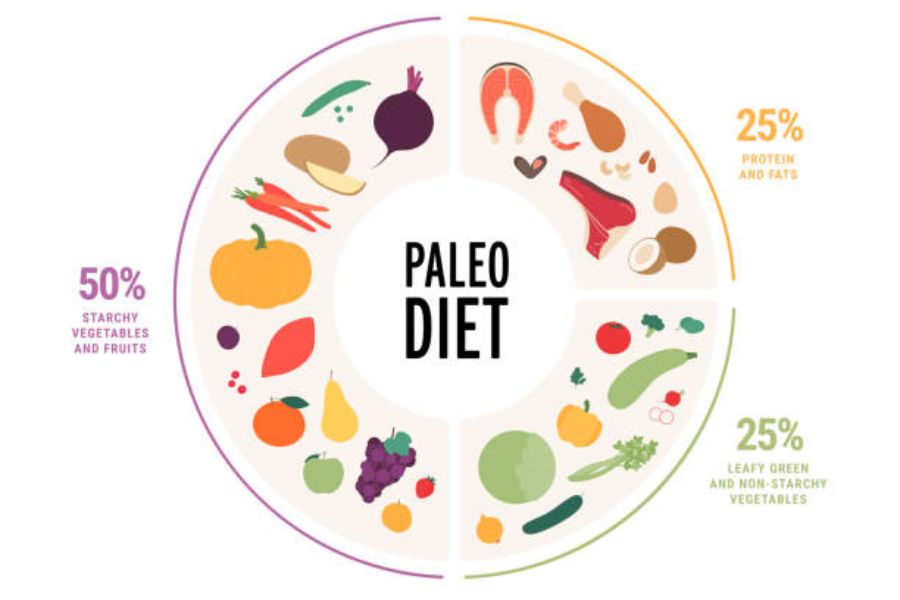
The classic paleo diet focuses on whole, minimally processed foods that your hunter‑gatherer ancestors might have eaten. In practical terms, this usually means:
- Vegetables and fruits
- Meat, poultry, and fish
- Eggs
- Nuts and seeds
- Healthy fats like olive oil, avocado oil, and coconut products
At the same time, it typically excludes:
- Grains
- Legumes (beans, lentils, peanuts)
- Dairy
- Refined sugar and most highly processed foods
Autoimmune diseases, such as Hashimoto thyroiditis, rheumatoid arthritis, celiac disease, inflammatory bowel disease, lupus, and multiple sclerosis, involve an overactive immune system that mistakenly attacks your own tissues. Chronic inflammation, gut issues, and nutrient imbalances are common themes.
Researchers have started to look at how ancestral and paleo-type diets affect autoimmune thyroid disease in particular. A 2023 systematic review found that paleo or ancestral dietary interventions were associated with improvements in thyroid antibodies and hormone levels in adults with autoimmune thyroid disease, including Hashimoto’s and Graves’ disease, and in some cases even resolution of the condition, especially when combined with supplements, exercise, and mindfulness practices (PubMed).
This does not mean a paleo diet will cure your autoimmune condition, but it does highlight that what and how you eat can influence your immune response.
How a paleo diet may help your symptoms
The link between a paleo diet and autoimmune disease comes down to inflammation, gut health, and nutrient density. Here is how this style of eating may help you feel better.
Reduced inflammatory load
Many modern foods can promote inflammation in susceptible people. Refined sugars, highly processed snacks, and industrial seed oils are all frequent culprits. By centering your meals on whole foods, you automatically cut out many of these triggers.
Both standard paleo and the stricter autoimmune paleo diet encourage nutrient‑dense, anti‑inflammatory meals that support gut health and immune regulation (Dr. Emily Parke). For you, that can translate into less joint pain, fewer gut symptoms, or steadier energy.
Better gut health and barrier function
Your gut is a major hub for your immune system. When the gut lining is irritated or inflamed, your body may be more prone to immune overreactions. The AIP diet, which builds on paleo, is specifically designed to reduce gut inflammation, help heal the gastrointestinal tract, and lower overall systemic inflammation in autoimmune diseases (Mindd).
Even if you follow a regular paleo template rather than full AIP, you will likely:
- Eat more vegetables and fruit, which provide fiber and antioxidants
- Avoid many additives, gums, and processed ingredients that may bother a sensitive gut
- Stabilize blood sugar with protein and healthy fats, which can support more consistent energy
Over time, a calmer, better‑nourished gut may mean fewer flares and a more balanced immune response.
Higher intake of essential nutrients
Autoimmune conditions often increase your nutrient needs. Some people are low in key vitamins and minerals like vitamin D, B vitamins, and certain antioxidants.
A paleo approach puts nutrient‑dense foods at the center of your plate. Vegetables, high-quality proteins, seafood, and organ meats, if you choose to include them, can provide natural sources of nutrients that support thyroid function and immune health. The 2023 review on autoimmune thyroid disease found that ancestral foods, combined with lifestyle measures and targeted supplements, had a meaningful impact on reducing thyroid antibodies and improving hormone profiles (PubMed).
If weight loss is one of your goals, this nutrient density also helps you feel satisfied with fewer empty calories, so you can lose weight while still giving your body what it needs to function.
What is the Autoimmune Paleo (AIP) diet?
If you want to take things a step further, you may come across the Autoimmune Protocol (AIP), sometimes called the autoimmune paleo diet. AIP is essentially a therapeutic, more restrictive version of paleo designed specifically for autoimmune disease.
The elimination and reintroduction phases
The AIP diet usually has two main stages:
-
Elimination phase:
For 30 to 90 days, you remove foods that are more likely to irritate the gut or trigger the immune system. According to several sources, this typically includes grains, legumes, nightshades (such as tomatoes, peppers, eggplant), dairy, nuts, seeds, eggs, coffee, alcohol, and processed foods (Green Chef, Mindd, NCBI – Metabolism Open). Some protocols even pause bananas and egg whites for a time, due to specific proteins that may cross the gut barrier or trigger allergic reactions in susceptible people (The Paleo Diet). -
Reintroduction phase:
After the elimination window, you reintroduce foods one at a time while you track symptoms. This helps you figure out which foods are well tolerated and which may be associated with flares or discomfort (Green Chef, Mindd).
The goal is not to eat in permanent restriction, but to use AIP as a temporary framework to identify your personal triggers and build a more sustainable long-term way of eating.
What you eat on AIP
Even with the eliminations, there is still a wide variety of foods you can enjoy. The autoimmune paleo diet emphasizes:
- Vegetables, except for nightshades, in many colors and forms
- Fruits, in moderate amounts
- Lean meats and fish
- Fermented foods like sauerkraut if tolerated
- Gut‑supportive foods such as bone broth
This focus on whole, unprocessed foods can reduce inflammation and help rebalance your gut microbiota, which is considered a key factor in autoimmune activity (Mindd).
Clinical trials in conditions like Hashimoto thyroiditis, inflammatory bowel disease, and rheumatoid arthritis suggest that AIP can improve quality of life and disease‑related symptoms, although the evidence is still preliminary and results are not always consistent for lab markers like inflammatory proteins or thyroid hormones (NCBI – Metabolism Open).
Potential benefits you may notice
If you follow a paleo or autoimmune paleo pattern under the guidance of your healthcare team, you might experience several positive changes.
Less pain and fatigue
The Autoimmune Protocol diet was designed to reduce inflammation and pain linked to autoimmune disease. Many people report decreased joint or gut pain and improvements in fatigue when they focus on these nutrient-dense, gut‑friendly foods (Green Chef, The Paleo Diet).
Because systemic inflammation can affect energy levels, brain fog, and sleep, even small reductions can make day‑to‑day life feel easier.
Calmer digestion and better bowel habits
If your autoimmune condition involves the digestive tract, you may see gut‑specific improvements. In people with inflammatory bowel disease, following an AIP‑style protocol with whole, minimally processed foods has been associated with better bowel movement frequency, lower stress, and improved quality of life in as little as a few weeks (Nourish).
Even if you do not have IBD, avoiding common irritants and focusing on gentle, simple meals can be helpful if you struggle with bloating, cramping, or alternating constipation and diarrhea.
Support for thyroid and metabolic health
For thyroid-related autoimmune disease, ancestral or paleo-type diets may provide supportive nutrients that help normalize antibodies and hormone levels (PubMed). A balanced paleo pattern can also improve insulin sensitivity and weight management, which indirectly supports thyroid and overall metabolic health.
When you combine this with movement, stress management, and appropriate medication when needed, you create a multi‑layered strategy for feeling better, not just a single quick fix.
Think of a paleo or AIP approach as one tool in your autoimmune toolbox, not the only solution. The goal is to reduce your symptom burden so that your other treatments can work more effectively and you can feel more in control of your health.
Important cautions and when to get help
Paleo and AIP are not perfect for everyone. Before you jump in, it is worth understanding the possible downsides and how to protect yourself.
Risk of nutrient gaps
Because the AIP diet removes several food groups, there is a real possibility of missing important nutrients. Studies have noted potential deficiencies in folate, vitamin B12, riboflavin, vitamin D, and calcium in people following strict AIP plans, especially in women with Hashimoto thyroiditis (NCBI – Metabolism Open).
To stay safe, you will want to plan carefully, possibly use targeted supplements, and check in with a knowledgeable professional who can monitor your labs and symptoms.
Social and emotional impact
Highly restrictive eating can make social situations difficult and may feel isolating, particularly over holidays, family events, or when eating out. The same 2024 review of AIP research noted concerns about social isolation, the lack of long‑term safety data, and the need for expert supervision (NCBI – Metabolism Open).
If you have a history of disordered eating or find that strict food rules trigger anxiety, it is especially important to discuss any major diet changes with your care team in advance.
The need for professional guidance
Because autoimmune diseases are complex, you will get the best results by working with a healthcare provider or registered dietitian who understands both autoimmune conditions and elimination diets. They can help you:
- Decide whether a standard paleo template or full AIP is appropriate
- Set up an elimination phase that fits your health status
- Reintroduce foods in a structured way so you actually learn from the process
- Avoid nutrient gaps and unnecessary restrictions
Nourish, for example, emphasizes the value of partnering with a dietitian who specializes in autoimmune health to implement the AIP diet safely and ensure you are still getting the nutrients you need (Nourish).
How to get started gently
If you are curious about the paleo diet and autoimmune disease but not ready for a full protocol, you can still take small steps that support your health.
You might:
- Swap processed snacks for whole‑food options like fruit, cut vegetables, or nuts, if you tolerate them
- Build each meal around a source of protein and several different colored vegetables
- Gradually cut down on sugary drinks and desserts
- Experiment with one or two new paleo recipes each week
If you later decide to explore AIP, you will already have a solid foundation of whole‑food cooking and planning to build on, which makes the transition less overwhelming.
You do not have to overhaul your entire life overnight. Start with one supportive change, observe how your body responds, and then decide on the next step. Over time, those small shifts can add up to a significant positive impact on your autoimmune symptoms and your overall health.
About the Author