A paleo diet can feel like a big lifestyle shift, but it actually starts with a few simple changes to what you put on your plate. By focusing on whole, unprocessed foods and skipping modern ultra-processed staples, you can support weight loss, more stable energy, and better overall health without counting every calorie.
Below, you will find clear, practical steps to start your paleo diet today, along with what to expect and how to make it work in real life.
Understand what a paleo diet is
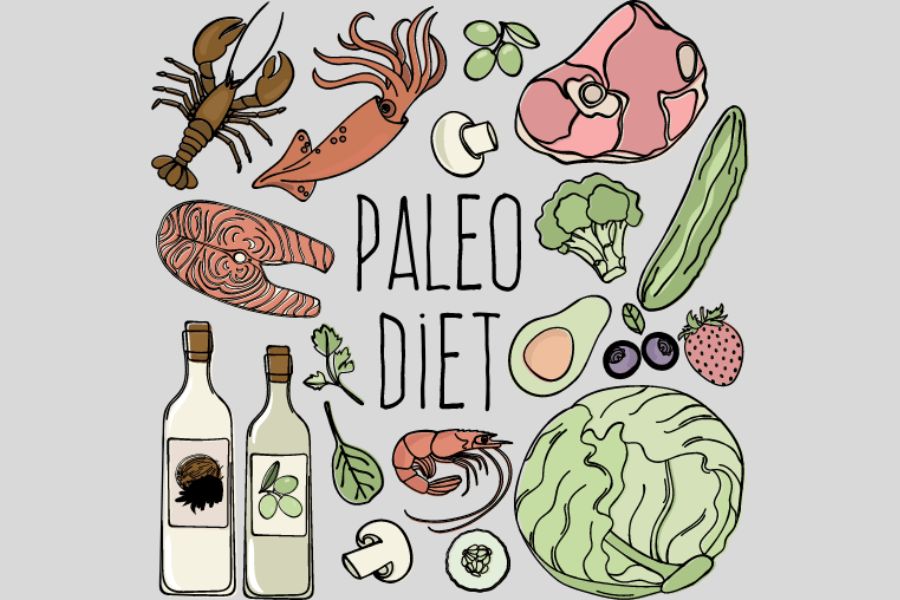
At its core, a paleo diet is based on foods your distant ancestors might have eaten long before supermarkets and food factories existed. You fill your plate with vegetables, fruits, lean meats, fish, eggs, nuts, and seeds, and you avoid grains, legumes, most dairy, and heavily processed foods that only appeared after farming began about 10,000 years ago (Mayo Clinic).
The idea is that your genes are still adapted to these older food patterns and that the modern diet, packed with refined grains, sugar, and highly processed oils, may contribute to obesity, diabetes, and heart disease (Mayo Clinic). By returning to simpler, minimally processed foods, you give your body a break from constant blood sugar spikes, additives, and excess calories.
Modern paleo is not a perfect copy of what hunter‑gatherers ate. Instead, it is a practical version that emphasizes whole foods you can realistically find today, like vegetables, fruits, natural meats, seafood, eggs, nuts, and small amounts of natural sweeteners such as honey (NCBI Bookshelf).
Learn the main health benefits
You might be most interested in weight loss, but the paleo diet has been studied for a range of health markers.
Short term, several small studies suggest paleo can help you:
- Lose body fat
- Lower blood pressure
- Improve blood sugar control
- Improve cholesterol and triglyceride levels
For example, a meta‑analysis of 21 randomized controlled trials found that people following a Paleolithic diet lost about 5.8 kg in short‑term studies, compared with 3.9 kg on control diets, and also saw improvements in blood pressure, cholesterol, and insulin sensitivity (PMC, MDPI). Another summary of clinical studies notes reductions in waist circumference, triglycerides, fasting glucose, and blood pressure, although the evidence is still less robust than for diets like Mediterranean or DASH (NCBI Bookshelf).
There is also some evidence that a paleo pattern can help lower cardiovascular risk factors by cutting highly processed foods and increasing fruits and vegetables (Mayo Clinic). Many people report more stable energy, fewer sugar cravings, and clearer skin when they move away from refined sugar and processed snacks (The Paleo Diet).
At the same time, large health organizations have not officially endorsed paleo, mostly because of concerns about long‑term nutritional balance and the lack of long‑term studies (NCBI Bookshelf). You can use this diet as a powerful tool, but it is important to approach it thoughtfully rather than as a quick fix.
Know what you can eat
Thinking in terms of “yes” foods makes paleo feel much more approachable. Instead of focusing on what you are cutting out, focus on building meals around whole, satisfying ingredients.
In a paleo diet, you can eat:
- Non‑starchy vegetables such as leafy greens, broccoli, cauliflower, peppers, zucchini, carrots, and tomatoes
- Fruits, especially lower‑sugar choices like berries, apples, and citrus, with higher‑sugar options like bananas in moderation if you are watching weight or blood sugar (EatingWell)
- Lean meats, poultry, and wild or pasture‑raised options when possible
- Fish and seafood, especially wild, sustainably caught varieties that provide more omega‑3 fats and support heart health (EatingWell)
- Eggs
- Nuts and seeds, ideally unsalted and not coated in sugar or oils
- Healthy fats such as olive oil, avocado oil, coconut oil, and the natural fats that come with whole foods
- Natural flavorings like herbs, spices, garlic, lemon, and small amounts of honey or maple syrup
Contrary to the stereotype, a well‑designed paleo diet is not a license to eat unlimited bacon. It is actually very plant centered, with a strong emphasis on non‑starchy vegetables in many colors and only moderate amounts of animal protein (NUNM).
Understand what to limit or avoid
For your paleo diet to work as intended, you need to skip foods that became common after the agricultural revolution and that are heavily processed or refined.
You typically avoid:
- All grains such as wheat, oats, rice, corn, barley, and products made from them, including bread, pasta, cereal, and crackers
- Legumes like beans, lentils, chickpeas, soy products, and peanuts
- Most dairy, especially milk, cheese, and yogurt from cows, although some modern paleo approaches allow limited grass‑fed, fermented dairy for people who tolerate it (EatingWell)
- Refined sugar and sugary foods such as candy, soda, pastries, and sweetened breakfast cereals
- Most processed foods and snacks including packaged chips, cookies, frozen dinners, and fast food
- Certain vegetable oils like corn, soybean, canola, and other highly processed seed oils (EatingWell)
In strict versions, even starchy vegetables like modern potatoes can be limited because of their higher glycemic index, although this varies from one paleo approach to another (NCBI Bookshelf).
Modern variations add some flexibility. Some people include a small amount of carefully chosen dairy or even some whole grains and legumes based on their personal needs and how they feel (EatingWell). You can start with a more traditional version, then later experiment once your basic habits are in place.
Start your paleo diet in 5 simple steps
You do not need to overhaul your entire kitchen overnight. A gradual transition is more sustainable and less overwhelming.
1. Clean up your pantry a little at a time
Pick one shelf or one drawer and scan for obvious non‑paleo foods like sugary cereals, packaged cookies, instant noodles, and heavily processed snacks. Decide what to use up, what to donate, and what to throw away.
As those items disappear, replace them with paleo‑friendly basics: canned tuna or salmon, nuts and seeds, olives, coconut milk, canned tomatoes, and jars of herbs and spices. Keeping better options within reach makes it easier to stay on track.
2. Build your plate around vegetables and protein
When you plan a meal, start with vegetables first. Fill at least half your plate with non‑starchy vegetables, then add a palm‑sized serving of protein like chicken, fish, eggs, or lean beef. Finish with a small portion of healthy fats such as avocado slices or olive oil on your salad.
This simple formula helps you feel full and nourished, and it naturally reduces room for less helpful foods. Over time, this structure becomes second nature whether you are cooking at home or eating out.
3. Plan easy go‑to meals
Having a few “default” paleo meals saves you when you are tired, busy, or tempted to order in. Aim for recipes that use minimal ingredients and come together quickly.
For example, you might rely on:
- A skillet meal with ground turkey, mixed vegetables, and tomato sauce
- Baked salmon with a tray of roasted broccoli, carrots, and onions
- An egg scramble with spinach, mushrooms, and leftover roasted potatoes if you include them
- Big salads topped with grilled chicken, olives, nuts, and a simple olive oil and lemon dressing
If you prep a batch of roasted vegetables and a protein or two on the weekend, you can mix and match them into lunches and dinners all week.
4. Make snacks work for you
Paleo snacks should support your goals, not feel like a loophole. Focus on single‑ingredient or very simple options like fresh fruit, a handful of nuts, carrot sticks with guacamole, or hard‑boiled eggs.
If you used to rely on crackers, granola bars, or candy between meals, these swaps will help stabilize your blood sugar and keep cravings in check. Over time, you may notice you snack less often because your meals are more satisfying.
5. Add lifestyle habits that support your diet
Many paleo guidelines highlight not just food, but also movement and stress management. Short, intense exercise, regular walking, and mindfulness practices such as yoga or meditation fit naturally with this approach to health (Healthline).
You do not need a perfect workout routine to benefit. Start with regular walks, a few bodyweight exercises at home, and a nightly wind‑down ritual that helps you sleep better. These simple habits strengthen the impact of your new way of eating.
Be aware of potential downsides
Like any structured eating pattern, a paleo diet has trade‑offs. Knowing the possible drawbacks up front helps you plan around them instead of being surprised.
Because paleo excludes whole grains, legumes, and most dairy, you might be at risk for lower intakes of fiber, calcium, vitamin D, and some other nutrients if you are not careful (Mayo Clinic). Some research also raises questions about higher levels of certain cardiovascular markers, possibly linked to lower intakes of prebiotic fiber from grains and legumes (NCBI Bookshelf).
Cost and convenience can be another challenge. Fresh produce and quality meats can be more expensive, and preparing meals from whole foods takes more time. For vegetarians and vegans, a strict paleo diet is especially difficult because it removes legumes, a major plant protein source (NUNM).
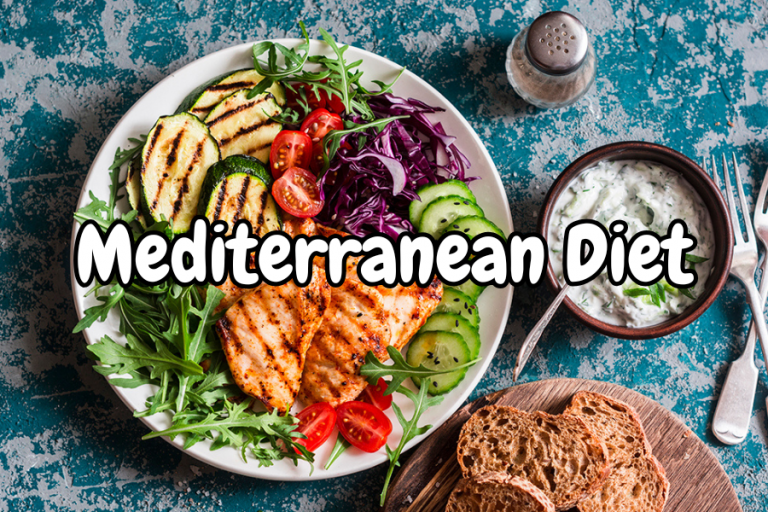
Major health organizations emphasize that, while paleo can improve some health markers, there is not yet enough long‑term evidence to say it is superior to other balanced, plant‑forward diets, such as the Mediterranean diet, that include whole grains, legumes, and low‑fat dairy (Mayo Clinic, NCBI Bookshelf). If you have existing health conditions, it is always wise to talk with your healthcare provider or a registered dietitian before making major changes.
If you notice low energy, digestive changes, or other symptoms after switching to paleo, consider adjusting your vegetable variety, fat sources, and overall calorie intake, or discuss the changes with a professional.
Tailor paleo to your life
One reason many people stick with a paleo diet is flexibility. You do not have to be perfect to see benefits. Some approaches encourage you to aim for 50 to 85 percent of your intake from paleo‑friendly foods and still expect improved blood lipids, blood sugar balance, lower inflammation, and weight loss (The Paleo Diet).
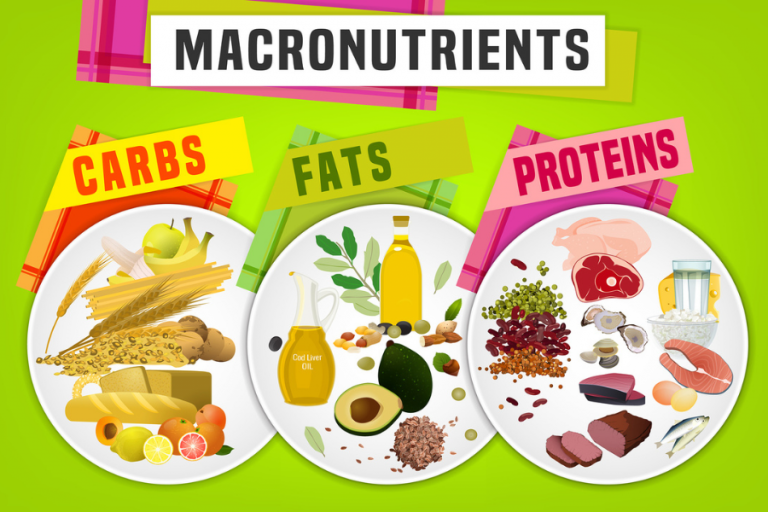
There is also no strict requirement to count calories or hit specific macros. Since the focus is on nutrient‑dense whole foods, many people naturally eat less without tracking every bite (The Paleo Diet). Coffee can fit in for most people, and if you drink alcohol you can keep it to modest amounts of options like red wine or clear spirits, while skipping beer that is made from grains (The Paleo Diet). Sweet treats can still appear occasionally, made with ingredients like almond flour and honey instead of refined sugar and wheat flour (The Paleo Diet).
Over time, you can experiment with how strict you want to be. You might follow a very traditional version during the week and allow a small amount of non‑paleo foods on weekends. Or you might adopt a mostly paleo pattern that includes some carefully chosen whole grains or fermented dairy if those make the diet more enjoyable and sustainable for you.
Your next step
To get started today, choose one small action that feels doable. You might:
- Plan a paleo‑friendly dinner with vegetables, protein, and healthy fats
- Replace a sugary snack with fruit and nuts
- Clean out one shelf in your pantry and restock it with paleo staples
From there, build one habit at a time. As you adjust, pay attention to how your body responds. If you feel better, sleep more deeply, or notice your clothes fitting differently, those small daily choices are working.
About the Author