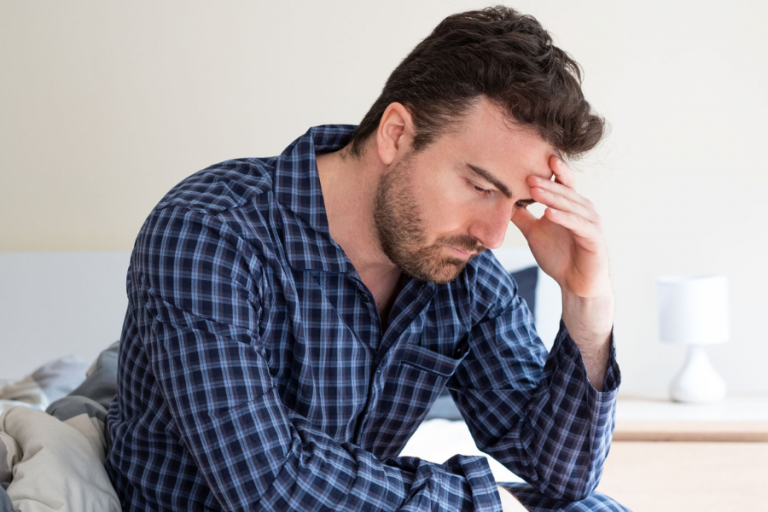
Mental health and sexual performance are more connected than most men realize. When you struggle with stress, anxiety, or low mood, your body and brain do not simply switch those feelings off in the bedroom. They often show up as low desire, trouble getting or keeping an erection, difficulty reaching orgasm, or feeling disconnected from your partner.
Understanding this link does not mean your sexual performance problems are “all in your head.” It means your mind and body work together, and you can work on both to improve how you feel and how you perform.
Why mental health matters for sexual performance
Your sexual response relies on hormones, blood flow, nerve signals, and your emotional state working in sync. When you are dealing with anxiety, depression, or ongoing stress, that balance can shift in ways that affect your sex life.
Research shows that sexual dysfunction is common in both men and women, and that psychological factors like anxiety, depression, and trauma often play a major role in problems with desire and performance (NCBI, Cleveland Clinic). Many men are surprised to learn how often these issues show up, but you are far from alone.
When you see your mental health as a key part of your sexual health, you give yourself more options. Instead of only focusing on pills or “lasting longer,” you can address the roots of the problem: how you feel, how you think, and how you relate to your body and your partner.
How stress and anxiety affect your body in bed
Stress and anxiety are some of the biggest mental health culprits when it comes to sexual performance. They do not just live in your thoughts, they trigger a physical response that works against arousal.
The fight or flight clash with arousal
When you feel stressed or anxious, your body releases stress hormones like epinephrine and norepinephrine. These chemicals are meant to prepare you to fight or run, not relax and get aroused. One side effect is that blood vessels narrow, which makes it harder to get or keep an erection (WebMD).
If you are worried about your performance in the moment, your brain focuses on fear and self-criticism instead of pleasure. This can show up as:
- Trouble getting or keeping an erection
- Feeling mentally “checked out” during sex
- Difficulty reaching orgasm, even when you are physically aroused
Over time, a single difficult experience can turn into a pattern. You might start anticipating failure, which makes you more anxious, which then makes sex even harder. This cycle of anxiety and sexual dysfunction is well documented in both men and women (MyAlly Health, WebMD).
Stress, sleep, and erections
Chronic stress does not just affect you in bed, it often disrupts your sleep, mood, and energy levels. Poor sleep lowers testosterone, affects dopamine receptors, and can hurt your heart and circulation, all of which matter for erections and libido. Men with sleep apnea are about twice as likely to have erectile dysfunction (Healthy Male).
In practical terms, if you are always exhausted, wired, or running on fumes, your sex drive and performance are likely to suffer.
Depression, mood, and changes in desire
Depression affects far more than your mood. Symptoms like fatigue, low self-worth, and loss of interest in once pleasurable activities often spill over into your sex life. Many men with depression notice:
- Little or no interest in sex
- Difficulty becoming aroused or staying engaged
- Feeling “numb” or disconnected during intimacy
Clinical studies show that depressive disorders can directly interfere with sexual desire and performance, partly because the same brain chemicals involved in mood, like dopamine and serotonin, are involved in sexual function too (NCBI, SMSNA).
There is another twist. Some antidepressant medications, especially certain SSRIs, can cause sexual side effects like low libido, difficulty becoming aroused, or trouble reaching orgasm (Cleveland Clinic). That does not mean you should stop your medication on your own. It does mean that if you notice these changes, talking to your prescriber is an important step. Adjusting the dose or switching medications often helps.
Trauma, self-esteem, and intimacy
Your history and how you feel about yourself also shape your sexual experiences. Trauma, especially childhood abuse or later-life traumatic events, can have long-lasting effects on sexual function and comfort with intimacy. Sexual difficulties are common in people with post-traumatic stress disorder, including combat veterans (NCBI).
Even without a clear trauma, issues like low self-esteem and negative body image can lead you to pull back from physical contact. You might avoid sex, keep the lights off, or stay quiet about what you want. This can increase emotional distance and reduce communication in your relationships over time (Prism Health).
Feeling ashamed of your body, your performance, or your desires tends to show up as tenseness and self-monitoring during sex, not enjoyment. That internal critic pulls your focus away from connection, which makes satisfying sex harder to achieve.
Performance anxiety and the “spectator” mindset
Performance anxiety is a specific kind of stress focused on how well you will “perform” in bed. Instead of being in the moment, you become a spectator of your own performance, constantly checking:
- Am I hard enough?
- Am I lasting long enough?
- Does my partner think I am doing this right?
This spectator mindset is one of the psychological patterns described in cognitive-behavioral-emotional models of sexual dysfunction (NCBI). It reinforces anxiety and creates a loop where you are always assessing instead of experiencing.
Performance anxiety can lead to erectile difficulties, early ejaculation, or inability to orgasm for both men and women (WebMD). Over time, you might start to avoid sex altogether to escape the stress.
The good news is that performance anxiety responds well to treatment. A medical evaluation can rule out physical causes, and psychological therapies, open communication with partners, and structured behavioral exercises can help you rebuild confidence and pleasure (WebMD).
When mental health conditions and medications play a role
Anxiety disorders, depressive disorders, obsessive-compulsive disorder, and other psychiatric conditions are all associated with higher rates of sexual dysfunction (SMSNA). This happens for several reasons:
- The symptoms themselves, such as intrusive thoughts, extreme worry, or low energy, can disrupt desire and arousal
- The same neurotransmitters that are out of balance in these conditions, including dopamine and serotonin, also affect sexual response
- Some medications used to treat these conditions can change libido, arousal, or orgasm
- Relationship stress, communication problems, and social withdrawal can lower sexual satisfaction
If you live with one of these conditions, it can be helpful to see sexual difficulties not as a separate “failure” but as part of the overall picture of your health. Treatment that supports both your mental health and sexual well-being is often the most effective approach (Tava Health).
It is very common for mental health and sexual performance to influence each other in both directions. Problems in one area can worsen the other, which is why addressing both together often brings the best results.
Practical ways to support both mental health and sexual performance
You do not need to tackle everything at once. Small, consistent changes can make a real difference in how you feel and perform.
Focus on stress management and self-care
Because chronic stress can trigger hormonal changes and interfere with arousal, finding realistic ways to lower your stress load is key (MyAlly Health).
You might try:
- Regular physical activity, even a short daily walk
- Relaxation practices such as deep breathing, progressive muscle relaxation, or mindfulness
- Protecting your sleep routine as much as you can
- Setting boundaries at work or in your personal life where possible
These strategies will not fix everything overnight, but they improve the foundations: energy, mood, and your body’s ability to shift out of fight or flight.
Communicate openly with your partner
Many men keep performance worries to themselves, which often makes anxiety worse. Letting your partner know what you are experiencing can reduce pressure and build teamwork instead of secrecy.
You can say something like, “I have been more stressed lately and it is affecting me in bed. I want us to be close, and I might need a bit more patience while I work on it.”
Non-sexual intimacy can also help. Activities like cuddling, sensual massage, mutual masturbation, or simply spending relaxed time together can keep connection strong while taking pressure off intercourse itself (WebMD).
Consider therapy or sex therapy
Therapy offers a private, nonjudgmental space to address thoughts, feelings, and experiences that are hard to unpack on your own. Sex-positive therapists are trained to help with anxiety, shame, communication, and body-based skills that improve sexual satisfaction (Tava Health).
Cognitive behavioral therapy, in particular, can help you:
- Notice and challenge unhelpful thoughts like “I always fail”
- Reduce spectatoring and increase focus on sensations
- Build healthier beliefs about masculinity, performance, and pleasure
Sex therapy can be individual or include your partner, and it often combines education, communication exercises, and gradual behavioral steps to reduce anxiety and increase comfort (Kaiser Permanente).
Teletherapy is another option, especially for sexual concerns tied to anxiety or depression, because you can practice what you are learning in the same environment where sexual activity usually happens (Tava Health).
Work with healthcare providers as a team
If you suspect that a mental health medication is affecting your sexual function, talk to your prescriber rather than stopping it on your own. Many people find relief by:
- Adjusting medication type or dose
- Adding behavioral strategies to manage side effects
- Combining medical treatment with therapy to support both mood and sexual function (Tava Health)
You can also ask your primary care provider or urologist to rule out physical causes of erectile dysfunction or low libido, such as cardiovascular issues or hormonal imbalances. Physical and psychological factors often overlap, and treating both sides can give you the best chance of improvement (Cleveland Clinic).
Putting it all together
Mental health and sexual performance are deeply linked. Stress, anxiety, depression, trauma, self-esteem, and even the medications you take can all shape how you experience sex, how your body responds, and how close you feel to your partner.
The most important takeaway is that sexual difficulties are common and usually treatable. With the right mix of stress management, honest communication, professional support, and medical care when needed, you can improve both your mental well-being and your sexual health.
You do not have to fix everything at once. Choose one step you feel able to take, whether it is talking to your partner, booking a mental health appointment, or focusing on better sleep this week. Each small step supports the bigger goal: a sex life that feels less pressured, more connected, and more satisfying for you.
About the Author