A lot of conversations about men’s health focus on diet, fitness, or sleep. Mental health and masculinity often sit in the background, even though they affect almost every part of your life, from your relationships to your performance at work. If you have ever been told to “man up” or “tough it out,” you have already felt how ideas about masculinity can push your feelings underground.
This article walks you through how traditional masculinity shapes your mental health, why so many men stay silent, and what a healthier version of masculinity can look like in your everyday life.
What “traditional masculinity” really means
When people talk about traditional or “toxic” masculinity, they are not saying masculinity itself is bad. They are pointing to a narrow version of manhood that expects you to be:
- Always strong and in control
- Stoic and unemotional
- Self reliant and unwilling to ask for help
- Dominant, aggressive, or competitive at all times
Researchers call this “hegemonic masculinity.” It rewards toughness, status, and power, and it punishes anything seen as soft or feminine, such as crying, asking for support, or admitting fear.
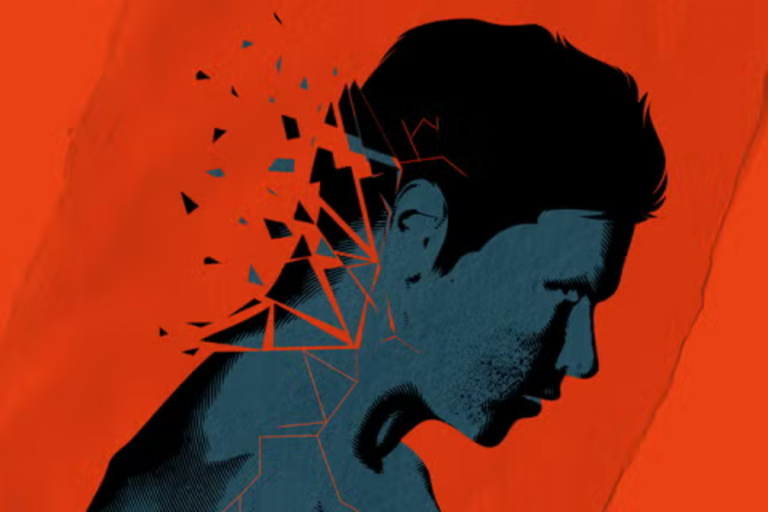
Over time, those messages can sink in so deeply that you judge yourself before anyone else has to. You might feel weak for needing a break or ashamed for feeling anxious, even though those are normal human experiences.
How mental health and masculinity collide
You are far from alone if you struggle. Around 43 million adults in the United States experience mental illness every year, and an estimated six million men live with depression annually. Yet men are far less likely to seek mental health treatment than women, even at similar rates of mental illness. Men also die by suicide at roughly four times the rate of women and account for nearly 79 percent of suicide deaths in some recent reports, according to national data summarized in the research you saw above.
That gap is not because men feel less pain. It is because traditional masculinity teaches you to hide it.
Emotional restriction and “tough it out” culture
From an early age, many boys hear some version of “boys do not cry.” You might have been praised for “being strong” when you kept quiet about pain, or teased when you showed sadness or fear.
This emotional restriction can show up later as:
- Trouble naming what you feel, beyond “stressed” or “pissed off”
- Shutting down instead of talking during conflict
- Feeling uncomfortable when others cry or ask for comfort
Instead of saying “I feel really low,” you might say “I am just tired” or “I am fine.” On the outside you look like you are managing. On the inside you are carrying a load by yourself.
How your body “speaks” when your feelings cannot
Because men are often discouraged from talking about emotions, distress can show up more in the body or behavior. You might notice:
- Constant fatigue, even when you sleep enough
- Irritability or a short fuse
- Headaches, muscle tension, or stomach issues
- Restlessness, pacing, or an urge to stay busy all the time
These can be signs of anxiety or depression, even if you do not feel like “the sad type.” Research notes that men often report these physical symptoms instead of naming sadness or hopelessness directly.
Why so many men avoid getting help
You might know something is wrong and still hesitate to reach out. That hesitation is not a personal flaw. It is shaped by layers of stigma and social pressure.
The fear of seeming weak
Traditional norms tell you that mental health struggles are a sign of weakness, or that they are “feminine.” When you internalize that idea, several things can happen:
- You judge yourself harshly for not “handling it” on your own
- You downplay symptoms, telling yourself others have it worse
- You delay therapy, medication, or even a basic check in with your doctor
A large body of research has found that norms like self reliance, toughness, and emotional stoicism significantly deter men from seeking mental health support and are associated with higher rates of anxiety, depression, and even suicidal behavior across different countries. In one review of 47 studies, men who strongly endorsed these norms were consistently less likely to access help and more likely to report worse mental health outcomes.
Social, cultural, and professional stigma
Stigma hits from several angles:
- Social stigma: Worry that friends, teammates, or coworkers will see you differently if you admit you are struggling
- Self stigma: The critical inner voice that calls you “weak” or “lazy” for needing help
- Professional stigma: Concern that seeing a therapist could harm your career or reputation
- Cultural stigma: In some communities, including many Black communities in the United States, mental illness can be treated as taboo or a sign of moral failure, which deepens distrust in the health care system and keeps men away from treatment
When these layers stack up, even booking an appointment can feel risky. Yet the very act of asking for help is often one of the strongest and most respectable choices you can make.
The self reliance trap
Studies with college men and young adult men show a clear pattern. The more strongly you buy into the belief that “a real man handles his problems alone,” the more likely you are to:
- Experience higher depressive symptoms months later
- Rely less on social support
- Avoid mental health services even when you meet criteria for moderate or severe depression
In one study of emerging adult men in low income areas, only about 14 percent had seen a mental health professional in the prior year, even though nearly 29 percent met the threshold for moderate to severe depression. The gap between suffering and support is huge.
Risky coping: substances, anger, and withdrawal
If you still feel pressure to stay silent, your pain has to go somewhere. For many men, it comes out sideways.
Substance use as a numbing tool
Men are about twice as likely as women to misuse alcohol and drugs. Research links this difference partly to untreated mental health issues and the stigma around seeking help. When you have been taught that therapy is weak but drinking with friends is normal, numbing out with substances can feel like the only acceptable outlet.
Over time, that pattern can turn into:
- Daily drinking or regular binge drinking
- Dependence on drugs or alcohol to sleep, socialize, or feel relaxed
- A cycle where substances both worsen your mood and make you less likely to reach out for real support
Anger as a “safer” emotion
You might find it easier to feel or express anger than to admit you are hurt or afraid. Traditional masculinity often frames anger as powerful and masculine, while sadness is framed as soft.
So instead of saying “I am scared about money,” you might snap at your partner, your kids, or strangers on the road. Research points out that norms such as “anti femininity” and “violence” in some men are linked to higher hostility and more depressive symptoms over time.
Isolation and relationship strain
If you constantly push feelings down, your relationships can suffer. Partners may feel shut out. Friends may only know the polished version of you, not what you are going through.
A lack of positive male role models, especially if you grew up with an absent or unstable father figure, can make it even harder. If you rarely saw men talk honestly about emotions, you probably did not get a blueprint for doing it yourself.
The double edged sword of toughness and success
It is important to note that not every aspect of masculinity harms your mental health. In fact, some traits that are often labeled “masculine” can protect you when they are flexible and balanced.
When masculine norms help
Research on young men finds that certain norms, like striving for status or winning, can sometimes correlate with fewer depressive symptoms and higher use of mental health services. A strong work ethic, perseverance, and a drive to improve can support recovery when you apply them to your wellbeing instead of only to external success.
For example, you can:
- Use your persistence to stick with therapy, even when it feels uncomfortable
- Channel your focus on goals into building healthier routines, such as regular sleep and movement
- Treat mental health like training, where effort over time leads to progress
When they hurt instead
The same traits can become harmful when they are rigid. Toughness that refuses rest, self reliance that blocks support, or competitiveness that devalues vulnerability will drain you.
Studies show that:
- Toughness is linked to increased substance use and reduced mental health service use, especially among depressed men
- Self reliance is tied to higher depression in college men, partly because it cuts off emotional disclosure and social support
- The “Playboy” norm, which treats multiple sexual partners as proof of manhood, can raise psychological distress and make it harder to build intimate, supportive relationships
The key is not to throw away strength, endurance, or ambition. It is to uncouple them from silence and emotional suppression.
Building a healthier, “positive” masculinity
You do not have to choose between being a man and caring for your mental health. You can redefine masculinity in a way that works for you and the people you care about.
What positive masculinity looks like
Therapists and researchers have started talking about “positive masculinity.” The Positive Psychology Positive Masculinity paradigm, for example, focuses on teaching and reinforcing prosocial strengths in boys and men, such as courage, protection of others, fairness, and responsibility. The Crowther Centre in Australia describes positive masculinity as expressing attitudes and behaviors that benefit both you and your community.
In everyday life, that can mean:
- Being brave enough to admit when you are not okay
- Using your strength to protect, not control, partners and friends
- Standing up against bullying, sexism, homophobia, or violence, even in male groups
- Supporting other men when they open up, instead of mocking them
Small ways to practice it
You do not need a complete personality overhaul. Try small experiments:
- Choose one trusted person and share something real about how you are doing
- In a group of guys, do not laugh off comments that shame therapy or emotions, simply say, “Honestly, talking to someone helped me a lot” if that is true for you
- When you feel anger, pause and ask, “What is underneath this, what else am I feeling right now”
- Treat seeing a doctor or therapist as maintenance, not emergency repair
Each time you act in line with a broader, healthier idea of manhood, you chip away at the old script.
Reaching out for support
If you notice signs of depression, anxiety, or substance misuse, or if you have thoughts of self harm or suicide, reaching out is urgent, not optional. Open and direct conversations about suicidal thoughts have been shown to help. Avoiding the subject can increase feelings of isolation and make symptoms worse.
You might feel more comfortable with a male therapist or doctor, and that is okay. Just remember that delaying care while you wait for the “perfect” provider can also keep you stuck. What matters most is starting the conversation.
If you are in immediate danger or thinking about ending your life, contact your local emergency number or a crisis hotline right away. If you are in the United States, you can dial or text 988 to reach the Suicide and Crisis Lifeline for free, confidential support.
Moving forward on your own terms
Traditional masculinity has deep roots, but it is not destiny. You can keep the parts that feel authentic, like resilience or protectiveness, and let go of the parts that are quietly hurting you, like silence and self punishment.
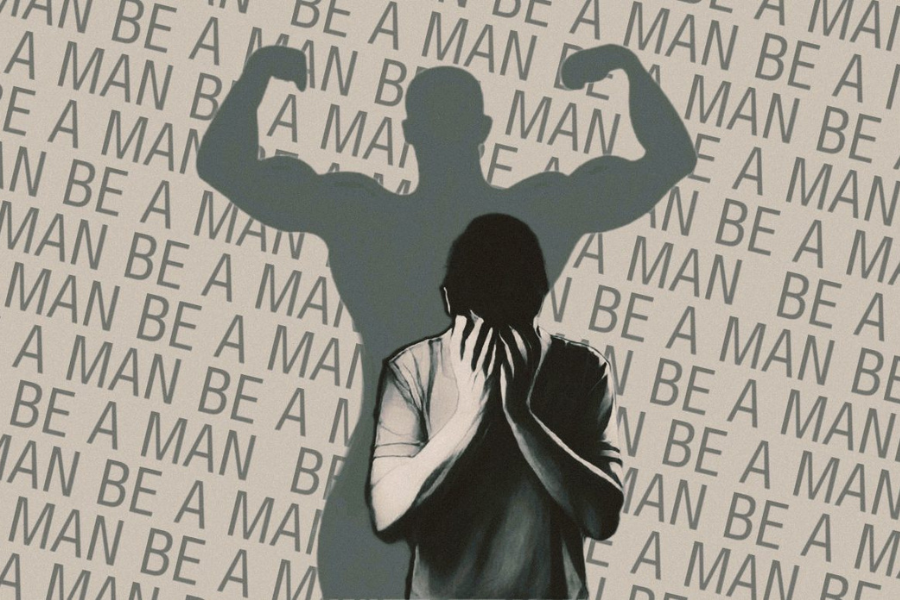
Pay attention to your body, your moods, and your habits. Notice where “be a man” has kept you from getting the support you deserve. Then, one small step at a time, practice a version of masculinity that allows you to be fully human, feelings and all.
Your mental health and masculinity do not have to be at war. When you let them work together, you give yourself a better shot at a life that feels strong, connected, and genuinely your own.
About the Author