A Mediterranean diet can fit easily into a packed schedule, especially when you rely on simple, satisfying Mediterranean diet snacks. With the right mix of protein, fiber, and healthy fats, your snacks can keep you full between meals, support weight management, and fight inflammation without a lot of prep time or complicated recipes.
Below, you will find practical snack ideas, quick prep tips, and grab-and-go options that match a busy lifestyle while still following Mediterranean principles.
Understand what makes a snack Mediterranean
At its core, the Mediterranean diet focuses on vegetables, fruits, whole grains, legumes, nuts, and healthy fats like extra virgin olive oil, with moderate dairy, eggs, and seafood and only occasional sweets or red meat (The Mediterranean Dish). When you apply this to snacking, you get options that are naturally nutrient dense, high in fiber and good fats, and low in added sugars.
Most classic Mediterranean diet snacks share a few traits. They use whole or minimally processed ingredients such as olives, hummus, Greek yogurt, fresh produce, nuts, seeds, and whole grains, and they rely on herbs, spices, and olive oil for flavor rather than heavy sauces or sugar (Whole Lotta Yum). These snacks tend to keep you full longer, which can help you avoid afternoon crashes and late night overeating.
The Mediterranean way of eating is also recognized as one of the healthiest patterns in the world and is known for helping fight inflammation symptoms like fatigue and muscle aches (EatingWell). When you prioritize these foods even in your snack choices, you are supporting your overall health between meals, not just at them.
Build a simple snack formula
A straightforward way to make Mediterranean diet snacks part of your routine is to use a basic formula: combine a source of protein or healthy fat with fiber rich carbs. This balance helps keep your blood sugar steady and your energy more stable throughout the day.
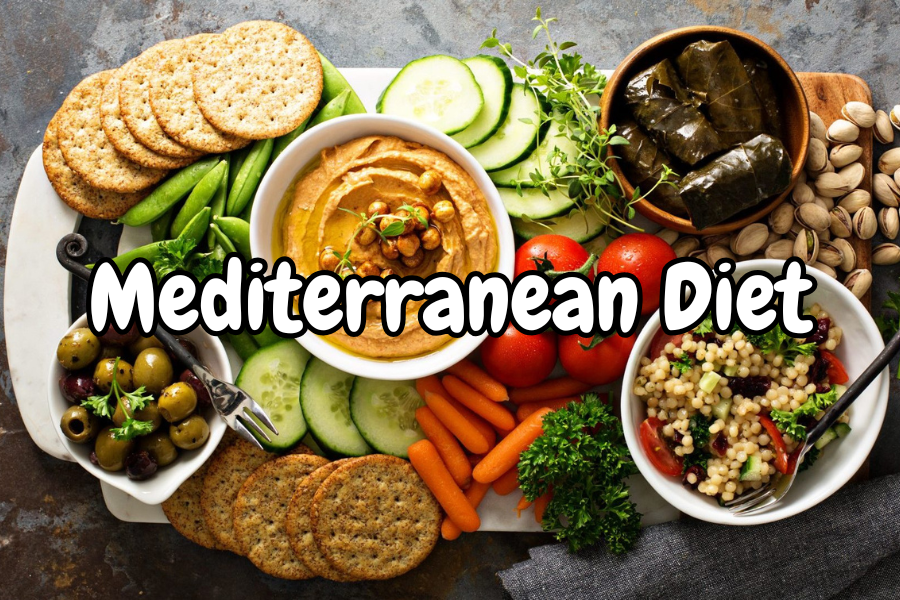
You can think in pairs. Match Greek yogurt with fresh berries, hummus with veggie sticks, or nuts with a piece of fruit. Legumes like beans and chickpeas provide plant based protein and fiber while staying low in fat, which makes them ideal for quick snacks such as hummus with vegetables or roasted chickpeas seasoned with spices like harissa or za’atar (The Mediterranean Dish).
Healthy fats are also a key part of this way of eating. Extra virgin olive oil is the main fat source in the Mediterranean diet, and it shows up in many snack ideas, from drizzling over vegetables to tossing nuts or seeds before roasting. This type of fat is rich in antioxidants and is linked with heart and brain health benefits (Cleveland Clinic).
A helpful rule of thumb: if your snack includes at least 3 grams of fiber plus a source of protein or healthy fat, you are likely staying aligned with Mediterranean diet principles and supporting weight loss or weight maintenance goals (EatingWell).
Stock quick no-recipe snacks
On your busiest days, you probably do not want to chop, cook, or measure much. For those times, it helps to keep a few no recipe Mediterranean diet snacks on hand that you can grab in seconds.
You might start with fresh fruit, such as berries, apples, or oranges. These fit the base of the Mediterranean diet pyramid and give you natural sweetness with fiber, vitamins, and hydration. Whole grain toast or crackers topped with avocado, fresh herb salsa, or chopped olives also offer a savory, satisfying bite without any cooking. Simple combinations like bell pepper slices, cherry tomatoes, and a quick herb salsa with chopped olives work well alongside whole grain crackers too (Valley Fig).
Nuts and seeds are another low effort option as long as you watch your portions. Unsalted nuts provide fiber, antioxidants, protein, unsaturated fat, and omega 3 fatty acids. A small handful, about 2 tablespoons, can be filling, and you can pair them with dried figs or dates for extra natural sweetness and energy (The Mediterranean Dish). Cottage cheese or Greek yogurt with fresh fruit and a sprinkle of sunflower seeds makes a light but energizing snack that you can assemble in under a minute (EatingWell).
Prep protein rich Mediterranean bites
If you like to meal prep once or twice a week, you can create protein rich Mediterranean diet snacks that are ready whenever your schedule gets hectic. This type of snack is especially helpful if you are trying to stay full between meals or support a workout routine.
Greek yogurt is a cornerstone. It is lower in sugar than many flavored yogurts and is rich in calcium, vitamin B12, probiotics, and protein, which helps keep you full. A five ounce portion of plain, fat free or low fat organic Greek yogurt topped with fresh fruit is one classic Mediterranean snack (The Mediterranean Dish). You can portion it into small containers in advance and add fresh toppings right before you eat.
Legume based snacks are another strong choice. Ranch Roasted Chickpeas, seasoned with garlic powder, onion powder, and dried herbs, create a savory, crunchy, high fiber snack that you can eat by the handful or sprinkle on salads and soups for extra texture (EatingWell). Everything Bagel Crispy Chickpeas are another option, offering crispy, salty flavor that can stand alone or add crunch to salads, especially if you remove the chickpea skins for extra crispiness (EatingWell).
You can also try cottage cheese dips, avocado mash with fresh herbs, or simple bean dips paired with vegetables or whole grain pita. Many of these recipes fit into a weekend prep session, and once they are in your fridge, you only need to scoop a portion into a small container before heading out the door.
Enjoy sweet snacks without overdoing sugar
You do not have to give up sweet flavors to follow the Mediterranean diet. The key is to lean on naturally sweet foods that bring fiber and nutrients with them, and to keep the portions on the modest side.
Dried fruits such as figs, dates, or dried apricots are recommended in small amounts as sweet Mediterranean diet snacks. They deliver natural sugar plus fiber and minerals, so you feel more satisfied than you would with candies or cookies (The Mediterranean Dish). California dried figs in particular add fiber, potassium, and calcium, and adding just four figs a day to your overall diet can support measurable health benefits (Valley Fig).
Energy balls and bars are another sweet but smart option. For example, High Protein Energy Bars made with tahini, oats, apricots, figs, and maple syrup offer a nutrient dense, portable snack that you can grab on busy days (EatingWell). Cranberry Almond Energy Balls made with cranberries, almonds, oats, dates, maple syrup, and tahini give you sweetness plus a touch of bitterness that keeps them from feeling like dessert, and they store well in the fridge for days (EatingWell).
If you prefer something cool, you can build frozen Greek yogurt bark with fruit and nuts, or a chia seed pudding sweetened with a small amount of honey and mixed with chopped dried figs, fresh fruit, and seeds. These types of treats rely on a mix of dried and fresh fruits, nuts, and low fat dairy, which fits neatly into Mediterranean diet principles (Valley Fig).
Add crunch with nuts, seeds, and veggies
Crunchy foods can be especially satisfying when you are stressed or tired. Instead of reaching for chips, you can get that same crunch from Mediterranean diet snacks built around nuts, seeds, and vegetables.
Spiced Roasted Walnuts, for example, are rich in omega 3 fatty acids and can be roasted with cinnamon and ginger for a warm, aromatic flavor. They work as an on the go snack or as a crunchy topping for salads, yogurt, or oatmeal (EatingWell). Salt and Vinegar Pumpkin Seeds are another flavorful choice: soaking the seeds in vinegar before roasting helps the tangy flavor stick, and you still get a good dose of fiber and healthy fats (EatingWell).
If you prefer plant based crunch without nuts, kale chips can be a pleasant surprise. When you bake kale leaves with a little olive oil and seasoning and avoid overcrowding the pan, they turn crispy and can win over even people who do not usually like kale (EatingWell). Everything Bagel Crispy Chickpeas or simple roasted chickpeas seasoned with harissa or za’atar also provide a crunchy, high fiber snack that fits the Mediterranean pattern perfectly (The Mediterranean Dish).
Plan snacks that support weight loss
If your main goal is weight loss, Mediterranean diet snacks can help you feel satisfied without going over your calorie needs. The focus on high fiber, minimally processed foods means many snacks are naturally lower in calories and higher in volume, which can help you feel like you are eating more, not less.
Mediterranean diet snacks that support weight loss usually have at least 3 grams of fiber per serving, include plenty of plant based foods, and favor healthy fats over added sugars. They are suited to grazing throughout the day and can help prevent the kind of extreme hunger that leads to overeating later on (EatingWell). Options like Cottage Cheese with Raspberry Honey, which combines protein rich dairy with fruit and sunflower seeds, or simple fruit with nuts or seeds, can keep your energy stable and your appetite in check (EatingWell).
Portion control still matters. Nuts, seeds, and dried fruits are dense in calories even though they are healthy. You can portion snacks into small containers at the start of the week, which fits with the Mediterranean Diet emphasis on planning ahead and having nutritious snacks ready to eat when needed (Cleveland Clinic). This simple habit can help you enjoy your food and stay on track without having to count every bite.
Make Mediterranean snacking work for your lifestyle
The Mediterranean Diet leaves room for flexibility and personal preference. This variety can help you avoid boredom and stick with the approach long term, even with a busy schedule (Cleveland Clinic). You can rotate between savory dips like hummus, cottage cheese dip, fresh avocado with herbs, or salsa with whole wheat pita, and sweet treats built around dried figs, nuts, seeds, and low fat dairy or plant based alternatives (Valley Fig).
If you have specific health concerns, allergies, or medical conditions, you may want to talk with a registered dietitian. The Cleveland Clinic notes that dietitian consultations can help customize Mediterranean Diet snacks to your medical history and food preferences, which can make your plan safer and easier to follow over time (Cleveland Clinic).
You can start small. This week, you might prep one batch of roasted chickpeas or walnuts and buy Greek yogurt and fresh fruit. Once these options are in your kitchen, choosing Mediterranean diet snacks becomes easier than reaching for packaged sweets, and each small choice adds up to better energy and health over time.
About the Author