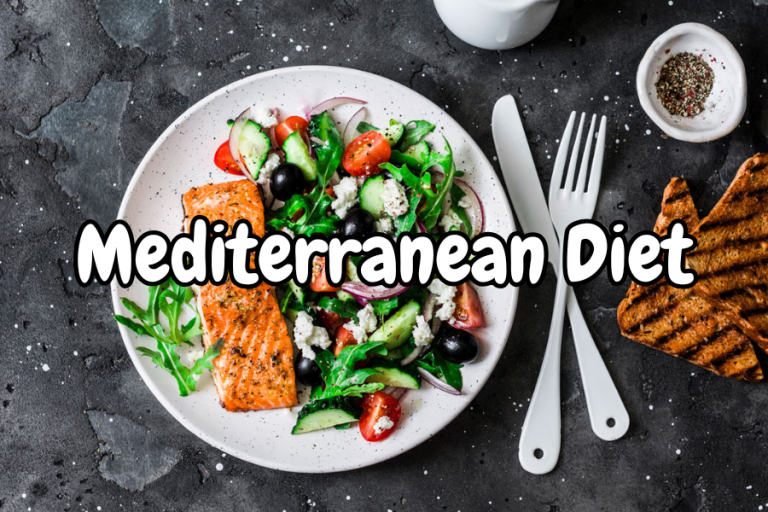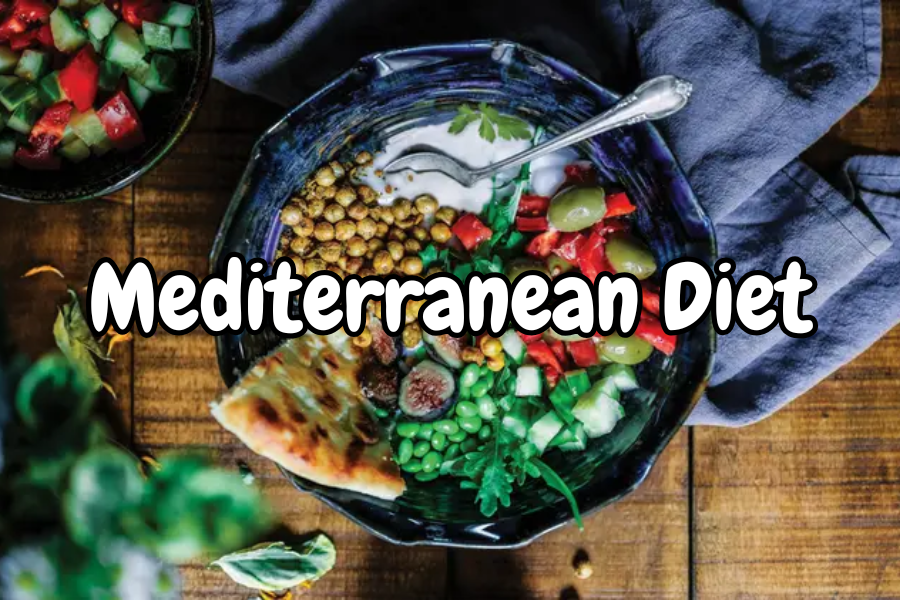
A Mediterranean diet can support healthy weight loss without feeling like you are on a strict diet. Mediterranean diet recipes center around vegetables, fruits, whole grains, beans, nuts, lean proteins, and plenty of extra virgin olive oil, a pattern linked with better heart and overall health based on traditional eating in Mediterranean countries (Cleveland Clinic). Instead of counting every calorie, you focus on whole, satisfying foods that naturally help you eat less and feel better.
Below, you will find what makes this way of eating effective for weight loss, how to stock your kitchen, and specific Mediterranean diet recipes and ideas for breakfast, lunch, dinner, and snacks.
Understand how the Mediterranean diet supports weight loss
You lose weight on a Mediterranean diet not because it is trendy, but because of how the foods you eat work together.
Most Mediterranean diet recipes emphasize:
- Vegetables and fruits in most meals
- Whole grains like oats, brown rice, quinoa, and whole wheat
- Beans and lentils as regular protein sources
- Fish and poultry more often than red meat
- Healthy fats from extra virgin olive oil, nuts, and seeds
- Modest amounts of dairy, usually yogurt or cheese
- Minimal added sugars and ultra processed foods
This style of eating is naturally higher in fiber and protein, and lower in empty calories. Fiber from vegetables, fruits, beans, and whole grains keeps you full longer and helps prevent blood sugar spikes that lead to cravings (EatingWell). Protein from fish, poultry, beans, and yogurt supports muscle and satiety, which is essential when you want to lose fat, not strength.
The Mediterranean diet has also been named a top overall diet by health experts for multiple years because it supports heart health, brain health, and longevity, all while remaining flexible and enjoyable (The Mediterranean Dish).
Build a Mediterranean-friendly kitchen
You will find it easier to stick with Mediterranean diet recipes for weight loss when your pantry and fridge are ready to go. You do not need specialty products, just consistent staples.
Start with:
- Extra virgin olive oil (EVOO) as your main cooking and salad oil
- Canned beans such as chickpeas, white beans, and lentils
- Canned tomatoes and tomato paste
- Whole grains like brown rice, quinoa, farro, whole wheat pasta, and oats
- Nuts and seeds, such as almonds, walnuts, and chia seeds
- Garlic, onions, and a mix of dried herbs like oregano, basil, thyme, and cumin
- Fresh vegetables and leafy greens
- Seasonal fruits
- Eggs, plain yogurt, and small amounts of cheese
- Frozen vegetables and fish for backup meals
Extra virgin olive oil is especially important. It has a favorable ratio of healthy unsaturated fats and is rich in antioxidants that may protect your heart and brain and reduce inflammation, which is why it is specifically recommended in Mediterranean diet recipes instead of regular olive oil (Cleveland Clinic).
Focus on portion aware, not restrictive eating
To use Mediterranean diet recipes for weight loss, you do not need to eliminate entire food groups. Instead, you adjust portions and frequency.
You can:
- Make vegetables or salad half of your plate
- Keep whole grains and starches to about a quarter of the plate
- Fill the remaining quarter with lean protein like fish, beans, or chicken
- Use a drizzle of EVOO, nuts, or avocado for healthy fat, not unlimited amounts
Mediterranean diet recipes tend to be satisfying because they combine fiber, protein, and healthy fats. This combination can help you feel full on fewer calories, which is helpful when your goal is losing weight without feeling hungry or deprived (EatingWell).
Enjoy Mediterranean breakfasts that keep you full
A Mediterranean style breakfast sets you up for fewer cravings later in the day. Aim for a mix of protein, healthy fats, and fiber.
You might try:
- Greek yogurt bowls with berries and chia seeds
- Berry chia pudding uses chia seeds for omega 3 fats and fiber, berries for natural sweetness, and milk or yogurt for protein, all aligned with Mediterranean diet principles (EatingWell).
- Overnight oats with fruit and nuts
- Fig and ricotta overnight oats add creaminess, fiber, and a touch of natural sweetness without needing much sugar (EatingWell).
- Egg and veggie dishes, such as shakshuka
- Shakshuka, eggs simmered in a tomato and pepper sauce, is a classic Mediterranean dish that is easy, inexpensive, and naturally rich in protein and vegetables (The Mediterranean Dish).
If you prefer something quick, hummus on whole grain toast with sliced cucumber or tomato is simple, filling, and packed with fiber and healthy fats.
Choose satisfying Mediterranean lunches
For lunch, you want meals that are simple to assemble and keep you full through the afternoon, especially if you are working on reducing snacking.
Consider:
- Grain and bean bowls
- A chickpea and quinoa bowl with roasted red pepper sauce provides plant based protein, whole grains, and vegetables in a convenient grab and go format (EatingWell).
- Big salads with protein
- High protein pasta salad that includes chickpea pasta, whole chickpeas, crunchy vegetables, and fresh mozzarella pearls in a heart healthy vinaigrette is a great example of a filling salad that still aligns with weight loss goals (EatingWell).
- Leftover soups and stews
- A slow cooker Mediterranean diet stew with beans, leafy greens, vegetables, and olive oil is ideal for batch cooking and offers fiber rich, vegan friendly lunches (EatingWell).
You can build a simple template: start with greens or vegetables, add a scoop of whole grains, include a protein like beans, tuna, grilled chicken, or leftover salmon, then finish with a drizzle of EVOO, lemon juice, and herbs.
Rely on quick Mediterranean dinners for busy nights
Mediterranean diet recipes shine at dinner time because they are flavorful and often quick to prepare. When your meals are easy and enjoyable, it is much easier to stay consistent.
Many Mediterranean style dinners can be ready in about 30 minutes or less and still support weight loss, since they focus on vegetables, lean proteins, and whole grains (EatingWell).
You could rotate dishes like:
- Sheet pan meals
- Sheet pan chicken thighs with Brussels sprouts and gnocchi uses chicken, vegetables, and simple seasonings for a complete meal in one pan (EatingWell).
- Sheet pan salmon with broccoli pairs salmon with roasted vegetables, lemon, garlic, and olive oil for a fast, heart healthy dinner (EatingWell).
- One pot pastas and grains
- One pot white bean, spinach, and sun dried tomato orzo blends fiber rich beans, leafy greens, and whole grain pasta in a creamy but balanced sauce, which can be portioned carefully for weight loss (EatingWell).
- Lean proteins with vegetables
- High protein balsamic chicken orzo with vegetables and a drizzle of balsamic and chives shows how you can combine pasta with plenty of vegetables and lean protein in Mediterranean dinner recipes (EatingWell).
- Sheet pan balsamic chicken and asparagus keeps things simple with chicken cutlets, asparagus, and a tangy sweet glaze in one pan (EatingWell).
Fish and seafood are a core part of Mediterranean diet recipes, and they fit especially well into a weight loss plan because they tend to be lean, high in protein, and quick to cook (Allrecipes). You might:
- Bake cod with lemon, garlic, and olive oil, then serve with a Greek style salad
- Grill salmon in foil with cherry tomatoes and a simple tapenade as in grilled Mediterranean salmon in foil (Allrecipes)
- Sauté shrimp with garlic, olive oil, and lemon and serve over a small portion of whole grain pasta plus plenty of vegetables, similar to sautéed shrimp with garlic and lemon (The Mediterranean Dish)
Use smart snacks and treats
You do not have to avoid snacks entirely to lose weight on a Mediterranean diet. The key is choosing options that actually contribute nutrients and fullness rather than empty calories.
Good Mediterranean style snack ideas include:
- Hummus with carrot sticks or cucumber slices
- Plain yogurt with a spoonful of nuts and a drizzle of honey
- A small handful of almonds or walnuts and a piece of fruit
- Whole grain toast topped with labneh or ricotta and tomato
Mediterranean diet recipes focus on inclusion and enjoyment rather than strict rules or deprivation, so you can still have sweets in moderation. The emphasis is on savoring small amounts and making everyday foods nourishing (The Mediterranean Dish).
Adjust for vegetarian or gluten free needs
If you are vegetarian or need to be gluten free, you can still use Mediterranean diet recipes for weight loss with a few simple substitutions.
For a vegetarian approach, you rely even more on:
- Beans and lentils as primary protein sources
- Nuts and seeds
- Eggs and dairy if you include them
The Mediterranean diet can be adapted to exclude meat and fish and still provide adequate protein through plant sources like nuts and beans (Cleveland Clinic).
For a gluten free version, you replace wheat based products with:
- Gluten free whole grains, such as brown rice, quinoa, and certified gluten free oats
- Legume based pastas made from chickpeas or lentils
These swaps let you keep the core principles of vegetables, healthy fats, and lean proteins intact while respecting your needs, and it can be helpful to speak with a dietitian if you have medical restrictions (Cleveland Clinic).
Start with one Mediterranean meal today
You do not need to overhaul every meal at once. Choose one Mediterranean diet recipe that sounds good, make it tonight, and notice how you feel after you eat. Maybe that is a simple sheet pan salmon and broccoli, berry chia pudding for tomorrow’s breakfast, or a chickpea and quinoa bowl for lunch.
If you keep building meals around vegetables, beans, whole grains, lean proteins, and extra virgin olive oil, you give yourself a realistic path toward weight loss that fits into everyday life and supports your long term health at the same time. If you have specific health conditions or questions, you can always check in with your doctor or a registered dietitian for a personalized Mediterranean style plan (Cleveland Clinic).
About the Author