A well planned Mediterranean diet grocery list makes it much easier to eat healthier without thinking too hard at every meal. When you stock your kitchen with the right staples, you naturally reach for foods that support weight loss, better heart health, and steady energy throughout the day (Cleveland Clinic).
Below, you will find a simple guide to what to buy, how to organize your cart, and how to turn these foods into satisfying everyday meals.
Understand the Mediterranean diet basics
The Mediterranean diet is less of a strict plan and more of an eating pattern rooted in countries like Spain, Italy, and Morocco. It focuses on whole, minimally processed foods, especially plants, with healthy fats and lean proteins in supporting roles.
According to Franciscan Health, the foundation is fruits, vegetables, whole grains, legumes, nuts, and olive oil, with fish appearing regularly and red meat only occasionally (Franciscan Health). You cook mainly with extra virgin olive oil instead of butter, make half your plate vegetables, and limit sweets and highly processed foods (Franciscan Health).
This style of eating is linked with a lower risk of coronary artery disease and other chronic illnesses, largely because it prioritizes nutrient dense plant foods and healthy fats (Cleveland Clinic).
Build your Mediterranean pantry staples
Think of your pantry as the backbone of your Mediterranean diet grocery list. When you keep it stocked with the right basics, you are halfway to a healthy meal before you even start cooking.
Whole grains and legumes
Whole grains and beans provide slow burning carbohydrates, fiber, and plant based protein. The Cleveland Clinic highlights whole grains and beans as key foods that contribute to the Mediterranean diet’s heart health benefits (Cleveland Clinic).
Good options to keep on hand include:
- Brown rice and wild rice
- Quinoa, farro, barley, and bulgur
- Whole grain pasta
- Rolled oats or steel cut oats
- Lentils (green, brown, red)
- Chickpeas, black beans, cannellini beans, and kidney beans
Choose mostly dry grains and legumes if you like to cook from scratch, or mix in some canned low sodium beans for very quick meals.
Healthy fats and oils
Extra virgin olive oil is the star fat in a Mediterranean diet grocery list. The Cleveland Clinic notes that extra virgin olive oil is preferred over regular olive oil because it contains more antioxidants and a healthier fat profile that can protect your heart and brain (Cleveland Clinic).
Along with olive oil, stock a few other healthy fats:
- Extra virgin olive oil (EVOO) for dressings and low to medium heat cooking
- Regular olive oil or light olive oil for higher heat cooking if needed
- Nuts like almonds, walnuts, pistachios, and hazelnuts
- Seeds such as chia, flax, and sunflower seeds
- Natural nut butters with no added sugar or hydrogenated oils
These fats help you feel satisfied after meals, which can make it easier to lose weight without feeling deprived.
Herbs, spices, and flavor boosters
Flavor is a big reason the Mediterranean way of eating is sustainable. The Mediterranean Dish emphasizes the importance of all natural spices and fresh herbs to make simple meals taste great (The Mediterranean Dish).
Consider keeping:
- Dried herbs like oregano, thyme, basil, rosemary, and bay leaves
- Ground spices such as cumin, coriander, paprika, turmeric, and cinnamon
- Garlic and onion, fresh or powder forms
- Jarred olives, capers, and sun dried tomatoes
- Vinegars like red wine vinegar and balsamic vinegar
- Lemon juice and zest
With these on hand, you can turn basic vegetables, grains, and beans into satisfying dishes in minutes.
Tip: When in doubt, drizzle with extra virgin olive oil, add a squeeze of lemon, sprinkle salt, pepper, and oregano, and you instantly have a Mediterranean inspired flavor boost.
Shop the produce section with purpose
The Mediterranean diet is heavily plant based, so your cart should be colorful. The Cleveland Clinic describes vegetables and fruits as central parts of the Mediterranean grocery list, not extras (Cleveland Clinic).
Vegetables to prioritize
Aim for a variety of colors and textures. Try to mix leafy greens, crunchy vegetables, and sweet options each week. For example, you might choose:
- Leafy greens like spinach, kale, arugula, and romaine
- Tomatoes, cucumbers, bell peppers, and red onions
- Zucchini, eggplant, and mushrooms
- Broccoli, cauliflower, Brussels sprouts, and green beans
- Carrots, beets, and sweet potatoes
Frozen vegetables can also fit nicely into your Mediterranean diet grocery list, as long as they are not covered in sauces or cheese. They are convenient and often just as nutritious as fresh.
Fruits for sweetness and fiber
Fruit replaces most sugary snacks and desserts in a Mediterranean eating pattern. Both Franciscan Health and the Cleveland Clinic highlight fresh fruits as daily staples (Franciscan Health, Cleveland Clinic).
Rotating options keeps things interesting:
- Apples, pears, and citrus fruits
- Berries like strawberries, blueberries, and raspberries
- Grapes, cherries, and plums
- Melons such as watermelon and cantaloupe
- Fresh or dried figs and dates in small portions
Use fruit for snacks, to top yogurt and oatmeal, or as a naturally sweet finish to dinner.
Choose Mediterranean friendly proteins
Protein still has a place in a Mediterranean diet, but the focus shifts from red and processed meats to seafood, beans, and poultry. These choices help you feel full while staying within a heart healthy pattern.
Fish and seafood
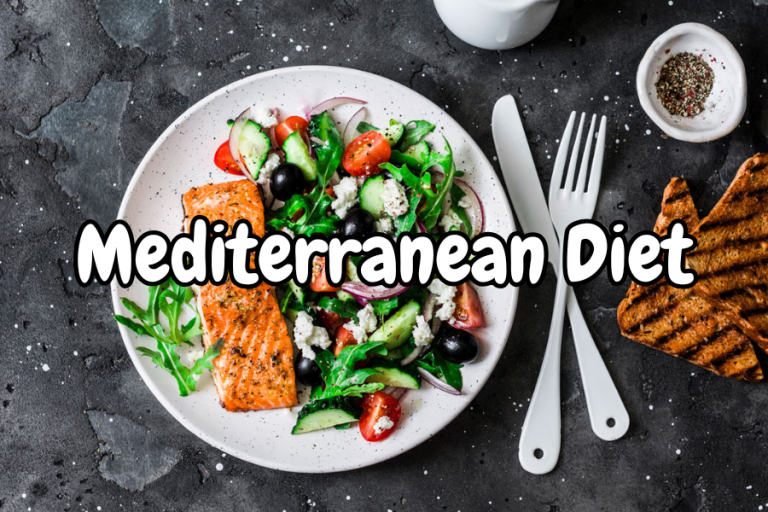
Franciscan Health notes that Mediterranean style protein sources include fish like salmon, shrimp, tuna, and halibut, with an emphasis on lean, grilled or baked preparations instead of fried versions (Franciscan Health).
On your grocery list, consider:
- Fresh or frozen salmon, cod, halibut, or trout
- Shrimp, scallops, and mussels
- Canned tuna or sardines packed in water or olive oil
Try to include seafood a couple of times a week for omega 3 fats and variety.
Poultry, eggs, and dairy
The Mediterranean Dish explains that meats typically include seafood and poultry most often, with lamb and lean beef in moderation (The Mediterranean Dish). For everyday use, you might reach more often for:
- Skinless chicken breasts or thighs
- Turkey breast or ground turkey
- Eggs for breakfasts and quick meals
- Plain Greek yogurt
- Cheese in small amounts, such as feta, mozzarella, or Parmesan
Use dairy as a garnish or side, not the main event, so your meals stay plant focused.
Red meat and processed meats
Red meat is not completely off limits, but both Franciscan Health and the Cleveland Clinic recommend limiting it and avoiding fatty cuts and processed meats to support heart health (Franciscan Health, Cleveland Clinic).
If you include beef or lamb, choose lean options and smaller portions, and save them for occasional meals rather than daily staples.
Drinks, treats, and “sometimes” foods
A Mediterranean diet grocery list includes room for enjoyment, just with some boundaries.
Beverages
Water is your main drink. You can flavor it with lemon, cucumber, or mint. Unsweetened tea and coffee also fit well.
Red wine in moderation is sometimes included. Franciscan Health notes that a 5 ounce glass of red wine daily is considered reasonable for some adults following Mediterranean eating patterns (Franciscan Health). This may not be appropriate for everyone, especially if you have certain medical conditions or take specific medications, so check with your clinician if you are unsure.
Sweets and ultra processed foods
The Cleveland Clinic recommends limiting sweets and processed foods, focusing instead on nuts, beans, and seafood as nutrient dense choices (Cleveland Clinic). That does not mean you can never have dessert. You might enjoy:
- A piece of dark chocolate
- Fruit with a dollop of Greek yogurt
- A small home baked treat made with olive oil instead of butter
The goal is to make these “sometimes” foods instead of daily habits.
Sample Mediterranean grocery list by category
Use this simplified table as a quick reference when you write your next shopping list.
| Category | Core items to consider |
|---|---|
| Vegetables | Spinach, kale, tomatoes, cucumbers, peppers, zucchini, broccoli, onions |
| Fruits | Apples, oranges, berries, grapes, melons, figs |
| Whole grains | Brown rice, quinoa, whole grain pasta, oats, barley, farro |
| Legumes | Lentils, chickpeas, black beans, cannellini beans |
| Healthy fats | Extra virgin olive oil, nuts, seeds, natural nut butters |
| Protein | Salmon, tuna, shrimp, chicken, eggs, Greek yogurt, small amounts of lean beef |
| Flavor boosters | Garlic, onions, herbs, spices, olives, capers, lemon, vinegars |
| Optional extras | Red wine in moderation, dark chocolate, whole grain bread |
You can print or copy this list and adjust it based on your household size, budget, and cooking style.
Turn your groceries into easy Mediterranean meals
Knowing what to buy is one step, using it consistently is the next. The Mediterranean Dish points out that keeping pantry staples on hand makes planning meals for days or weeks much easier (The Mediterranean Dish).
Here are some simple ways to combine your groceries:
- Toss cooked quinoa with chickpeas, chopped cucumber, tomato, parsley, olive oil, and lemon for a quick salad.
- Roast a sheet pan of mixed vegetables with olive oil and herbs, then serve with grilled fish or chicken.
- Layer Greek yogurt with berries, a drizzle of honey, and chopped nuts for breakfast or dessert.
- Make a one pot dish using whole grain pasta, canned tomatoes, garlic, spinach, and white beans, finished with a sprinkle of Parmesan.
By repeating a few easy combinations each week, you build habits that support weight loss and better health without feeling like you are constantly dieting.
Personalize your Mediterranean grocery list
There is no single perfect Mediterranean diet grocery list that fits every person. Both the Cleveland Clinic and Franciscan Health note that the pattern is flexible and can support vegetarian, gluten free, and other preferences (Cleveland Clinic, Franciscan Health).
If you have allergies, medical conditions, or specific weight loss goals, it can help to work with a registered dietitian. The Cleveland Clinic specifically recommends consulting a dietitian to customize your grocery list and meal plans so they match your needs and lifestyle (Cleveland Clinic).
Start by choosing a few items from each category in this guide, shop for them on your next trip, and build two or three simple meals you enjoy. As those meals become routine, you can add more variety. With a thoughtful Mediterranean diet grocery list in hand, you set yourself up for healthier choices every day.
About the Author