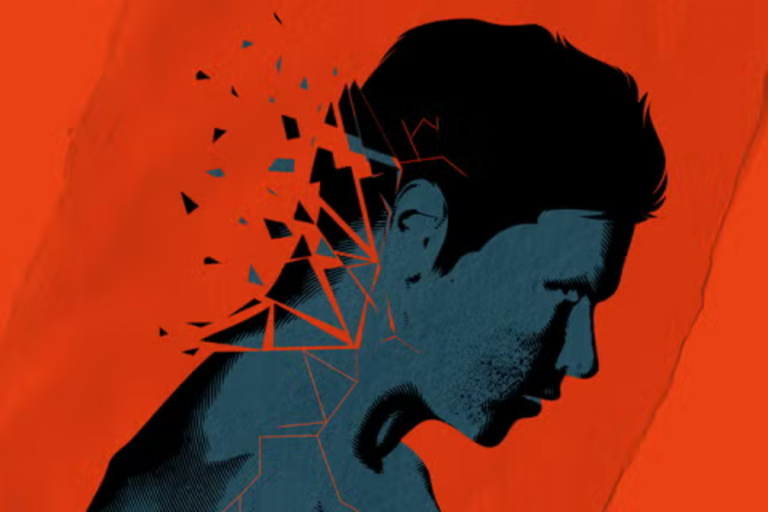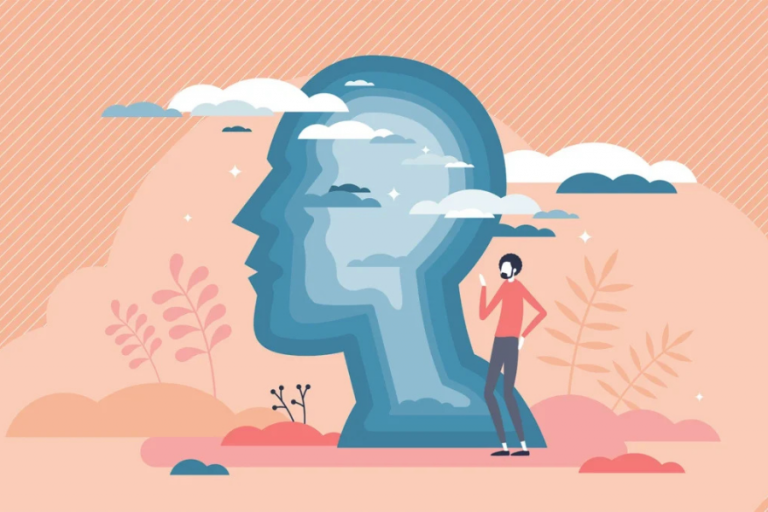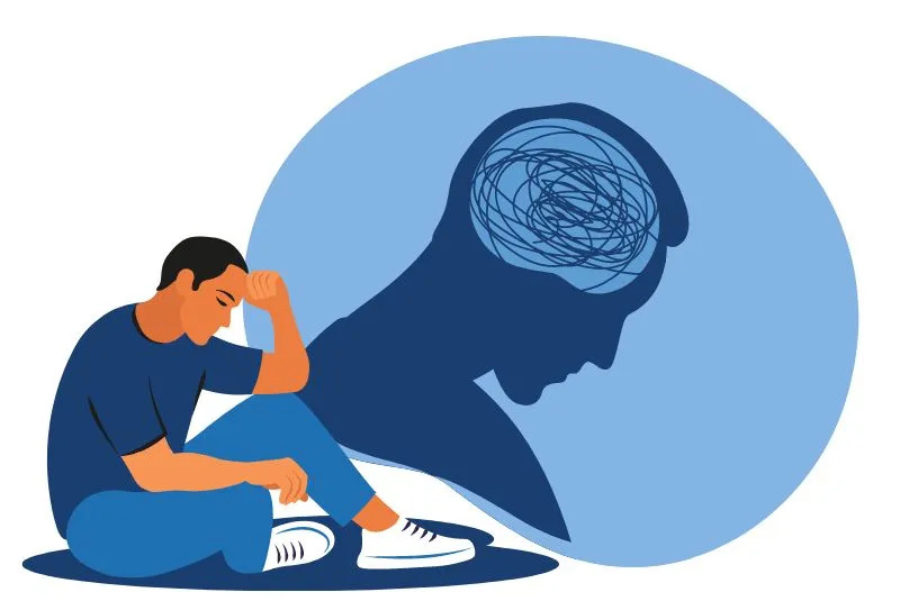
Male loneliness is not just about feeling a bit left out now and then. It can quietly shape your mental and physical health in ways you might not notice until you feel completely drained. If you have ever wondered why you feel disconnected even when you have friends or a partner, you are not alone.
This guide walks you through how male loneliness develops, what it does to your mind and body, and practical steps you can take to reconnect in a way that feels real.
Understand what male loneliness really is
Loneliness is not the same as being alone. You can feel lonely in a crowded room or in a busy group chat. Loneliness is the gap between the connection you want and the connection you actually feel.
Male loneliness often shows up in a particular way. You might have buddies you game with, co-workers you joke around with, or a partner you love, but still feel like no one really knows you. That lack of emotional intimacy, more than the lack of people in your life, is what hurts.
Recent data suggests the problem is growing. In the United States, the percentage of men who say they have no close friends has jumped from 3% in 1990 to 15% in 2021, which signals a sharp rise in social isolation among men over three decades. Younger men are especially affected. Surveys from 2023 and 2024 show that about one in four U.S. men aged 15 to 34 report feeling lonely a lot of the previous day, a rate much higher than the national average and higher than young women in the same age range.
So if you feel like you are struggling more than the people around you, the numbers suggest that many other men are in the same place, even if they are not talking about it.
Why men feel lonely even with friends
You might look at your life and think, “I have a decent social circle, so why do I still feel disconnected?” There are a few reasons this happens.
The “strong, self-reliant” script
From a young age, you are probably taught some version of: be strong, handle your own problems, do not be too emotional. This pressure to be an unshakeable “alpha” figure can make it hard to open up, even to people you trust. Over time, you may start to see your own emotions as weakness. Researchers call this “self-stigma,” a kind of internal shame about expressing what you feel.
When you believe you have to be the rock for everyone else, you start editing yourself. You share jokes and stories, but not fear, sadness, or confusion. That means your relationships stay on the surface, and loneliness grows underneath.
Parallel play instead of emotional connection
Many men bond through what psychologists call “parallel play.” You might:
- Game online with the same group every night
- Watch sports with friends
- Work on a hobby side by side
These activities matter and can be fun, but if you rarely move beyond banter and shared tasks, the friendships do not become emotionally intimate. You might know your friend’s favorite teams and build type, but not what keeps him up at night. He probably does not know that about you either.
Women, on average, tend to bond more through face to face conversations and emotional sharing. That style naturally builds deeper support networks, which is one reason their friendships can protect against loneliness more effectively, even if they are not always less lonely overall.
Relying on one person for everything
Many men lean heavily on a romantic partner for emotional support and do not build similar depth with friends. Married men, for example, are more likely to socialize through their spouse and to turn to her first for personal problems, while single men often have fewer backup options. This makes you vulnerable. If a relationship ends, or your partner is going through their own hard time, you might suddenly realize how alone you feel.
Friendships that include emotional sharing and support spread the weight so you are not depending on one person to meet every need.
The hidden mental health effects of loneliness
Loneliness does not just make you feel bad in the moment. It changes how your brain and body function over time.
Depression and anxiety
Loneliness in men is closely tied to depression. More than 6 million men in the United States experience depression each year, and loneliness is a major factor in why that depression is often missed or misdiagnosed. When you do not feel like you can talk honestly about how you feel, symptoms get pushed underground.
You might notice:
- Constant tiredness, even when you sleep enough
- Feeling numb or checked out
- Getting irritated quickly over small things
- Losing interest in hobbies you used to enjoy
Anxiety can sit on top of this. If you already feel disconnected, social situations can feel more stressful. You may start to worry people will reject the “real you,” so you perform a role instead. That performance is exhausting and deepens the sense that no one actually knows you.
Unhealthy coping and “deaths of despair”
Because men are less likely to seek therapy or talk to friends about how they feel, many turn to numbing strategies instead. These can include drinking more than intended, using drugs, overworking, or disappearing into endless scrolling or gaming.
Researchers have linked loneliness and social isolation to what are often called “deaths of despair,” including drug overdoses, alcohol related deaths, and suicides, where men make up the majority. Loneliness increases the risk of depression and dramatically raises the odds of self harm and substance misuse.
This does not mean you are doomed if you feel lonely. It means your feelings are serious enough to deserve attention, not something you should just “tough out.”
The physical toll you might not see
Loneliness is not just a mental health issue. It shows up in your body in concrete, measurable ways.
Chronic loneliness activates your stress response. Your body stays on alert, as if there is a constant, low level threat. Over time, that ongoing stress is linked with inflammation, higher blood pressure, and increased risk of cardiovascular disease. Research suggests that loneliness and social isolation can raise the risk of heart problems by nearly one third and increase the risk of death from all causes in a way that is comparable to smoking.
When you feel lonely, you are also less likely to sleep well, exercise regularly, or eat in a balanced way. Daily loneliness is strongly connected with a lower chance of feeling well rested, laughing or smiling, or feeling satisfied with your life and your relationships. That combination of stress, poor sleep, and low activity creates a feedback loop that keeps you stuck.
How social media and modern life make it harder
On paper, you are more “connected” than any generation before you, but much of that connection is shallow or distorted.
Spending two hours or more a day on social media is linked to higher feelings of social isolation in men. You see everyone else’s highlight reel, their best moments and group photos, and rarely see the arguments, loneliness, and boredom behind the scenes. It can feel like you are the only one who is struggling, even though the data shows many others feel the same way.
On top of that, modern life pushes you to prioritize work and romantic relationships above friendships. Long hours, commutes, and screen time eat into the hours you might once have spent hanging out in person. If most of your free time is spent in male dominated online spaces, like Discord servers or gaming lobbies, the dynamic can also skew how you see yourself and your options for connection, especially in dating.
Spot the signs male loneliness is affecting you
You might not call what you feel “loneliness.” It can show up in more subtle ways. Some signs to watch for include:
- You feel like you cannot be fully yourself around anyone
- You have people to hang out with, but no one you would call in a real crisis
- You scroll or game late into the night to avoid your own thoughts
- You often feel like you do not belong to any group or community
- You feel invisible or irrelevant, as if your presence does not matter
If you recognize yourself in these, it is not a verdict on your worth. It is a signal that your need for connection is not being met and that something can change.
Loneliness is not proof that you are unlikable. It is proof that you are human and your need for connection is not being met yet.
Practical ways to break out of loneliness
You do not need to transform your life overnight. Small, consistent steps can make a real difference.
Name what you feel
Start by labeling your emotion as clearly as you can: lonely, disconnected, left out, unseen. Research shows that simply naming an emotion reduces its intensity and shame. You are not saying, “I am a failure.” You are saying, “I feel lonely right now.” That small shift opens the door to action instead of self blame.
Reach out in small, specific ways
You do not have to deliver a big emotional speech to start reconnecting. Begin with low pressure moves:
- Text a friend: “Hey, I realized we have not caught up in a while. Want to grab coffee sometime this week?”
- After a gaming session, stay on the call and ask, “How has your week been really?”
- If you already have one person you trust, you might say, “I have been feeling more isolated lately and I am not sure what to do about it.”
Specific invitations are more effective than vague ones. “Want to check out that new bar on Friday?” works better than “We should hang out sometime.”
Look for shared purpose, not just shared interests
Group activities that give you a sense of purpose make it easier to build deeper bonds. You could:
- Join a local sports league, climbing gym, or martial arts class
- Volunteer with an organization that matters to you
- Take a class in something you genuinely want to learn
When you see the same people regularly and work toward a shared goal, conversations naturally move beyond small talk. Over time, this creates the conditions for real friendship.
Practice small acts of vulnerability
You do not need to spill everything at once. Start with small, honest statements, like:
- “I have actually been feeling kind of down lately.”
- “I have been stressed about work and it is getting to me.”
Watch how people respond. Some may not know how to handle it, which can hurt, but others will meet you where you are. Those are the people you can slowly go deeper with.
When to consider professional help
Therapy is not just for crises. It is a structured way to untangle the beliefs and patterns that keep you stuck. Many men who try counseling say they wish they had gone sooner. Approaches like group therapy or specific methods such as EMDR can help you process past experiences that made vulnerability feel unsafe and learn new ways of relating to others.
If you notice thoughts of self harm, constant hopelessness, or a strong urge to disappear from your life, reach out for help quickly. You can:
- Call your local emergency number if you are in immediate danger
- Contact a crisis hotline in your country
- Reach out to your doctor or a mental health professional and tell them you need urgent support
Needing help does not make you weak. It means you are taking your life seriously enough to fight for it.
Moving toward connection, one step at a time
Male loneliness is not a personal failing. It is the result of cultural expectations, modern lifestyles, and habits that discourage the kind of emotional intimacy you actually need. The good news is that you can start changing your experience of connection without changing who you are.
Begin with one small action today. Name how you feel, send a message to someone you trust, or look up a local group that interests you. Every genuine conversation, every honest check in, is a brick in the foundation of a less lonely life.
About the Author