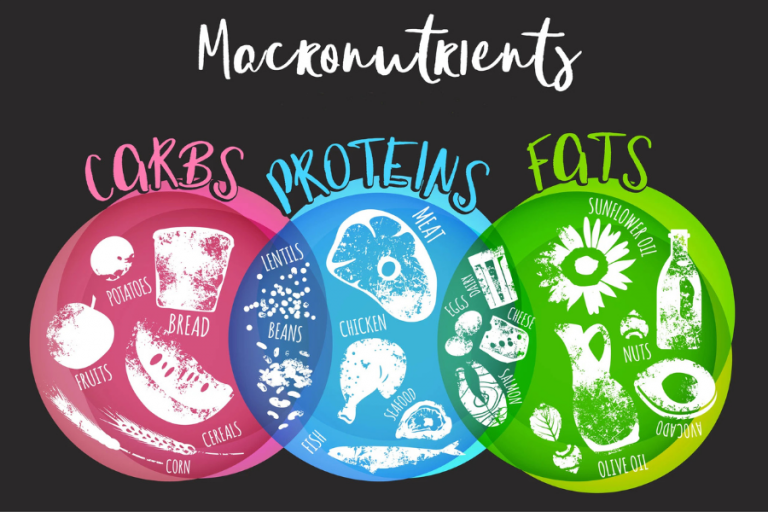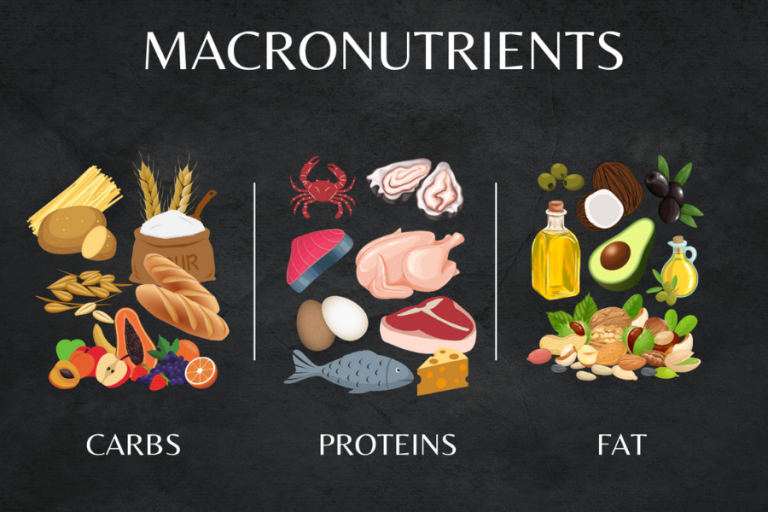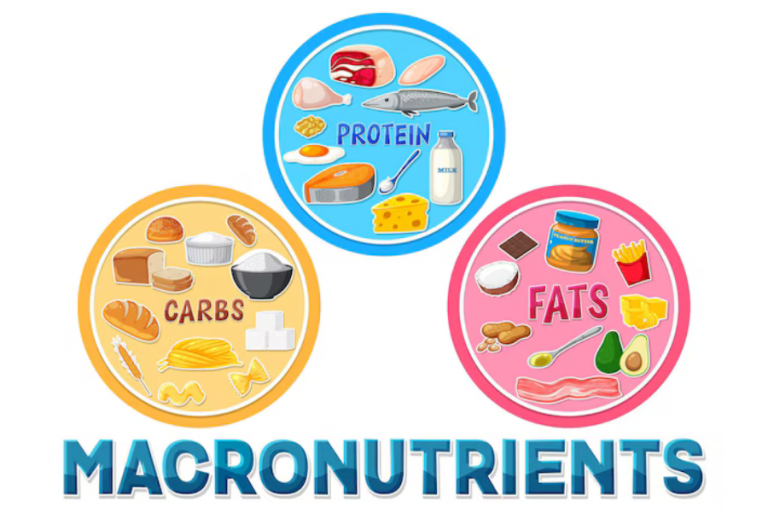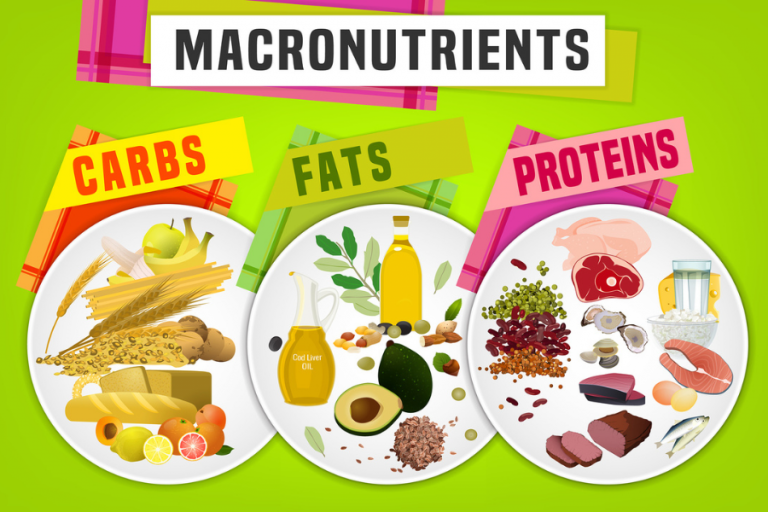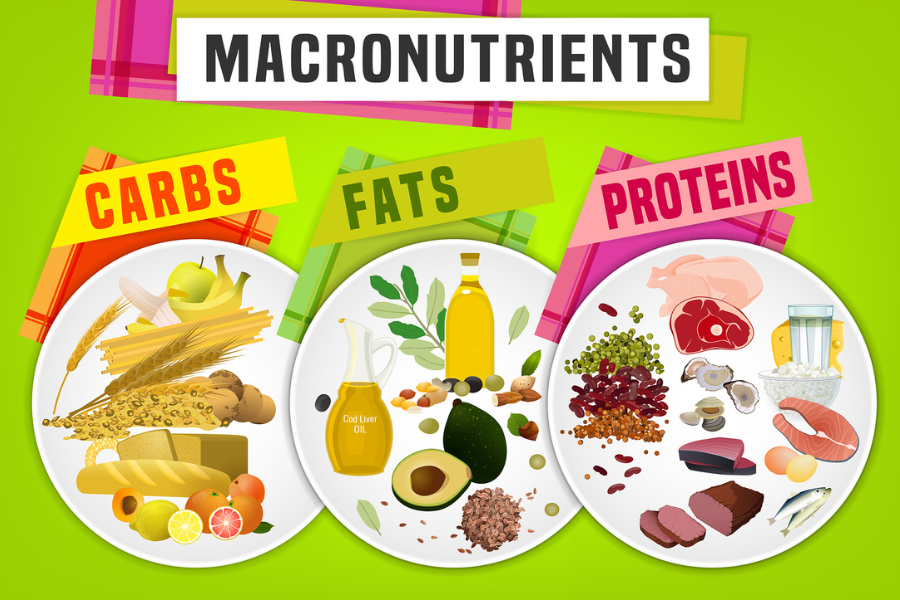
A successful muscle gain plan is about much more than eating “high protein.” When you focus on the right macronutrients for muscle gain, you support strength, energy, recovery, and long term health at the same time. Protein, carbohydrates, and fats each play a specific role in how your body builds and maintains muscle.
Instead of guessing or following a random bulking plan, you can use macronutrients to create a simple framework that actually fits your body, your training, and your goals.
Understand what macronutrients actually do
Macronutrients are nutrients you need in larger amounts: protein, carbohydrates, and fat. Each one provides energy, but your body uses them differently.
Protein builds and repairs muscle tissue. Carbs power your workouts and help refill muscle glycogen. Fats support hormones that influence muscle growth, like testosterone and growth hormone.
According to Health, an effective macro range for muscle gain is often around 45 to 50 percent of calories from carbohydrates, 30 to 35 percent from protein, and 20 to 25 percent from fat, which gives you enough energy to train hard while still prioritizing muscle repair and growth (Health).
When you understand what each macro does, you stop seeing food as “good” or “bad” and start seeing it as a tool. The goal is not to remove entire macros, but to balance them so they support your training and recovery.
Use protein to drive muscle repair
If you are lifting regularly, protein is the macro you cannot afford to ignore. It provides amino acids, which are the building blocks your body uses to repair and grow muscle after you train.
The basic recommended dietary allowance for adults is 0.8 grams of protein per kilogram of body weight per day, but that level is not aimed at building muscle. It is a minimum for general health. Healthline notes that most people, especially if you exercise, benefit from more than this baseline, and that older adults around 65 to 70 years old are often advised to aim around 1 gram per kilogram to prevent muscle loss and fractures (Healthline).
A 2022 analysis suggests that about 1.5 to 1.6 grams of protein per kilogram of body weight per day, paired with proper resistance training, is effective for building muscle and increasing strength (Healthline). In practical terms, that means:
- If you weigh 160 pounds, about 115 to 120 grams of protein per day
- If you weigh 200 pounds, about 145 to 150 grams per day
Going far over that is not necessarily better. Healthline reports that consistently eating more than about 1.3 grams of protein per kilogram of body weight can lead to extra calories being stored as fat, and going beyond 2 grams per kilogram may carry risks for some people, including unwanted weight gain and possible kidney issues (Healthline).
Choose complete and convenient protein sources
To support muscle growth, you want protein sources that contain all nine essential amino acids. Health highlights that meat, fish, dairy, and soy are all complete proteins that supply what your muscles need to build and repair tissue (Health).
Examples you can rotate through your day include:
- Eggs or Greek yogurt at breakfast
- Chicken, turkey, lean beef, or tofu at lunch and dinner
- Salmon, tuna, or other fish a few times per week
- Cottage cheese, soy milk, or a quality protein shake as snacks
Protein intake is usually tracked in total grams per day. ATHLEAN X notes that intake is often measured in grams per pound of body weight, and that needs go up when you do strenuous resistance training because your body is constantly repairing and rebuilding muscle tissue (ATHLEAN-X).
Let carbohydrates fuel your training
If you try to build muscle on very low carbs, you usually feel it in the gym first. Carbohydrates are your main and most efficient fuel source for intense workouts.
Health explains that complex carbohydrates from whole grains and starchy vegetables help fuel workouts and recovery by providing a steady release of glucose, your body’s preferred energy source (Health). This steady fuel lets you push heavier loads, add reps, and complete more quality sets, which is what actually stimulates muscle growth.
Carbs also do something else important. Registered dietitians at Nourish To Flourish point out that carbohydrates help “spare” protein from being burned as energy, so your dietary protein can be used more efficiently for muscle growth instead of just keeping you moving (Nourish To Flourish). They also support hormone balance, which further influences muscle gain, and they play a key role in post workout recovery and muscle repair (Nourish To Flourish).
How much carbohydrate do you actually need?
For muscle gain and recovery, Health recommends that carbohydrates usually make up around 45 to 50 percent of your daily calories, especially when combined with 30 to 35 percent protein and 20 to 25 percent fat (Health). That range gives you enough carbs to fuel lifting sessions and refill muscle glycogen so you come back strong at your next workout.
Research on strength training performance and carbs is nuanced. A 2022 review of 49 studies found that, in a fed state, simply eating more carbs does not always boost strength performance in typical workouts of up to 10 sets per muscle group (PMC). However, that same review notes:
- During very high volume training that goes beyond 10 sets per muscle group, carbohydrate intake may help performance
- Acute carb drinks before lifting showed mixed results, and benefits appeared more clearly when compared with fasted training or low energy intake
- Longer term higher or lower carb intake did not significantly change strength adaptations in most studies when total calories and protein were matched (PMC)
In other words, carbs matter most for heavy training blocks, fasted sessions, or days when you are doing a lot of work. The big picture is that you need enough daily carbs to support your energy, not necessarily huge carb “loading” around every single workout.
Use fats to support hormones and endurance
Dietary fat often gets pushed aside when men focus on muscle gain, yet it plays a crucial behind the scenes role. Fats supply 9 calories per gram, help with nutrient absorption, and support hormone production, including testosterone and other hormones involved in muscle recovery.
Health emphasizes that mono and polyunsaturated fats, such as those from olive oil, nuts, seeds, and fatty fish, help maintain hormone levels that support muscle growth and overall recovery, while saturated and trans fats should be limited because they can negatively impact cholesterol and heart health (Health).
Fats are also a valuable energy source for performance. Research on trained athletes has found that increasing dietary fat intake, while keeping muscle glycogen stores adequate, can raise VO2max and intramuscular fat stores and may improve endurance by extending time to exhaustion at exercise intensities up to about 80 percent of maximal aerobic power (PubMed). In these athletes, fat metabolism contributes significantly to energy supply at moderate to high intensities, especially in slow twitch muscle fibers (PubMed).
The same research points out that:
- Depleting either glycogen or fat stores can interfere with protein synthesis and may lead to muscle loss
- High fat diets can be used by athletes without harming cardiovascular or immune health if total calories and glycogen are adequate
- Even in sedentary people, dietary fat can be effectively used by muscle as long as energy intake matches energy needs (PubMed)
For muscle gain, that means your focus should be on balanced macros, not removing fat altogether. Fats help you hit your total calorie target, keep your hormones stable, and provide a dense energy source, especially on longer or more demanding training days.
Balance your macros for real muscle gain
You can hit perfect protein numbers and still struggle to gain size if your overall calorie intake is too low or if your carb and fat intake are out of balance. Muscle growth requires both appropriate training and a consistent energy surplus.
ATHLEAN X explains that a typical approach for muscle gain is to eat about 10 to 20 percent more calories than your total daily energy expenditure, combined with a balanced macronutrient ratio so you get enough protein, carbs, and fats to support muscle repair and growth (ATHLEAN-X). Carbs serve as your primary energy source for intense workouts, and adjusting your carb intake based on your activity level helps sustain performance (ATHLEAN-X). Fats, as ATHLEAN X notes, are critical hormone regulators and a calorie dense energy source, especially when you are trying to gain muscle without going far beyond your calorie needs (ATHLEAN-X).
A macro calculator that factors in your body stats and activity level can make this much easier. ATHLEAN X points out that using this kind of tool helps you consistently hit the right ratios, prevents under or overeating, and supports steady muscle repair and growth over time (ATHLEAN-X).
A useful starting point for many men who lift:
about 45 to 50 percent of calories from carbohydrates, 30 to 35 percent from protein, and 20 to 25 percent from fat, adjusted based on your age, size, training volume, and how your body responds (Health).
If you cut carbs or fats too low in order to push protein higher, Health warns that you may run into problems with energy, recovery, immune function, and overall health in the long run (Health). Higher protein within reason is helpful, but only when the rest of your macros still support your training and day to day life.
Put everything into a simple daily plan
You do not have to weigh every gram of food forever to use macronutrients for muscle gain. Once you understand the basics, you can build a simple structure that fits into your routine.
You might:
- Decide on a daily calorie range that is roughly 10 to 20 percent above maintenance
- Set your protein near 1.5 to 1.6 grams per kilogram of body weight
- Fill the rest of your calories with mostly complex carbs and healthy fats, using the 45 to 50 / 30 to 35 / 20 to 25 guideline as a reference
From there, you can divide those macros over three main meals and one or two snacks. Focus on getting a good mix of protein and carbohydrates in the meals before and after training, and make sure you include some healthy fat sources across the day.
As you track your body weight, strength, and how you feel in the gym, you can make small adjustments. If your weight is not moving after a few weeks, you might slightly increase carbs or fats. If you feel sluggish, you may benefit from shifting a bit more of your calories toward carbohydrates. The key is consistency over time, not perfection on any single day.
When you understand how protein, carbohydrates, and fats work together, macronutrients stop feeling confusing and start feeling like a clear plan. Instead of chasing random bulking hacks, you can build a plate that actually matches your goals, supports your training, and helps you add muscle you can keep.
About the Author