Understand how low carb weight loss works
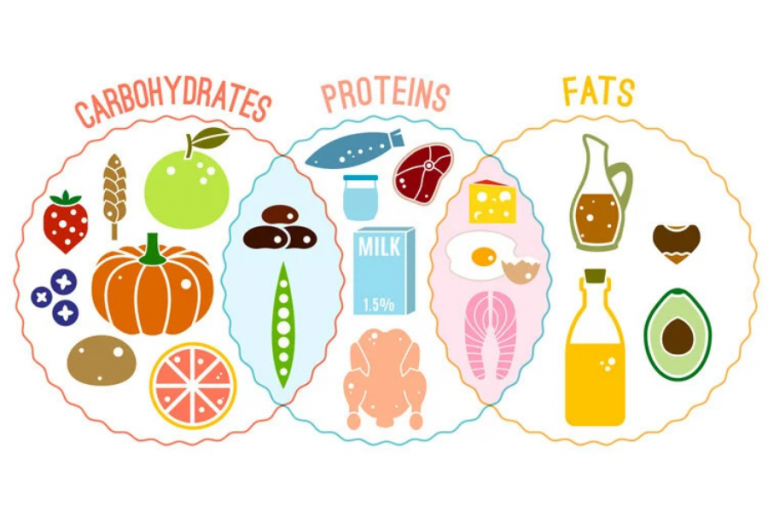
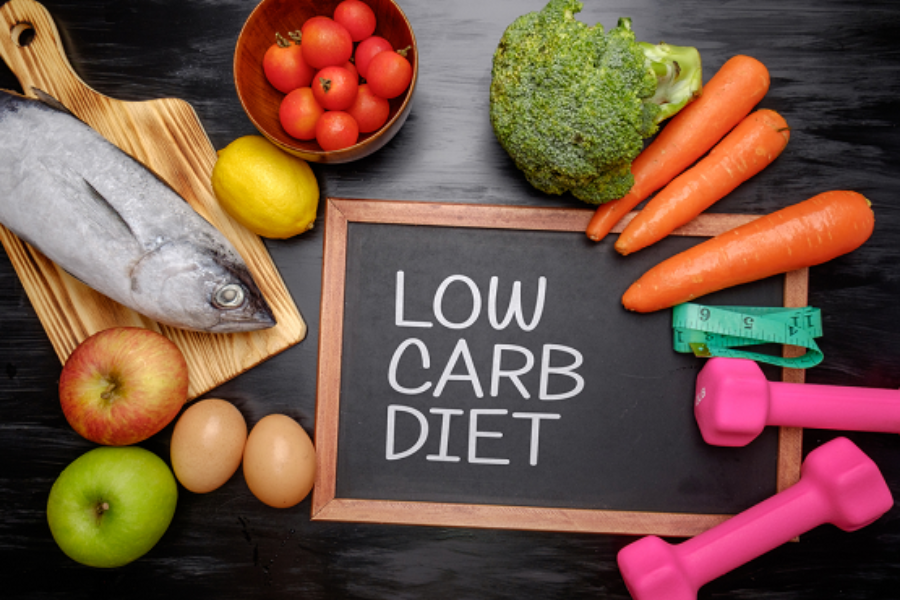
If you have tried cutting calories and still feel stuck, a low carb weight loss approach can give you a different path forward. A low carb diet simply means you eat fewer carbohydrates than usual and replace a portion of those calories with protein and healthy fats.
In a typical eating pattern, 45% to 65% of your daily calories come from carbs like bread, pasta, rice, and sugary snacks (NCBI Bookshelf). A low carb plan pulls that number down by a lot. Many popular versions limit carbs to roughly 20 to 130 grams per day, depending on how strict you want to be (Mayo Clinic, Harvard Health Publishing).
You are not removing all carbs forever. Instead, you are being choosy about which ones you eat and how much. That shift affects your hunger, your blood sugar, and the way your body uses stored fat.
Why low carb helps you lose weight
Low carb weight loss is not magic, but it taps into several useful mechanisms at once.
When you lower carbs, your insulin levels usually drop. Insulin is a hormone that helps your body store energy. With less insulin circulating, your body can access stored fat more easily and use it for fuel. This is one reason low carb diets often lead to more rapid weight loss in the first 6 to 12 months compared with some other approaches (NCBI Bookshelf, Mayo Clinic).
You also tend to feel fuller on fewer calories. When you eat more protein and fat, you are likely to stay satisfied longer, which naturally cuts down how much you eat overall without strict portion counting (Mayo Clinic, Harvard Health Publishing). Several reviews suggest this combination of better satiety and possible metabolic changes helps some people burn 200 to 300 more calories per day compared with higher carb diets, although researchers still debate the exact reasons (NCBI Bookshelf).
In the very beginning, you may also lose water weight. Your body stores carbs as glycogen, and glycogen holds water. As you use up glycogen, the water attached to it is released, so the scale can move quickly at first. That early drop can be motivating, as long as you remember that true fat loss is a slower, steady process.
Over time, studies find that the weight loss difference between low carb and other diets tends to narrow at the 12 to 24 month mark (Mayo Clinic). The real advantage is often not the diet itself, but how sustainable it feels for you in daily life.
Low carb vs keto: know your options
You will see the words “low carb” and “keto” used side by side, but they are not identical.
A standard low carb diet simply reduces your total carbohydrate intake, often to somewhere under 130 grams per day. You still eat some whole grains, fruits, and starchy vegetables in moderate amounts. Your plate is heavier on protein, non starchy vegetables, and healthy fats.
A ketogenic diet is a more extreme version. On keto, you typically eat about:
- 70% to 80% of your calories from fat
- 10% to 20% from protein
- 5% to 10% from carbohydrates
This usually means fewer than 50 grams of carbs per day, and for many people closer to 20 to 30 grams (Cleveland Clinic). With carbs that low, your body shifts into ketosis, a metabolic state where it burns fat for energy and produces ketones as an alternative fuel source.
You can usually reach ketosis within 2 to 4 days of strict carb restriction, though for some people it takes a week or more, especially if they previously ate a lot of carbohydrates (Cleveland Clinic). Ketosis can reduce appetite and help you tap into visceral fat stores, which supports weight loss while preserving lean muscle (Cleveland Clinic).
Keto can be powerful, but it is also harder to maintain and may carry more risk if you have certain medical conditions (Northwestern Medicine). A moderate low carb approach is often more flexible, easier to live with, and still effective.
Health benefits beyond the scale
If you are drawn to low carb weight loss mainly to change your body size, you may be pleasantly surprised by the side benefits.
Research has found that low carb diets can improve blood sugar control, especially for people with type 2 diabetes or prediabetes. Lowering carb intake can reduce your need for insulin or diabetes medications and can bring down hemoglobin A1c, a key long term marker of blood sugar control (NCBI Bookshelf, Harvard Health Publishing). In some studies, people even reached diabetes remission, which means maintaining an A1c below 6.5% without medication for at least three months (NCBI Bookshelf).
Your cholesterol profile can shift in a helpful direction as well. Low carb eating has been associated with lower triglycerides and higher HDL cholesterol, often called the “good” cholesterol (NCBI Bookshelf, Harvard Health Publishing). LDL cholesterol sometimes stays the same or rises slightly, which is why it is important to focus on healthy fats rather than heavy saturated fats from processed meats and butter.
Lower weight alone can also ease pressure on your joints, improve sleep apnea, and support better blood pressure. For many people, these combined changes add up to a noticeable boost in day to day energy and mood.
Potential risks and how to avoid them
Like any focused eating pattern, a low carb diet has tradeoffs. Once you understand them, you can plan around the downsides.
Very low carb or ketogenic diets can trigger what many people call the “keto flu” in the first week. You might feel tired, foggy, or irritable as your body adapts to using more fat and ketones for fuel. This transition is usually temporary, but it can feel unpleasant.
Severe carb restriction also raises the risk of nutrient gaps, especially if you cut out whole grains, legumes, and many fruits without replacing their vitamins, minerals, and fiber. That lack of fiber can lead to constipation and other digestive issues (Mayo Clinic, Harvard Health Publishing).
If your low carb plan leans heavily on processed meats, cheese, butter, and other sources of saturated fat, you may increase your long term risk of heart disease or certain cancers, especially if you have other risk factors (Mayo Clinic, Northwestern Medicine). There are also concerns about kidney strain with very high protein intake, although large reviews have not found general harm in people who have normal kidney function (NCBI Bookshelf).
You can lower these risks by:
- Prioritizing unsaturated fats from olive oil, avocado, nuts, seeds, and fatty fish instead of relying on bacon and sausages (Northwestern Medicine)
- Loading your plate with non starchy vegetables to keep your fiber intake up
- Including low sugar fruits like berries, avocados, and olives in moderation (Healthline)
- Drinking enough water and adding a bit more salt during the first week, if your doctor agrees, to ease headaches and fatigue
If you have diabetes, kidney disease, heart disease, or you take daily medications, it is important to talk with your healthcare provider before you make major changes. Low carb can still be an option, but you may need closer monitoring and a slower pace.
If a diet helps you lose weight but leaves you exhausted, anxious about food, or constantly hungry, it is not a sustainable solution. The right low carb plan should feel supportive, not punishing.
What to eat on a low carb plan
You do not have to survive on plain chicken breasts and lettuce. Many satisfying foods fit easily into a low carb weight loss strategy.
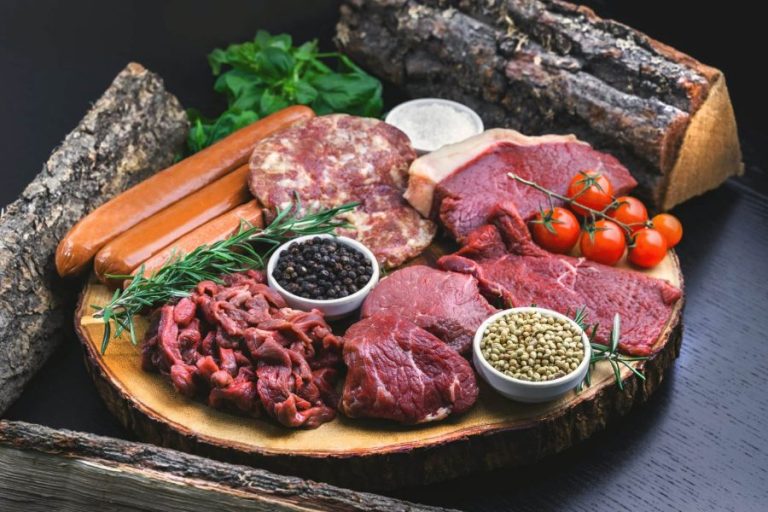
High protein, low carb choices include meat, poultry, fish, eggs, and most seafood. These have few to no carbohydrates, so they become the backbone of many low carb meals (Healthline). Pair them with vegetables and healthy fats for balance.
Non starchy vegetables are your best friends here. Leafy greens, broccoli, cauliflower, zucchini, peppers, asparagus, and similar options are low in carbs and high in fiber. They help you stay full, keep your digestion moving, and bring important vitamins and minerals to your plate (Healthline).
You can still enjoy some fruit, especially if you pick lower sugar varieties and keep portions modest. Avocados, olives, and berries work especially well in low carb meal plans (Healthline).
Healthy fats round out your meals and add flavor. Think olive oil, avocado oil, nuts, seeds, and fatty fish like salmon. Full fat dairy and cheese can fit too, but since they are calorie dense, it helps to keep portions sensible if weight loss is your goal (Healthline, Obesity Medicine Association).
One helpful guideline from obesity specialists is to track total carbohydrates at first, rather than getting lost in “net carb” calculations. This keeps your plan straightforward and reduces the risk that you unintentionally overeat energy dense foods like cheese and fatty meats and stall your progress (Obesity Medicine Association).
Sample low carb meals for your day
You can design your own low carb day without complicated recipes or special products. Here is how a simple day might look, based on ideas from clinicians who regularly use low carb for weight management (Obesity Medicine Association).
Breakfast
Aim for protein plus healthy fat with minimal sugar.
- Scrambled eggs with a side of sautéed spinach and a small portion of avocado
- A veggie omelet filled with peppers, onions, and mushrooms
- Low carb pancakes made with almond flour, paired with a spoonful of Greek yogurt
Some low carb pancake recipes come in around 11 grams of carbs and 12 grams of protein per serving, which keeps you full longer than a bowl of sugary cereal (Obesity Medicine Association).
Lunch
Build lunch around lean protein and non starchy vegetables.
- Grilled chicken salad with mixed greens, cucumbers, cherry tomatoes, feta, and olive oil dressing
- Zucchini “taco boats” stuffed with seasoned ground turkey or beef, cheese, and salsa, which can land around 300 calories, 15 grams of carbs, and 31 grams of protein per serving (Obesity Medicine Association)
If you like sandwiches, you can wrap fillings in lettuce leaves or use a low carb wrap to keep carbs lower.
Dinner
Keep things simple, similar to lunch but with flavors you enjoy.
- Steak or tofu with roasted broccoli and a side salad
- Baked chicken thighs with riced cauliflower and green beans
One example dinner described by obesity medicine experts provides roughly 350 calories, 19 grams of carbs, and 49 grams of protein per serving (Obesity Medicine Association). That combination is satisfying yet still supports a calorie deficit for weight loss.
Snacks, if you need them, can be as straightforward as a handful of nuts, a cheese stick, a hard boiled egg, or sliced cucumber with hummus.
Make your low carb results last
The biggest challenge with low carb weight loss is not usually starting. It is continuing in a way that fits real life.
A few habits can make your plan more durable:
- Decide how low carb you realistically want to go. You might not need full keto to see good results. A moderate reduction that you can maintain is far more valuable than a strict plan you abandon after two weeks.
- Plan your meals around protein and vegetables first, then add fats to taste. This structure keeps you full and helps you avoid relying only on cheese and processed meats.
- Keep some backup low carb meals on hand, such as frozen vegetables, canned tuna, eggs, and pre washed greens. These give you a safety net for busy nights.
- Expect plateaus. Your body will adapt, and the scale will slow down at times. Instead of making drastic changes, check your portions, your carb creep, your movement, and your sleep. Small tweaks often get things moving again.
If strict low carb ever starts to feel like more stress than it is worth, you can loosen up slightly and transition toward a more balanced pattern such as a Mediterranean style diet, or pair a moderate carb intake with intermittent fasting. Both strategies can still create mild ketosis and support long term weight control without intense rules (Northwestern Medicine).
You do not have to overhaul your entire kitchen tonight. Start with one meal, such as making your next breakfast higher in protein and lower in sugar. Notice how you feel in the hours afterward. If your energy and hunger improve, you will have your own proof that low carb changes can work for you, not just on paper but in your daily life.
About the Author