A low carb diet vegetarian approach can sound like a contradiction at first. You might hear “low carb” and think bacon and bunless burgers, then hear “vegetarian” and think pasta, rice, and bread. In reality, you can combine the best of both worlds. When you do, you may see easier weight loss, more stable energy, and better long term health without giving up your values or love of plants.
Below, you will learn how a low carb vegetarian diet works, what the science actually says, and how to try it in a realistic, non-restrictive way.
Understand what “low carb diet vegetarian” really means
A low carb vegetarian diet simply means you eat mostly plant based foods, limit high carbohydrate choices like refined grains and sugary snacks, and still avoid meat and fish. Depending on your preferences, you might include eggs and dairy or avoid all animal products entirely.
For many vegetarians, “low carb” does not mean extreme keto. It usually means:
- Fewer refined carbs, such as white bread, pastries, sweetened cereal
- More protein and healthy fats from eggs, dairy, soy, nuts, and seeds
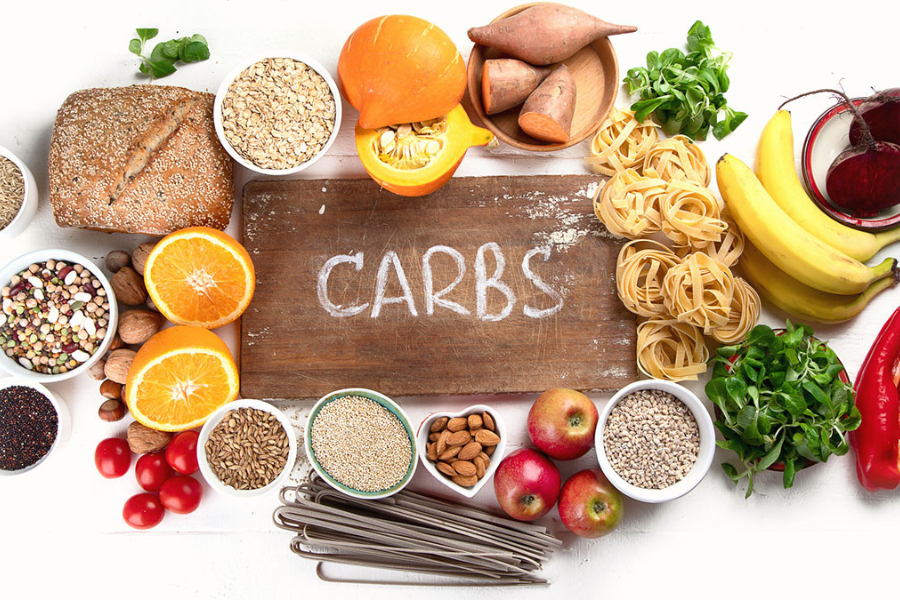
- Carbs mainly from vegetables, some fruit, and possibly modest portions of whole grains or legumes
Research on low carb diets in general shows that when you reduce carbohydrate intake, your appetite often drops on its own. At least 23 studies have found that people tend to eat fewer calories without actively counting them, which supports weight loss naturally (Healthline).
Vegetarian versus vegan low carb
If you eat eggs and dairy, going low carb is simpler. Eggs, cheese, yogurt, and paneer are naturally low in carbohydrates but high in protein and fat, and they also supply vitamin B12, which plants do not provide (Healthline).
If you are vegan, very strict low carb can be difficult, but a moderate version is realistic. Experts suggest many vegans do best around 100 to 150 grams of carbs per day, rather than trying to go ultra low. A nutrition tracker like Cronometer can help you balance carbs, protein, and fat in a way that fits your routine (Healthline).
See how a low carb vegetarian diet can support weight loss
If you have tried to lose weight by “eating less” and counting every calorie, you know how tiring that can feel. A low carb vegetarian plan approaches the same goal from a different angle.
Studies on low carb diets show that many people naturally eat less because they feel more satisfied between meals. Appetite tends to decrease, so you are not fighting constant hunger while trying to stay in a calorie deficit (Healthline).
In addition, low carb diets often improve markers like:
- Waist circumference and belly fat
- Triglycerides
- Blood pressure
- Blood sugar and insulin levels (Healthline)
For you, this can translate into looser clothes, steadier energy, and fewer blood sugar crashes.
At the same time, there is also strong evidence that higher carbohydrate, low fat, plant based diets can help with weight and body fat. In a 2021 National Institutes of Health study, adults who followed a low fat, plant based diet that was high in carbohydrates ate 550 to 700 fewer calories per day than when they were on a low carb, animal based diet. They lost weight on both diets, but only the plant based, high carb group lost a significant amount of body fat (NIH).
The takeaway is not that one pattern is “magic” and the other is “bad.” It is that plant forward eating in general can help you manage weight. A low carb vegetarian version simply gives you one more option to align with your preferences and your body’s response.
Explore the health benefits beyond the scale
Weight is only one piece of the picture. If you live with type 2 diabetes, metabolic syndrome, or high blood pressure, the idea of “healthy carbs” versus “too many carbs” can feel confusing.
Low carb diets in general have been shown to improve several important health markers. Research highlights benefits like reduced harmful belly fat, lower triglycerides, higher HDL (good) cholesterol, and improved blood pressure and blood sugar control (Healthline). These improvements are especially helpful if you have obesity, metabolic syndrome, or type 2 diabetes.
A plant focused approach on its own can also make a difference. Vegetarian diets that are based on whole foods, with minimal processing, tend to lower blood sugar and improve insulin sensitivity. This is partly because they are rich in fiber, typically have a lower glycemic index, and replace animal proteins that are high in certain amino acids linked with higher diabetes risk (NCBI).
Randomized clinical trials have found that vegetarian and vegan diets can:
- Reduce systolic and diastolic blood pressure
- Lower total and LDL cholesterol
- Decrease body weight
- Improve HbA1c in people with diabetes (NCBI)
By choosing a low carb vegetarian route, you are combining these benefits. You focus on plants and fiber while still moderating carbs enough to support your blood sugar and appetite.
Know the potential downsides and how to avoid them
Like any restrictive pattern, a very low carb diet can carry risks, especially if it crowds out nutrient rich foods.
When you sharply cut carbohydrates, you often eat fewer fruits, whole grains, and legumes. These foods are major sources of vitamin C, potassium, and dietary fiber, all of which are important for immune and digestive health (Healthy For Life Meals). Long term, an unbalanced low carb approach can lead to:
- Nutrient deficiencies
- Constipation or other digestive issues
- A less diverse gut microbiome
Your brain also depends on a steady supply of glucose. If you push carbs too low for your personal tolerance, you might notice fatigue, irritability, mood swings, or “foggy” thinking. Reduced glucose availability can affect neurotransmitter production, which is one reason very strict low carb does not feel good for everyone (Healthy For Life Meals).
There is another often overlooked issue. Over time, your body can adapt to a prolonged low calorie or low carb pattern by slowing down your metabolism. This metabolic adaptation can make it harder to keep losing weight unless you continue to cut calories or increase exercise intensity, which is not always sustainable (Healthy For Life Meals).
If you are vegetarian or vegan, you also need to pay attention to a few key nutrients regardless of your carb intake:
- Vitamin B12, which you get from fortified foods or supplements if you avoid animal products
- Iron, zinc, and calcium
- Protein, especially during growth, pregnancy, or recovery (NCBI)
The solution is not to avoid low carb entirely, it is to aim for moderation and quality instead of extremes. Think “lower carb and higher fiber” rather than “no carbs at all.”
A sustainable low carb vegetarian diet still includes plenty of vegetables, some fruit, and enough whole plant foods to meet your fiber and micronutrient needs.
Choose the best low carb vegetarian foods
You have many satisfying options when you build a low carb vegetarian plate. The goal is to anchor your meals around protein, healthy fats, and fiber rich, lower carb plants.
Protein rich building blocks
Protein makes a low carb pattern much easier to follow because it helps keep you full. Some standouts include:
- Eggs, about 6 grams of protein and only 0.6 grams of carbs per cooked egg (Camille Styles)
- Paneer, around 21 grams of protein and 3.5 grams of carbs per 3.5 ounce serving, which makes it ideal if you enjoy Indian flavors (Camille Styles)
- Tempeh, a fermented soybean product with about 34 grams of protein and 13 grams of carbs per cup, which works well in stir fries and salads (Camille Styles)
- Halloumi, with about 7 grams of protein and 0 grams of carbs per ounce, perfect for grilling or pan searing (Camille Styles)
- Plain Greek yogurt, cottage cheese, and other unsweetened dairy products
- Tofu and other soy products, which are considered some of the best low carb vegetarian sources of both protein and fat (Arizona Gynecology Consultants)
Nuts and seeds add extra protein and healthy fats. You can sprinkle them over salads or blend them into dressings to make meals more satisfying.
Non starchy vegetables and smart carbs
Vegetables are the foundation of your plate. Focus on non starchy options like:
- Leafy greens
- Broccoli and cauliflower
- Zucchini and eggplant
- Peppers, mushrooms, and asparagus
These provide plenty of volume and fiber for very few carbs.
For additional carbs, you can experiment with:
- Smaller portions of beans or lentils
- Whole grains like quinoa or farro, if they fit your carb goals
- Lower sugar fruits, such as berries
Some low carb vegetarian recipes even turn vegetables into the main attraction. Broccoli “fried rice” is one example, where finely chopped or riced broccoli stands in for rice and is stir fried with other vegetables, nuts, and eggs if you are not vegan. Another option is grilled cauliflower steaks with a rich Romesco sauce. Both make filling meals while keeping carbs relatively low (Arizona Gynecology Consultants).
Decide if a low carb vegetarian diet is right for you
There is no single eating pattern that fits everyone. A low carb diet vegetarian or vegan approach might be a great fit if you:
- Want to lose weight without constant calorie counting
- Prefer plant based foods but feel sluggish on very high carb meals
- Live with type 2 diabetes, metabolic syndrome, or insulin resistance and want better blood sugar control
- Enjoy protein rich vegetarian foods like eggs, dairy, soy, nuts, and seeds
On the other hand, you may want to be cautious with very low carb plans if you:
- Have a history of eating disorders or very restrictive dieting
- Notice mood changes, fatigue, or brain fog when you cut carbs aggressively
- Already struggle with constipation or digestive issues, which can worsen if your fiber intake drops
If you have type 2 diabetes or another medical condition, talk with your healthcare provider before making big changes. Some people see such rapid improvements when they cut carbs that their medication doses need adjustment.
Start with small, realistic changes
You do not have to overhaul your entire way of eating overnight. A few simple steps can help you test how a lower carb vegetarian diet feels in your real life:
- Swap refined carbs for non starchy vegetables at one meal per day. For example, replace white rice with cauliflower rice in a stir fry.
- Add a clear protein source to every meal. This might be eggs at breakfast, tofu at lunch, or paneer, tempeh, or halloumi at dinner.
- Reduce sugary drinks and snacks first. These changes alone can significantly drop your daily carb intake.
- Track your meals for a week using a nutrition app. Aim for a moderate carb range that feels comfortable instead of chasing the lowest possible number.
- Pay attention to how you feel. Notice your hunger, energy, sleep, and mood. Use those signals to fine tune your carb level rather than following someone else’s target.
With time, you can decide whether you want to stay moderately low carb, move closer to a higher carb, whole food plant based style, or land somewhere in between. The most important thing is that your approach feels sustainable, satisfying, and supportive of your long term health.
You do not need to choose between being vegetarian and trying low carb. You can combine them in a way that fits your body, your ethics, and your everyday routine, and that combination might genuinely change how you feel from the moment you wake up to the moment you go to sleep.
About the Author