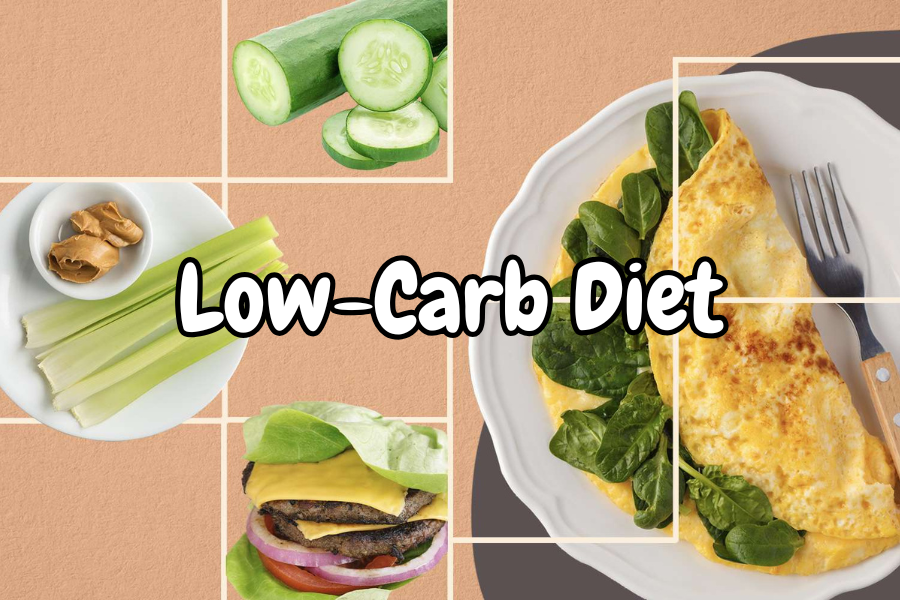
A low carb diet meal prep routine can take a lot of stress out of eating well. Instead of scrambling at 6 p.m. and ending up with takeout, you have balanced, low carb meals ready to heat and eat. With a bit of planning, you can save time during the week, support your health goals, and still enjoy food that tastes good.
Below, you will find simple, realistic low carb meal prep ideas you can follow even if you are busy or new to this way of eating.
Understand what “low carb” really means
Before you plan low carb diet meal prep, it helps to know what you are aiming for. Low carb does not mean zero carb. It usually means limiting or avoiding high carb foods like bread, pasta, sugary snacks, and juice, and focusing on protein, healthy fats, and non starchy vegetables instead.
Many low carb meals sit around 15 grams of carbs or less per serving, which is a common guideline in low carb recipes (Food Network). Daily carb intake on low carb diets can range from about 20 to 130 grams, depending on your goals and preferences (Healthline).
You will also see the term “net carbs.” This is total carbs minus fiber, since fiber is not digested and does not spike blood sugar. Counting net carbs can give you more flexibility with high fiber foods like vegetables and berries (Healthline).
Stock your kitchen with low carb basics
Meal prep is easier when your kitchen is already set up for low carb cooking. A few staple ingredients can turn into many different breakfasts, lunches, and dinners.
Focus on three pillars: protein, low carb produce, and healthy fats.
- Protein: eggs, chicken, turkey, lean beef, pork, fish, shrimp, canned tuna
- Low carb vegetables: leafy greens, broccoli, cauliflower, zucchini, mushrooms, bell peppers, fennel, cabbage
- Healthy fats: avocado, olive oil, nuts and seeds
These staples keep you full and satisfied, which is key when you are cutting back on carbs (2 Guys With Knives).
At the same time, you will want to limit or skip high carb items that can quickly eat up your daily allowance. That usually includes bread, pasta, rice, sugary cereals, juice, most packaged snacks, and starchy vegetables like potatoes and sweet potatoes (Healthline, LowCarb Avenue).
Use a weekly low carb prep “power hour”
You do not need to spend all Sunday cooking. A focused 60 to 120 minute prep session can cover most of your week.
One approach, outlined by The Kitchn, shows how two adults can prepare low carb breakfasts, lunches, and dinners for the entire workweek in about 2 hours (The Kitchn). The key moves in that style of plan are:
- Start with the tasks that take the longest, such as baking a large egg casserole or simmering a pot of chili
- Use oven time to chop vegetables, mix salads, and cook quick items on the stove
- Prep full meals that can be reheated and assembled on weeknights with almost no cooking
You can borrow that structure and adapt it to your taste. Block off an hour, choose 1 breakfast, 1 or 2 lunches, and 2 or 3 dinners, and batch cook them in sequence.
Think of your “power hour” as a production line: while one thing bakes, another simmers, and you chop the ingredients for the next recipe.
Start with simple low carb recipes
If you are new to low carb meal prep, keep the recipes very simple. It is easier to stay consistent when you are grilling chicken or roasting a tray of vegetables than when you are juggling five sauces and specialty ingredients.
Ideas that work well in bulk include grilled chicken, stir fried vegetables, and omelets packed with greens (2 Guys With Knives). You can season them in different ways through the week so meals do not feel repetitive.
You might also experiment with low carb “bases” like cauliflower rice. A basic recipe for cauliflower rice cuts carb content to about one quarter of regular rice, and it can be used under stir fries, curries, or burrito style bowls (Food Network).
Build a low carb breakfast you can grab and go
Breakfast often makes or breaks your day. A low carb meal prep breakfast should be easy to reheat, high in protein, and contain some vegetables and healthy fat.
A veggie egg casserole is one good option. The Kitchn recommends a hearty egg bake loaded with vegetables, paired with sliced avocado, that can last two adults through Friday (The Kitchn). You bake once, slice into squares, and store portions in the fridge.
You could also try egg and veggie muffins baked in a muffin tin. These individual portions reheat quickly and freeze well, and they fit into a high protein, low carb plan (Berry Street).
Round out breakfast with:
- Sliced avocado or a small handful of nuts for healthy fats
- A side of berries for fiber and vitamins, while still keeping carbs relatively low (Food Network, LowCarb Avenue)
Prep high protein, low carb lunches
For lunch, you will feel your best with meals that combine lean protein, plenty of vegetables, and some healthy fat. This combination helps maintain steady energy and limits afternoon cravings (Berry Street).
Some low carb lunch prep ideas that hold up well in the fridge include:
- Tuna salad in lettuce cups or over a salad of arugula and fennel with hard boiled eggs, a combination used in The Kitchn’s weekly low carb plan (The Kitchn)
- Cauliflower rice bowls topped with grilled chicken, shrimp, or salmon, plus roasted vegetables and a drizzle of olive oil or vinaigrette (Berry Street)
- Turkey taco lettuce wraps with seasoned ground turkey, shredded cheese, salsa, and avocado
- An “egg roll in a bowl” using ground pork or turkey, cabbage, and carrots for a takeout style flavor in a skillet meal (Berry Street)
Most of these meals stay fresh 3 to 4 days in the refrigerator, which makes them ideal for Monday through Thursday lunches (Berry Street).
When you pack salads, keep dressings separate until you are ready to eat. Either choose a low sugar dressing or whisk your own vinaigrette with extra virgin olive oil and vinegar. Store bought “fat free” dressings often contain more sugar than you would expect, so they are worth double checking on a low carb plan (Healthline).
Plan hearty low carb dinners
Your low carb dinners can be just as comforting and satisfying as your usual meals, without the heavy starches. The trick is to keep the structure of a familiar dinner, such as “protein plus vegetables plus sauce,” and tweak the ingredients.
The Kitchn’s low carb meal prep week uses two main dinner themes, both of which you can adapt:
- Chicken taco chili served with a side salad of arugula and fennel on some nights
- Beef and broccoli “Buddha bowls” inspired by takeout, built over a bed of greens (The Kitchn)
You might also rotate in:
- Chicken and broccoli casserole baked once and reheated through the week
- Shrimp with zucchini noodles in place of pasta
- Turkey spinach meatballs that you can freeze and reheat for quick skillet meals (Berry Street)
If you prefer simple sheet pan dinners, use marinated chicken thighs cooked in a loaf pan or roasting tray, which creates a juicy slab that can be sliced for wraps, bowls, or salads across several nights (Food Network).
Keep carbs low without feeling restricted
You do not need to avoid every carb forever. Instead, focus on limiting the big sources that spike blood sugar and leave you hungry again soon after.
Some guidelines while you plan and prep:
- Skip refined grains like white bread, regular pasta, bagels, and most crackers
- Leave starchy vegetables, such as potatoes, sweet potatoes, and beets, for occasional treats, and treat them as you would dessert on a stricter low carb phase (LowCarb Avenue)
- Choose berries and citrus when you want fruit, and keep portions of high sugar tropical fruit small or infrequent
- Watch for hidden sugars in flavored yogurts, granola bars, and “diet” snacks. Look for fewer than about 5 grams of net carbs per serving and no added sugars or syrups (LowCarb Avenue)
Drinks matter too. Sugary sodas, juice, sweetened tea, and energy drinks can hold more sugar than a dessert. For a low carb routine, stick with water, sparkling water with no added sugar, herbal tea, black coffee, or smoothies made with unsweetened almond milk and low sugar fruits such as berries (LowCarb Avenue).
Batch cook and portion for success
Your low carb diet meal prep will be more effective when you batch cook and portion your meals ahead of time. This removes a lot of the daily decision making that can derail your plan.
A simple routine looks like this:
- Choose 2 proteins for the week, such as chicken thighs and ground turkey
- Roast or grill all of the protein at once
- Roast a big tray of mixed low carb vegetables, like broccoli, cauliflower, zucchini, and bell peppers
- Cook one low carb base, such as cauliflower rice
- Assemble meals into individual containers so they are ready to grab and go
Batch cooking proteins and vegetables in this way saves time and provides ready meals for several days (2 Guys With Knives).
Portioning your meals into single servings is also a quiet but powerful tool. Having your food already divided helps you avoid overeating and aligns your actual intake with your goals. If you prefer extra support, you can also rely on pre portioned low carb meals from a service that tracks macros for you (2 Guys With Knives).
Most high protein, low carb meals stay fresh for 3 to 4 days in the refrigerator, and casseroles or baked meats often last up to 5 days. If food seems a bit dry when reheated, add a spoonful of broth, sauce, or olive oil to bring back moisture and flavor (Berry Street).
Put your low carb plan into action
To get started without overwhelm, pick one small change you can make this week instead of trying to overhaul every meal at once. You might:
- Prep a veggie egg casserole for breakfasts
- Make a batch of tuna salad and lettuce cups for lunches
- Roast a tray of chicken and vegetables to cover two or three dinners
Once that feels easy, you can build from there, adding new recipes or a dedicated weekly “power hour” to handle your full low carb diet meal prep. Over time, your fridge will start to work for you, and sticking to a low carb way of eating will feel less like a project and more like a habit.
About the Author