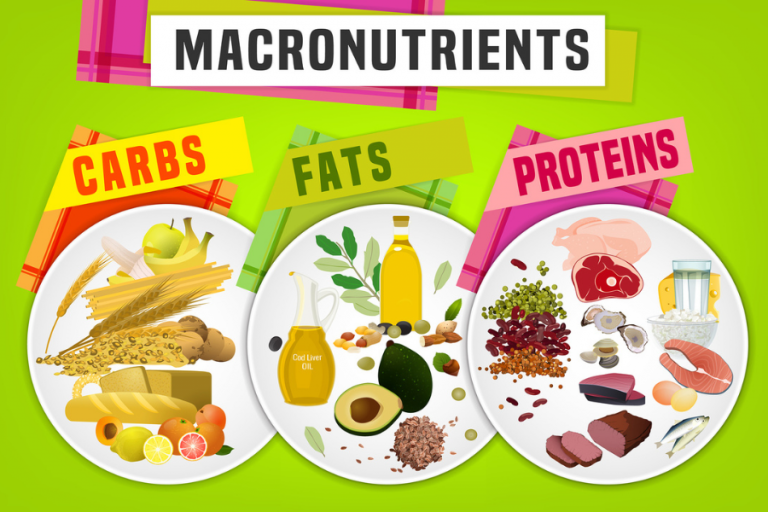
Low carb diet and diabetes might sound like a complicated combo, but it really comes down to one idea: when you eat fewer carbohydrates, your blood sugar has less reason to spike. From there, many of the other benefits, like weight loss and needing less medication, can follow if you find an approach you can stick with.
Below, you will see what the research actually says, what “low carb” really means day to day, and how you can decide if this way of eating fits your life and your health goals.
Understand how carbs affect your blood sugar
Carbohydrates break down into glucose, which raises your blood sugar. If you live with type 2 diabetes or prediabetes, your body does not handle that glucose as efficiently, so your levels stay higher for longer. A low carb diet simply lowers the amount of glucose your body has to deal with.
Several studies and reviews have found that low carb and ketogenic diets can:
- Lower HbA1c and fasting blood sugar
- Support weight loss and lower BMI
- Reduce blood pressure and triglycerides
- Cut down the need for diabetes and blood pressure medications
A 2025 systematic review that followed people for up to eight years found that low carb and keto diets led to significant reductions in HbA1c, weight, BMI, and systolic blood pressure in adults with type 2 diabetes, and many people were able to reduce their medications over time (PubMed).
You also see short term benefits. A 2021 meta analysis reported that a low carb diet, less than 26 percent of calories from carbs, was more likely than other diets to bring A1C below 6.5 percent or fasting glucose under 126 mg/dL at six months in people with type 2 diabetes (American Academy of Family Physicians).
These results are encouraging, but they tell only part of the story. How strict you go and how long you can maintain the changes matter just as much as the numbers at six months.
Know what “low carb” really means
“Low carb” can cover several levels of restriction. Understanding the ranges helps you decide what is realistic for you.
Common low carb ranges
You might see the following categories used in research and in practice:
-
Very low carb or ketogenic: usually less than 10 percent of calories from carbs or under about 20 to 30 grams per day. These diets often lead to ketosis, where your body burns fat for fuel instead of glucose. Several studies show strong short term improvements in blood sugar and weight with this approach, but it can be harder to maintain and may affect LDL cholesterol in some people (Healthline, Stanford Medicine).
-
Low carb (non keto): usually less than 130 grams of carbs per day or under 26 percent of total calories. Diabetes UK notes that this level can help people with type 2 diabetes manage weight, blood sugar, and heart disease risk in the short term (Diabetes UK).
-
Moderately reduced carb: around 30 to 40 percent of calories from carbs, often paired with more protein and healthy fats. A 2023 trial that asked participants to keep carbs below 40 grams per day at first and below 60 grams later saw A1C and fasting glucose fall, along with an average 13 pound weight loss over six months (Harvard Health Publishing).
You do not have to aim for the most extreme version to see benefits. Even cutting back on refined carbs and added sugars while choosing more whole food carbs can make a noticeable difference.
Explore the benefits for type 2 diabetes
When you combine low carb eating with movement, good sleep, and regular medical follow up, you give yourself several advantages in managing type 2 diabetes.
Better blood sugar control and possible remission
Multiple reviews and trials show that low carb patterns often lower A1C and fasting glucose more than higher carb diets in the first six to twelve months (American Academy of Family Physicians, Diabetes Therapy). In a meta analysis of 23 small randomized trials, an additional 32 out of 100 people achieved diabetes remission at six months on a low carb diet, with a number needed to treat of 4 (American Academy of Family Physicians).
In the longer term, the 2025 systematic review found that remission rates were highest at one year, up to 62 percent, and then gradually declined to about 13 percent by five years (PubMed). That drop reflects a key point. Lower carb eating can help you get to remission, but staying there relies on ongoing habits.
Weight loss and less insulin resistance
Low carb diets can make weight loss easier for many people because they naturally reduce calorie intake and can help you feel fuller from protein and fat. Across randomized trials between 2010 and 2015, weight loss on low carb diets ranged from about 1.7 to 12 kilograms (Diabetes Therapy).
Interestingly, control groups on higher carb, calorie restricted diets often lost a similar amount of weight, which shows that weight loss itself is powerful for improving diabetes, regardless of carb percentage. Diabetes UK points out that losing around 15 kilograms within three to five months, especially in the first six years after diagnosis, significantly raises your chances of putting type 2 diabetes into remission, and a low carb diet is one way to achieve that (Diabetes UK).
Reduced need for medication
When your blood sugar drops, your medication needs often change. In one study summarized by Healthline, 17 out of 21 people with type 2 diabetes could stop or reduce medication when limiting carbs to 20 grams per day, though this required close medical supervision due to the risk of low blood sugar (Healthline).
The 2025 systematic review also found that people on low carb and keto diets often needed fewer glucose lowering and blood pressure medications during follow up that lasted up to eight years (PubMed).
If you are currently on insulin or drugs that can cause hypoglycemia, such as sulfonylureas, you should always talk with your healthcare team before cutting carbs. Diabetes UK stresses that medication adjustments are frequently necessary to avoid dangerous lows (Diabetes UK).
Consider the limits and long term picture
Low carb diets come with trade offs. Knowing them can help you plan a version that feels realistic and safe.
Short term gains, mixed long term results
When you look beyond the first year or two, low carb diets do not always outperform higher carb plans that are also focused on weight loss and whole foods. A review of eight randomized trials between 2010 and 2015 found that while some low carb groups had better A1C reductions early on, there was no consistent long term difference in glycemic control compared with higher carb diets up to 24 months (Diabetes Therapy).
Cardiovascular markers like lipids and blood pressure usually improved in both groups, with only occasional extra benefits in the low carb groups, such as bigger drops in triglycerides. No clear heart health advantage emerged overall (Diabetes Therapy).
Major organizations, including Diabetes UK and the American Diabetes Association, now recommend individualized eating patterns that emphasize unprocessed carbs such as whole grains, fruits, and vegetables. They see low carb diets as one valid option, especially in the short term, but not as the default choice for everyone because long term superiority and safety are still uncertain (Diabetes Therapy, Healthline).
Sustainability and quality of food choices
You can eat low carb in many ways. Quality counts at least as much as quantity.
A Stanford study compared a strict ketogenic diet to a more flexible Mediterranean style, lower carb pattern in adults with type 2 diabetes or prediabetes. Both diets improved blood sugar and led to weight loss, with A1C dropping 9 percent on keto and 7 percent on the Mediterranean diet. However, participants found the Mediterranean style easier to stick with, mainly because it allowed legumes, fruit, and whole grains, and provided more fiber and vitamins (Stanford Medicine).
The same study reported that the keto diet increased LDL cholesterol, while the Mediterranean diet lowered it, although both reduced triglycerides. Three months after the trial ended, most participants were eating closer to a Mediterranean pattern, yet they maintained improved blood sugar and weight (Stanford Medicine).
If you choose a low carb path that focuses heavily on animal fats and protein while cutting out whole grains and most plant foods, you may change your long term risk in an unwanted direction. A large analysis of over 200,000 adults found that animal based low carb diets were linked to a higher risk of type 2 diabetes. In contrast, plant based lower carb patterns were tied to a lower risk, especially when people limited sugar and refined carbs (American Heart Association News).
The lesson here is that a plant forward, nutrient dense low carb plan is likely safer and more protective than a meat heavy, low fiber one.
Think of your low carb diet as an upgrade in food quality first, and a reduction in grams of carbohydrate second.
Tailor low carb to your situation
Your health history, medications, and type of diabetes all influence how low carb eating might work for you.
Type 2 diabetes and prediabetes
If you have type 2 diabetes or prediabetes, you are in the group with the strongest evidence for benefit. Research shows that low carb eating can reduce your risk of progressing from prediabetes to diabetes and may bring type 2 into remission, especially when weight loss is significant and relatively rapid (Harvard Health Publishing, Diabetes UK).
You might choose:
- A very low carb period to jump start weight loss and blood sugar changes, followed by a shift to a more moderate, Mediterranean style low carb pattern.
- A straightforward low carb approach around 80 to 120 grams of carbs per day, focused on cutting sugars, white flour, and ultra processed foods.
In either case, regular monitoring of your blood sugar and A1C helps you and your healthcare team adjust medications and refine your targets.
Type 1 diabetes
For type 1 diabetes, the picture is very different. Diabetes UK notes that there is no strong evidence for the safety or benefit of low carb diets in people with type 1. Instead, careful carbohydrate counting is usually recommended to match insulin doses to what you eat (Diabetes UK).
If you live with type 1 and are considering lowering your carb intake, you should not do this on your own. Work closely with your diabetes care team, since both hypoglycemia and ketoacidosis are serious risks if insulin and carb intake are not balanced properly.
Medications and medical supervision
Any big drop in carb intake increases the risk of low blood sugar if you stay on the same medication doses you were taking on a higher carb diet. This is particularly true if you use:
- Insulin
- Sulfonylureas
- Certain combination pills
Diabetes UK and other organizations strongly advise talking with your doctor, diabetes nurse, or dietitian before starting a low carb plan if you use these medications, so that doses can be safely reduced and monitored (Diabetes UK).
Start low carb in a practical, sustainable way
You do not need a perfect plan to begin. A few simple shifts can move you toward a lower carb pattern that fits your preferences and budget.
Focus on the carbs you cut first
You will often see the biggest benefit from reducing the least nutritious carbs:
- Sugary drinks, including juice
- Sweets, pastries, and desserts
- White bread, white rice, regular pasta
- Many packaged snacks with added sugar and refined flour
Replacing these with water, unsweetened tea, non starchy vegetables, lean proteins, and some whole grains and fruit can already reduce your daily carb load and blunt blood sugar spikes.
A large study found that people who kept carbs relatively low while emphasizing plant based proteins and fats and minimizing sugar and refined carbs had a lower risk of developing type 2 diabetes (American Heart Association News).
Build meals around protein, fiber, and healthy fat
When you lower carbs, you will feel better if you pay attention to what you add, not just what you remove. Aim for each meal to include:
- Protein, such as eggs, fish, greek yogurt, tofu, beans if your carb allowance allows, or lean meats
- High fiber vegetables, like leafy greens, broccoli, cauliflower, peppers, or zucchini
- Healthy fats, such as olive oil, avocado, nuts, or seeds
This combination supports steady energy and helps control appetite, which makes it easier to maintain your eating pattern over time.
Expect and manage early side effects
Low carb diets can cause short term side effects, such as constipation, bad breath, or fatigue. Diabetes UK explains that these are usually not harmful in the long run. You can often reduce them by drinking enough water, getting sufficient electrolytes, and choosing healthy high fiber carb sources within your limit (Diabetes UK).
If you notice dizziness, confusion, or shakiness, especially if you are on blood sugar lowering medications, check your glucose levels and contact your healthcare provider, since these may be signs of hypoglycemia.
Pulling it all together
Low carb diet and diabetes strategies work best when they are personal and flexible. The research shows that:
- Lowering carbohydrate intake can improve A1C, fasting glucose, weight, blood pressure, and medication needs in type 2 diabetes, especially in the first year or so (PubMed, American Academy of Family Physicians).
- Very strict low carb or keto diets may deliver faster results, but more moderate, Mediterranean style low carb patterns are often easier to continue and may be kinder to your cholesterol levels (Stanford Medicine).
- Plant focused, minimally processed foods help reduce the risk of developing type 2 diabetes more than simply cutting carb grams without regard to quality (American Heart Association News).
Your next step can be small. You might start by cutting sugary drinks for two weeks, tracking how your blood sugar responds, then gradually adjust starchy foods at meals. Along the way, keep your healthcare team in the loop, especially if you take medications that can cause low blood sugar.
You have options. With a thoughtful low carb approach that matches your tastes and lifestyle, you can take a more active role in managing your diabetes and improving your long term health.
About the Author