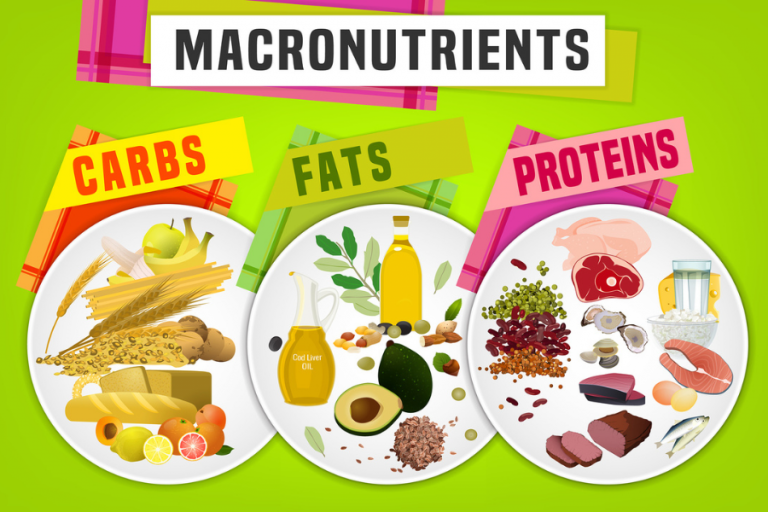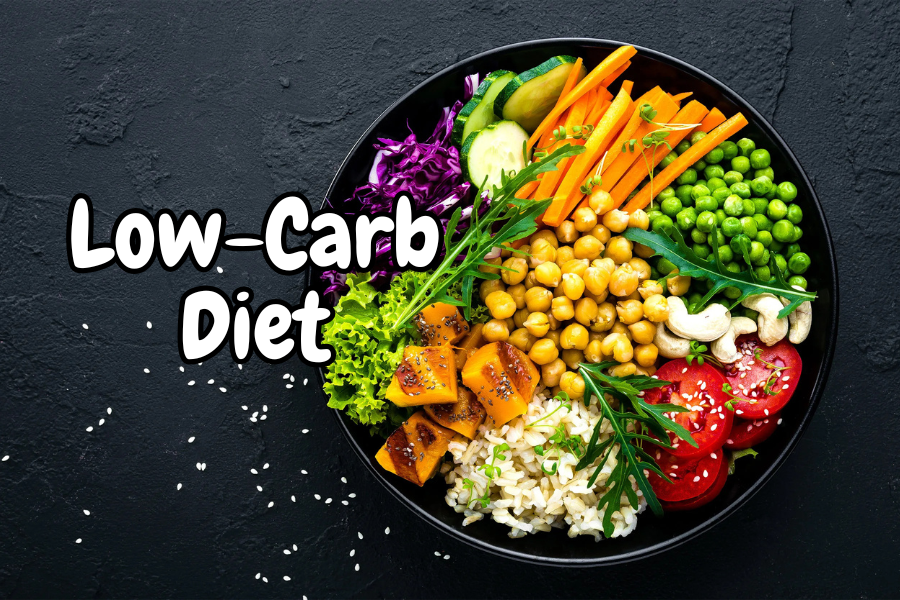
A low carb diet can be one of the simplest ways to lose weight, steady your energy, and improve key health markers like blood sugar and triglycerides. Instead of counting every calorie, you focus on reducing carbohydrates and building meals around protein, healthy fats, and low carb vegetables.
Below, you will learn how a smart low carb diet plan works, what you can realistically expect, and how to put simple meals together that fit your life.
Understand what a low carb diet actually is
A low carb diet is not about cutting all carbs forever. It is about reducing them to a level that helps your body use stored fat for energy while still giving you enough nutrients to stay healthy.
According to the Mayo Clinic, many low carb diets limit carbs to around 20 to 57 grams per day, which is much lower than the usual recommendation of getting 45% to 65% of your daily calories from carbs (Mayo Clinic). Other organizations, such as the Obesity Medicine Association, describe a general low carb diet as under 100 grams per day and a stricter ketogenic diet as 20 to 50 grams per day (Obesity Medicine Association).
In practice, your low carb diet will usually:
- Limit bread, pasta, rice, sugary drinks, sweets, and most baked goods
- Cut back on starchy vegetables like potatoes and corn
- Emphasize meat, fish, eggs, dairy, healthy fats, and non starchy vegetables
You can still include some fruit, nuts, and higher fiber carbs, especially if you are not aiming for a strict ketogenic level of carb intake.
Know the potential benefits and limits
You may be considering a low carb diet to lose weight or manage blood sugar. Research supports several benefits when you lower your carb intake and focus on whole foods.
Studies show that low carb and ketogenic diets often reduce appetite automatically, which means you may eat fewer calories without feeling as hungry (Healthline). This can make it easier to stick with your plan.
Weight loss and fat loss
Low carb diets typically lead to faster short term weight loss than low fat diets, especially in the first few weeks. This early drop is partly due to water loss but also reflects lower insulin levels and increased fat burning (Healthline). Over 6 to 12 months, the difference between diet types tends to shrink, so long term success still depends on consistency and sustainable habits (Mayo Clinic).
Importantly, a significant part of the fat lost on low carb diets comes from visceral fat, which is the deep belly fat linked to inflammation, metabolic disease, and type 2 diabetes (Healthline).
Blood sugar and insulin control
If you are dealing with insulin resistance or type 2 diabetes, lowering your carb intake can have a big impact. Low carb and ketogenic diets are effective at reducing blood sugar and insulin, and in one study, 95% of people with type 2 diabetes were able to reduce or stop their glucose lowering medications within six months on a ketogenic diet (Healthline).
Diabetes UK notes that low carb diets can be safe and effective in the short term for people with type 2 diabetes to manage weight, improve blood glucose, and lower heart disease risk, as long as the diet is well planned and supervised where needed (Diabetes UK).
Heart health markers
High triglycerides and low HDL (good) cholesterol are common risk factors for heart disease. Low carb diets tend to lower triglycerides significantly, while very low fat diets can increase them in some people (Healthline). When your low carb diet is based on healthy fats, lean proteins, and vegetables, studies suggest it may help reduce the risk of type 2 diabetes and heart disease, especially alongside weight loss (Mayo Clinic).
Realistic expectations
A low carb diet is not a magic fix. Most of the long term benefits come from:
- Eating fewer refined carbs and sugary foods
- Naturally reducing total calories as appetite settles
- Losing excess weight and belly fat
- Improving blood sugar control
You still need an overall healthy pattern, enough nutrients, and a level of carb restriction that you can live with for months and years.
Think of your low carb diet as a long term eating style instead of a short term challenge. The best results come from changes you can actually maintain.
Stay aware of risks and side effects
Before you cut carbs, it helps to know what might happen in the first weeks and what to watch over the long term.
A sudden drop in carbohydrate intake can trigger short term side effects sometimes called the “keto flu”. You might notice headache, bad breath, fatigue, muscle weakness, or irritability as your body adapts to using more fat and ketones for fuel (Mayo Clinic). These usually improve within a week or two.
Long term, a very strict low carb pattern that excludes most fruits, legumes, and whole grains can lead to:
- Constipation and digestive issues
- Possible vitamin and mineral deficiencies
- A heavy reliance on animal fats, which may raise LDL cholesterol and increase heart and cancer risk if not balanced with healthier fats (Mayo Clinic)
Northwestern Medicine experts also point out that a traditional ketogenic diet, especially one high in saturated fats, can raise LDL cholesterol within 6 to 8 weeks and may increase the risk of heart attack and stroke if followed long term without medical oversight (Northwestern Medicine).
If you take insulin or medications that increase the risk of low blood sugar, Diabetes UK advises talking with your healthcare team before starting a low carb diet so that your medications can be adjusted safely (Diabetes UK).
Choose the low carb level that fits you
You do not have to jump straight into a strict ketogenic diet. You can match your carb level to your goals, health status, and lifestyle.
Here is a simple way to think about it:
| Goal or situation | Approximate daily carbs | What this typically looks like |
|---|---|---|
| Gentle weight loss, better energy | Under 130 g (Diabetes UK) | Fewer sugary foods and refined grains, more vegetables and protein |
| Moderate low carb | Under 100 g (Obesity Medicine Association) | No sweet drinks, very little bread or pasta, plenty of non starchy vegetables |
| Strict low carb or keto | 20 to 50 g (Obesity Medicine Association) | No grains or sugars, limited fruit, lots of healthy fats and very low carb vegetables |
You can start at a moderate level and adjust based on how you feel, how your weight responds, and any guidance from your healthcare provider.
Build your plate around low carb staples
The simplest way to plan a low carb diet is to decide what your plate should look like at most meals. Then you repeat that pattern with different ingredients.
A basic low carb plate usually includes:
- A source of protein
- A generous serving of low carb vegetables
- Some healthy fats for flavor and fullness
Protein choices
Meat, eggs, and seafood are naturally low in carbohydrates, which makes them easy building blocks for your meals. Healthline notes that most unprocessed meats and fish contain almost no carbs, while organ meats like beef liver contain slightly more and processed meats like bacon may have added sugars so it is important to check labels (Healthline).
Good options include:
- Chicken, turkey, lean beef, pork, lamb
- Salmon, sardines, mackerel, shrimp, and other fish or shellfish
- Eggs in any style
Low carb vegetables and fruits
Most non starchy vegetables are low in carbs and rich in fiber and micronutrients. Leafy greens and cruciferous vegetables like broccoli and cauliflower typically provide only 3 to 9 grams of carbs per 100 grams (Healthline).
You can rely on:
- Leafy greens like spinach, lettuce, kale
- Broccoli, cauliflower, Brussels sprouts, cabbage
- Zucchini, cucumbers, asparagus, mushrooms, radishes, celery
For fruit, smaller portions are usually best. Fruits tend to be higher in carbs, so many low carb diets suggest 1 to 2 pieces per day, focusing on options like berries, kiwi, or citrus. Fatty fruits such as avocado and olives are ideal because they are lower in net carbs and provide beneficial fats (Healthline). The Obesity Medicine Association also highlights berries, melons, kiwi, peaches, clementines, and grapefruit as lower carb fruit choices when used in moderation (Obesity Medicine Association).
Fats and dairy
Fats and oils contain zero carbohydrates, so they fit very well into a low carb diet and help keep you full (Healthline). Choose:
- Olive oil, avocado oil, or canola oil
- Nuts and seeds in modest portions
- Avocado and olives
Full fat dairy can also be part of your plan if you tolerate it. Most plain cheeses, yogurt, and milk contain 2 to 11 grams of carbs per 100 grams, so labels matter, especially if sugar is added (Healthline).
Put together simple low carb meals
Once you know what foods to use, you can mix and match to build a weekly low carb diet plan that you actually want to follow.
The Obesity Medicine Association gives several practical examples that you can adapt (Obesity Medicine Association).
Breakfast ideas
You do not have to eat the same eggs every morning unless you want to. Try:
- Scrambled eggs with spinach and mushrooms cooked in olive oil
- A veggie omelet with cheese and a side of berries
- Greek yogurt (unsweetened) with a small handful of nuts and a few raspberries
Lunch ideas
Keeping lunch light but filling will help you avoid the afternoon energy crash.
You could prepare:
- A lettuce wrap “unwich” with turkey, avocado, tomato, and mustard instead of bread
- A big salad with mixed greens, grilled chicken, olives, cucumbers, and an olive oil vinaigrette
- Leftover steak or chicken served over a bed of roasted broccoli and cauliflower
Dinner ideas
Dinner can still feel hearty without relying on pasta or rice.
Consider:
- Steak with steamed broccoli and a side salad
- Baked salmon with asparagus and lemon butter
- Chicken thighs roasted with zucchini, eggplant, and peppers
If you enjoy rice or potatoes, you can sometimes substitute lower carb versions like riced cauliflower or mashed cauliflower to keep your overall carb intake in check.
Keep your low carb plan sustainable
To turn your low carb diet into a long term habit, you will want to focus on strategies that reduce friction and help you avoid burnout.
Start with these steps:
-
Decide your carb target
Choose a level under 130 grams per day for gentle change or closer to 50 grams if you and your healthcare provider feel a stricter plan is appropriate. -
Plan a simple weekly menu
Repeat breakfasts and lunches to reduce decisions. Rotate a few dinners you enjoy so you are not constantly searching for recipes. -
Grocery shop with a clear list
Stock protein, low carb vegetables, and healthy fats first. Avoid buying large amounts of bread, sugary snacks, or sweet drinks so you are not relying on willpower at home. -
Monitor how you feel
Pay attention to your energy, digestion, mood, and sleep. If you struggle with side effects for more than a couple of weeks, you may need to adjust your carb level or food choices. -
Check in on progress, not perfection
Weight, waist measurements, blood sugar readings, and how your clothes fit can all show you whether your low carb diet is moving you in the right direction. Occasional off plan meals do not erase your overall progress.
If you have type 2 diabetes, high cholesterol, heart disease, kidney issues, or take medications that affect blood sugar, involve your healthcare team before making major changes. Diabetes UK emphasizes that medication doses may need adjustment to keep you safe as your diet and weight change (Diabetes UK).
Bringing it all together
A smart low carb diet plan is less about strict rules and more about giving your body better fuel. You reduce sugars and refined starches, build meals around protein, vegetables, and healthy fats, and choose a carb level that matches your goals.
If you focus on whole foods, keep an eye on how you feel, and work with your healthcare provider when needed, a low carb diet can be a powerful tool to help you lose weight, improve blood sugar, and support your long term health. Start with one meal today, perhaps by swapping a sugary breakfast for eggs and vegetables, and let that small change set the tone for your new way of eating.
About the Author