A keto diet can be a powerful tool for weight loss, but it works best when you understand exactly how it helps your body burn fat and what can get in the way of your results. With the right keto diet weight loss strategies, you can sidestep common mistakes, feel better during the transition, and actually stick with the plan long enough to see real changes.
Below, you will find practical tips that focus on science, not hype, so you can decide if keto is a good fit and how to approach it wisely.
Understand how keto weight loss really works
To get the most from a ketogenic diet, you first need a clear picture of what is happening in your body.
A classic keto diet is very low in carbohydrates, typically less than 50 grams per day, high in fat, and moderate in protein. Most people aim for around 70 to 80 percent of calories from fat, 10 to 20 percent from protein, and only 5 to 10 percent from carbs (Harvard T.H. Chan School of Public Health, EatingWell). This shift encourages your body to enter ketosis, a metabolic state where you burn fat for fuel instead of glucose (Cleveland Clinic).
When you restrict carbs, your body uses up stored glycogen in your muscles and liver. Glycogen holds water, so you lose water weight rapidly in the first week or so. That is why you might see the scale drop 2 to 10 pounds at the beginning, even though most of that is water, not fat (Healthline, KetoKeto).
Real fat loss happens more slowly. Over time, your body starts breaking down stored fat into ketone bodies for energy, which can help you lose fat while preserving lean muscle mass (Cleveland Clinic). That process works best when your overall calorie intake still creates a modest deficit.
Set realistic expectations for the scale
It is easy to be encouraged by the early drop in weight on keto, but you will have a better experience if you know what to expect over several months.
Short term, studies of 12 weeks or less show that a ketogenic diet can lead to meaningful weight loss and improvements in markers like insulin resistance, blood pressure, and cholesterol (Harvard T.H. Chan School of Public Health). In the first week, losing 2 to 10 pounds is common, mostly from water (Healthline, KetoKeto).
Once your body has adjusted to ketosis, fat loss tends to settle into a slower, more sustainable pace. Many people see about 1 to 2 pounds of fat loss per week between weeks 2 and 12 as long as they maintain an appropriate calorie deficit (Healthline, KetoKeto). After three months, weight loss often slows to 1 to 2 pounds every couple of weeks as you approach your goal weight (KetoKeto).
In the long run, keto is not automatically superior to other weight loss diets. Over a year or more, overall weight loss from keto tends to be similar to conventional calorie reduced diets, which means consistency matters more than the exact diet name on paper (Harvard T.H. Chan School of Public Health).
Choose the right version of keto for you
You do not have to follow the strictest form of keto to see benefits. Several approaches exist, and finding the one you can stick with will do more for your weight loss than chasing the most extreme plan.
The classic ketogenic diet is the most restrictive and the most studied. It allows very few carbs and precisely limits protein, which can make it hard to maintain without medical supervision. Modified keto diets raise protein and carb allowances slightly, which may feel more manageable, especially if you are active. The Modified Atkins Diet is even more flexible, with no specific protein limit, and is considered the most user friendly (UC Davis Health).
You might also hear about cyclical or targeted keto. These versions add carbs around workouts or on specific days. They are popular with athletes, but if your primary goal is steady weight loss, a simple, consistent low carb pattern is usually easier to follow.
Whichever version you choose, the key is staying low enough in carbs to reach ketosis, which usually means staying under about 50 grams of carbs a day, and sometimes closer to 20 to 30 grams, depending on your body and activity level (Cleveland Clinic).
Eat foods that support fat loss and fullness
You will feel better and lose weight more reliably on keto if you choose foods that help you stay full, protect your health, and keep your macros in balance.
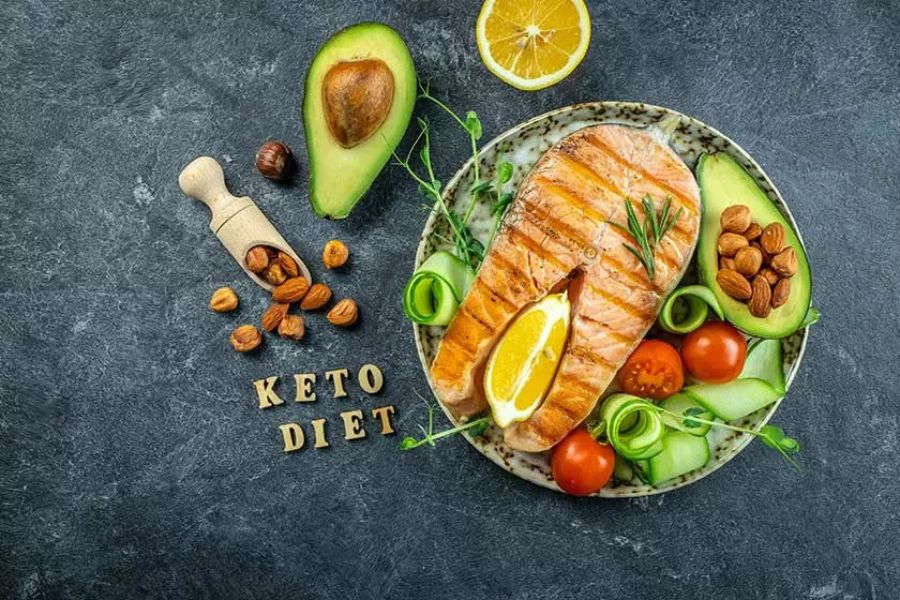
High quality fats are essential since they make up most of your calories. While keto technically allows many high fat foods, you are better off focusing on healthier fat sources such as olive oil, avocado, nuts, seeds, and fatty fish. Experts recommend these options to support heart health, even if you also enjoy some cheese or red meat (Northwestern Medicine, EatingWell).
Protein helps maintain muscle while you lose fat and also keeps you satisfied. Eggs are a keto staple, with less than 1 gram of carbs and about 6 grams of protein each, and they trigger hormones that promote fullness (Healthline). Plain Greek yogurt and cottage cheese can also fit into a keto plan in moderation and have been shown to reduce appetite and help you feel full longer (Healthline, EatingWell).
Fiber rich low carb foods are just as important. Nuts and seeds provide both fat and fiber, which can help you eat fewer calories naturally and may lower risk factors for chronic disease (Healthline). Non starchy vegetables like leafy greens, broccoli, zucchini, and cauliflower add volume and nutrients without many carbs. Some people also enjoy shirataki noodles, which contain less than 1 gram of net carbs and can slow digestion and reduce hunger (Healthline).
Manage calories even while in ketosis
One of the biggest myths about keto is that you can eat unlimited calories as long as you stay low carb. Ketosis helps your body use fat more efficiently, and it can naturally reduce your appetite, but basic energy balance still applies.
Research suggests that long term fat loss on keto depends on maintaining a calorie deficit of about 500 to 750 calories per day, which leads to a loss of around 1 to 1.5 pounds per week (Healthline). The advantage of keto is that high fat and moderate protein meals often keep you full with fewer cravings, so you may find it easier to stop eating when you are satisfied.
To keep your calories in a helpful range, you can:
- Track your portions for a few weeks using a food diary or app so you see where your calories come from
- Prioritize whole foods over keto treats and packaged snacks
- Adjust your fat portions if your weight loss stalls for several weeks
Over time, you may not need to track every gram, but starting with a clear picture of your intake can prevent frustration.
Prepare for the first weeks of keto
The first one to two weeks of keto are usually the hardest because your body is adapting to a new fuel source. You might experience what many call the “keto flu,” a cluster of symptoms like fatigue, irritability, headaches, nausea, constipation, and mental fog (Harvard T.H. Chan School of Public Health, Northwestern Medicine, EatingWell). These usually ease as your body adjusts, especially if you plan ahead.
You can ease the transition by staying hydrated, adding electrolytes like sodium, potassium, and magnesium, and gradually lowering carbs over several days instead of cutting them overnight. Including plenty of low carb vegetables and some fiber rich foods also helps keep digestion regular.
Remember that when you first start, increased urination is normal because glycogen stores are being depleted and releasing water. Each gram of glycogen is stored with roughly three grams of water, which is why that early weight loss can feel so dramatic (Healthline).
Watch for health risks and nutrient gaps
Although keto can have benefits, especially if you have struggled to lose weight with other methods, it is not risk free or ideal for everyone.
Very low carb diets can lead to nutrient deficiencies if you skimp on vegetables, low sugar fruits, legumes, and whole grains for long periods (Harvard T.H. Chan School of Public Health, Northwestern Medicine, EatingWell). Over time, this can affect your gut health, digestion, and overall well being. Long term keto has also been linked to a higher risk of kidney stones, osteoporosis, and increased uric acid levels in some people (Harvard T.H. Chan School of Public Health).
Cholesterol levels may change as you increase dietary fat, so regular blood work is important, particularly if you have a history of heart disease. Medical centers that use keto therapeutically recommend monitoring labs and considering vitamin and mineral supplements to fill any gaps (UC Davis Health).
Because your genetic makeup, medical history, and body composition all influence how you respond to keto, it is wise to talk with your physician and, ideally, a registered dietitian before you start. They can help you design a keto plan that fits your health needs and guide you through reintroducing carbs later on if you choose to transition off keto (Harvard T.H. Chan School of Public Health).
If you have diabetes, kidney disease, a history of eating disorders, or use medications that affect blood sugar or blood pressure, professional guidance is especially important before trying keto.
Focus on long term habits, not quick fixes
Keto began in the 1920s as a medical treatment for epilepsy, and its weight loss effects are really a side benefit when the diet is followed consistently over time (UC Davis Health). Today, it is popular as a fast weight loss strategy, but the real challenge is what happens after the first few months.
Studies suggest that once people stop the keto diet and return to previous eating patterns, they often regain at least half of the weight they lost, which is similar to what happens with many restrictive diets (Northwestern Medicine). This is why building sustainable habits matters more than hitting a temporary number on the scale.
To protect your results, you can:
- Use keto as a structured starting point to reduce sugar and refined carbs
- Plan a gradual transition to a balanced, higher carb pattern if strict keto does not feel sustainable
- Keep focusing on whole foods, mindful portions, and regular movement no matter how you adjust your macros
If you enjoy the way you feel on a low carb plan and your health markers look good, you may choose to stay keto long term with medical oversight. If not, you can still use what you learned about your hunger cues and food quality to support lasting weight management.
Key takeaways for keto diet weight loss
If you want to use a keto diet for weight loss, your best results will come from a practical, informed approach rather than extremes. Here is what to remember as you get started:
- Ketosis helps your body burn fat, but calories and consistency still control long term weight loss
- Most of the initial drop on the scale is water, and steady fat loss usually averages 1 to 2 pounds per week
- Healthy fats, adequate protein, and fiber rich low carb foods make keto more filling and sustainable
- Side effects like keto flu are common early on, but careful planning, hydration, and electrolytes can ease the adjustment
- Long term success depends on monitoring your health, addressing nutrient gaps, and building habits you can maintain
You do not have to change everything at once. You can start by lowering obvious sugars and refined carbs, adding one extra serving of low carb vegetables, or swapping in a higher protein, lower carb breakfast. As those small changes become routine, you can decide whether a full ketogenic diet is the right next step for your weight loss and your health.
About the Author