A keto diet plan can feel confusing at first. You hear about rapid weight loss, steady energy, and better blood sugar, but you also hear about keto flu, high fat intake, and strict carb limits. When you understand how a ketogenic diet actually works, you can decide if it fits your body, your lifestyle, and your goals.
Below, you will walk through what keto is, what you eat in a typical keto diet plan, the benefits and risks, and how to get started in a practical, sustainable way.
Understand what a keto diet plan is
A keto diet plan is a very low carbohydrate, high fat, moderate protein way of eating that is designed to put your body into ketosis. In ketosis, you burn mostly fat for energy instead of carbs, and your liver produces ketones that your cells use as fuel. This shift in metabolism is what gives keto its unique effects on weight, blood sugar, and appetite. (Healthline)
To reach and stay in ketosis, you usually keep your daily carbs very low. Most standard ketogenic diet plans limit you to about 20 to 50 grams of net carbs per day. Net carbs are total carbs minus fiber. The rest of your calories mainly come from fat, with enough protein to maintain your muscles. Typical keto macros break down to around 70 to 80 percent of calories from fat, 10 to 20 percent from protein, and only 5 to 10 percent from carbohydrates. (Everyday Health)
A brief history of keto
Keto is not a new fad. It was first developed in the 1920s as a medical therapy for children with drug resistant epilepsy. Doctors noticed that when these children followed a strict high fat, very low carb diet, their seizures often decreased. The ketogenic diet is still used today for pediatric seizure control when medications alone are not enough. (UC Davis Health)
More recently, keto has become popular as a weight loss and blood sugar management tool for adults. That is where most people encounter the term keto diet plan today.
Learn the main types of keto plans
You will see several variations of keto diet plans, and the one you follow affects how strict your carb and fat limits are.
Common versions include:
- Classic ketogenic diet
- Standard ketogenic diet (SKD)
- Modified ketogenic diet
- Modified Atkins diet
The classic ketogenic diet is the strictest and is usually used in medical settings such as epilepsy treatment. It has very precise high fat to low carb ratios and is hard to follow without medical supervision. (UC Davis Health)
The standard ketogenic diet (SKD) is the version most researched for weight loss. It typically keeps carbs between 20 and 50 grams per day, with an emphasis on fats from meat, fish, eggs, nuts, and healthy oils. (Healthline)
Modified ketogenic diets and the Modified Atkins diet allow slightly more protein and sometimes a bit more carbohydrate, and the Modified Atkins diet even allows unlimited protein intake. These flexible versions are often easier for daily life, but they might not keep you in as deep a ketosis as stricter plans. (UC Davis Health)
See how a keto diet can change your body
You are probably most interested in how a keto diet plan can change your body shape, weight, and health numbers. Research points to several key effects.
In the first days and weeks, you usually lose weight quickly. Some of this is water loss as your body uses up stored glycogen, the carb storage form in your muscles and liver. As you continue, your body uses more fat for fuel, which can help you lose body fat over time. Studies show that people on ketogenic diets can lose slightly more weight than those on low fat diets, often about 2 pounds more on average in controlled trials. They also tend to see reductions in diastolic blood pressure and triglycerides. (Healthline)
For people with type 2 diabetes or prediabetes, a well run keto diet plan can improve insulin sensitivity and blood sugar control. Some research reports improvements in insulin sensitivity of up to 75 percent, significant drops in hemoglobin A1C, and average weight loss of about 26.2 pounds over two years, with reduced need for some blood sugar medications. (Healthline)
Keto may also reduce hunger for many people. The higher fat intake and stable blood sugar often make you feel fuller between meals, which can make it easier to eat fewer calories without feeling deprived. (Everyday Health)
At the same time, you need to be realistic about limits. That early rapid loss is not all fat, and long term fat loss still depends on a sustainable calorie deficit and lifestyle changes. Weight can plateau, and if you stop keto and return to old habits, weight regain is very common. (Northwestern Medicine)
Know the potential risks and side effects
Every effective diet comes with trade offs, and keto is no exception. Before you commit to a keto diet plan, you should be aware of the potential risks and side effects so you can decide with your doctor if it is right for you.
In the first week or two, many people experience the “keto flu.” Symptoms include fatigue, brain fog, headaches, constipation or diarrhea, nausea, and irritability as your body shifts from burning carbs to burning fat. You can often ease these symptoms by gradually reducing carbs instead of cutting them overnight, staying well hydrated, adding extra salt or mineral supplements, and making sure you eat enough calories instead of overly restricting. (Healthline)
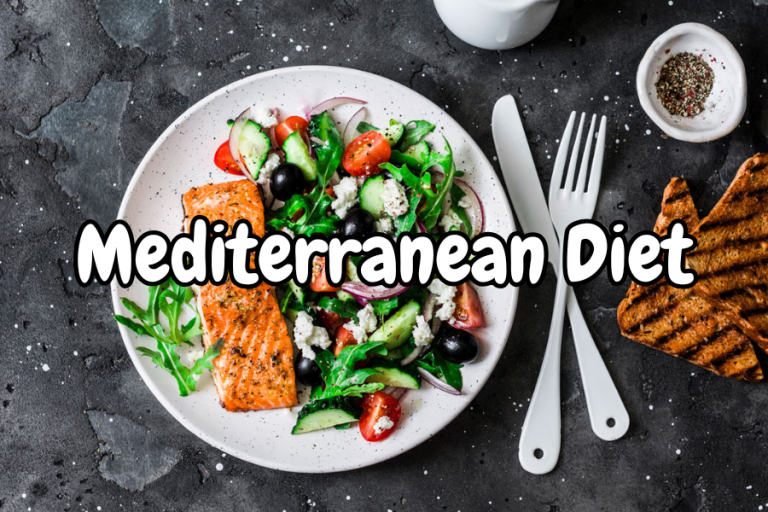
Because keto restricts many fruits, whole grains, and some vegetables, there is a higher risk of nutrient deficiencies in vitamins, minerals, and fiber. In one 12 week trial comparing keto and Mediterranean diets for people with prediabetes or diabetes, both diets improved blood sugar, but the keto group showed deficiencies in folate, vitamin C, magnesium, and fiber. (Everyday Health)
Keto can also affect your cholesterol and heart health in complex ways. Some individuals see higher HDL and lower triglycerides, which are positive changes. Others experience an increase in LDL, the “bad” cholesterol. Northwestern Medicine experts note that the diet can be difficult to maintain, increase constipation risk, and may negatively affect heart and kidney health in some people. (UC Davis Health) (Northwestern Medicine)
If you have diabetes or take blood pressure medications, the drops in blood sugar and blood pressure on keto can sometimes be too rapid, which can be dangerous without medical supervision. There is also a psychological side to consider. Closely tracking every carb and food choice can trigger or worsen disordered eating patterns for some people, including binge eating or feelings of shame. (Northwestern Medicine)
Finally, for athletes or people who do frequent high intensity exercise, a strict keto diet plan may impair your performance. High intensity activity depends heavily on carbohydrate stores, and there is evidence that keto can reduce peak performance and increase lean body tissue loss compared with higher carb diets, especially for athletes. (UC Davis Health)
Build your keto shopping and food list
Once you know the pros and cons, the next step is knowing what you will actually eat day to day. A successful keto diet plan is built on low carb, nutrient dense foods and the right kinds of fats.
On a standard keto diet you will focus on:
- Non starchy vegetables like leafy greens, broccoli, cauliflower, zucchini, bell peppers, asparagus, and cucumbers
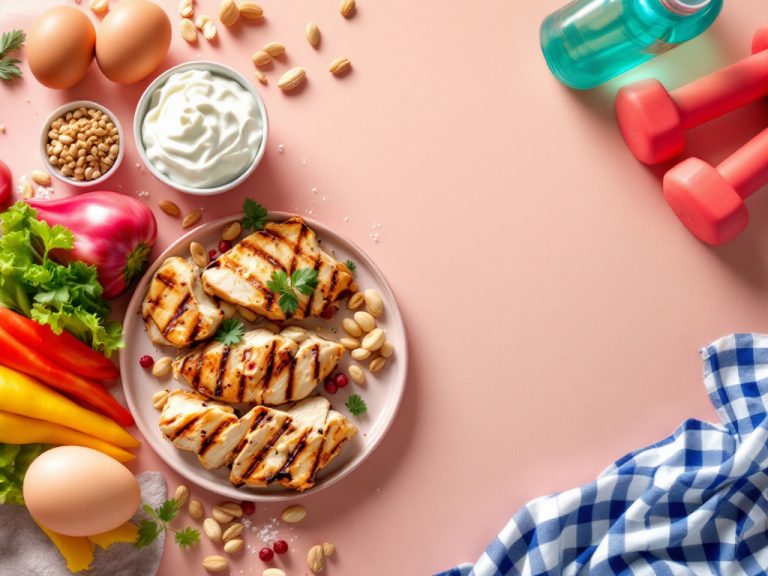
- Protein sources such as beef, poultry, pork, eggs, and full fat dairy
- Fatty fish like salmon, sardines, and mackerel
- Healthy fats from olive oil, avocado, nuts, seeds, and butter or ghee
- Limited amounts of lower sugar fruits like berries
You will avoid or sharply limit high carb foods that can knock you out of ketosis, including:
- Refined carbs such as bread, pasta, rice, and most baked goods
- Starchy vegetables like potatoes, corn, and many root vegetables
- Higher sugar fruits like bananas, grapes, and mangoes
- Sweetened dairy products such as flavored yogurt and chocolate milk
- Sugary drinks, including regular soda and fruit juice
- Condiments and sauces high in sugar, like ketchup, barbecue sauce, honey, syrups, and sweet chili sauces
Instead of sugary sauces, you can use vinegar based hot sauces, mayonnaise, mustard, and other low sugar condiments that still add flavor. And instead of low fat or reduced fat products, you will usually choose the full fat version, since low fat versions often add more sugar to replace the lost fat, which does not work with a high fat keto diet. (Healthline)
Map out a simple keto day
You do not need a complicated meal plan to get started. A basic daily keto diet plan can look like this:
- Breakfast: Scrambled eggs cooked in butter with spinach and mushrooms, plus half an avocado
- Lunch: Grilled chicken salad with mixed greens, cucumber, olives, feta cheese, and olive oil dressing
- Snack: A small handful of almonds or walnuts
- Dinner: Baked salmon with roasted broccoli and cauliflower in olive oil
- Optional dessert: A few berries with unsweetened whipped heavy cream
This type of day keeps carbs low, emphasizes healthy fats, and provides protein at each meal. Over time, you can rotate in other keto friendly recipes so you do not get bored.
If you prefer to eat fewer meals, keto can pair well with time restricted eating, like skipping breakfast and having two larger meals. Just be careful not to under eat severely, especially in the beginning, because that can make side effects worse.
Ease into keto safely
Switching straight from a high carb diet to a strict keto diet plan overnight can be rough on your body. The transition into ketosis usually happens within 1 to 3 days after you tighten your carb intake, but your body may take longer to fully adapt. (Everyday Health)
If you want a smoother start, you can:
- Gradually cut carbs over 1 to 2 weeks. Reduce sugary drinks and dessert first, then refined grains, then finally starchier sides.
- Increase your intake of non starchy vegetables and healthy fats at the same time so you do not feel hungry.
- Drink plenty of water and add electrolytes, such as sodium, potassium, and magnesium, if you start to feel lightheaded or fatigued.
- Keep protein moderate, not extremely high, because too much protein can sometimes interfere with deeper ketosis.
- Check in with your doctor, especially if you have diabetes, kidney disease, heart disease, or a history of disordered eating, so medications and monitoring can be adjusted if needed.
You do not have to chase perfect ketone numbers to benefit. Focus on how you feel, how your energy and appetite change, and how your health markers look over time.
A keto diet plan works best when you treat it as one possible tool for better health, not as the only solution or a quick fix.
Decide if keto fits your goals
A well planned keto diet can help you lose weight, control blood sugar, and feel more satisfied between meals. It can also be challenging to maintain, and it is not ideal for everyone, especially if you are an athlete who relies on high intensity performance, have certain medical conditions, or know that strict food rules tend to backfire for you.
If you decide to try a keto diet plan, approach it as an experiment. Give yourself a set time frame, such as 6 to 12 weeks, track your progress, and stay honest about how it affects your energy, mood, digestion, and lab results. Work with a healthcare provider or registered dietitian when possible, especially if you are managing chronic conditions.
You do not have to follow keto forever to learn from it. Even a short, carefully supervised period can teach you how your body responds to different foods, and you can carry that insight forward into whatever long term way of eating supports your health and your life.
About the Author